Treating Hair Shedding: Evidence, Triggers, and Proven Recovery Steps
8 min read ·
Discover the causes and evidence-based clinical steps for Treating Hair Shedding, from identifying underlying triggers to supporting natural regrowth.

Quick answer: Treating Hair Shedding begins with identifying the underlying physiological trigger, as excessive shedding (telogen effluvium) is typically a delayed reaction to physical stress, illness, hormonal shifts, or nutritional deficiencies. Because shedding occurs roughly two to three months after the triggering event, the primary limitation in treating it is time: follicles must naturally reset their growth cycle. While topicals and balanced nutrition support optimal scalp health, medical intervention is required if an underlying systemic cause remains unaddressed.
Key takeaways
- Normal shedding accounts for 50 to 100 club hairs per day; anything significantly higher across several weeks indicates telogen effluvium.
- Excessive shedding is distinct from genetic hair loss (miniaturisation) and mechanical breakage (shaft snapping).
- A trigger event usually happens six to twelve weeks before the shedding becomes visible.
- Resolving the underlying trigger (such as iron deficiency, thyroid dysfunction, or high fever) is the only proven medical path to recovery.
- Most acute shedding resolves spontaneously within three to six months once the trigger is corrected.
Treating Hair Shedding: what the evidence shows
When discussing Treating Hair Shedding, dermatological research focuses almost entirely on understanding the hair cycle. Human scalp hair naturally cycles through three distinct phases: anagen (active growth, lasting two to seven years), catagen (brief transition, lasting two to three weeks), and telogen (resting, lasting roughly three months). At any given time, roughly 85 to 90 percent of scalp follicles are in anagen, with about 10 percent in telogen.
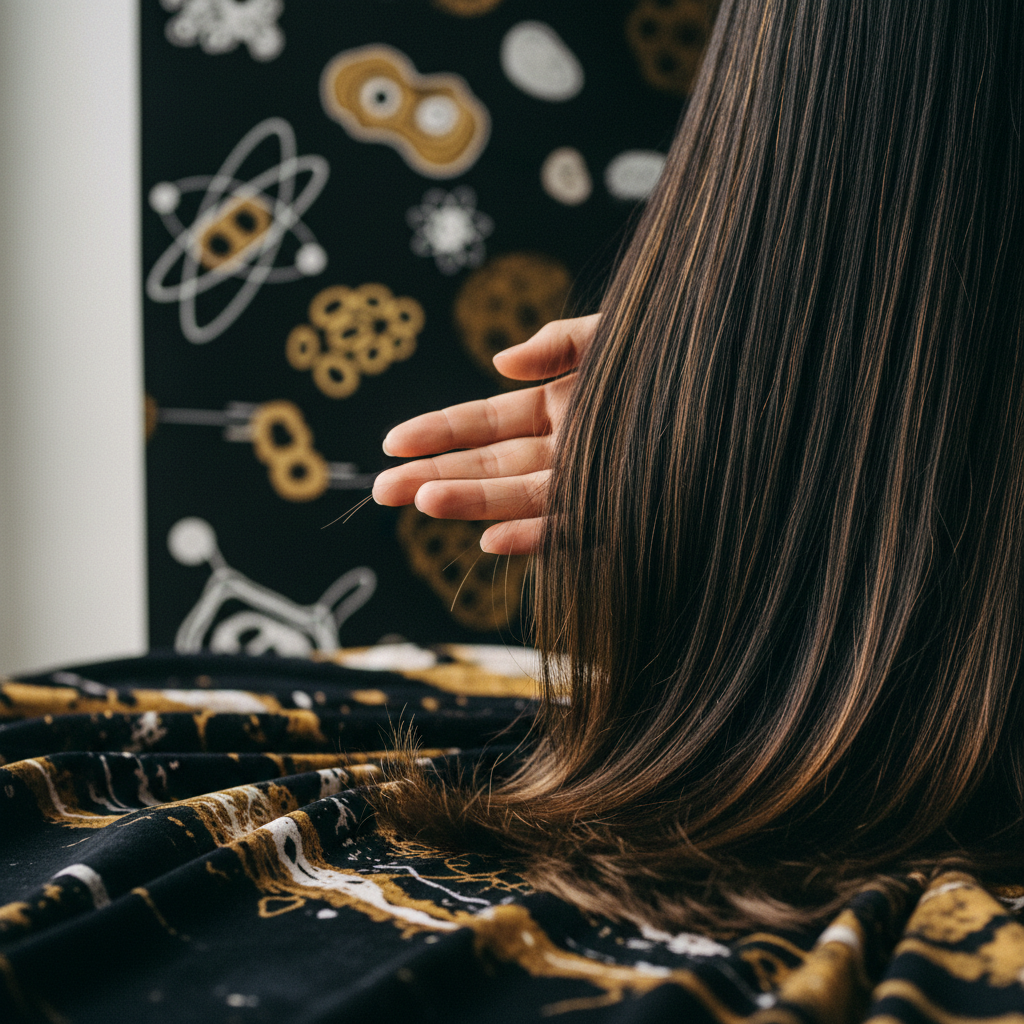
At the conclusion of the telogen phase, the shed hair (termed an exogen hair or club hair) leaves the follicle. This is why losing between 50 and 100 hairs daily is completely normal.
However, severe systemic shock disrupts this harmony. High fevers, rapid weight loss, surgery, psychological distress, childbirth, or severe illness can shock a substantial proportion of anagen hairs (sometimes 30 percent or more) into an early telogen resting phase. This condition, named telogen effluvium by dermatologist Albert Kligman in 1961, means that roughly two to three months later, those prematurely rested hairs shed simultaneously.
Clinical evidence shows that Treating Hair Shedding effectively relies on pinpointing and resolving this historic trigger. If the trigger was an acute, one-off episode (such as an infection or surgery), the shedding is self-limiting and resolves on its own as follicles re-enter anagen. If the shedding persists beyond six months, it is classified as chronic telogen effluvium, which demands clinical investigation into ongoing nutritional, endocrine, or autoimmune issues.
What the evidence does not show
There is no credible scientific evidence that topical shampoos, oils, or cosmetic serums can arrest an active episode of physiological telogen effluvium mid-cycle. Once a follicle has entered the telogen phase and formed a club hair, that specific fibre is biologically programmed to shed. No cosmetic formulation can force an already detached club hair to re-anchor into the dermal papilla.
Furthermore, evidence does not support taking mega-dose vitamin supplements unless a diagnosed deficiency exists. Unsupervised supplementation with high levels of vitamin A or selenium can actually induce or worsen hair shedding. While biotin is widely marketed for shedding, the European Food Safety Authority (EFSA) and peer-reviewed dermatological reviews note that biotin only aids hair health in individuals with an actual, documented biochemical deficiency, which is rare in balanced diets.
Shedding vs loss vs breakage: how to tell the difference
Treating shedding correctly requires making sure you are actually dealing with shedding, rather than follicular miniaturisation or mechanical breakage.
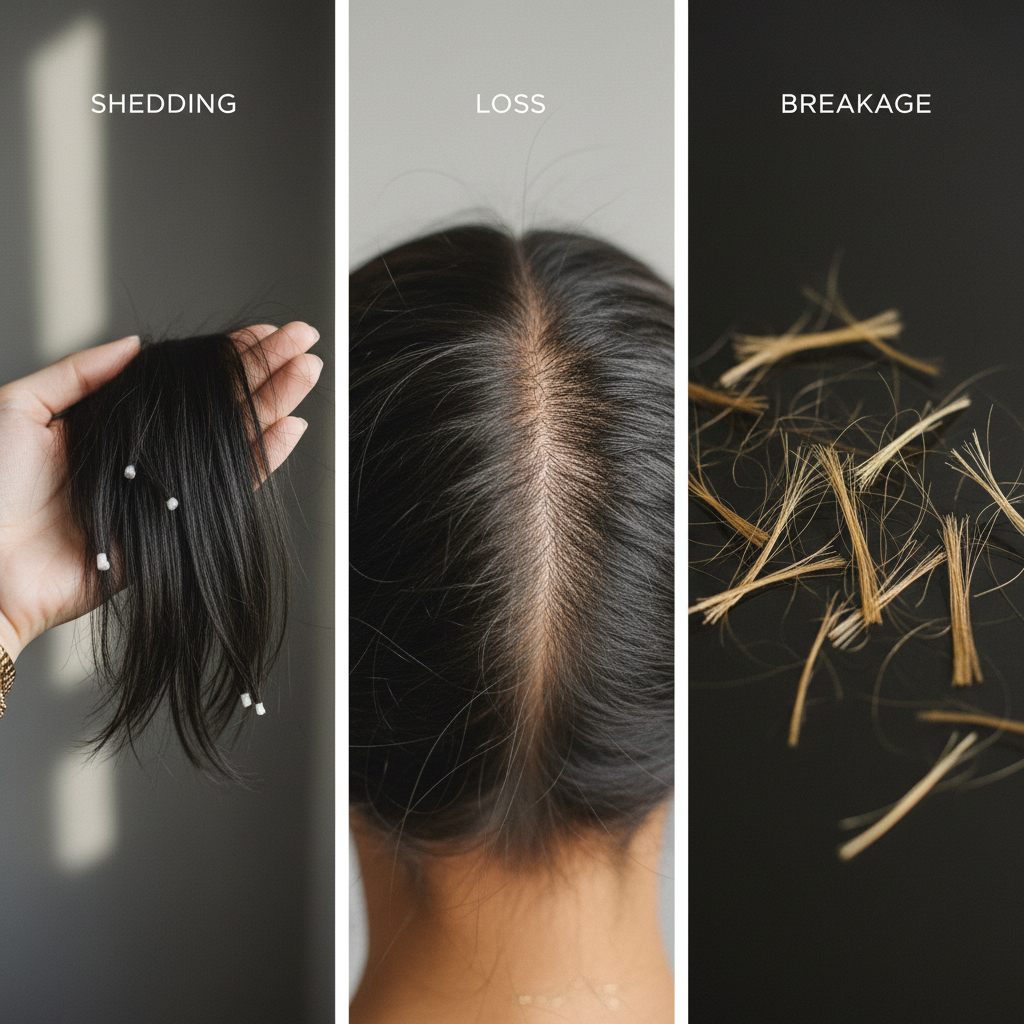
| Characteristic | Hair Shedding (Telogen Effluvium) | Hair Loss (Androgenetic Alopecia) | Hair Breakage (Fibre Fracture) |
|---|---|---|---|
| Primary Mechanism | Follicles prematurely shift into resting phase | Follicles progressively shrink from DHT sensitivity | Cuticle chips away, cortex snaps under mechanical stress |
| Visible Appearance | Diffuse thinning across the entire scalp | Distinct pattern: receding hairline, crown thinning, widening parting | Uneven lengths, split ends, flyaways, "frizzy" broken patches |
| Fibre Examination | Full-length hair with a tiny white bulb (club hair) | Thinner, shorter, finer hairs falling out over years | Short, snapped segments without any white root bulb |
| Onset Speed | Sudden, noticeable over 2 to 4 weeks | Very gradual, taking years to notice | Gradual or sudden following bleaching, heat, or traction |
| Resolution | Usually temporary; resolves once trigger clears | Progressive without medical intervention | Resolves with gentle handling, bond repair, and trims |
Common triggers behind acute and chronic shedding
To treat shedding successfully, clinicians examine the three to four months prior to the sudden increase in hair fall. The most common verified triggers include:
- Nutritional deficiencies: Low serum ferritin (stored iron) is strongly correlated with telogen shedding, especially in women. Zinc, vitamin D, and insufficient total daily caloric or protein intake are also proven drivers.
- Hormonal fluctuations: Postpartum shedding (telogen gravidarum) occurs due to the abrupt drop in circulating oestrogen levels after birth, which prompts millions of prolonged anagen hairs to enter telogen simultaneously. Thyroid imbalances (hypothyroidism or hyperthyroidism) are another major hormonal cause.
- Physiological stress and fever: A high body temperature (above 38.5°C) from viral or bacterial infections disrupts protein synthesis in rapid-dividing matrix cells.
- Medications: Starting or stopping certain oral contraceptives, beta-blockers, retinoids, anticoagulants, or antidepressants can precipitate an effluvium event.
- Major psychological stress: Severe emotional trauma triggers neuroendocrine pathways that release substance P and cortisol, forcing follicular transition.
Clinical steps: what you can do
If you notice hairs accumulating rapidly on your pillow, in the shower drain, and on your brush, a systematic approach prevents panic and targets the root cause:
- Conduct a timeline analysis: Look at your calendar and medical records. What happened eight to twelve weeks ago? An illness, bereavement, crash diet, or medication change is often the culprit.
- Consult a GP or trichologist for blood tests: Essential blood panels include serum ferritin, complete blood count (CBC), thyroid-stimulating hormone (TSH), free T4, vitamin D, and zinc.
- Optimise your protein intake: Hair fibres are built primarily from keratin, a tough fibrous protein. Aim for adequate dietary protein (roughly 0.8 to 1.2 grams per kilogram of body weight) spread throughout the day, including foods rich in l-lysine and methionine.
- Be gentle during daily washing and styling: Do not avoid washing your hair. Hairs in telogen will fall out regardless; avoiding the shower merely causes them to pool together, making subsequent washes look more alarming. Use a wide-tooth comb, avoid high-heat styling, and forgo tight ponytails or extensions that add mechanical traction to already resting follicles.
Supporting the scalp environment with Watermans
While cosmetic products cannot reverse an internal telogen shift, keeping the scalp environment healthy, clean, and nourished creates ideal conditions for emerging anagen fibres.
Watermans GrowMe Shampoo and ConditionMe Conditioner are designed to optimise this supportive environment. Formulated with caffeine, rosemary extract, biotin, niacinamide, and argan oil, the range provides a revitalising cleanse without stripping the scalp's delicate barrier. Caffeine and niacinamide applied topically have been studied for their ability to support local microcirculation and improve the look of hair density. For individuals navigating the recovery window of telogen effluvium, using a gentle, follicle-supporting routine helps maintain fibre strength, reduce additional breakage, and keep the scalp in peak condition for new growth.
When to seek immediate medical advice
While diffuse shedding is common and usually benign, certain symptoms warrant a prompt visit to a doctor or dermatologist:
- Shedding accompanied by scalp burning, tenderness, itching, or pain (trichodynia).
- Visible redness, pustules, thick scaling, or patchy bald spots (which may indicate an autoimmune or scarring alopecia, such as lichen planopilaris or alopecia areata).
- Shedding that continues relentlessly for more than six months without any sign of slowing down.
- Systemic symptoms alongside shedding, such as extreme fatigue, unexpected weight changes, cold intolerance, or joint pain.
Frequently asked questions about Treating Hair Shedding
How long does Treating Hair Shedding usually take to show results?
Because the human hair cycle operates slowly, seeing visible improvement takes patience. Once the underlying cause is resolved, shedding typically abates within three months, and noticeable new regrowth (seen as short "baby hairs" along the hairline and parting) usually appears within three to six months. Full volumetric recovery can take up to a year.
Can washing my hair less often help when Treating Hair Shedding?
No. Washing less often does not prevent hairs from shedding. Telogen hairs have already detached from their blood supply inside the follicle and are simply waiting to be released. Reducing wash frequency simply leads to sebum accumulation, potential scalp inflammation, and an accumulation of shed hairs that come out in one large, distressing clump during the next wash.
Does a biotin supplement work for Treating Hair Shedding?
Unless a physician has diagnosed you with an uncommon biotin deficiency, high-dose biotin supplements are unlikely to stop shedding. Biotin supports keratin structure, but it does not address the systemic triggers of telogen effluvium, such as low ferritin, thyroid disorders, or high physiological stress.
Can severe stress cause permanent hair shedding?
Telogen effluvium triggered by emotional or physical stress is almost always reversible. The hair follicles remain completely alive and viable beneath the skin. Once systemic equilibrium is restored and stress hormones normalise, follicles reset their clock and transition back into the anagen growth phase.
Moving forward with recovery
Approaching the process of Treating Hair Shedding requires separating physiological reality from marketing hype. Excessive shedding is an internal, biological signal that your body experienced a shock or deficiency several months in the past.
By obtaining thorough blood tests, maintaining balanced nutrition rich in protein and micronutrients, avoiding aggressive heat or tension, and nurturing the scalp with high-calibre topicals, you provide your follicles with the best possible runway to bounce back into robust, healthy growth.
Sources and references
- British Association of Dermatologists. (2021). Telogen Effluvium: Patient Information Leaflet.
- Kligman, A. M. (1961). Pathologic dynamics of human hair loss: I. Telogen effluvium. Archives of Dermatology, 83(2), 175-198.
- Malkud, S. (2015). Telogen Effluvium: A Review. Journal of Clinical and Diagnostic Research, 9(9), WE01-WE03.
- National Health Service (NHS). (2023). Hair loss. Nhs.uk/conditions/hair-loss/
- Rushton, D. H. (2002). Nutritional factors and hair loss. Clinical and Experimental Dermatology, 27(5), 396-404.
- European Food Safety Authority (EFSA). (2010). Scientific Opinion on the substantiation of health claims related to biotin and maintenance of normal hair. EFSA Journal, 8(10), 1728.
Find these ingredients in Watermans products
- Niacinamide: you will find this ingredient in our Hair Mask.