Seborrhoeic Dermatitis Triggers: Evidence-Based Causes and Scalp Management
8 min read ·
Discover the most common Seborrhoeic Dermatitis Triggers, from stress to weather changes, and learn evidence-based ways to calm inflammation and prevent flares.
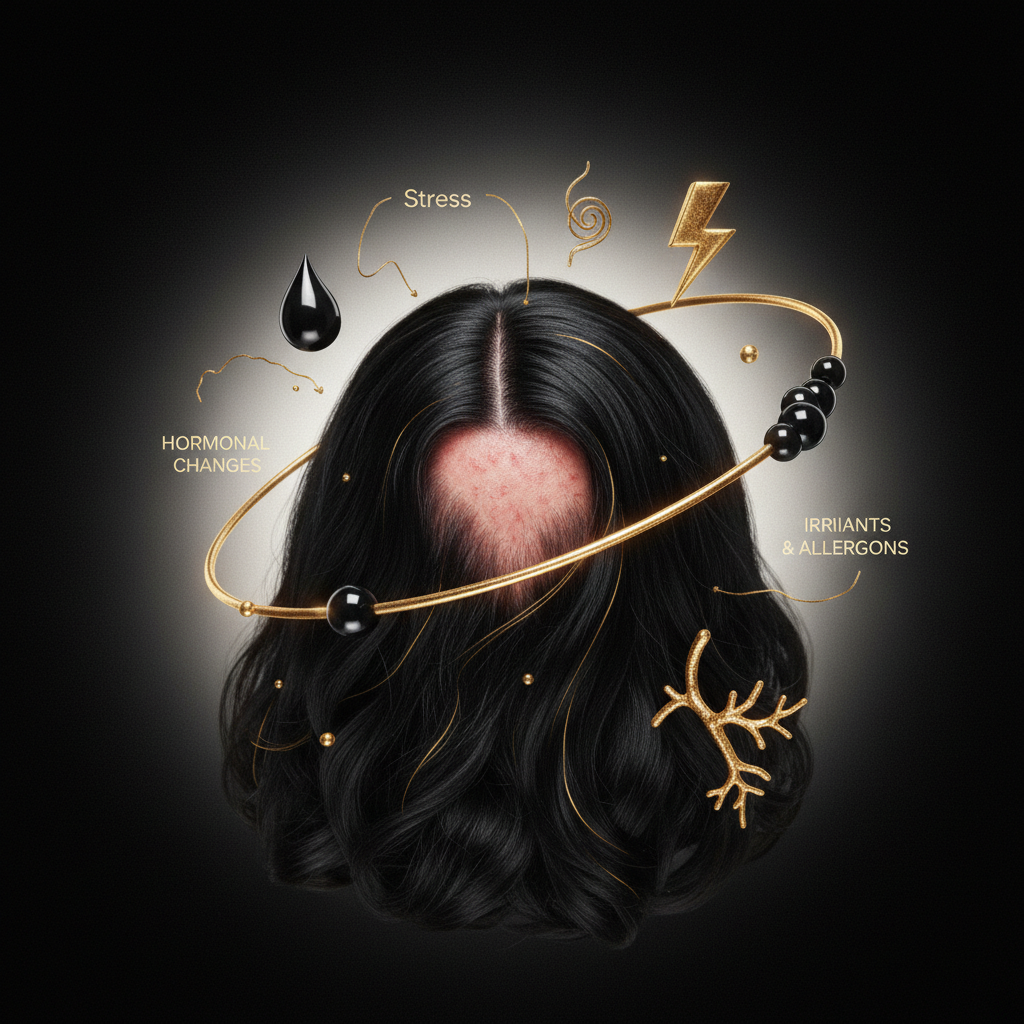
Quick answer: Identifying common Seborrhoeic Dermatitis Triggers is the most reliable way to minimise flare-ups of this chronic inflammatory scalp condition. Flares are primarily provoked by psychological stress, cold and dry weather, hormonal fluctuations, infrequent hair washing, skin barrier disruption, and overgrowth of the commensal yeast Malassezia. However, while avoiding external triggers reduces severity, lifestyle modification alone rarely cures the underlying condition, which typically requires ongoing topical management to maintain long-term scalp stability.
Key takeaways
- Seborrhoeic dermatitis is driven by an individual inflammatory response to oleic acid, a byproduct generated when Malassezia yeast metabolises scalp sebum.
- Major external triggers include abrupt weather changes (especially cold, dry winters), emotional stress, sleep deprivation, and poor barrier function.
- Infrequent cleansing allows sebum to accumulate, providing an abundant food supply for yeast proliferation.
- Harsh, high-pH haircare products and heavy botanical oils (like coconut or olive oil) can aggravate inflammation rather than soothing it.
- Flare-ups are manageable with medicated and barrier-supporting topicals, but genetic predisposition means complete eradication is unlikely.
Seborrhoeic Dermatitis Triggers: what the evidence shows
Clinical dermatology recognises that seborrhoeic dermatitis arises from a complex interaction between skin lipids, surface microflora, and the immune system. Identifying specific Seborrhoeic Dermatitis Triggers allows individuals to anticipate and mitigate flares before acute inflammation develops.
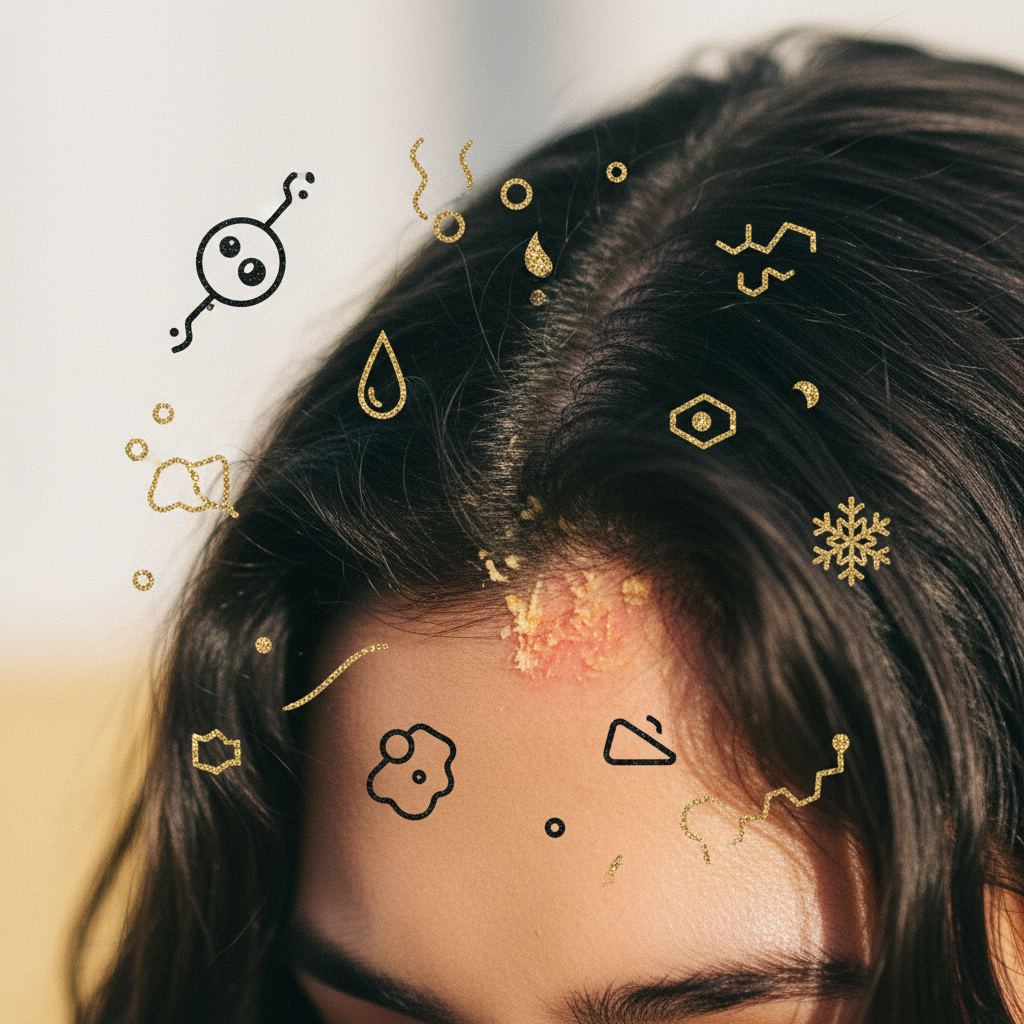
Research published by the British Association of Dermatologists and the NHS highlights several primary environmental and systemic triggers:
1. Emotional and physical stress
Psychological stress elevates systemic cortisol levels. Elevated cortisol impairs epidermal permeability barrier homeostasis, delays barrier recovery, and alters sebum production. Stress also triggers neurogenic inflammation through the release of substance P and other neuropeptides in the scalp, creating an ideal environment for acute flares.
2. Seasonal and climate fluctuations
Most individuals experience worse symptoms during late autumn and winter. Low ambient humidity and indoor central heating dry out the stratum corneum, compromising barrier lipids. Conversely, while mild UV radiation often suppresses Malassezia activity in summer, extreme heat and heavy sweating can occasionally trigger flares in oily scalp types by providing a moist, warm environment.
3. Altered sebum dynamics and infrequent washing
Seborrhoeic dermatitis occurs almost exclusively in sebaceous-rich areas. When sebum production rises during hormonal shifts, or when sebum is allowed to accumulate over several days without cleansing, Malassezia species thrive. The yeast consumes specific saturated fatty acids from sebum, releasing irritating unsaturated free fatty acids (such as oleic acid) directly onto the scalp.
4. Barrier disruption from haircare practices
Using alkaline cleansers (pH above 6.5) strips essential ceramides and raises scalp pH, weakening antimicrobial peptides naturally present on the skin. Furthermore, applying heavy natural oils containing high levels of oleic acid or triglycerides (such as olive or argan oil) directly fuels Malassezia growth rather than moisturising the scalp.
| Potential Trigger | Primary Mechanism | Typical Scalp Response |
|---|---|---|
| Cold, dry air | Transepidermal water loss and impaired barrier function | Tightness, cracking, fine white flaking |
| Chronic stress | Neurogenic inflammation and altered innate immunity | Sudden itch, red erythema, burning sensation |
| Infrequent washing | Excess sebum buildup feeding Malassezia yeast | Greasy, yellowish flakes, sticky scalp odour |
| Heavy plant oils | Exogenous fatty acids serving as fungal lipid source | Aggravated redness, rapid fungal proliferation |
| High-pH shampoos | Disrupted acid mantle and microflora dysbiosis | Scalp stinging, rebound oiliness, flaking |
What the evidence does not show
Misconceptions around seborrhoeic dermatitis frequently cause people to adopt counterproductive routines.
First, the condition is not caused by poor hygiene. While regular cleansing helps clear sebum and scale, seborrhoeic dermatitis is an inflammatory and microbiological issue, not a sign of uncleanliness.
Second, dietary sugar, dairy, and gluten are frequently blamed on social media, but large-scale clinical trials have found no direct causal link between single dietary ingredients and seborrhoeic dermatitis. While systemic metabolic health supports overall skin function, eliminating food groups rarely clears the scalp on its own.
Finally, the yeast Malassezia is not an external infection or a contagious pathogen. It is a natural resident of healthy human skin. The issue is not merely the presence of the organism, but how an individual's immune system reacts to its metabolic byproducts.
Biological mechanism: how triggers initiate a flare
The scalp naturally maintains an acidic surface pH between 4.5 and 5.5. Sebaceous glands secrete sebum, a lipid mixture rich in squalene, wax esters, and triglycerides.
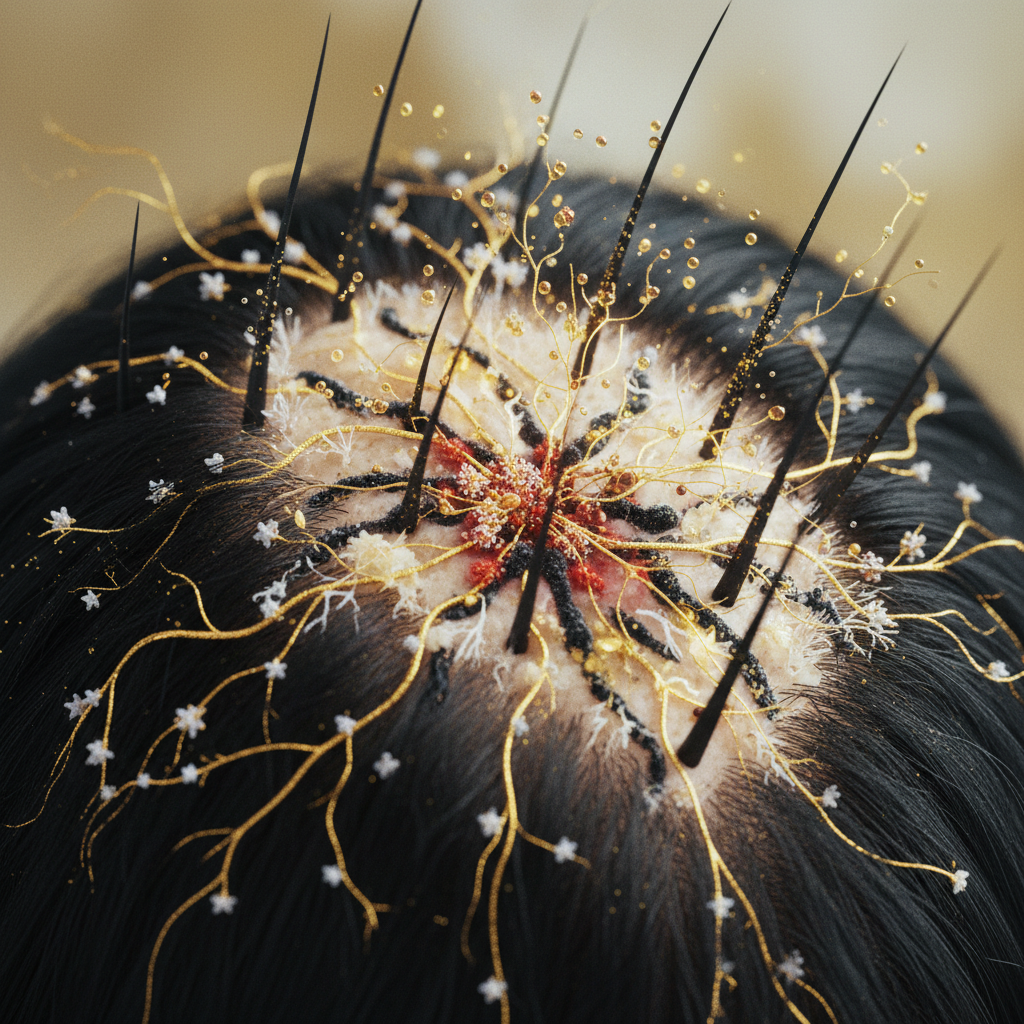
Malassezia globosa and Malassezia restricta possess lipase enzymes that hydrolyse these triglycerides to source the saturated fatty acids they need to survive. In doing so, they leave behind unsaturated fatty acids, primarily oleic acid and arachidonic acid.
In susceptible individuals, these free fatty acids penetrate a disrupted epidermal barrier. Keratinocytes release pro-inflammatory cytokines (such as IL-1alpha, IL-6, and TNF-alpha). This response causes hyperproliferation of epidermal cells, incomplete keratinisation (parakeratosis), and vasodilation. The visible result is the classic combination of erythema, burning or itching, and large clusters of clinging, shed corneocytes known as greasy flakes.
Signs to look for: identifying a flare
Recognising early symptoms helps you intervene before inflammation escalates:
- Flake texture: Oily, yellowish, or thick white crusts that adhere to the scalp and hair base, distinct from the tiny, dry flakes of simple dehydration.
- Erythema: Salmon-pink or red patches hidden beneath scales, commonly concentrated along the hairline, crown, eyebrows, and nasolabial folds.
- Sensory cues: Pruritus (itching), prickling, or a sore, burning sensation when moving the hair.
- Temporary hair shedding: Severe inflammation and persistent scratching can weaken hair retention in the follicle, leading to temporary telogen effluvium. This is distinct from permanent follicular hair loss (alopecia) and resolves once scalp inflammation settles.
Evidence-based management strategies
Minimising the impact of triggers involves combining preventative barrier care with targeted antimicrobial topicals:
- Establish consistent cleansing: Wash your hair every 1 to 2 days using a pH-balanced cleanser (pH 4.5 to 5.5) to clear oxidised lipids and starve surface yeast.
- Rotate active ingredients: Over-the-counter and prescription therapeutic shampoos target yeast via different modes of action. Clinically proven actives include:
- Ketoconazole (1% to 2%)
- Zinc pyrithione (1%)
- Piroctone olamine (0.5% to 1%)
- Selenium sulfide (1% to 2.5%)
- Salicylic acid (to break down thick crusts and hyperkeratosis)
- Leave active shampoos on the scalp: Allow medicated cleansers to sit on the scalp for 3 to 5 minutes before rinsing. Washing off immediately prevents actives from binding to the stratum corneum.
- Avoid feeding the yeast: Skip heavy cosmetic oils and pomades on the scalp. If hair fibres feel dry, apply conditioners strictly to mid-lengths and ends.
- Mitigate environmental drying: Use a cool-mist humidifier in dry rooms during winter, and avoid washing the scalp with very hot water, which dissolves protective barrier lipids.
Scalp care and Watermans products
When managing a sensitive, reactive scalp prone to flaking, selecting non-stripping cosmetic formulas is essential. Watermans products are formulated to support general scalp hygiene and hair vitality without relying on heavy, pore-clogging carrier oils.
Watermans GrowMe Shampoo provides a revitalising cleanse that helps clear everyday product buildup, excess sebum, and shed debris. Used alongside evidence-based medical treatments during flares, gentle, nutrient-dense cosmetic washes keep the scalp feeling fresh, comfortable, and balanced while maintaining soft, resilient hair strands.
When the cause may be something else
Seborrhoeic dermatitis shares visual characteristics with several other scalp disorders:
- Scalp psoriasis: Produces thicker, silvery-white, sharply demarcated plaques that often extend beyond the hairline. Psoriasis scales bleed in pinpoint spots when scraped (the Auspitz sign).
- Allergic contact dermatitis: Driven by specific cosmetic ingredients (such as paraphenylenediamine in hair dyes or methylisothiazolinone preservatives), presenting with severe burning, blistering, or acute swelling.
- Tinea capitis: A contagious fungal infection more common in children, which invades the hair shaft and leads to localised patches of broken hairs and stubble.
- Pityriasis amiantacea: Characterised by thick, asbestos-like, silvery-yellow scales that bind tufts of hair closely to the scalp.
When to get professional advice
Consult a GP or consultant dermatologist if:
- Over-the-counter medicated shampoos show no improvement after 3 to 4 weeks of consistent use.
- The scalp shows signs of secondary bacterial infection, such as oozing, yellow honey-coloured crusting, or painful swelling.
- Scaling spreads extensively across the face, neck, or body.
- Scalp discomfort interferes with sleep or daily activities.
A clinician can prescribe short courses of topical corticosteroids or calcineurin inhibitors (such as tacrolimus) to calm acute redness, followed by maintenance regimens.
Frequently asked questions about Seborrhoeic Dermatitis Triggers
Can dietary changes eliminate Seborrhoeic Dermatitis Triggers?
Dietary adjustments rarely cure the condition on their own. While an overall balanced diet supports immune health, high-quality clinical research has not established direct causal relationships between specific foods and flare-ups. Focusing on topical scalp hygiene, barrier preservation, and managing common Seborrhoeic Dermatitis Triggers like stress and climate delivers far more reliable clinical results.
Does cold weather always trigger a flare-up?
Cold, dry winter air is one of the most widely reported external triggers. Indoor heating and cold winds decrease moisture within the outer skin layer, weakening the barrier and making it more susceptible to irritating free fatty acids. Using a humidifier and washing with lukewarm water helps counteract winter dryness.
Can using natural oils like coconut or olive oil help?
No. Applying vegetable and plant oils to an active flare often worsens symptoms. Malassezia feeds on the specific lipid compounds present in most natural oils. Feeding the fungal microflora accelerates oleic acid production, intensifying inflammation and scale formation.
Does seborrhoeic dermatitis cause permanent hair loss?
No. Seborrhoeic dermatitis does not damage the hair follicle permanently. However, intense itching and scratching can snap hair shafts, causing breakage. Severe, untreated inflammation can also trigger temporary shedding (telogen effluvium). Once the flare is controlled and the scalp returns to a healthy state, hair growth typically recovers.
Managing your scalp health
Understanding your unique set of Seborrhoeic Dermatitis Triggers transforms how you manage this persistent condition. By recognising the earliest signs of a flare, supporting your acid mantle, and implementing targeted topical therapies, you can keep redness and scaling under steady control. Consistency remains the cornerstone of long-term scalp comfort and healthy hair.
Sources and references
- British Association of Dermatologists. Seborrhoeic Dermatitis Patient Information Leaflet. 2022.
- National Health Service (NHS). Seborrhoeic Dermatitis. 2023.
- Borda LJ, Wikramanayake TC. Seborrheic Dermatitis and Dandruff: A Comprehensive Review. Journal of Clinical and Investigative Dermatology. 2015.
- Dawson TL Jr. Malassezia globosa and restricta: breakthrough understanding of the etiology and treatment of dandruff and seborrheic dermatitis through whole-genome analysis. Journal of Investigative Dermatology Symposium Proceedings. 2007.
- Gupta AK, Bluhm R. Seborrheic dermatitis. Journal of the European Academy of Dermatology and Venereology. 2004.
Find these ingredients in Watermans products
- Zinc: you will find this ingredient in our Hair Vitamins.
- Oleic Acid: you will find this ingredient in our Camellia & Black Castor Hair & Body Oil.