Dry Scalp vs Oily Scalp: Signs, Causes, and How to Treat Both
10 min read ·
Understand the differences between a dry scalp vs oily scalp, including key symptoms, root causes, flake types, and targeted routines for lasting balance.
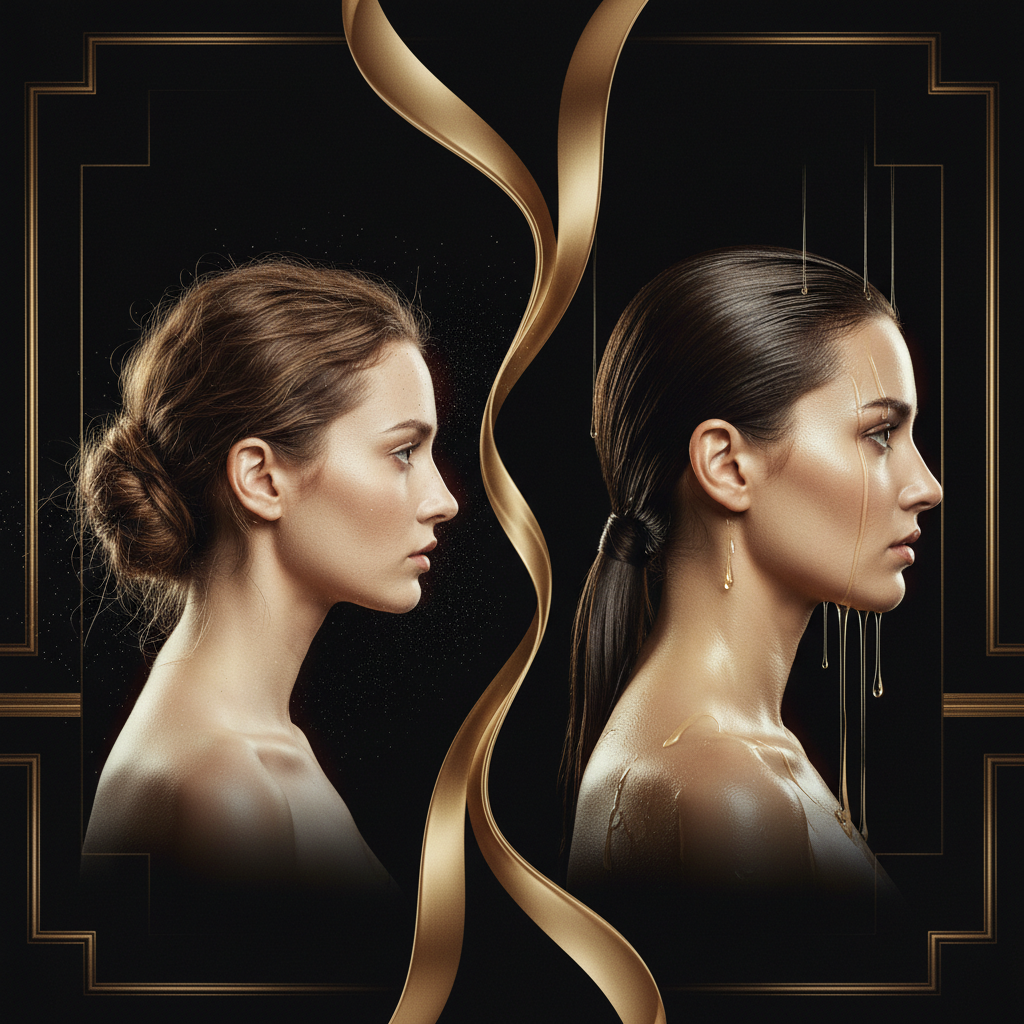
Quick answer: Comparing a dry scalp vs oily scalp comes down to moisture versus lipid production. A dry scalp lacks natural moisture or hydration, leading to fine, white flakes, tightness, and mild itching. An oily scalp produces excess sebum from overactive sebaceous glands, often leading to greasy roots, clumping hair, and greasy yellowish flakes. However, an oily scalp can paradoxically feel tight or irritated when stripping cleansers trigger barrier damage, blurring the physical boundaries between both conditions.
Understanding the difference between a dry scalp vs oily scalp is essential for selecting the correct cleansing frequency, active ingredients, and styling routine. Using the wrong products can worsen either issue, turning mild oiliness into inflammatory flaking or parching a dehydrated barrier into persistent sensitivity.
Key takeaways
- The fundamental biological difference: A dry scalp suffers from inadequate epidermal hydration or low sebum output, whereas an oily scalp produces excessive sebum via hyperactive sebaceous glands.
- Flake appearance differs: Dry scalp flakes are typically small, loose, dry, and white. Sebum-rich flakes (frequently linked with dandruff or seborrhoeic dermatitis) are larger, greasy, yellowish, and cling to hair roots.
- The "oily yet tight" paradox: Harsh clarifying shampoos can strip the scalp lipid barrier, causing surface dehydration and tightness even while sebaceous glands continue to pump out oil.
- Cleansing frequency matters: Oily scalps thrive on regular, often daily, clarifying cleansing to prevent sebum accumulation, while dry scalps benefit from gentle, sulphate-free formulas washed less frequently.
- Underlying conditions can mimic both: Seborrhoeic dermatitis, scalp psoriasis, and contact dermatitis can present with flaking and redness, requiring medical rather than purely cosmetic intervention.
Dry scalp vs oily scalp: what the evidence shows
Dermatological research shows that the human scalp possesses one of the highest densities of sebaceous glands on the body, with roughly 400 to 900 glands per square centimetre. The debate over dry scalp vs oily scalp centres on how these glands function alongside the epidermal barrier.
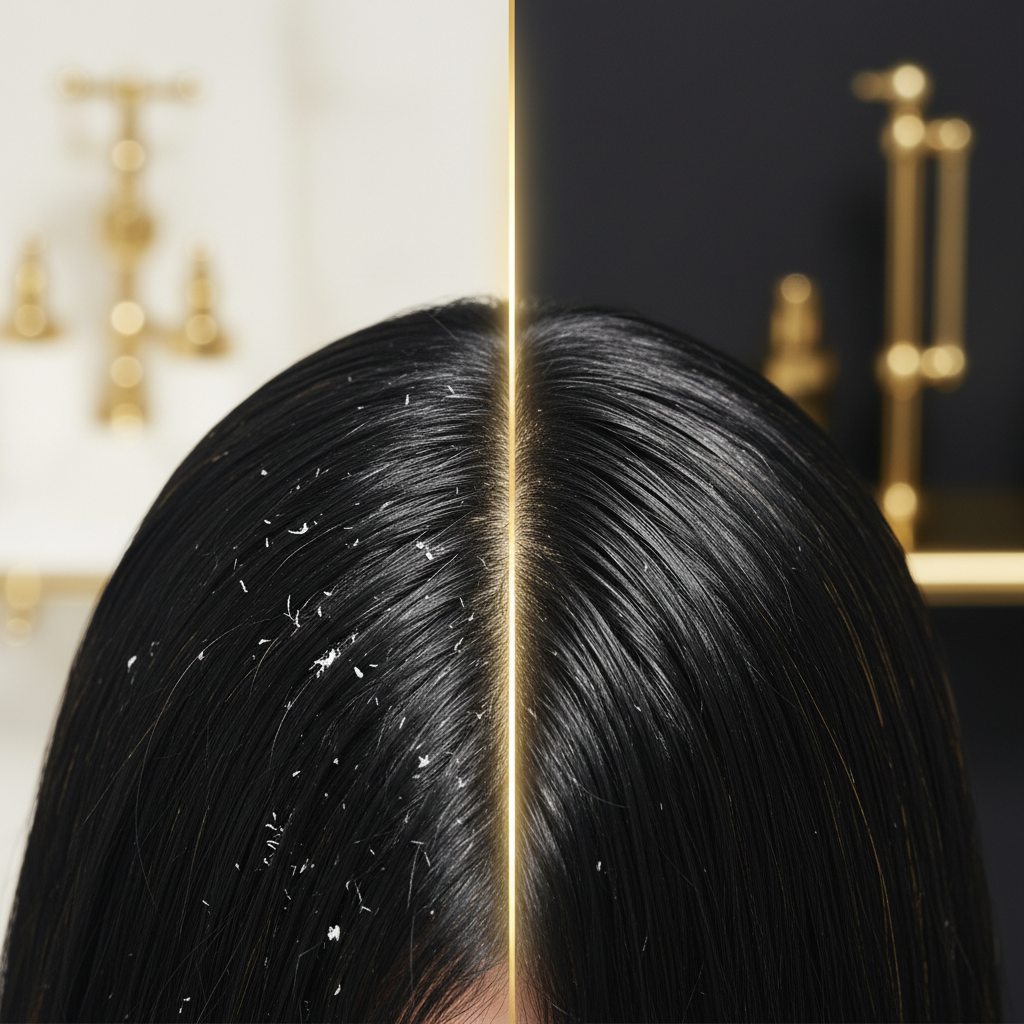
A dry scalp occurs when the stratum corneum, the outermost skin layer, experiences elevated transepidermal water loss (TEWL) or produces inadequate natural moisturising factors (NMFs). Environmental factors such as cold weather, indoor central heating, low humidity, and harsh anionic surfactants strip the skin's lipid bilayers. The scalp feels tight, looks matte, and sheds tiny white specks of keratinised skin cells.
An oily scalp, by contrast, is driven by sebaceous hyperactivity, regulated largely by androgenic hormones. The excess sebum coats the scalp surface and proximal hair fibres, creating an oily sheen within 24 hours of washing. This lipid-rich environment alters the scalp microbiome. It encourages the proliferation of lipophilic yeasts, particularly Malassezia restricta and Malassezia globosa. These yeasts metabolise triglycerides within the sebum, releasing irritating free fatty acids such as oleic acid. This breakdown process can trigger irritation, itching, and rapid epidermal turnover, manifesting as greasy flakes.
| Feature | Dry Scalp | Oily Scalp |
|---|---|---|
| Primary physiological cause | Inadequate hydration, elevated water loss, low lipid levels | Hyperactive sebaceous glands, excess sebum production |
| Texture at the roots | Rough, matte, dry, sometimes tight | Slick, shiny, greasy, heavy |
| Flake characteristics | Small, fine, dry, white, easily brushed off | Larger, sticky, yellowish, clumps around hair shafts |
| Washing tolerance | Benefits from spaced-out, gentle, hydrating washes | Requires frequent cleansing (daily or alternate days) |
| Associated microflora issue | Barrier disruption, dry skin peeling | Overgrowth of Malassezia yeasts feeding on lipids |
| Response to rich oils | Often soothes and temporarily relieves tightness | Worsens congestion and can accelerate flaking |
What the evidence does not show
There is no clinical evidence that oiliness causes follicular death or permanent hair loss (alopecia). While an oily scalp provides the environment for seborrhoeic inflammation, sebum itself does not "choke" follicles or directly trigger pattern baldness. Severe, untreated inflammation can trigger temporary hair shedding (telogen effluvium), but sebum is not inherently toxic to hair roots.
Similarly, evidence does not show that "training" your scalp to produce less oil by skipping washes works. Sebaceous gland output is primarily driven by genetics, hormones, age, and systemic factors, not by external wash frequency. Withholding washing merely allows sebum, scalp debris, and yeast metabolites to accumulate, heightening the risk of inflammatory scalp issues.
Finally, a dry scalp is rarely cured by applying heavy plant oils (such as coconut or olive oil) directly to the roots. Heavy lipids do not deliver water; true hydration requires humectants and barrier-repairing lipids. Smearing heavy oils on a misdiagnosed, oily, flaking scalp can feed yeast species and worsen irritation.
The underlying mechanisms: sebum and barrier function
The scalp maintains a delicate equilibrium between barrier integrity, sebum production, and microbial populations.
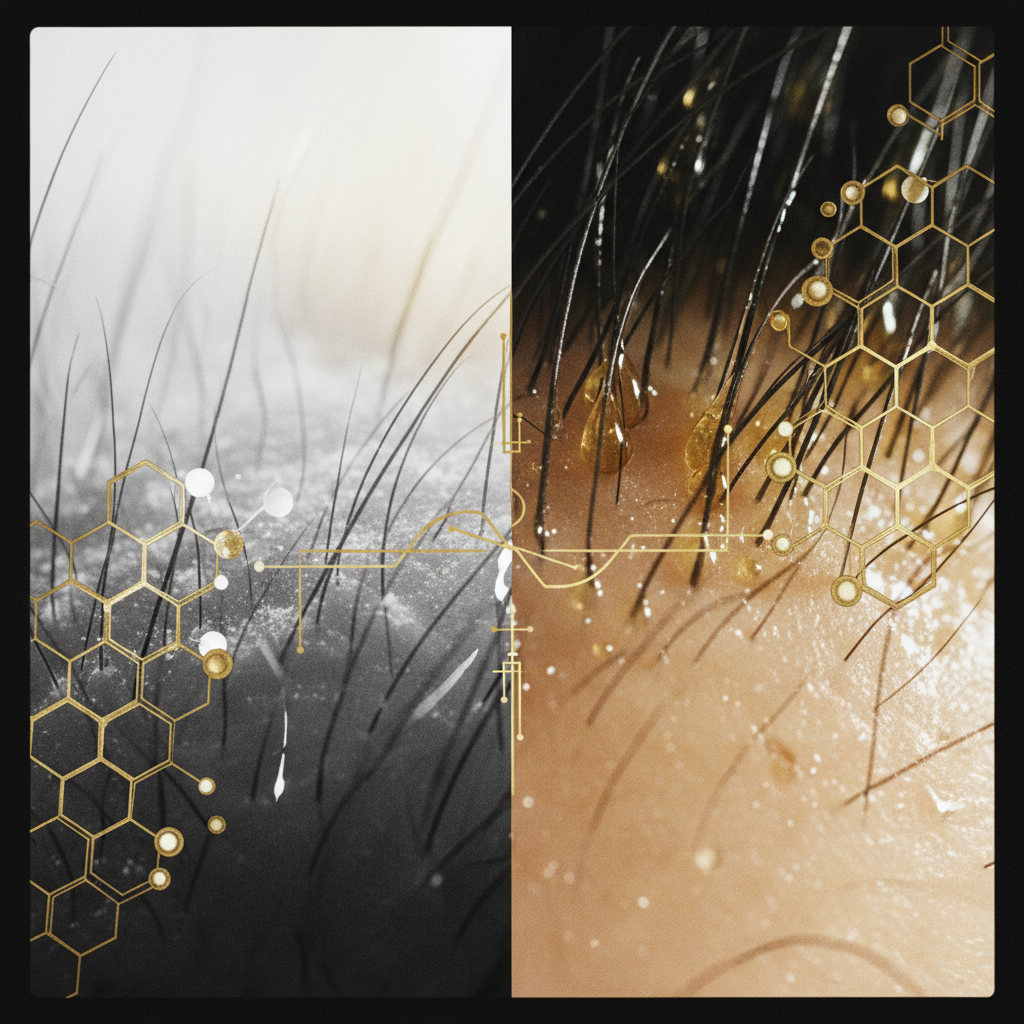
The skin barrier functions like a brick wall: corneocyte cells are the bricks, and intercellular lipids (ceramides, cholesterol, and free fatty acids) are the mortar. When this barrier is depleted by hot showers, dry climates, or aggressive cleansing, water evaporates rapidly. The scalp skin contracts, causing the distinct sensation of tightness, fine peeling, and sensitivity associated with a dry scalp.
Sebum, while providing natural lubrication, carries an acidic pH (between 4.5 and 5.5) that helps defend the scalp against pathogenic bacteria. In an oily scalp, androgen stimulation causes the sebocytes inside the glands to rupture and release excessive sebum. As sebum flows out of the follicular canal, it mixes with sweat and environmental dust, weighing down the hair fibre. If the balance between Malassezia yeast and the host immune response fails, the scalp experiences subclinical inflammation, prompting rapid cell turnover and thick, greasy desquamation.
Signs to look for: how to tell them apart
Diagnosing whether your scalp is dry or oily involves inspecting your hair 24 to 48 hours after a standard wash with a neutral, gentle shampoo.
Signs of a dry scalp
- A persistent feeling of tightness or stretching, particularly immediately after showering.
- Fine, powdery white flakes that drop onto your shoulders when you scratch or run your fingers through your hair.
- Dull, dry hair strands that lack natural shine from root to tip.
- Relief when applying light, hydrating scalp serums or humectants.
- Prone to worsening in winter months or dry, air-conditioned rooms.
Signs of an oily scalp
- Hair feels limp, separated, and greasy at the roots by the end of the day or the following morning.
- Flakes are larger, greasy to the touch, and yellowish, clinging to the scalp or clumping around the root of the hair.
- An unpleasant scalp odour caused by the oxidation of lipids and bacterial activity.
- Hair appears visibly shiny near the crown while feeling heavy and lacking root lift.
- Washing the scalp provides instant, dramatic relief from greasiness and itchiness.
What you can do: tailored routines
Addressing either state requires targeted adjustments to washing frequency, ingredient choices, and application techniques.
Managing a dry scalp
- Switch to gentle surfactants: Use mild, sulphate-free cleansers that clean the hair without stripping the delicate lipid bilayer of the scalp.
- Lower your water temperature: Hot water dissolves essential surface lipids. Wash with lukewarm water to preserve the scalp barrier.
- Incorporate humectants: Apply water-based leave-in scalp serums containing ingredients like hyaluronic acid, glycerin, panthenol (provitamin B5), or aloe vera. These draw ambient moisture into the stratum corneum without leaving an oily residue.
- Reduce washing frequency: If your hair feels dry, spacing washes to two or three times a week allows the scalp to maintain its natural barrier lipids.
Managing an oily scalp
- Wash frequently: Do not avoid washing. Cleanse daily or every other day to clear accumulated sebum, environmental pollution, and yeast food sources.
- Use clarifying and balancing actives: Look for shampoos formulated with ingredients such as salicylic acid, piroctone olamine, niacinamide, or tea tree extract. Salicylic acid is oil-soluble, meaning it penetrates deep into the follicle to clear excess sebum.
- Keep conditioner on the lengths: Never apply heavy conditioners, rich masks, or oils to the roots. Concentrate conditioning products from the mid-lengths down to the ends of the hair.
- Avoid rich hair oils on the scalp: Applying heavy vegetable or nut oils can exacerbate fungal proliferation and trap debris at the follicle base.
When the cause may be something else
Sometimes, symptoms associated with a dry or oily scalp point toward a dermatological condition rather than a simple cosmetic imbalance.
Seborrhoeic dermatitis: A chronic inflammatory skin condition common on sebum-rich areas. It presents as persistent red patches covered with greasy, yellow or white scaling, accompanied by stubborn itching.
Scalp psoriasis: An autoimmune disorder characterised by well-demarcated, thick, silvery-white plaques on an erythematous (red) base. Unlike simple dry scalp flakes, psoriasis scales are adherent and may bleed slightly if picked (Auspitz's sign).
Contact dermatitis: An allergic or irritant reaction to hair dyes, fragrances, or styling preservatives. It causes acute redness, intense burning or itching, and sudden flaking shortly after product exposure.
When to seek professional advice
Consult a GP, dermatologist, or registered trichologist if you experience:
- Severe, unrelenting itch that disrupts sleep or daily activities.
- Scalp redness, swelling, burning, or visible inflammation.
- Thick, adherent crusts or plaques that do not respond to over-the-counter anti-dandruff or balancing shampoos within two to three weeks.
- Bleeding, weeping, or signs of secondary bacterial infection (such as yellow crusting).
- Noticeable patches of hair thinning, shedding, or follicular damage.
Supporting scalp balance with Watermans
When managing hair wellness, scalp environment serves as the foundation for healthy-looking hair growth. Watermans approaches hair wellness by focusing on the scalp micro-environment. Products like Watermans Grow Me Shampoo and Condition Me Conditioner are formulated without harsh, stripping sulphates, making them versatile for maintaining a clean, balanced scalp.
Grow Me includes ingredients such as biotin, rosemary extract, niacinamide, and caffeine. These actives help clarify surface buildup and invigorate the scalp without parching dry skin or encouraging rebound oiliness. Condition Me provides targeted hydration designed to smooth the hair fibre from mid-lengths to ends, keeping strands conditioned without congesting the scalp.
Frequently asked questions about Dry Scalp vs Oily Scalp
Can you have both a dry scalp and an oily scalp at the same time?
Yes, this is common. You can have an oily scalp with dehydrated surface skin. This occurs when harsh, stripping cleansers damage the outer stratum corneum barrier, leading to water loss, tightness, and flaking, while the sebaceous glands beneath remain hyperactive and continue pumping out oil.
How do I know if I have dandruff or just a dry scalp?
Dandruff is typically linked to an oily scalp and overgrowth of Malassezia yeast, producing larger, greasy, yellowish flakes that clump to the roots. A dry scalp is caused by a lack of moisture or lipid depletion, producing tiny, dry, powdery white flakes that fall away easily.
Will washing my hair every day make my oily scalp worse?
No. Sebaceous gland activity is primarily dictated by genetics and internal hormones, not your washing routine. Washing daily with a balanced, gentle cleanser clears excess sebum, dead skin cells, and microbial buildup, keeping an oily scalp healthy and clear.
Can a dry scalp cause hair loss?
A dry scalp does not cause direct follicular hair loss. However, severe dryness accompanied by intense scratching can cause mechanical damage, cuticle abrasion, and hair breakage along the shaft. Relieving the dryness and itch protects the hair fibre from friction.
In the debate of dry scalp vs oily scalp, which one is easier to treat?
Both conditions respond well to targeted care, but a simple dry scalp is often faster to calm. Restoring hydration and stopping harsh surfactant use can rebalance a dry scalp within one to two weeks, whereas an oily scalp requires consistent, ongoing management due to baseline hormonal sebum production.
Balancing your scalp profile
Distinguishing between a dry scalp vs oily scalp is the first step toward building an effective haircare regimen. By assessing whether your scalp lacks moisture or produces excess oil, you can choose appropriate cleansing frequencies and targeted actives that support the skin barrier. Observe your roots, pay attention to the texture of any flakes, and adjust your routine to maintain a clean, comfortable, and balanced scalp environment.
Sources and references
- British Association of Dermatologists. Seborrhoeic Dermatitis Patient Information Leaflet. 2020.
- Dawson, T. L. "Malassezia globosa and restricta: Breakthrough Understanding of the Etiology and Treatment of Dandruff and Seborrheic Dermatitis through Whole-Genome Analysis." Journal of Investigative Dermatology Symposium Proceedings, 2007.
- Saint-Léger, D., et al. "Dandruff (Pityriasis capitis simplex): of yeasts and men." International Journal of Cosmetic Science, 2011.
- National Institute for Health and Care Excellence (NICE). "Seborrhoeic dermatitis: Scenario: Scalp." Clinical Knowledge Summaries, 2022.
- Piérard-Franchimont, C., et al. "A multicenter evaluation of the efficacy and safety of ketoconazole 2% shampoo in the treatment of seborrheic dermatitis and dandruff." Journal of Dermatology, 2002.
Find these ingredients in Watermans products
- Oleic Acid: you will find this ingredient in our Camellia & Black Castor Hair & Body Oil.
- Niacinamide: you will find this ingredient in our Hair Mask.
- Panthenol (Provitamin B5): you will find this ingredient in our Heat Protection Spray.
- Aloe Vera: you will find this ingredient in our Curly Hair Conditioner.