Scalp Sunburn and Hair Follicle Health: Evidence, Biology, and Care
9 min read ·
Learn how scalp sunburn affects hair follicle health, triggers shedding, and ways to protect your scalp barrier to maintain optimal conditions for natural hair growth.
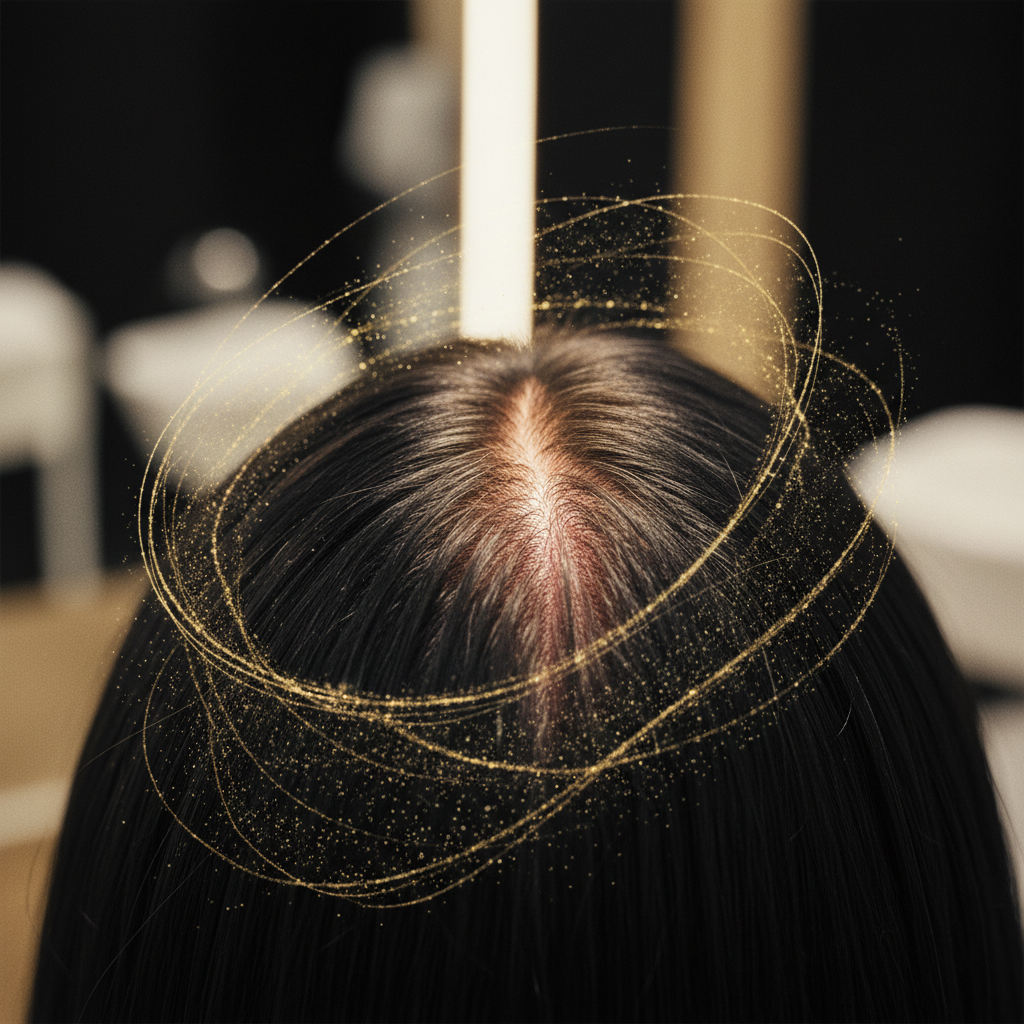
Quick answer: The relationship between Scalp Sunburn and Hair Follicle Health centres on acute ultraviolet radiation causing phototoxic tissue damage, oxidative stress, and micro-inflammation around the upper follicular unit. While an occasional mild sunburn primarily harms surface keratinocytes, severe or repetitive blistering burns can compromise the hair growth environment, triggering premature catagen transition and temporary telogen shedding 2 to 3 months later. However, cosmetic suncare and topical treatments cannot reverse established genetic hair loss or repair severe scarring from deep blistering burns.
Key takeaways
- Ultraviolet radiation (UVA and UVB) penetrates exposed scalp skin, triggering cellular DNA damage and oxidative stress around upper follicular structures.
- A severe sunburn can shock growing anagen follicles into the resting phase, causing acute telogen effluvium roughly 8 to 12 weeks after the burn occurred.
- Sunburn causes erythema, desquamation (peeling), and barrier disruption, which must be distinguished from common scalp conditions like seborrhoeic dermatitis.
- Repeated solar damage degrades the extracellular matrix around follicles, accelerating skin ageing (photoageing) and altering sebum production.
- Protection via physical barriers, UPF-rated hats, and non-greasy scalp sunscreens provides the most reliable defence against acute and chronic follicular trauma.
Scalp Sunburn and Hair Follicle Health: what the evidence shows
When we evaluate Scalp Sunburn and Hair Follicle Health, clinical dermatology shows that the scalp is highly susceptible to ultraviolet (UV) radiation, particularly along part lines, crowns, and areas of thinning hair. The scalp skin shares the same biological architecture as facial skin, but it houses thousands of active hair follicles that demand significant metabolic resources and vascular supply.
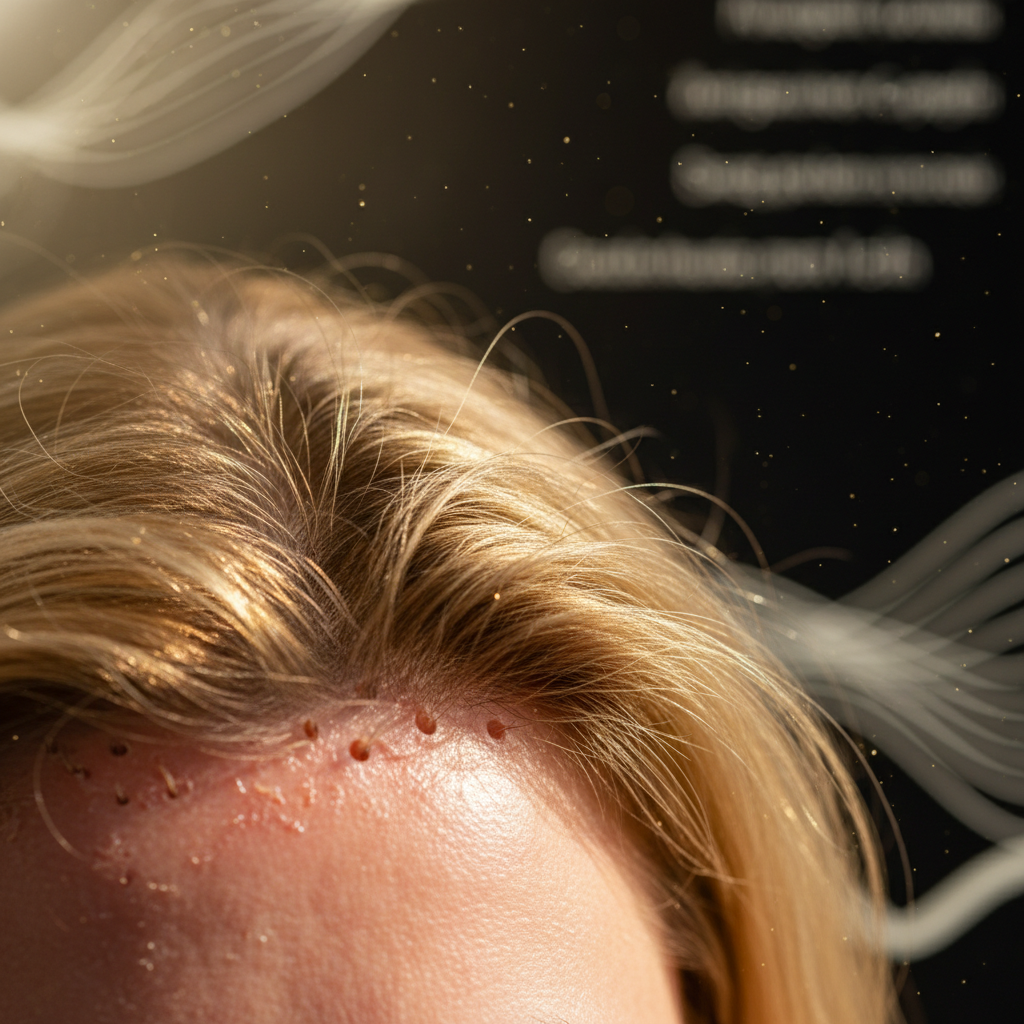
UVB radiation (wavelengths 290 to 320 nm) primarily targets the epidermis, inducing direct DNA mutations, keratinocyte apoptosis (sunburn cells), and the release of pro-inflammatory cytokines such as interleukin-1 (IL-1) and tumour necrosis factor-alpha (TNF-alpha). UVA radiation (320 to 400 nm) penetrates deeper into the dermis, generating reactive oxygen species (ROS) that attack cellular lipids, proteins, and the extracellular matrix surrounding the hair follicle bulb and dermal papilla.
Research demonstrates that this sudden influx of ROS and inflammatory mediators can infiltrate the follicular infundibulum and upper outer root sheath. When cellular stress exceeds the follicle's antioxidant capacity, it signals the follicle to abort its active growth (anagen) phase prematurely. The follicle regresses into catagen and enters telogen, resulting in widespread hair shedding several weeks after the redness and peeling have resolved.
What the evidence does not show
The biological link between solar radiation and skin health is undeniable, but common misconceptions persist regarding UV exposure and long-term hair density:
- Sunburn does not cause male or female pattern hair loss: Androgenetic alopecia is governed by genetic sensitivity to dihydrotestosterone (DHT) and follicular miniaturisation. A sunburn cannot trigger or create this genetic sensitivity.
- Sunburn rarely causes permanent scarring alopecia: Unless the burn involves severe, blistering second-degree tissue destruction that destroys the follicular stem cell niche in the bulge area, follicles generally recover.
- Hair fibre bleaching is not the same as root damage: UV rays break down melanin pigments and degrade keratin proteins along the hair shaft. This causes brittle, faded hair fibres (photodamage), but shaft damage does not equate to damage at the follicular bulb beneath the skin.
Biological mechanisms of UV damage on the scalp
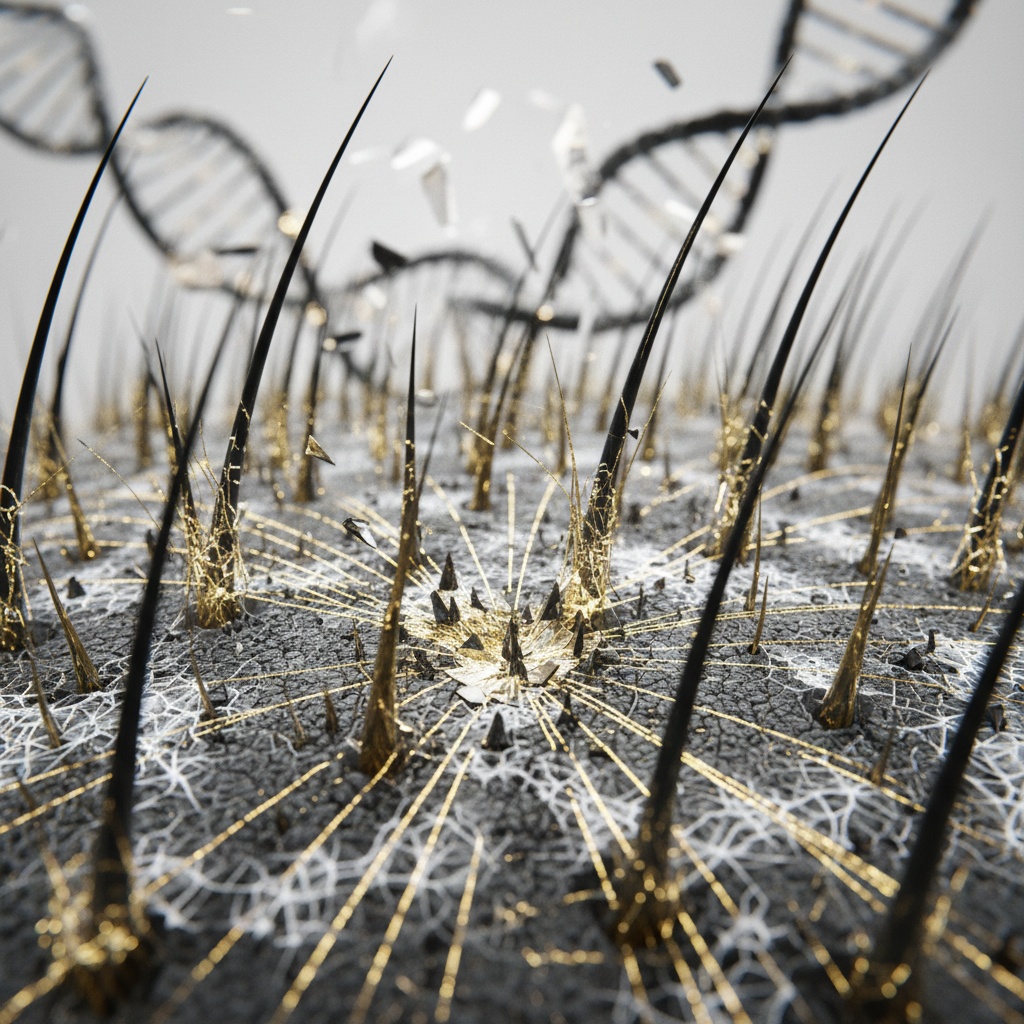
The hair follicle is one of the most metabolically active mini-organs in the human body. To understand how solar damage alters this system, we have to look at the three primary physiological mechanisms involved:
UV Radiation (UVA + UVB)
 │
 ├──> Keratinocyte DNA Damage ──> Cytokine Release (IL-1, TNF-α) ──> Perifollicular Inflammation
 │
 └──> Reactive Oxygen Species ──> Lipid Peroxidation & Bulge Stress ──> Premature Catagen Induction
1. Perifollicular inflammation
Sunburn is fundamentally an acute inflammatory cascade. As keratinocytes die from UVB exposure, they release inflammatory mediators into the surrounding tissue. This flood of prostaglandins, histamine, and cytokines dilates local capillaries (causing the classic red burn) and attracts neutrophils and lymphocytes. When this inflammation surrounds the upper follicular unit, it disrupts the sensitive signalling cross-talk between the dermal papilla and matrix cells.
2. Oxidative stress in the stem cell niche
The follicular bulge, located near the insertion of the arrector pili muscle, houses the epithelial stem cells responsible for regenerating the hair follicle during each new growth cycle. While the bulge is located roughly 1 to 1.5 mm beneath the skin surface, prolonged UVA penetration and systemic free radicals generated in the epidermis can deplete local antioxidant stores (such as glutathione and superoxide dismutase), subjecting stem cells to oxidative stress.
3. Disruption of the scalp skin barrier
Healthy hair growth requires a balanced stratum corneum with optimal hydration, an intact acid mantle (pH 4.5 to 5.5), and a diverse microbiome. Sunburn strips essential lipids, increases transepidermal water loss (TEWL), and causes extensive peeling. This compromised barrier leaves the scalp vulnerable to secondary bacterial or fungal colonisation, which can prolong inflammation and exacerbate shedding.
Identifying scalp sunburn vs other scalp conditions
Because a peeling, red scalp can mimic chronic dermatological disorders, accurate identification is critical.
| Feature | Acute Scalp Sunburn | Seborrhoeic Dermatitis | Scalp Psoriasis |
|---|---|---|---|
| Primary Cause | Acute UV radiation exposure | Malassezia yeast overgrowth and sebum imbalance | Autoimmune-mediated keratinocyte hyperproliferation |
| Onset | 4 to 24 hours post-sun exposure | Gradual, chronic, and relapsing | Gradual, persistent plaques |
| Visual Signs | Uniform erythema, blistering, fine dry peeling | Greasy, yellowish flakes with mild erythema | Thick, well-demarcated silvery-white scales |
| Sensation | Hot, tender, throbbing, stinging pain | Pruritus (itchiness), mild burning | Intense itch, tightness, soreness |
| Follicular Impact | Potential delayed shedding (telogen effluvium) | Shedding only if secondary inflammation is severe | Temporary shedding under thick plaques |
Practical steps to soothe the scalp and protect follicles
If your scalp has experienced acute sunburn, immediate care focuses on cooling the tissue, stopping free radical cascades, and preserving the epidermal barrier so follicles can maintain their normal cycle.
Immediate care (Days 1 to 4)
- Cool compresses: Apply clean cloths soaked in cool water for 10 to 15 minutes at a time to dissipate heat and constrict dilated capillaries.
- Avoid harsh detergents: Wash with cool or lukewarm water. Use exceptionally gentle, sulphate-free cleansers that do not strip remaining barrier lipids.
- Hydrate without occluding: Pure aloe vera gel or light, non-comedogenic lotions containing panthenol (provitamin B5) soothe the scalp without clogging follicular openings. Avoid heavy mineral oils, petroleum jelly, or thick ointments that trap heat.
- Hands off peeling skin: Never pull, scratch, or peel flaking skin. Forcing desquamation prematurely exposes immature epidermal layers, drastically increasing infection risk.
Intermediate recovery (Weeks 1 to 3)
- Replenish antioxidants: Incorporate topical products or rinses containing antioxidants like niacinamide, green tea extract, or vitamin E to help neutralise lingering reactive oxygen species.
- Minimise mechanical stress: Avoid tight hairstyles, vigorous towel drying, and fine-toothed combs that tug on mechanically weakened hair fibres.
- Pause chemical services: Postpone hair colouring, bleaching, chemical straightening, or perming for at least 3 to 4 weeks until the scalp epithelium has completely renewed.
Long-term prevention strategies
- Wear UPF 50+ headwear: A tightly woven hat provides total physical protection for both the hair fibre and the underlying follicular bulbs.
- Apply targeted scalp sunscreens: Modern suncare formulations include non-greasy scalp mists and mineral powders with broad-spectrum SPF 30 or higher, designed specifically not to leave hair oily.
- Shift your hair parting: Change your parting line regularly when spending time outdoors, or wear your hair in styles that do not leave wide strips of bare scalp exposed to direct overhead sunlight.
When the cause may be something else
If your scalp remains red, sore, or starts flaking weeks after sun exposure has ended, the problem may not be a simple sunburn.
Persistent erythema accompanied by scaly patches, rough sandpapery textures, or non-healing sores may indicate actinic keratosis, a precancerous condition caused by cumulative UV damage. Similarly, conditions like contact dermatitis (from a hair product or sunscreen ingredient), lichen planopilaris, or discoid lupus erythematosus can manifest with scalp redness and follicular discomfort. If the scalp shows open sores, persistent scaling, crusting, or patchy hair loss, consult a qualified GP or dermatologist promptly.
Supporting the scalp environment with Watermans
Once acute sunburn inflammation has completely subsided, maintaining an optimal scalp environment supports natural hair retention and regrowth. Watermans GrowMe Shampoo provides a sulphate-free, nutrient-rich formula designed to cleanse without stripping natural barrier lipids. Packed with biotin, rosemary extract, caffeine, niacinamide, and allantoin, it works to soothe the scalp, refresh follicular openings, and promote fuller-, thicker-looking hair as part of a balanced daily haircare routine.
Frequently asked questions about Scalp Sunburn and Hair Follicle Health
Can a sunburn on my head cause permanent baldness?
In the vast majority of cases, no. A typical first-degree or mild second-degree sunburn affects only the outer skin layers and will not destroy hair follicles. Permanent hair loss only occurs if a deep, severe burn causes full-thickness blistering and scarring that destroys the stem cells in the follicular bulge.
How long after a scalp sunburn does hair shedding start?
When UV-induced oxidative stress shocks follicles, they enter the telogen (resting) phase early. This condition, known as telogen effluvium, typically manifests as increased diffuse hair shedding roughly 8 to 12 weeks after the initial sunburn incident occurred.
Does Scalp Sunburn and Hair Follicle Health impact hair texture?
Yes, acute sunburn indirectly impacts hair texture by disturbing the follicular opening and stripping the lipid barrier, while UV rays directly degrade hair shaft proteins. The resulting new hair growth may emerge feeling temporarily drier or rougher until the scalp's moisture balance is fully restored.
Can I apply regular sunscreen to my scalp?
You can use standard lotion sunscreens on an exposed scalp, but they often leave hair greasy, clumpy, and difficult to wash out. Broad-spectrum SPF 30 to 50 scalp mists, light fluids, or mineral powder sunscreens are formulated specifically for hair-bearing skin and are much easier to use consistently.
When should I see a doctor for a sunburned scalp?
Seek medical attention if you experience severe blistering, facial swelling, dizziness, chills, fever, or signs of secondary infection such as pus, increasing warmth, or severe throbbing pain. You should also consult a doctor if scalp redness and scaly patches do not resolve after two weeks.
Protecting your scalp and follicles
Understanding Scalp Sunburn and Hair Follicle Health highlights how vital sun protection is beyond basic skin aesthetics. The scalp is living skin, and its hair follicles rely on a stable, uninflamed environment to sustain the active growth cycle. By respecting the sun's capacity for cellular disruption, adopting daily protective habits like wearing hats or applying non-greasy SPF, and treating burns promptly with gentle hydration, you preserve both the barrier integrity of your scalp and the long-term vitality of your hair.
Sources and references
- British Association of Dermatologists. Photodamage and Sun Protection Guidelines. 2021.
- Trüeb, R. M. The impact of oxidative stress on hair. International Journal of Cosmetic Science, 2015. DOI: 10.1111/ics.12286.
- National Health Service (NHS). Sunburn: Treatment, Symptoms and Prevention. 2022.
- Piérard-Franchimont, C., et al. Sunlight and the hair follicle. Dermatology, 2004. DOI: 10.1159/000076442.
- American Academy of Dermatology. How to Treat Sunburn. 2023.
Find these ingredients in Watermans products
- Vitamin E: you will find this ingredient in our Hair Vitamins.
- Niacinamide: you will find this ingredient in our Hair Mask.
- Panthenol (Provitamin B5): you will find this ingredient in our Heat Protection Spray.
- Aloe Vera: you will find this ingredient in our Curly Hair Conditioner.