Scalp Inflammation Management: Evidence-Based Care for a Healthy Scalp
8 min read ·
Learn effective scalp inflammation management strategies to calm redness, itching, and flaking, protect hair follicles, and restore healthy skin balance.
Quick answer: Scalp Inflammation Management requires identifying underlying drivers such as seborrhoeic dermatitis, contact allergy, or follicular micro-inflammation, and calming the tissue before follicular health suffers. Successful management combines gentle, pH-balanced cleansing, targeted antimicrobials, and anti-inflammatory topicals with reduced mechanical tension. However, cosmetic interventions cannot resolve autoimmune or scarring alopecias. Persistent erythema, intense burning, pustules, or patchy hair shedding require clinical diagnosis and prescription intervention by a GP or dermatologist to prevent permanent follicular damage.
Key takeaways
- Scalp inflammation disrupts the hair growth cycle, pushing active anagen follicles prematurely into catagen and telogen shedding phases.
- Common triggers include Malassezia yeast overgrowth, contact dermatitis from harsh surfactants or fragrances, sebum oxidation, and tight styling.
- Maintaining an acidic scalp pH between 4.5 and 5.5 helps preserve the epidermal barrier and suppresses pathogenic microbial colonisation.
- Anti-inflammatory botanicals like rosemary, niacinamide, and piroctone olamine calm low-grade irritation, but severe conditions demand medical intervention.
- Chronic, untreated follicular inflammation can progress to scarring (cicatricial) alopecia, making early diagnosis critical.
Scalp Inflammation Management: what the evidence shows
Effective Scalp Inflammation Management centres on restoring the epidermal barrier and regulating the micro-environment around the hair follicle. The scalp features a high density of sebaceous glands and terminal hair follicles, creating a warm, lipid-rich habitat. When this barrier is compromised by harsh chemical treatments, physical trauma, or microbial dysbiosis, pro-inflammatory cytokines such as interleukin-1 alpha (IL-1α) and tumour necrosis factor-alpha (TNF-α) flood the surrounding tissue.
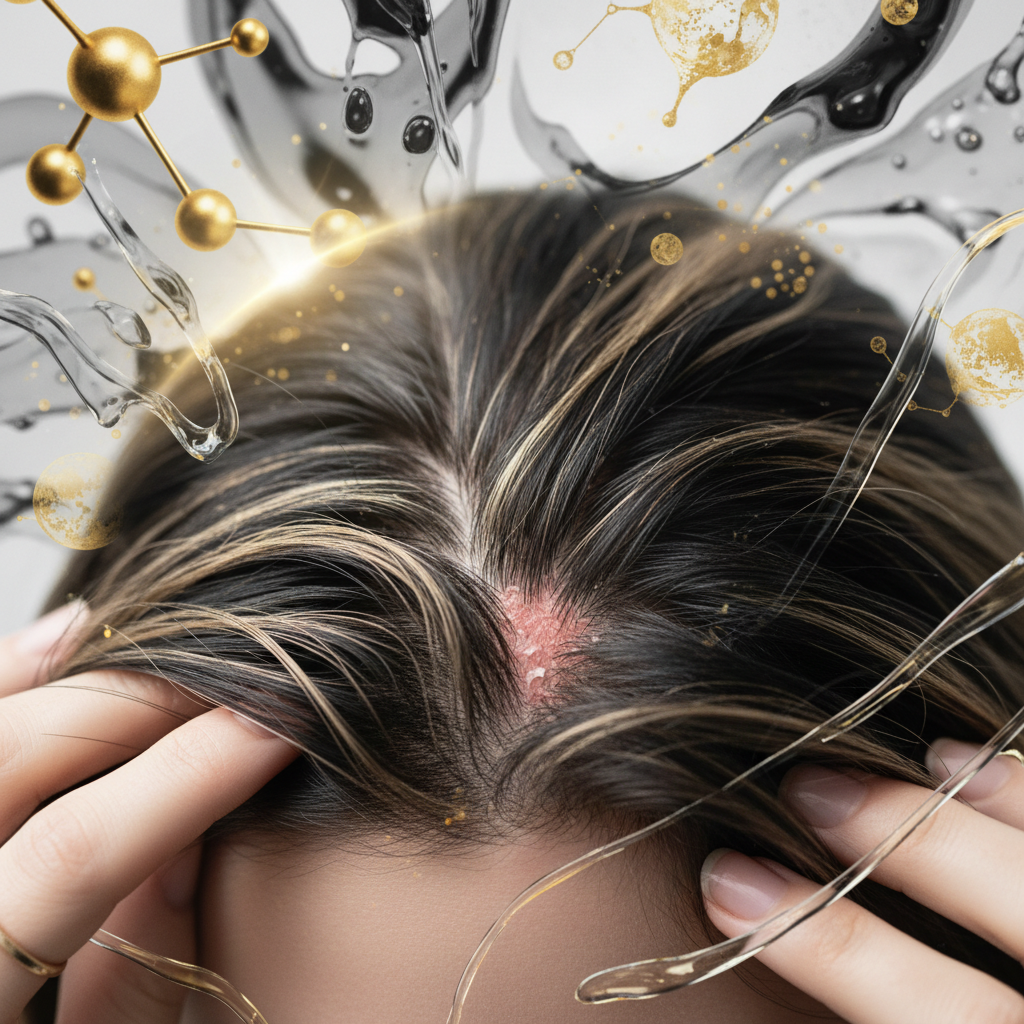
Clinical research demonstrates that micro-inflammation around the follicular infundibulum accelerates hair shedding. In conditions such as androgenetic alopecia and chronic telogen effluvium, histopathological biopsies frequently reveal perifollicular lymphocytic infiltrates. Over time, persistent low-grade inflammation causes oxidative stress, stiffens perifollicular collagen, and restricts local microcirculation. Scalp Inflammation Management aims to halt this cascade, reducing tissue swelling and supporting the normal cellular turnover of keratinocytes.
Evidence shows that management strategies must be tailored to the specific inflammatory pathway. For microbial flaking, targeted antifungal agents reduce the antigenic load. For barrier damage, lipid replenishment and physiological pH cleansers restore moisture retention and calm sensory nerve endings.
The biological mechanisms behind scalp irritation
Understanding the biology of scalp inflammation helps pinpoint why generic hair washing routines often fail.
- Microbial Dysbiosis and Sebum Breakdown: The lipophilic yeast Malassezia restricta and Malassezia globosa feed on triglycerides within human sebum. They secrete lipase enzymes that cleave triglycerides into free fatty acids, specifically oleic acid and arachidonic acid. In susceptible individuals, these unsaturated fatty acids penetrate the stratum corneum, provoking hyperkeratosis, itching, and visible scaling.
- Contact Dermatitis and Barrier Disruption: Frequent use of high-pH alkaline shampoos (above pH 6.5) strips essential ceramides and fatty acids from the scalp's protective acid mantle. This elevated pH swells the hair cuticle and compromises the stratum corneum. Penetrating allergens, including synthetic fragrances, preservatives (such as methylisothiazolinone), and paraphenylenediamine (PPD) in hair dyes, trigger cell-mediated immune responses.
- Mechanical and Traction Stress: Physical tension from tight braids, extensions, or vigorous brushing causes microscopic tears at the follicular anchor. This mechanical strain recruits mast cells, releasing histamine and prostaglandins that create tenderness, localized swelling, and perifollicular erythema.
Identifying the signs: symptoms to monitor
Inflammation manifests in varied ways depending on whether it affects the superficial epidermis or penetrates deep into the follicle. Look for the following presentations:
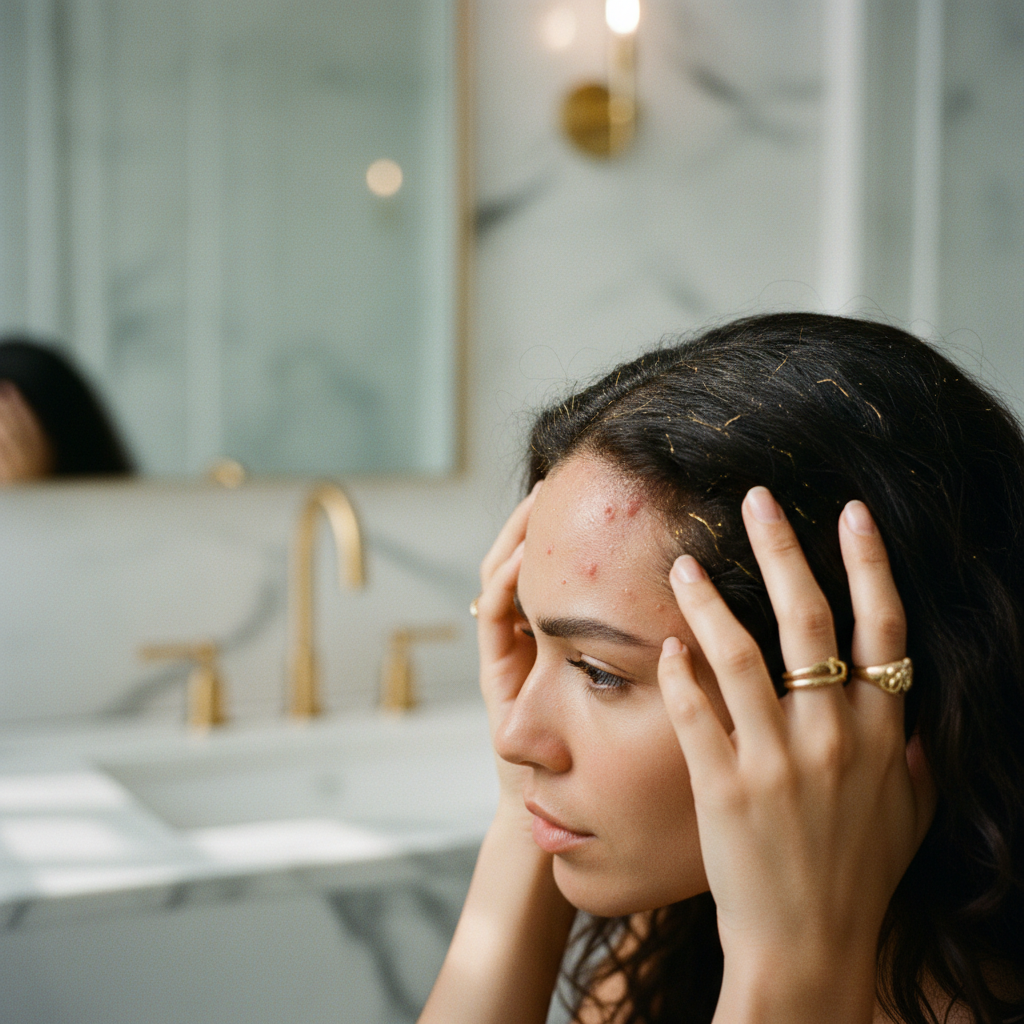
- Erythema: Diffuse redness across the crown or concentrated rings around individual hair pores (perifollicular erythema).
- Pruritus and Trichodynia: Persistent itching, burning sensations, or outright soreness when moving the hair fibres.
- Flaking and Scaling: Fine, dry white flakes indicative of barrier dehydration, or thick, greasy, yellowish plaques adhering to the scalp surface.
- Pustules and Papules: Small, tender bumps or sterile pustules centred on follicles, characteristic of folliculitis.
- Increased Hair Shedding: Higher counts of telogen club hairs falling during washing or brushing due to inflammatory disruption of the hair matrix.
| Condition | Primary Causes | Typical Scalp Symptoms | First-Line Management |
|---|---|---|---|
| Seborrhoeic Dermatitis | Malassezia proliferation, elevated sebum secretion | Greasy yellowish scales, patchy redness, moderate to severe itching | Ketoconazole, zinc pyrithione, piroctone olamine, salicylic acid |
| Contact Dermatitis | Fragrances, harsh sulphates, chemical dyes, preservatives | Acute stinging, bright red erythema, blistering or dry peeling | Allergen elimination, cool compresses, mild topical corticosteroids |
| Folliculitis | Staphylococcus aureus, occlusion, friction | Tender red bumps, follicular pustules, localised soreness | Antibacterial washes, avoiding occlusive oils, medical topicals |
| Psoriasis | Autoimmune hyperproliferation of keratinocytes | Thick, silvery-white plaques, sharply demarcated red borders | Coal tar, topical vitamin D analogues, prescription keratolytic agents |
| Scalp Dehydration | Alkaline cleansers, dry weather, over-washing | Fine powdery flakes, tightness, mild intermittent itch | pH 4.5 to 5.5 shampoos, humectants (glycerin, panthenol, aloe) |
Practical steps for daily management
Managing mild to moderate scalp irritation involves systematic adjustments to hygiene, formulations, and mechanical care:
- Cleanse at physiological pH: Use shampoos buffered to a pH between 4.5 and 5.5. An acidic environment neutralises enzymatic degradation, keeps the cutaneous microflora balanced, and prevents cuticle swelling.
- Incorporate evidence-backed actives: Topicals containing piroctone olamine or tea tree oil reduce fungal burdens gently. Calming ingredients like niacinamide, allantoin, and panthenol help restore barrier integrity and downregulate inflammatory signalling.
- Adjust washing frequency: Allowing sebum to accumulate for days provides abundant fuel for yeasts, whereas daily stripping with aggressive surfactants impairs moisture retention. Wash every 1 to 2 days if prone to greasiness, or every 3 days for drier textures, using lukewarm rather than hot water.
- Minimise mechanical irritation: Avoid firm scratching with fingernails, which creates micro-abrasions and secondary bacterial infection. Use wide-tooth combs and loose hairstyles to avoid traction tension on the follicles.
- Limit heavy, occlusive oils: Applying pure mineral oil, coconut oil, or unrefined shea butter directly to an inflamed, flaky scalp often worsens seborrhoeic conditions by feeding lipophilic yeasts and trapping desquamated cells.
Watermans: supportive cosmetic care for irritated scalps
Cosmetic hair products cannot cure clinical scalp diseases, but maintaining a calm, well-cleansed follicular environment is central to general Scalp Inflammation Management. Watermans GrowMe Shampoo is formulated with a gentle, sulphate-free cleansing base that lifts accumulated sebum without stripping the delicate acid mantle. Enriched with botanical extracts including rosemary, niacinamide, and biotin, it supports clean microcirculation and leaves the scalp feeling refreshed, balanced, and soothed. Pairing it with a lightweight, non-greasy topical regime helps keep hair fibres resilient against everyday breakage while maintaining clean, comfortable roots.
When the cause is something else: clinical red flags
Not all scalp irritation is benign or manageable through cosmetic routine changes. Certain dermatological emergencies require prompt clinical attention:
- Cicatricial (Scarring) Alopecias: Conditions like Lichen Planopilaris (LPP) and Frontal Fibrosing Alopecia (FFA) attack the stem cell reservoir in the follicular bulge. Signs include loss of follicular openings (the skin looks smooth and shiny), violaceous perifollicular erythema, and permanent hair loss.
- Bacterial Cellulitis: Rapidly spreading redness, intense heat, facial swelling, and fever indicate a spreading bacterial infection requiring immediate oral antibiotics.
- Tinea Capitis: Fungal ringworm infections, more common in children, cause broken "black dot" hairs, swollen lymph nodes, and sometimes boggy, inflammatory masses (kerions). Antifungal shampoos cannot cure this; systemic oral antifungals are required.
If you experience sudden hair loss in defined patches, skin ulceration, persistent pain that wakes you at night, or no improvement after 3 to 4 weeks of targeted over-the-counter care, consult a GP or trichologist.
Frequently asked questions about Scalp Inflammation Management
Can poor scalp inflammation management cause permanent baldness?
Yes, if the inflammation is driven by a scarring alopecia or severe, chronic infection left untreated. Prolonged deep inflammation can destroy the follicular stem cells in the bulge region. Once fibrotic scar tissue replaces the follicle, hair cannot regrow. In non-scarring conditions like seborrhoeic dermatitis, hair loss is typically temporary shedding (telogen effluvium) that recovers once inflammation resolves.
How often should you wash your hair during Scalp Inflammation Management?
Most dermatologists recommend washing every 1 to 2 days when actively managing scalp inflammation. Regular cleansing removes oxidised sebum, micro-organisms, and dead keratinocytes that sustain irritation. Use lukewarm water and gentle, sulphate-free, pH-balanced formulas to cleanse thoroughly without triggering rebound dryness.
Can natural oils like coconut or olive oil relieve scalp inflammation?
Pure plant oils should be used cautiously. While they moisturise dry skin, heavy vegetable oils containing high levels of oleic acid can worsen seborrhoeic dermatitis by providing a direct food source for Malassezia yeasts. Lightweight anti-inflammatory extracts formulated in water-based or fast-absorbing serums are generally safer for irritated scalps.
How does stress trigger or worsen scalp inflammation?
Psychological stress stimulates the hypothalamic-pituitary-adrenal (HPA) axis, releasing cortisol, substance P, and other neuro-mediators directly into the skin. Substance P triggers mast cell degranulation, which releases histamine and pro-inflammatory cytokines around the hair follicle. This neurogenic inflammation exacerbates conditions like psoriasis, eczema, and telogen effluvium.
Effective scalp recovery and maintenance
Consistent Scalp Inflammation Management depends on identifying whether your symptoms stem from barrier disruption, microbial overgrowth, or mechanical strain. Prioritise pH-balanced hygiene, eliminate known contact sensitizers, and avoid occlusive, heavy treatments on irritated skin. By addressing micro-inflammation early with calm, targeted care, you protect follicular longevity, reduce excess shedding, and cultivate the optimal conditions for strong hair growth.
Sources and references
- British Association of Dermatologists. Clinical Guidelines for the Management of Alopecia and Scalp Dermatoses. 2021.
- National Institute for Health and Care Excellence (NICE). Seborrhoeic Dermatitis: Management in Primary Care. 2022.
- Trüeb, R. M. "Microinflammation and Hair Loss." Dermatology, 2020.
- Borda, L. J., & Wikramanayake, T. C. "Seborrheic Dermatitis and Dandruff: A Comprehensive Review." Journal of Clinical and Investigative Dermatology, 2015.
- Gaitanis, G., et al. "The Malassezia Genus in Skin and Systemic Diseases." Clinical Microbiology Reviews, 2012.
Find these ingredients in Watermans products
- Zinc: you will find this ingredient in our Hair Vitamins.
- Oleic Acid: you will find this ingredient in our Camellia & Black Castor Hair & Body Oil.
- Niacinamide: you will find this ingredient in our Hair Mask.
- Panthenol (Provitamin B5): you will find this ingredient in our Heat Protection Spray.
- Shea Butter: you will find this ingredient in our Curly Hair Conditioner.