Scalp Health and Hygiene: An Evidence-Based Guide
8 min read ·
Explore the science of Scalp Health and Hygiene. Understand the scalp microbiome, pH balance, sebum oxidation, and evidence-based cleansing routines for healthier hair.
Quick answer: Optimal Scalp Health and Hygiene requires balancing sebum production, regulating the cutaneous microbiome, and maintaining a skin barrier pH between 4.5 and 5.5 through regular cleansing. When cleansing is neglected or products disrupt this microenvironment, dead corneocytes, environmental dirt, and sebum accumulate, driving micro-inflammation and flaking conditions like seborrhoeic dermatitis. However, topically managing hygiene supports the environment for follicular growth, but cannot reverse systemic, genetic, or autoimmune forms of hair loss such as androgenetic alopecia.
Key takeaways
- Scalp skin has a higher follicular density, higher sebum output, and higher sweat gland concentration than the rest of the body.
- The scalp microbiome is dominated by Malassezia yeasts, Cutibacterium acnes, and Staphylococcus epidermidis, which thrive on lipid balance.
- Infrequent washing allows sebum to oxidise, producing squalene peroxides and free fatty acids that irritate the epidermal barrier.
- Over-washing with alkaline surfactants (pH above 6.0) strips defensive lipids and causes trans-epidermal water loss.
- Good hygiene maintains an optimal platform for fibre synthesis, but cosmetic washing does not cure internal hormonal or medical hair loss.
Scalp Health and Hygiene: what the evidence shows
Research into dermatological science shows that scalp health directly affects the quality and cuticle cohesion of developing hair fibres. The scalp is a unique anatomical zone comprising roughly 100,000 hair follicles, each accompanied by an active sebaceous gland. These glands continuously produce sebum, a complex mixture of triglycerides, wax esters, squalene, and cholesterol.
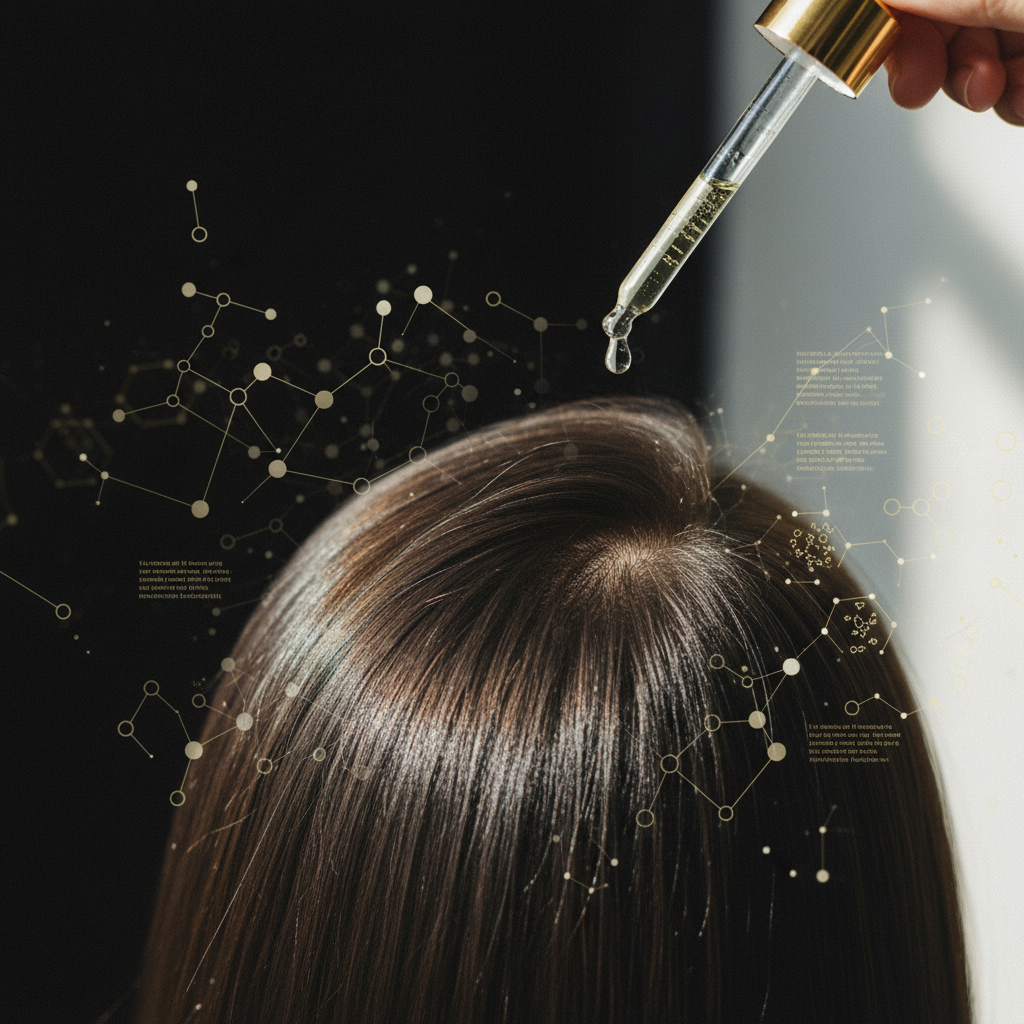
Maintaining Scalp Health and Hygiene involves managing this lipid coating before it breaks down. Commensal fungi, particularly Malassezia restricta and Malassezia globosa, secrete lipases that consume scalp triglycerides, releasing free fatty acids like oleic acid. In individuals sensitive to these by-products, the skin responds with hyperkeratinisation, itching, and inflammation. Clinical studies in journals like the International Journal of Trichology and the British Journal of Dermatology demonstrate that reducing surface lipids and fungal load with structured hygiene protocols halts this sub-clinical inflammation, leading to smoother cuticle formation as hair emerges from the infundibulum.
+--------------------------+------------------------------+------------------------------+
| Factor | Balanced Scalp Hygiene | Disrupted Scalp Environment |
+--------------------------+------------------------------+------------------------------+
| Surface pH | 4.5 to 5.5 (Acid Mantle) | > 6.5 (Alkaline shift) |
| Sebum Breakdown | Normal lipid turnover | High oxidised free fatty |
| | | acids and squalene peroxide |
| Microbiome State | Stable equilibrium of | Overgrowth of Malassezia |
| | Cutibacterium & Malassezia | or pathogenic Staph species |
| Epidermal Barrier | Intact stratum corneum with | Compromised barrier, high |
| | low trans-epidermal loss | trans-epidermal water loss |
| Follicular Environment | Clean ostia; uninhibited | Plugged ostia; local oxidative|
| | fibre emergence | stress at the infundibulum |
+--------------------------+------------------------------+------------------------------+
What the evidence does not show
There is no credible scientific evidence that infrequent washing "trains" the sebaceous glands to produce less oil. Sebum output is primarily regulated by internal hormones, particularly androgens like dihydrotestosterone (DHT), acting on intracellular androgen receptors within the sebaceous cells. Skipping washes merely leaves sebum on the skin surface to oxidise and degrade.
Furthermore, proper cleansing routines do not reverse pattern hair loss (androgenetic alopecia) or autoimmune conditions like alopecia areata. Poor hygiene can exacerbate hair shedding via telogen effluvium if severe, crusting dermatitis triggers inflammatory cascades around the follicle. However, treating the hygiene deficit only resolves the secondary shedding, not an underlying genetic sensitivity. Cosmetic shampoos and scalp rinses should never be marketed as medical treatments for follicular miniaturisation.
The biological mechanisms of scalp irritation
The scalp's stratum corneum forms a brick-and-mortar barrier where corneocytes (the bricks) sit embedded in a matrix of ceramides, cholesterol, and free fatty acids (the mortar). When this system fails, irritation follows a predictable biological route:
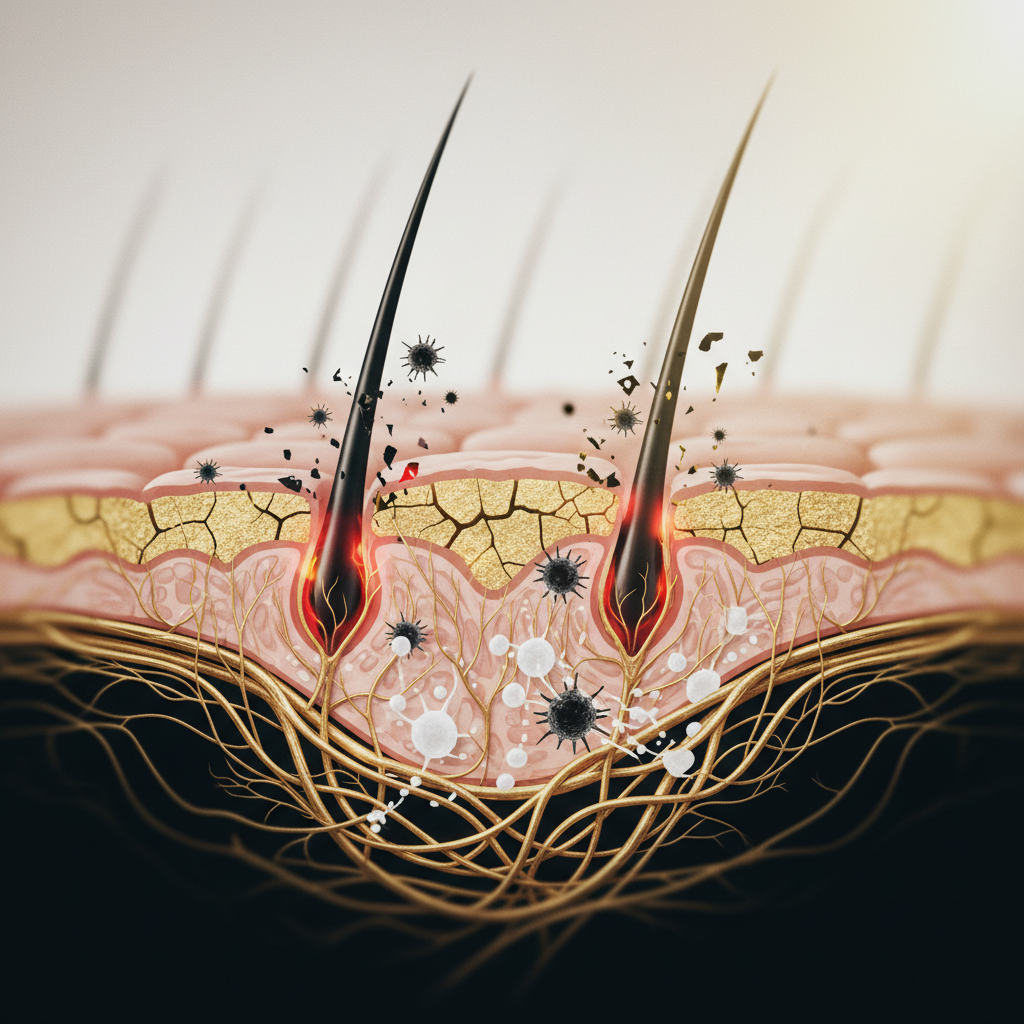
- Lipid peroxidation: Sebum left exposed to UV light and air undergoes oxidation. Squalene rapidly turns into squalene peroxide, a potent inflammatory agent that damages cellular membranes.
- Microbial lipolysis: Commensal Malassezia yeasts hydrolyse sebum lipids to acquire nutritional saturated fatty acids, leaving behind unsaturated fatty acids (such as oleic and arachidonic acid).
- Barrier compromise: These unsaturated fatty acids penetrate the stratum corneum, disrupting the lipid lamellae. This increases trans-epidermal water loss (TEWL) and causes parakeratosis (incomplete maturation of epidermal cells).
- Inflammatory cytokine release: Keratinocytes react by releasing pro-inflammatory cytokines, specifically interleukin-1 alpha (IL-1α) and interleukin-8 (IL-8). These signals cause erythema (redness), epidermal hyper-proliferation, and pruritus (itching).
- Hair fibre impact: As the hair shaft is synthesized within the follicle, oxidative stress and mechanical itching damage the soft pre-keratinised cells, resulting in a newly emerged hair shaft with altered cuticle integrity and higher susceptibility to breakage.
Signs of poor scalp hygiene versus medical conditions
Identifying the state of the scalp determines whether the solution involves simple cleansing adjustments or clinical intervention.
- Normal, balanced scalp: The surface appears pale pink or flesh-toned, free of visible flakes, without persistent itching, soreness, or noticeable odour.
- Under-cleansed scalp: Presents with oily residue, a sour or rancid lipid smell, clustered yellowish flakes, follicular plugging, and mild itch that resolves rapidly upon washing.
- Over-cleansed scalp: Feels tight, dry, and irritated immediately after bathing, displaying fine, powdery white flakes, sensitive red patches, and brittle hair near the root.
- Seborrhoeic dermatitis: A chronic inflammatory disease characterized by prominent, greasy, thick yellow plaques adhered to erythematous patches, accompanied by intense itch and often spreading to the eyebrows, nasolabial folds, and behind the ears.
- Scalp psoriasis: Sharply demarcated, raised, silvery-white plaques with underlying thick scaling that can bleed when lifted (Auspitz sign), often extending beyond the hairline.
What you can do: building an evidence-based hygiene routine
A successful scalp care protocol balances the removal of environmental debris and lipid build-up with the preservation of barrier lipids.
Establish a wash frequency matched to your biology
Wash frequency depends on your endogenous sebum production, climate, and daily activity. Individuals with straight, fine hair and high sebum production usually benefit from daily or alternate-day cleansing to prevent lipid oxidation. Individuals with tight curl patterns or lower sebum production may wash once every 5 to 7 days, using targeted water-based cleansing or co-washes between times to flush dust without drying the fibre.
Use pH-balanced surfactants
Human scalp skin rests at a slightly acidic pH, typically 4.5 to 5.5. Cleansing agents with an alkaline pH (such as traditional lye soaps at pH 9.0 to 10.0) swell the hair cuticle and raise the skin pH, impairing the enzymatic processes required for stratum corneum desquamation and encouraging bacterial dysbiosis. Opt for shampoos formulated between pH 4.5 and 5.5 containing gentle anionic or amphoteric surfactants.
Cleanse the skin, condition the lengths
Direct shampoo application to the scalp skin rather than lathering the lengths of the hair. Use the pads of your fingers, not your nails, to create gentle mechanical friction. This mechanical action dislodges keratinised flakes and loosened sebum without micro-abrading the epidermis. Conditioners, which contain cationic surfactants and emollients designed to flatten the cuticle, belong on the mid-lengths and ends; applying heavy conditioning agents straight to the scalp can leave residue and feed local microbes.
Mind thermal and mechanical stress
Rinse with lukewarm water, as hot water (above 40°C) accelerates skin barrier lipid removal, triggering reactive erythema and dryness. Ensure the scalp dries thoroughly after washing. Leaving hair damp for prolonged periods in warm environments creates a microclimate that fosters yeast proliferation.
Supporting the scalp with gentle formulations
When selecting supportive products, focus on formulations designed to clean without stripping essential barrier components. The Watermans range, including products like Grow Me Shampoo, integrates mild surfactants alongside nourishing botanicals such as rosemary extract, biotin, and allantoin. These formulations aim to cleanse away excess sebum, environmental pollution, and residual styling polymers while supporting an optimal environment for normal hair growth. Incorporating a balanced, non-irritating topical cleanser helps maintain surface comfort, allowing the hair fibre to emerge unhindered by dense, oxidised debris.
When to seek professional advice
Adjusting your hygiene routine will resolve superficial flaking and mild product build-up within two to three weeks. If your scalp displays thick, crusting plaques, burning pain, swelling, oozing, or localized patches of complete hair loss where follicles are no longer visible, consult a GP, dermatologist, or qualified trichologist. These signs indicate distinct medical dermatoses, bacterial folliculitis, or scarring (cicatricial) alopecias that require prescription anti-fungals, topical corticosteroids, or systemic medical therapies rather than over-the-counter hygiene changes.
Frequently asked questions about Scalp Health and Hygiene
Does poor Scalp Health and Hygiene cause permanent baldness?
Poor hygiene does not cause permanent, scarring baldness or genetic male and female pattern hair loss. However, extreme neglect can trigger severe seborrhoeic dermatitis, leading to chronic scratching, secondary bacterial infections, and temporary diffuse hair shedding (telogen effluvium). Once the underlying inflammation and skin barrier are resolved through correct hygiene and medical intervention, normal shedding rates return.
Can using dry shampoo replace wet washing?
No. Dry shampoos consist of starches, clays, or silica that absorb free oil on the hair shaft, masking grease cosmetically. They do not remove dead skin cells, environmental dirt, or fungal metabolites from the scalp surface. Over-reliance on dry shampoo without routine wet cleansing leads to follicular occlusion, microbial imbalance, and subsequent contact dermatitis.
How do I know if my scalp flakes are dry skin or dandruff?
Dry scalp flakes are typically small, white, dry, and scatter easily from the hair, accompanied by a feeling of general skin tightness across the body. Dandruff (pityriasis capitis) is driven by Malassezia activity and lipid breakdown; its flakes are larger, slightly oily, yellowish, and tend to stick together on the scalp surface and around hair shafts, usually accompanied by persistent itch.
Is daily shampooing bad for your scalp barrier?
Daily washing is not inherently damaging if you use a mild, pH-balanced (4.5 to 5.5) shampoo and your oil production warrants it. If you have an active lifestyle, high natural sebum output, or live in a humid or heavily polluted environment, daily gentle cleansing prevents sebum build-up and keeps yeast levels stable. However, if your scalp feels dry or tight, washing every 2 to 3 days may be better suited to your biology.
Managing your scalp for long-term health
Taking a biological approach to Scalp Health and Hygiene requires recognising that the scalp is living, metabolically active skin. It shares the same basic physiological needs as the skin on your face, yet it faces unique challenges due to dense hair cover and heavy sebum production. By choosing pH-balanced cleansers, avoiding product build-up, and washing at a frequency that matches your physiological output, you create the best possible conditions for hair to grow uncompromised.
Sources and references
- British Journal of Dermatology: "The role of Malassezia in scalp dermatoses and the cutaneous microbiome," 2018.
- International Journal of Trichology: "Shampoo and Conditioners: What a Dermatologist Should Know?" 2015.
- Journal of Investigative Dermatology: "Scalp condition impacts hair growth and retention via oxidative stress," 2018.
- NHS: "Dandruff and Seborrhoeic Dermatitis: Overview and Management," 2022.
- American Academy of Dermatology: "Scalp Care and Washing Protocols for Healthy Hair," 2021.
Find these ingredients in Watermans products
- Oleic Acid: you will find this ingredient in our Camellia & Black Castor Hair & Body Oil.