Scalp Health Basics: Understanding Your Hair's Foundation
9 min read ·
Understanding Scalp Health Basics is crucial because a healthy scalp provides the optimal environment for hair growth and overall hair vitality, preventing issues like dryness, irritation, and breakage.
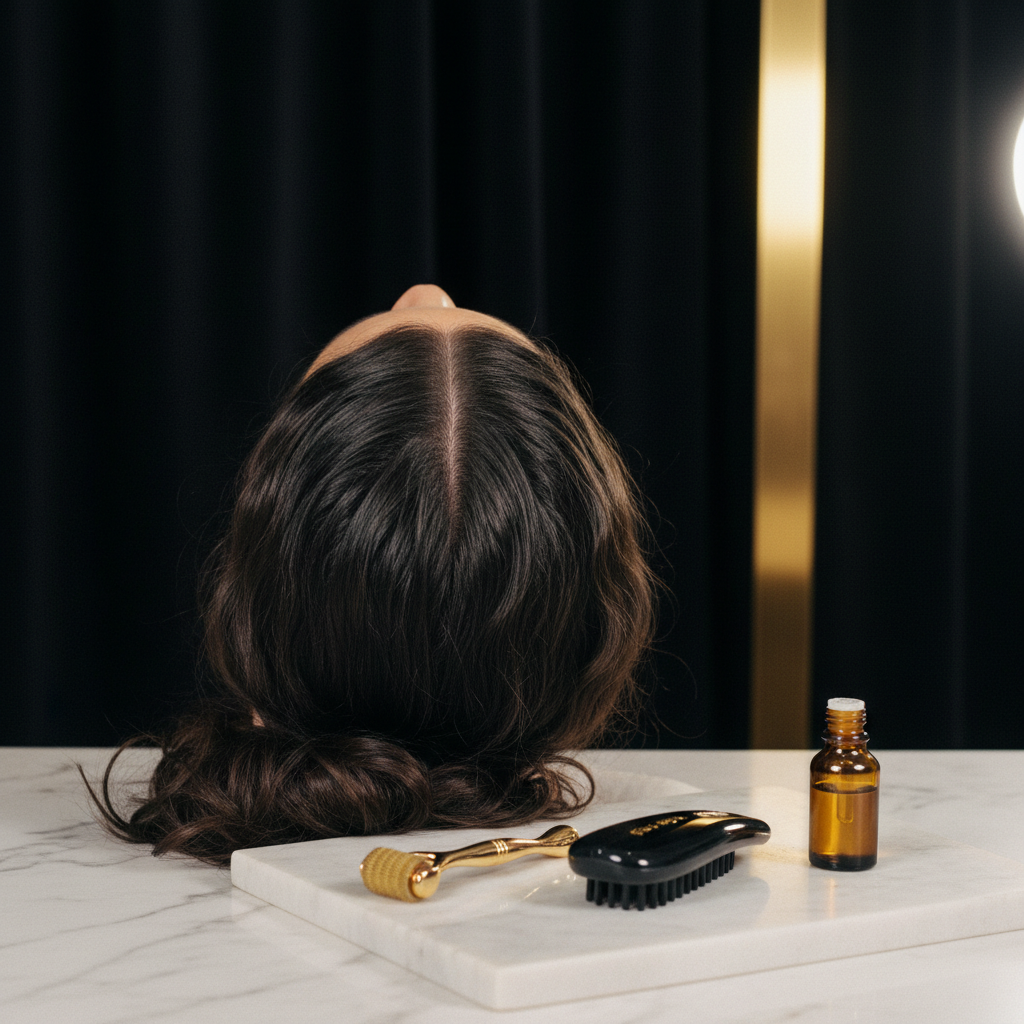
Quick answer: Scalp Health Basics refers to the practices and conditions necessary to maintain a healthy scalp environment, which is fundamental for healthy hair growth and appearance. It involves managing the scalp's pH, moisture levels, and microbiome to prevent issues like dryness, oiliness, irritation, and flaking. However, many claims about specific products or treatments for "Scalp Health Basics" lack robust scientific evidence and should be approached with caution.
Key takeaways
- A healthy scalp is the foundation for healthy hair, providing essential support and nutrients to the hair follicles.
- Key elements of scalp health include a balanced microbiome, appropriate sebum production, and an intact skin barrier.
- Common scalp concerns like dandruff, seborrhoeic dermatitis, and dry scalp often stem from an imbalance in these factors.
- Maintaining good hygiene, using gentle products, and protecting the scalp from environmental stressors are fundamental to Scalp Health Basics.
- If scalp issues persist or are severe, seeking advice from a dermatologist is recommended for accurate diagnosis and treatment.
Scalp Health Basics: what the evidence shows
Scalp Health Basics revolve around understanding the skin that covers your head, which is a complex ecosystem. This skin is thicker than elsewhere on the body and hosts a dense population of hair follicles, sebaceous (oil) glands, and a unique microbiome of bacteria and fungi. A balanced scalp environment is crucial because it directly impacts the hair growing from it. Evidence shows that disturbances in this environment can lead to various scalp conditions and affect hair quality and appearance.
The scalp acts as a protective barrier, shielding against physical injury, microbial invasion, and environmental aggressors like UV radiation. Its sebaceous glands produce sebum, a natural oil composed of triglycerides, wax esters, squalene, and free fatty acids. Sebum lubricates the hair shaft, helps maintain the skin barrier, and contributes to the scalp's slightly acidic pH (around 4.5 to 5.5). This acidity, known as the "acid mantle", is vital for inhibiting the growth of pathogenic microbes and supporting beneficial ones.
The scalp microbiome
Like the gut, the scalp has its own microbiome, a community of microorganisms including bacteria and fungi, predominantly Malassezia species. In a healthy scalp, these organisms coexist without causing issues. However, an imbalance (dysbiosis) can lead to problems. For example, an overgrowth of Malassezia globosa is strongly linked to dandruff and seborrhoeic dermatitis. Research indicates that the composition of the scalp microbiome can be influenced by factors such as age, gender, geographic location, and hair care practices.
The scalp barrier function
The outermost layer of the scalp, the stratum corneum, forms a vital physical barrier. It prevents water loss from the skin (transepidermal water loss, TEWL) and protects against irritants and allergens. When this barrier is compromised, the scalp can become dry, itchy, or inflamed. Factors like harsh cleansing agents, excessive washing, and environmental conditions can disrupt this barrier.
Signs of an unhealthy scalp
Identifying signs of an unhealthy scalp early can help prevent more significant issues. These signs often point to an imbalance in the scalp's natural functions:
- Itching (Pruritus): This is one of the most common symptoms and can range from mild to severe. Itching is often associated with dryness, inflammation, or the presence of dandruff.
- Flaking: The shedding of dead skin cells is normal, but excessive or visible flakes (dandruff) indicate an accelerated cell turnover or fungal overgrowth.
- Redness or Inflammation: Patches of red, irritated skin can signal conditions like seborrhoeic dermatitis, psoriasis, or allergic reactions.
- Excessive Oiliness (Seborrhoea): Overactive sebaceous glands can lead to a greasy scalp, making hair feel heavy and appear dull. This can also contribute to Malassezia overgrowth.
- Dryness: A tight-feeling scalp, sometimes with fine, powdery flakes, suggests a lack of moisture or an impaired skin barrier.
- Tenderness or Sensitivity: Pain or discomfort when touching the scalp can indicate inflammation or sensitivity to products.
- Scalp Odour: An unusual or persistent odour can result from bacterial or fungal overgrowth, especially when combined with excess sebum.
- Hair Shedding (Telogen Effluvium): While distinct from hair loss, excessive hair shedding can sometimes be linked to significant scalp inflammation or stress, though it's often systemic. Seek professional advice if shedding is persistent.
What you can do to support Scalp Health Basics
Adopting a consistent and gentle hair care routine is key to maintaining Scalp Health Basics. The goal is to support the scalp's natural barrier and microbiome without stripping it of beneficial elements.
- Gentle Cleansing: Wash your hair regularly with a mild shampoo suited for your scalp type. Frequent washing can remove excess sebum and product build-up, but harsh shampoos can strip natural oils and disrupt the acid mantle. Look for sulfate-free options if you have a sensitive scalp. (See also: Sulfate-Free Shampoo Benefits, The Benefits of Sulfate-Free Hair Products, Choosing the Right Shampoo for Your Hair Type).
- Conditioning: Apply conditioner primarily to the hair lengths, avoiding direct application to the scalp unless specified for scalp treatment. Conditioners help to hydrate and protect the hair fibre without overburdening the scalp. (See also: The Science of Conditioners: How Hair Care Formulations Work, Choosing the Right Hair Conditioner).
- Manage Sebum Levels: If you have an oily scalp, consider clarifying washes periodically to remove build-up, but don't over-wash, as this can stimulate more oil production. For dry scalps, ensure adequate hydration and avoid very hot water. (See also: Sebum Regulation: Understanding and Managing Scalp Oiliness, Oily Scalp Care: Understanding and Managing Excess Sebum, How to Do a Clarifying Wash: A Guide to Deep Hair Cleansing).
- Protect from Environmental Stressors: Shield your scalp from prolonged sun exposure using hats or UV protection products. Avoid excessively hot water during washing and reduce high heat styling directly on the scalp. (See also: Heat Styling Safety Best Practices, Heat Styling: Understanding Its Effects and How to Protect Your Hair).
- Address Specific Conditions: For dandruff or seborrhoeic dermatitis, consider shampoos containing active ingredients like zinc pyrithione, selenium sulphide, or ketoconazole, which help control Malassezia overgrowth. For dry scalp, look for hydrating ingredients. (See also: Dandruff: Causes and Treatments Explained, Anti-inflammatory Ingredients: Soothing Your Scalp for Healthier Hair).
- Nutrition and Lifestyle: A balanced diet rich in vitamins, minerals, and essential fatty acids supports overall skin and hair health. Stress management and adequate sleep also play a role in skin condition.
What the evidence does not show
While good hygiene is important, there is currently insufficient evidence to conclude that cosmetic shampoos or topical treatments can "cure" genetic hair loss conditions like androgenetic alopecia. While some ingredients may support a healthy environment for existing hair, they do not typically alter the fundamental biological processes of hair loss. Similarly, many claims regarding "detoxifying" the scalp lack scientific backing; the body's natural detoxification systems are highly efficient.
When the cause may be something else and when to get professional advice
Sometimes, scalp issues are a symptom of an underlying medical condition or are more severe than can be managed with over-the-counter products and general care. It's important to recognise when to seek professional advice from a General Practitioner or a dermatologist.
Consider professional advice if you experience:
- Persistent or severe itching, redness, or flaking: Especially if it doesn't improve with over-the-counter treatments.
- Painful sores, pustules, or open wounds on the scalp: These could indicate infections requiring medical intervention.
- Significant hair shedding or sudden hair loss: This may point to conditions like telogen effluvium, alopecia areata, or other forms of hair loss that require diagnosis and treatment. (See also: Anagen Effluvium).
- Scalp conditions that extend beyond the scalp: Such as psoriasis or eczema affecting other areas of the body.
- Scalp issues accompanied by systemic symptoms: Like fever, fatigue, or unexplained weight loss, which could indicate a broader health problem.
A dermatologist can accurately diagnose the specific condition, rule out underlying medical causes, and recommend appropriate prescription treatments, such as medicated shampoos, topical corticosteroids, or oral medications.
Frequently asked questions about Scalp Health Basics
How often should I wash my hair for good Scalp Health Basics?
The ideal washing frequency varies based on your hair type, scalp oiliness, and activity level. Generally, washing every 1 to 3 days is recommended for most people to remove oil, sweat, and product build-up. Those with very oily scalps might benefit from daily washing, while those with dry or coily hair might wash less often. The key is to cleanse effectively without over-stripping your scalp's natural oils.
Can diet affect my scalp health?
Yes, diet can influence your scalp health. A diet rich in essential nutrients like omega-3 fatty acids, vitamins (especially A, C, D, E, and B vitamins), and minerals (like zinc and iron) supports healthy skin and hair. Deficiencies in certain nutrients can contribute to scalp issues, such as dryness or impaired hair growth. Eating a balanced diet and staying hydrated are important for overall scalp vitality.
Is "scalp detoxing" truly beneficial?
While the term "scalp detox" is popular in marketing, the concept of a deep, purging detox is not strongly supported by scientific evidence. Your body's liver and kidneys are highly efficient at detoxification. However, using clarifying shampoos or gentle scalp exfoliants can help remove product build-up, excess sebum, and dead skin cells, which can improve the scalp environment and make it feel fresher. (See also: Scalp Exfoliation: Uncovering the Evidence for a Healthier Scalp).
What is the pH of a healthy scalp?
A healthy scalp typically has a slightly acidic pH, ranging from approximately 4.5 to 5.5. This acidic environment helps to maintain the integrity of the skin barrier, inhibit the growth of harmful bacteria and fungi, and keep the hair cuticle smooth and protected. Many hair products are formulated to be pH-balanced to support this natural acidity. (See also: The pH Scale and Hair).
Can stress cause scalp problems?
Yes, stress can exacerbate or contribute to various scalp problems. Chronic stress can affect the immune system, increase inflammation, and even influence hormone levels, which can all impact skin and scalp health. Stress has been linked to flare-ups of conditions like psoriasis, seborrhoeic dermatitis, and even increased hair shedding (telogen effluvium). Managing stress is an important component of holistic scalp care.
Conclusion
Understanding and actively maintaining your Scalp Health Basics is fundamental to achieving and preserving healthy, vibrant hair. By recognising the signs of an unbalanced scalp and adopting a consistent, gentle care routine, you can support your scalp's natural barrier, maintain its delicate microbiome, and provide an optimal environment for hair growth. Remember that persistent or severe issues warrant professional medical advice for accurate diagnosis and effective treatment.
Watermans and Scalp Health Basics
Watermans products are formulated to support a healthy scalp environment, which is crucial for promoting the appearance of thicker, stronger hair. Our Grow Me Shampoo and Conditioner are crafted with ingredients designed to cleanse gently while nurturing the scalp and hair from root to tip. These formulations aim to help maintain the delicate balance required for a healthy scalp, reducing the impact of common issues like dryness or excessive oiliness, and thereby helping to minimise hair breakage and promote fuller-looking hair.
Our products are also designed to be gentle enough for regular use, helping to prevent irritation and build-up that can hinder scalp health. By integrating Watermans into your hair care routine, you're choosing products that prioritise the foundation of healthy hair: a well-nourished and balanced scalp.
Sources and references
- American Academy of Dermatology Association, "Dandruff: Diagnosis and Treatment," aad.org.
- British Association of Dermatologists, "Seborrhoeic Dermatitis," bad.org.uk.
- Journal of Clinical and Aesthetic Dermatology, "The Science of Hair Care: An Overview," 2011.
- National Eczema Society, "Scalp Eczema," eczema.org.
- PubMed Central, "The scalp microbiome in health and disease," 2018. DOI: 10.1111/ijd.13962
- PubMed, "Human scalp conditions: a review of the pathophysiology and treatment of hair and scalp disorders," 2020. DOI: 10.1111/dth.13600
- NHS, "Dandruff," nhs.uk.
Find these ingredients in Watermans products
- Zinc: you will find this ingredient in our Hair Vitamins.