Hair Loss Explained: Understanding Causes, Types, and Treatments
13 min read ·
Hair Loss Explained delves into the science behind shedding and hair loss, covering common causes, types, and evidence-based approaches to management.
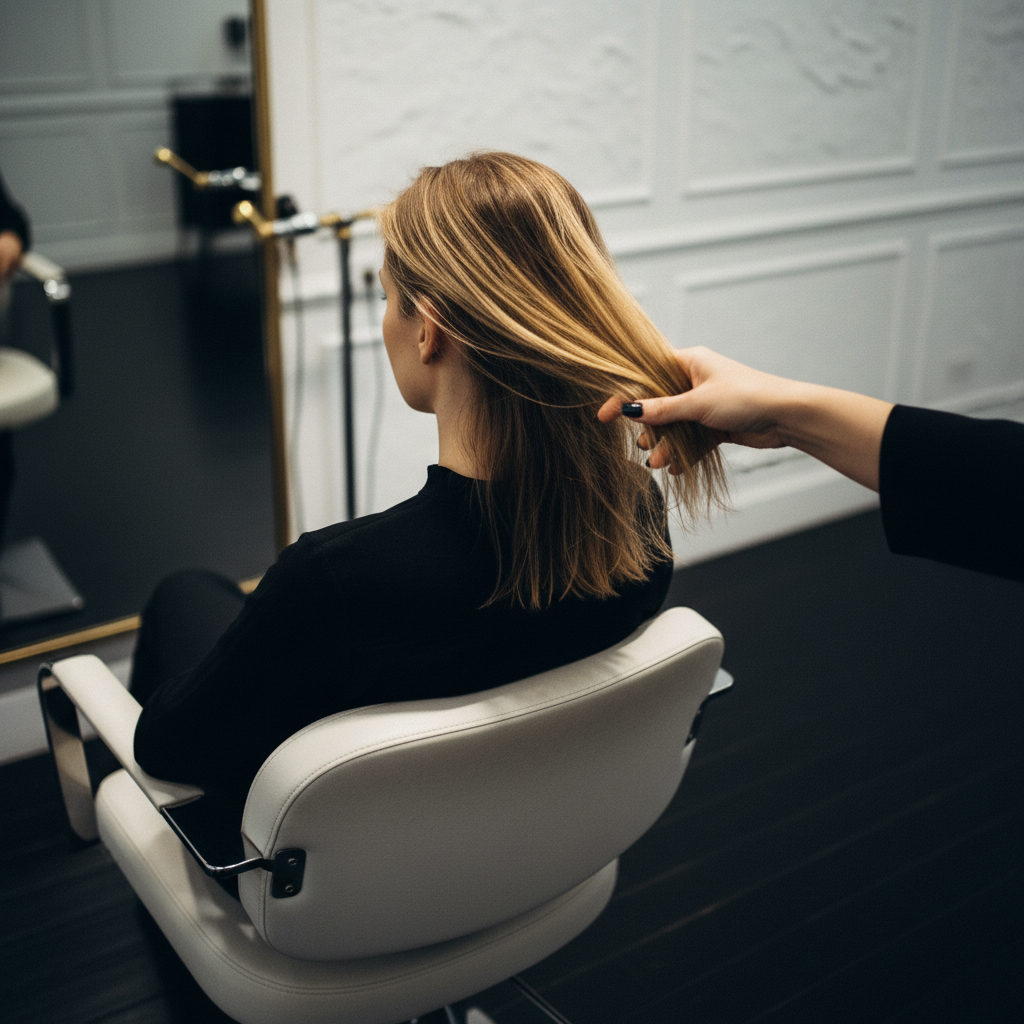
Quick answer: Hair Loss Explained covers the complex process where hair sheds beyond the normal daily amount or stops growing, leading to visible thinning or bald patches. This can be due to various factors disrupting the hair growth cycle, including genetics, hormones, stress, and certain medical conditions. Understanding the specific type and cause is crucial, as treatment approaches differ significantly, and not all hair loss can be completely reversed.
Key takeaways
- Hair loss is distinct from hair shedding (normal daily hair fall) and hair breakage (damage to the hair shaft).
- The hair growth cycle (anagen, catagen, telogen) is fundamental to understanding how hair loss occurs.
- Androgenetic alopecia (pattern hair loss) is the most common type, driven by genetics and hormones.
- Telogen effluvium is a temporary increase in hair shedding often triggered by significant physical or emotional stress.
- Accurate diagnosis by a healthcare professional is essential to identify the specific type and cause of hair loss.
- Treatments are varied and depend entirely on the underlying cause, with some conditions being manageable rather than curable.
Hair Loss Explained: what the evidence shows
Hair loss, medically termed alopecia, refers to a reduction in the number of hair strands on the scalp or body beyond what is considered normal shedding. It's a widespread concern that can affect anyone, regardless of age or gender, and its impact extends beyond physical appearance to psychological well-being. To fully grasp Hair Loss Explained, it's important to understand the fundamental biology of hair growth.
The Hair Growth Cycle
Human hair grows in a continuous cycle, not all at once. This cycle ensures a constant renewal of hair and consists of three main phases:
- Anagen (Growth Phase): This is the active period of hair production, where hair cells divide rapidly. It's the longest phase, typically lasting from 2 to 7 years. Most of your hair (around 85 to 90%) is in the anagen phase at any given time, determining your hair's maximum length. During this phase, the hair follicle is firmly rooted in the scalp.
- Catagen (Transition Phase): A brief transitional period, lasting about 2 to 3 weeks. During catagen, hair growth stops, and the hair follicle shrinks. The lower part of the follicle detaches from the dermal papilla, which normally supplies blood and nutrients. This signals the end of active growth.
- Telogen (Resting Phase): This phase lasts for approximately 3 months. The hair remains in the follicle, but it's inactive. A new anagen hair often begins to grow beneath it. At the end of the telogen phase, the old hair is shed to make way for the new one. This is normal daily hair shedding.
Following the telogen phase, the cycle restarts with a new anagen phase. It's normal to shed between 50 to 100 hairs per day as part of this natural cycle. True hair loss occurs when this cycle is significantly disrupted, leading to either an acceleration of shedding, a reduction in new hair growth, or damage to the hair follicle itself.
Distinguishing Hair Loss, Hair Shedding, and Hair Breakage
These three terms are often used interchangeably, but they represent very different processes:
- Hair Loss (Alopecia): This refers to conditions where the hair follicle stops producing hair or produces increasingly finer, shorter hairs, leading to visible thinning or bald patches. It's a problem with the hair follicle and the hair growth cycle. Examples include androgenetic alopecia and alopecia areata.
- Hair Shedding (Telogen Effluvium): This is when a greater than normal number of hairs enter the telogen phase prematurely and fall out. While it can be alarming due to the increased volume of hair shed, the follicles themselves are usually healthy and capable of regrowing hair once the underlying trigger is addressed. The issue is with the timing of the hair cycle.
- Hair Breakage: This occurs when the hair fibre itself snaps along the shaft due to damage, making hair appear shorter, thinner, or frizzy. It's a problem with the hair strand, not the follicle or the growth cycle. Common causes include harsh styling, chemical treatments, heat damage, or a lack of moisture. You can learn more about this in our article on "Hair Damage: Causes, Signs, and Solutions".
It's crucial to understand these distinctions because treatment strategies for each are entirely different.
Common Causes of Hair Loss
Hair loss can stem from a wide array of factors. Here's an overview of the most prevalent types and their mechanisms.
Androgenetic Alopecia (Pattern Hair Loss)
This is the most common form of hair loss, affecting millions worldwide. It's primarily genetic and hormonal. In individuals predisposed to androgenetic alopecia, hair follicles become sensitive to dihydrotestosterone (DHT), a potent derivative of testosterone. DHT causes genetically susceptible hair follicles to gradually shrink, a process known as miniaturisation. Over time, these follicles produce progressively shorter, finer, and weaker hairs, eventually ceasing hair production altogether. In men, this typically presents as a receding hairline and thinning at the crown. In women, it often appears as diffuse thinning over the top and crown of the scalp, with a preserved frontal hairline.
Telogen Effluvium
This type of hair shedding occurs when a significant number of hairs prematurely shift from the anagen (growth) phase into the telogen (resting) phase. This leads to a sudden, widespread increase in hair shedding, often noticed 2 to 4 months after a major physical or psychological stressor. Common triggers include:
- Childbirth: The hormonal shifts postpartum can trigger significant shedding.
- Severe illness or fever: Conditions like COVID-19 or a high fever can disrupt the hair cycle.
- Major surgery or trauma: The body's response to physical stress.
- Significant psychological stress: Chronic or acute severe stress can impact hair growth.
- Nutritional deficiencies: Especially iron deficiency, but also zinc, biotin, or severe protein restriction. For more information, see our article on "Nutrition and Hair Health".
- Certain medications: Antidepressants, beta-blockers, and retinoids are some examples.
- Extreme dieting or rapid weight loss: Deprives follicles of necessary nutrients.
Telogen effluvium is typically temporary, and hair growth usually recovers within 6 to 9 months once the underlying stressor is resolved.
Alopecia Areata
A common autoimmune condition where the body's immune system mistakenly attacks healthy hair follicles, leading to patchy hair loss. The exact cause is unknown, but a combination of genetic predisposition and environmental factors is thought to play a role. Hair loss can occur on the scalp, beard, or any hair-bearing skin. It can manifest as small, smooth, bald patches, or in more severe cases, lead to complete scalp hair loss (alopecia totalis) or even total body hair loss (alopecia universalis). The hair follicles remain viable, meaning regrowth is possible, but it is unpredictable.
Traction Alopecia
This form of hair loss results from prolonged or repetitive tension on the hair follicles, typically caused by tight hairstyles such as braids, dreadlocks, tight ponytails, hair extensions, or weaves. Constant pulling inflames and damages the hair follicle over time, leading to inflammation and eventual permanent hair loss in the affected areas if the tension is not relieved. Early signs include small bumps around the follicles, itching, and scaling. For individuals with Afro-textured hair, "Protective Styling: A Comprehensive Guide" offers advice on styles that minimise tension.
Other Factors Contributing to Hair Loss
- Nutritional Deficiencies: Beyond telogen effluvium, chronic deficiencies in key nutrients like iron, zinc, vitamin D, and various B vitamins can impair hair growth and contribute to thinning. Adequate protein intake is also vital for hair structure.
- Medical Conditions: Thyroid disorders (hypothyroidism and hyperthyroidism), lupus, polycystic ovary syndrome (PCOS), and certain scalp infections (e.g., ringworm or tinea capitis) can all cause hair loss. Understanding "Understanding Scalp Health" can help identify early signs of issues.
- Medications: Many prescription drugs can have hair loss as a side effect, including chemotherapy drugs, blood thinners, and some cholesterol-lowering medications.
- Scarring Alopecias: A group of inflammatory conditions that destroy the hair follicle, replacing it with scar tissue. This results in permanent hair loss in the affected areas. Examples include frontal fibrosing alopecia and lichen planopilaris.
- Hormonal Changes: Beyond DHT, significant hormonal fluctuations during pregnancy, menopause, or due to conditions like PCOS can impact hair density. For example, some women notice increased shedding during menopause.
Signs to Look For
Recognising the signs of hair loss early can be helpful. These include:
- Excessive shedding: Noticing significantly more hair than usual in your brush, shower drain, or on your pillow. While some shedding is normal, a sudden increase is often a sign of telogen effluvium.
- Receding hairline: Particularly common in men, where the hairline moves further back on the temples and forehead.
- Thinning on the crown: Also common in men, leading to a bald spot at the top of the head.
- Widening part: In women, the part in their hair may appear wider than before, indicating diffuse thinning across the scalp.
- Patchy bald spots: Smooth, circular patches of complete hair loss are characteristic of alopecia areata.
- Overall reduction in hair volume: Your ponytail may feel thinner, or your hair simply doesn't look as full as it once did.
- Broken hairs: While not hair loss, excessive breakage can mimic thinning. See "Hair Damage: Causes, Signs, and Solutions" for more on this.
When to Get Professional Advice
If you're concerned about hair loss, it's always advisable to consult a healthcare professional, such as your GP or a dermatologist. They can help diagnose the specific type of hair loss and rule out underlying medical conditions. Seek advice if you experience:
- Sudden or unexplained hair loss.
- Rapidly progressing hair loss.
- Hair loss accompanied by itching, redness, pain, or scaling on the scalp.
- Bald patches that are smooth, without hair follicles.
- Hair loss affecting other areas of the body.
- Concern about the psychological impact of hair loss.
An accurate diagnosis is the first step towards effective management or treatment.
Diagnosing Hair Loss
Diagnosing the specific cause of hair loss involves a thorough approach by a healthcare professional. This typically includes:
- Medical History: Your doctor will ask about your general health, family history of hair loss, diet, medications, recent illnesses, stress levels, and hair care routines.
- Physical Examination: A detailed examination of your scalp, looking for patterns of thinning, signs of inflammation, scarring, or broken hairs.
- Hair Pull Test: A gentle tug on a small section of hair (around 50-100 hairs) to see how many hairs come out. This helps assess active shedding.
- Trichoscopy: Using a dermatoscope (a handheld magnifying device) to examine the scalp and hair follicles more closely without needing to remove hair.
- Blood Tests: To check for underlying conditions such as iron deficiency, thyroid dysfunction, or hormonal imbalances (e.g., testosterone levels).
- Scalp Biopsy: In some cases, a small sample of skin from the scalp is taken and examined under a microscope. This can help differentiate between various types of alopecia, especially scarring alopecias.
Understanding Treatment Approaches for Hair Loss Explained
Treatments for hair loss are highly specific to the underlying cause. What works for one type of hair loss may be ineffective for another. Here's a general overview:
| Type of Hair Loss | Common Treatment Approaches |
|---|---|
| Androgenetic Alopecia | Minoxidil (topical): An over-the-counter solution applied to the scalp to stimulate hair growth and slow hair loss. It works by prolonging the anagen phase. Finasteride (oral, for men): A prescription medication that blocks the conversion of testosterone to DHT, reducing its effect on hair follicles. Dutasteride (oral, off-label for men): Similar to finasteride, but with a stronger DHT-blocking effect. Spironolactone (oral, for women): An anti-androgen medication that can help women with pattern hair loss. Low-Level Laser Therapy (LLLT): Devices emit red light to stimulate hair follicles. Hair Transplantation: Surgical procedure to move hair follicles from a dense area to a thinning or bald area. |
| Telogen Effluvium | Primarily involves identifying and addressing the underlying trigger. This could mean managing stress, correcting nutritional deficiencies (e.g., iron supplementation), or adjusting medications (under medical supervision). Hair growth typically resumes naturally once the trigger is removed. |
| Alopecia Areata | Corticosteroids: Applied topically, injected into the scalp, or taken orally to suppress the immune system and reduce inflammation. Minoxidil: Can be used to encourage regrowth. Immunotherapy: Involves applying a sensitising agent to the scalp to distract the immune system. JAK inhibitors: Newer oral medications that target specific immune pathways, showing promise in more severe cases. |
| Traction Alopecia | The most critical step is to stop using tight hairstyles immediately. This allows the follicles to recover. Anti-inflammatory treatments may be used to reduce irritation. In cases of chronic damage leading to scarring, hair transplantation may be an option, but prevention is key. |
| Nutritional | Addressing deficiencies through dietary changes and targeted supplementation under medical guidance. For instance, iron supplements for iron-deficiency anaemia. |
| Scarring Alopecias | Treatment focuses on controlling the inflammation that is destroying the hair follicles. This often involves anti-inflammatory medications, such as topical or oral corticosteroids, or other immunosuppressants. The goal is to halt further hair loss, as hair lost to scarring is generally not reversible. |
It's important to note that many treatments require consistent application over several months to see noticeable results. Early intervention can often lead to better outcomes. Always discuss options with a healthcare professional to ensure the treatment is appropriate for your specific condition.
Frequently asked questions about Hair Loss Explained
Can stress cause permanent hair loss?
Typically, stress causes a type of hair shedding called telogen effluvium, which is usually temporary. Severe emotional or physical stress can push a large number of hair follicles prematurely into the resting phase. While alarming, the hair often regrows fully once the stressor is managed. However, chronic stress can exacerbate other hair loss conditions, but it is not generally a direct cause of permanent hair loss itself.
Is it normal to lose hair in the shower?
Yes, it's perfectly normal to lose some hair in the shower. Water and shampoo help dislodge hairs that have already completed their growth cycle and are ready to shed. The average person sheds between 50 to 100 hairs daily, so seeing some in the shower drain or on your brush is a natural part of your hair's renewal process. Significant increases, however, might warrant investigation.
How can I tell the difference between hair loss and hair breakage?
Hair loss means the hair is coming out from the root, usually with a small, white bulb attached at the end. Hair breakage means the hair strand is snapping along its length, often due to damage like heat styling or chemical treatments. Breakage typically leaves shorter, uneven pieces, whereas hair loss leads to visible thinning from the scalp. Look closely at the fallen strands to identify the cause.
Do hair products cause Hair Loss Explained?
Most hair products, including shampoos and conditioners, do not cause true hair loss. However, harsh chemical treatments, tight styling products, or incorrect use of heat tools can lead to hair breakage or traction alopecia. If you suspect a product is causing irritation or excessive shedding, discontinue use and consult a dermatologist. Watermans products are formulated to support scalp health and reduce breakage, not cause hair loss.
Does hard water cause hair loss?
There is no direct evidence that hard water causes hair loss or alopecia. Hard water contains high levels of minerals like calcium and magnesium, which can build up on hair, making it feel dry, dull, and prone to breakage. This breakage can sometimes be mistaken for hair loss. While hard water can affect hair condition, it does not typically impact the hair follicle's ability to grow hair. Learn more in "Hard Water and Hair Damage: Understanding the Impact on Your Hair".
Hair Loss Explained: A concluding thought
Understanding Hair Loss Explained is the first step towards addressing any concerns you might have about your hair. From common genetic patterns to stress-induced shedding and autoimmune conditions, the causes are diverse. It's important to remember that not all hair loss is permanent, and effective treatments and management strategies exist for many types. Early diagnosis by a qualified professional can significantly improve outcomes, helping you to understand your specific situation and explore the best path forward.
Sources and references
- American Academy of Dermatology Association, "Hair Loss: Diagnosis and Treatment". Available at: www.aad.org
- National Institute of Arthritis and Musculoskeletal and Skin Diseases (NIAMS), "Alopecia Areata". Available at: www.niams.nih.gov
- British Association of Dermatologists, "Hair Loss". Available at: www.bad.org.uk
- Mayo Clinic, "Hair loss". Available at: www.mayoclinic.org
- NHS, "Hair loss". Available at: www.nhs.uk
- PubMed Central, "Androgenetic Alopecia: An Update". Dermatology and Therapy, 2017. DOI: 10.1007/s13555-017-0182-2
- PubMed Central, "Telogen Effluvium: A Review". International Journal of Trichology, 2010. DOI: 10.4103/0974-7753.66900
Watermans and Hair Loss Explained
Watermans Haircare products are designed to support a healthy scalp environment, which is fundamental for robust hair growth and reducing hair shedding due to breakage. Our formulations, such as those containing hydrolysed lupin protein, caffeine, biotin, and niacinamide, aim to strengthen the hair, reduce breakage, and promote thicker, fuller-looking hair. Ingredients like biotin and zinc, found in some Watermans products, contribute to the maintenance of normal hair. By nurturing the scalp and hair from the outside, Watermans helps to improve overall hair condition, making it feel stronger and appear healthier. These cosmetic benefits can help complement approaches to managing various forms of hair loss by providing optimal conditions for existing hair to thrive and minimising damage.
Find these ingredients in Watermans products
- Niacinamide: you will find this ingredient in our Hair Mask.