Scalp Care for Flaky Scalps: The Evidence-Based Guide
9 min read ·
Understand the biology of flaking, the difference between dry scalp and dandruff, and evidence-based routines for optimal Scalp Care for Flaky Scalps.
Quick answer: Effective Scalp Care for Flaky Scalps depends entirely on distinguishing between simple dehydration, dandruff (pityriasis capitis), and seborrhoeic dermatitis. Flaking occurs when the epidermal turnover rate accelerates from the typical 28 days down to 7 to 14 days, often driven by an overgrowth of lipophilic Malassezia yeasts feeding on sebum. Cosmetic moisture relieves dry scalps, but microbially driven flaking requires targeted cleansing agents and antimicrobial actives. However, non-prescription scalp care cannot cure chronic inflammatory skin conditions like psoriasis.
Key takeaways
- Flaking is a visible symptom of disrupted stratum corneum renewal, not a single standalone disease.
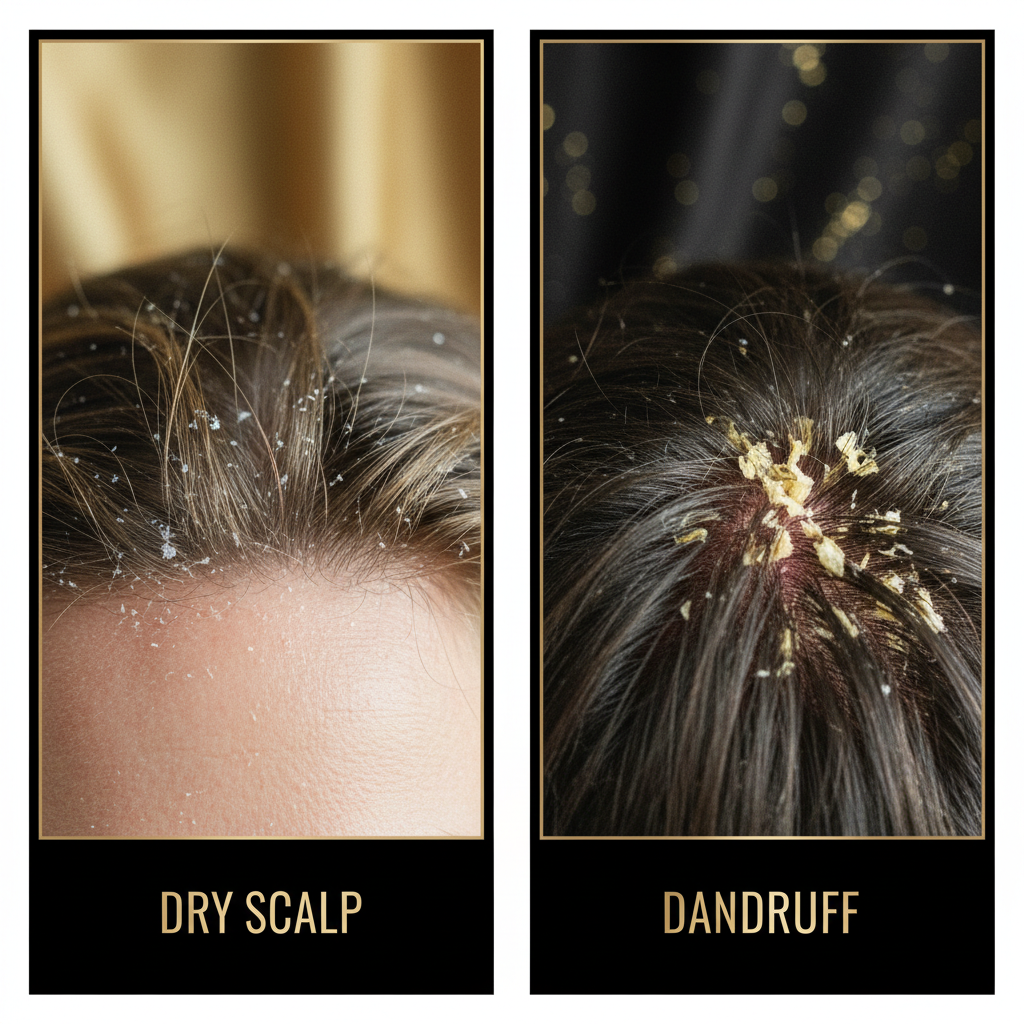
- Dry scalp produces small, white, loose flakes caused by low epidermal lipid and water content, while dandruff causes larger, greasy, yellowish clusters.
- Malassezia restricta and Malassezia globosa break down sebum into irritating free fatty acids, accelerating skin cell shedding.
- Traditional heavy plant oils (such as olive or coconut oil) often worsen fungal flaking because Malassezia consumes their fatty acids.
- Persistent erythema, thick silvery plaques, or scaling that extends beyond the hairline require a formal clinical diagnosis from a GP or dermatologist.
Scalp Care for Flaky Scalps: what the evidence shows
Scientific research indicates that Scalp Care for Flaky Scalps must focus on balancing the cutaneous microbiome and restoring the moisture barrier. The skin on the human scalp is unique: it features a high follicular density, active sebaceous output, and a distinct microbial ecosystem dominated by Cutibacterium, Staphylococcus, and Malassezia species.
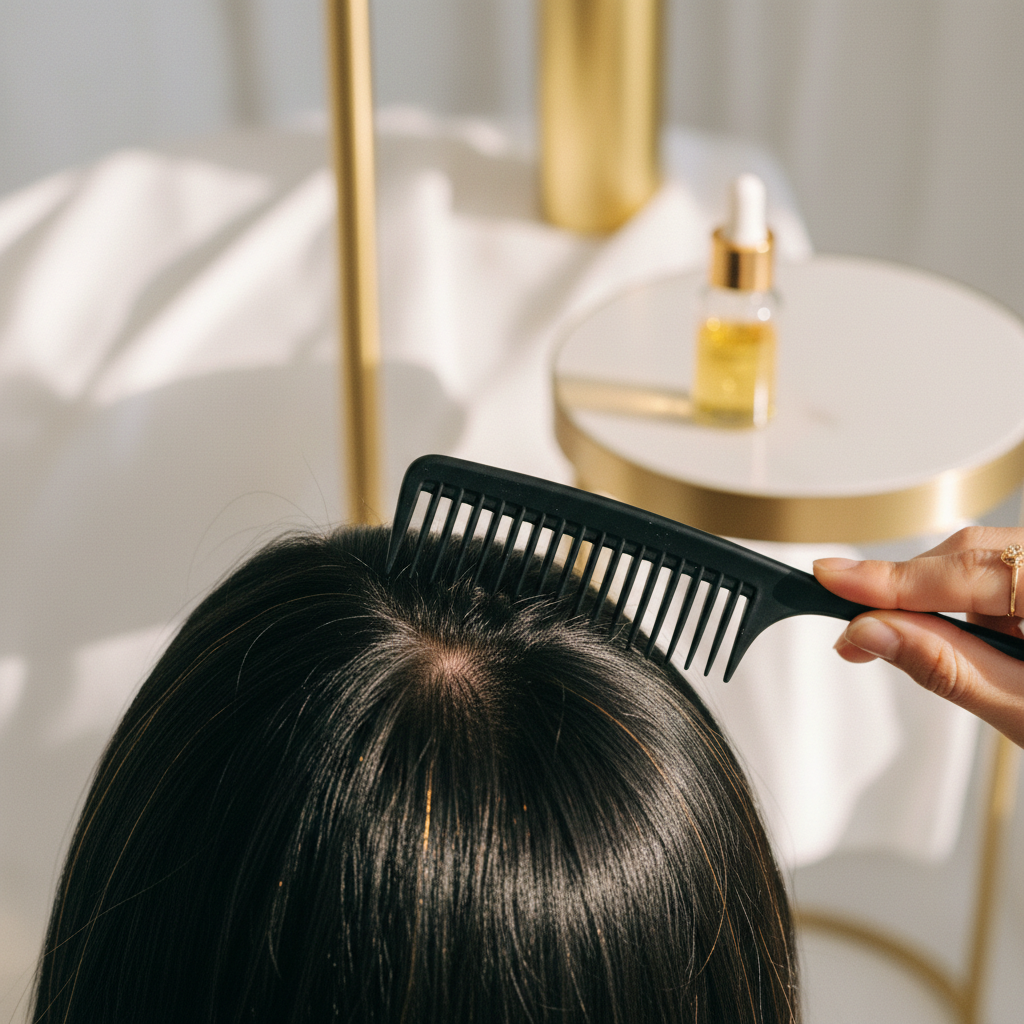
When the scalp environment is in equilibrium, epidermal cells (keratinocytes) mature and shed invisibly as microscopic particles through a gradual 28-day cycle. Under inflammatory stress or microbial dysbiosis, this desquamation process becomes dysregulated. Cells shed prematurely in clumps of hundreds or thousands, becoming visible to the naked eye as flakes.
Clinical trials consistently show that simply washing less frequently to "preserve natural oils" often backfires when flaking is present. Unwashed sebum provides an abundant food supply for yeast, generating pro-inflammatory oleic acid that penetrates the barrier and triggers further cell shedding. Regular, targeted cleansing remains the cornerstone of effective scalp management.
The underlying mechanisms of scalp flaking
Understanding why the scalp flakes requires looking at the epidermal skin barrier and sebum metabolism.
Healthy scalp skin maintains an acidic pH between 4.5 and 5.5. This acid mantle keeps structural lipids (ceramides, cholesterol, and free fatty acids) tightly packed, preventing transepidermal water loss (TEWL) and suppressing opportunistic microbes.
Two distinct mechanisms typically drive visible flakes:
- Barrier dehydration and lipid depletion (Dry Scalp): Environmental exposure, cold weather, central heating, or harsh alkaline surfactants (such as high-pH soap bars) strip the protective lipid layer. As TEWL increases, the stratum corneum dries out, fissures, and sheds tiny, non-adherent white scales.
- Microbial lipolysis and irritation (Dandruff and Seborrhoeic Dermatitis): Malassezia yeasts secrete lipase enzymes that consume specific saturated fatty acids in your sebum, leaving behind unsaturated fatty acids, primarily oleic acid. In susceptible individuals, these free fatty acids penetrate the stratum corneum, inciting a low-grade inflammatory response. Keratinocytes respond by proliferating and shedding rapidly before they can properly cornify, creating clumping, greasy flakes.
Dry scalp versus dandruff: recognising the signs
Choosing the correct strategy requires an accurate assessment of what is happening at the root level. Treating a fungal flake with heavy oils will exacerbate the issue, while treating dry skin with harsh antimicrobial scrubs will increase barrier damage.
| Characteristic | Dry Scalp (Dehydration) | Dandruff (Pityriasis Capitis) | Seborrhoeic Dermatitis |
|---|---|---|---|
| Flake Appearance | Small, fine, white, dust-like | Larger, yellowish, clumped | Thick, greasy, yellowish scales |
| Adherence | Drops freely onto shoulders | Loose to slightly clingy | Clings firmly to scalp surface |
| Sebum Production | Low (hair feels dry or brittle) | Moderate to high (oily roots) | High (excessive sebum) |
| Redness & Irritation | Minimal; tight or itchy sensation | Mild, diffuse itch; little redness | Distinct erythema, inflamed patches |
| Location | Uniform across exposed scalp | Patchy across crown and hairline | Scalp, eyebrows, nasolabial folds, ears |
| Primary Driver | Transepidermal water loss | Malassezia yeast overgrowth | Inflammatory immune reaction to yeast |
What you can do: evidence-led scalp care routines
Managing a flaky scalp requires a methodical approach that addresses the specific driver.
1. Adjust washing frequency
If you experience microbial flaking (dandruff), wash your hair every 1 to 2 days. Leaving sebum to accumulate provides fuel for Malassezia. If your flakes stem from simple dryness, reduce washing to 2 to 3 times per week using a gentle, low-pH shampoo (pH 4.5 to 5.5) formulated with mild surfactants.
2. Targeted ingredients
Look for formulations that include proven functional ingredients:
- Exfoliants (Salicylic acid): A beta-hydroxy acid (BHA) that dissolves intercellular cement, loosening stubborn flakes and allowing them to rinse away without mechanical scratching.
- Soothing humectants (Glycerin, Panthenol, Allantoin): These draw moisture into dehydrated stratum corneum layers, improving skin flexibility and easing tightness.
- Antimicrobials and botanicals (Tea tree oil, Rosemary, Piroctone olamine): Research shows that mild botanical antimicrobials help control surface yeast populations without stripping the scalp.
- Niacinamide (Vitamin B3): Enhances natural ceramide production, strengthening the scalp barrier against irritants.
3. Avoid mechanical scratching
Using fingernails, stiff plastic brushes, or coarse salt scrubs to lift flakes creates micro-tears in the epidermal surface. This breach introduces secondary bacterial colonization (often Staphylococcus aureus), increasing inflammation and worsening desquamation. Use soft silicone scalp massagers with gentle, circular pressure instead.
4. Beware of heavy kitchen oils
A common home remedy involves applying olive oil, coconut oil, or butter to flaky scalps. If the flaking is driven by Malassezia, applying oleic-rich oils feeds the yeast directly, drastically worsening the flaking within 48 to 72 hours. Stick to water-based serums or lightweight, non-comedogenic formulations.
Watermans approaches to scalp environment
Maintaining a balanced follicular foundation is central to Watermans formulations. Products like Watermans Grow Me Shampoo incorporate nourishing scalp actives, including biotin, rosemary extract, allantoin, and hydrolysed lupin protein.
While formulated primarily to strengthen the hair fibre, revitalise fine strands, and reduce mechanical breakage, these ingredients also support a refreshed, clean scalp environment. The formula effectively lifts excess sebum and surface debris without the aggressive moisture-stripping action found in basic clarifying shampoos. For those experiencing flaking due to congested roots or mild environmental dryness, establishing a clean, nutrient-supportive wash routine helps maintain scalp comfort.
When the cause is something else
Flaking does not always originate from simple dandruff or dryness. Several clinical conditions mimic these symptoms and require medical intervention:
- Scalp Psoriasis: Characterised by sharply demarcated, thick, silvery-white plaques that often bleed if scraped (Auspitz's sign). It frequently extends past the hairline onto the forehead or behind the ears.
- Contact Dermatitis: An allergic or irritant reaction to hair dyes (particularly paraphenylenediamine, or PPD), fragrances, or preservatives. It presents with intense burning, itching, acute redness, and sudden flaking.
- Tinea Capitis: A fungal ringworm infection more common in children, which presents with circular scaling, localized hair loss, and broken "black dot" hairs.
- Cicatricial (Scarring) Alopecia: Conditions like lichen planopilaris involve perifollicular erythema, scaling around individual hair roots, and permanent follicle destruction.
When to seek medical advice
Over-the-counter and cosmetic interventions have distinct boundaries. You should consult a GP, dermatologist, or qualified trichologist if:
- Flaking does not improve after 4 weeks of targeted cleansing.
- The scalp feels intensely painful, hot, or swollen.
- You notice yellow crusting, weeping, or signs of secondary bacterial infection.
- Patches of hair shedding or focal baldness accompany the flaking.
- Thick plaques spread down your neck, face, or into your ear canals.
Prescription-strength options, such as topical corticosteroids, ketoconazole 2% solutions, or coal tar formulations, may be required to bring underlying clinical inflammation under control.
Frequently asked questions about Scalp Care for Flaky Scalps
Can drinking more water clear up a flaky scalp?
Drinking adequate water supports overall systemic hydration, but it rarely resolves a flaky scalp on its own. Flaking usually stems from a disrupted surface lipid barrier or yeast activity on the skin, neither of which is fixed by internal hydration alone. You need topical care that addresses surface barrier function and sebum balance.
Does hot water make scalp flaking worse?
Yes. Washing your hair in hot water melts away essential epidermal lipids, leading to accelerated transepidermal water loss and acute dryness. It can also dilate surface blood vessels, increasing redness and itching. Use lukewarm water to preserve the scalp's moisture barrier while still effectively dissolving excess sebum.
What is the most common mistake in Scalp Care for Flaky Scalps?
The most common mistake in Scalp Care for Flaky Scalps is assuming all flakes are caused by dry skin and smothering the roots in heavy oils. If the root cause is dandruff or seborrhoeic dermatitis, the added fatty acids feed Malassezia yeasts, rapidly worsening both the inflammation and the flaking.
Can a flaky scalp cause permanent hair loss?
Simple flaking does not cause hair loss. However, intense, chronic scratching can damage hair follicles and cause temporary hair breakage or traction shedding. Severe, untreated inflammatory conditions like seborrhoeic dermatitis can also increase telogen effluvium (diffuse shedding). Once the underlying inflammation is treated, the hair typically returns to its normal growth cycle.
How often should I exfoliate a flaky scalp?
Gentle chemical exfoliation using low-percentage salicylic acid should be limited to 1 or 2 times per week. Over-exfoliating strips immature keratinocytes before they form a protective barrier, leading to heightened sensitivity and rebound oil production. Never use abrasive physical scrubs on irritated or broken skin.
Summary
Successful Scalp Care for Flaky Scalps requires diagnosing the root mechanism rather than applying generic solutions. Small, fine flakes demand barrier restoration, mild surfactants, and hydration, whereas large, oily flakes require antimicrobial balance, regular sebum removal, and targeted exfoliants. By respecting the scalp's delicate acid mantle and avoiding counterproductive home remedies, you can restore equilibrium to the skin and build a healthier environment for your hair.
Sources and references
- British Association of Dermatologists. Seborrhoeic Dermatitis Guidelines and Information. 2020.
- Dawson, T. L. "Malassezia globosa and restricta: breakthrough understanding of the etiology and treatment of dandruff and seborrheic dermatitis through whole-genome analysis." Journal of Investigative Dermatology Symposium Proceedings, 2007.
- National Health Service (NHS). Dandruff: Causes and Treatments. 2022.
- Piérard-Franchimont, C., et al. "A multicenter randomized trial of ketoconazole 2% and zinc pyrithione 1% shampoos in severe dandruff and seborrheic dermatitis." Skin Pharmacology and Applied Skin Physiology, 2002.
- Ranganathan, S., & Mukhopadhyay, T. "Dandruff: the most commercially exploited skin disease." Indian Journal of Dermatology, 2010.
- Turner, G. A., et al. "Stratum corneum dysfunction in dandruff." International Journal of Cosmetic Science, 2012.
Find these ingredients in Watermans products
- Zinc: you will find this ingredient in our Hair Vitamins.
- Oleic Acid: you will find this ingredient in our Camellia & Black Castor Hair & Body Oil.
- Niacinamide: you will find this ingredient in our Hair Mask.
- Panthenol (Provitamin B5): you will find this ingredient in our Heat Protection Spray.