Scalp Care for Chemically Treated Hair: A Dermatological Guide
9 min read ·
Discover evidence-based scalp care for chemically treated hair. Learn how bleaches, dyes, and relaxers impact the skin barrier, and how to restore comfort.
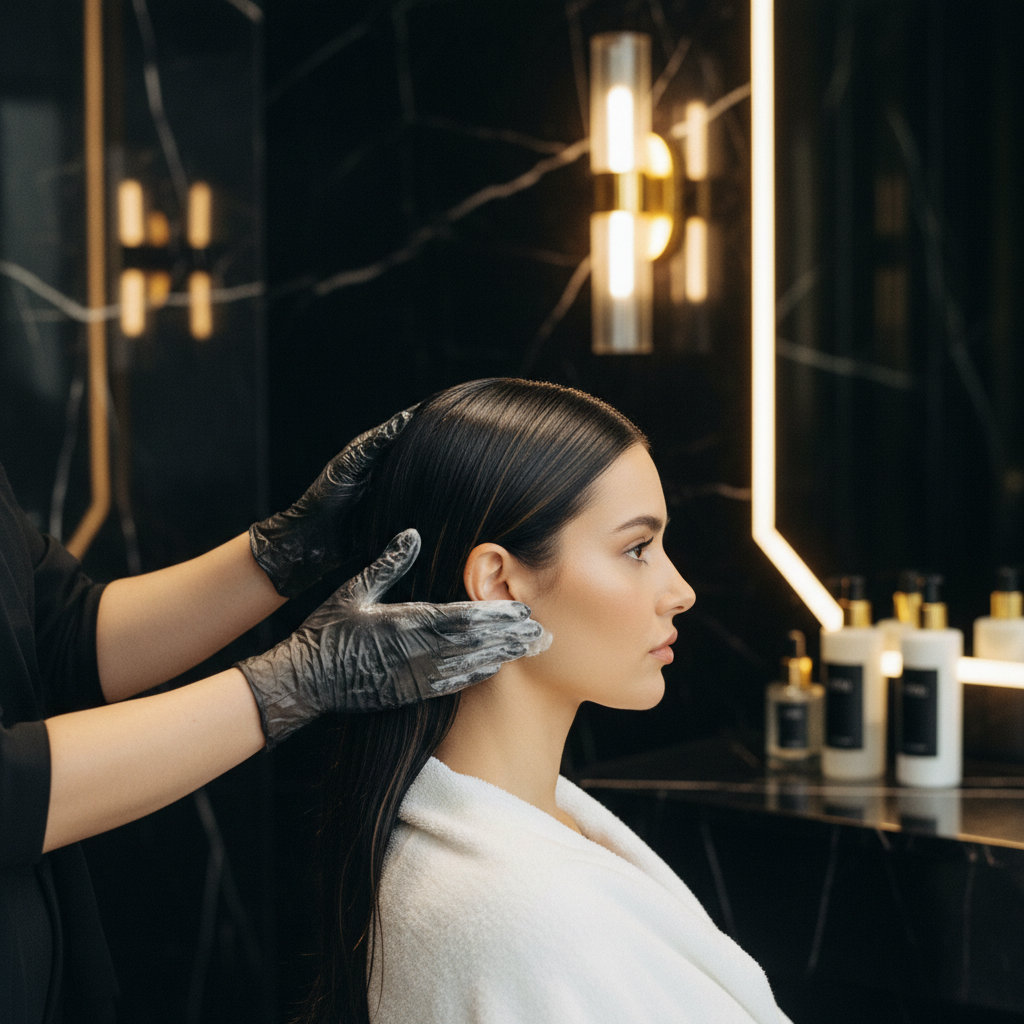
Quick answer: Effective scalp care for chemically treated hair requires protecting and repairing the epidermal barrier after exposure to harsh alkalising agents, oxidisers, or reducing chemicals. Chemical treatments like permanent dyes, bleaches, and relaxers disrupt the skin's acidic mantle, elevating pH and depleting surface lipids. Proper maintenance involves using gentle, sulfate-free cleansers, rebalancing skin acidity to roughly pH 4.5 to 5.5, and delivering soothing humectants. However, topical cosmetic care cannot reverse deep follicular damage or treat severe chemical burns, which require medical clinical intervention.
Key takeaways
- Chemical processes such as permanent colour, bleaching, perms, and relaxers elevate scalp pH and strip protective barrier lipids.
- Distinguish between follicle-driven hair shedding, patchy hair loss from severe chemical contact, and cosmetic hair breakage along the compromised fibre.
- A healthy scalp has a natural pH between 4.5 and 5.5; chemical treatments often have an alkaline pH ranging from 9.0 to 13.0, leaving the skin vulnerable to irritation.
- Soothing humectants, barrier-repair lipids, and mild, non-stripping cleansers help restore comfort without compromising colour or curl structure.
- Severe pain, weeping lesions, blistering, or sudden circular bald patches require prompt dermatological assessment rather than cosmetic routines.
Scalp care for chemically treated hair: what the evidence shows
Scalp care for chemically treated hair focuses on restoring epidermal equilibrium after acute chemical stress. During services like permanent hair colouring, bleaching, chemical relaxing, or perming, the scalp directly encounters extreme chemical formulations. Permanent hair dyes and lighteners rely on alkaline agents such as ammonium hydroxide or ethanolamine to swell the cuticle, alongside hydrogen peroxide to oxidise melanin. Relaxers utilise strong alkalis, including sodium hydroxide or guanidine hydroxide, which often reach a pH of 12.0 to 13.5.
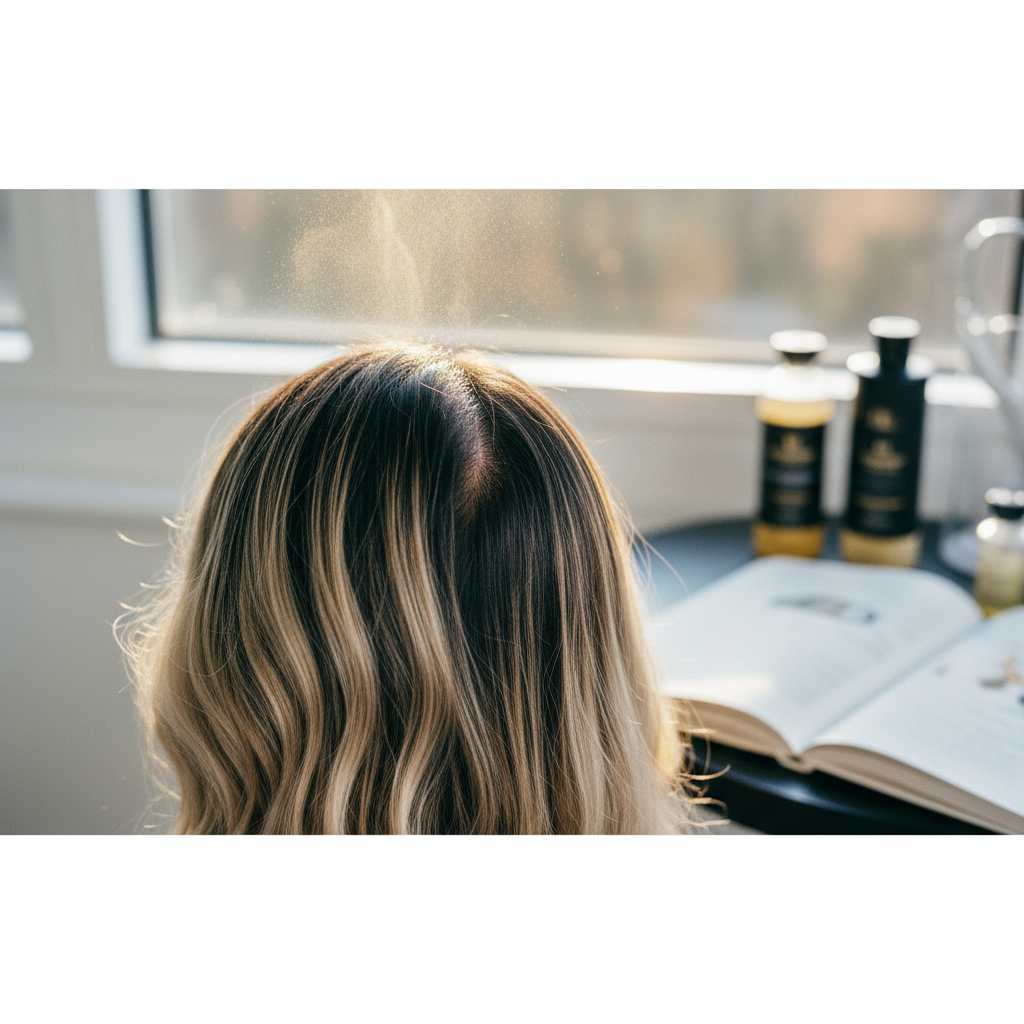
Clinical dermatology studies confirm that these alkaline chemicals temporarily compromise the stratum corneum, the outermost protective layer of the scalp. The epidermal barrier relies on ceramides, free fatty acids, and cholesterol arranged in an acidic environment (pH 4.5 to 5.5). When exposed to alkaline formulations, the skin loses moisture rapidly through transepidermal water loss (TEWL). This shift triggers acute irritant contact dermatitis, leaving the scalp red, tight, itchy, or dry. Maintaining a dedicated scalp routine balances this environment, helping the skin recover its natural defence mechanisms against opportunistic microbes like Malassezia.
Biological mechanisms: how chemicals affect the scalp
Understanding how chemical services alter the skin environment explains why specialised care becomes necessary. Chemical processing targets the keratin structure of the hair shaft, but the scalp inevitably shares the burden of topical exposure.
Disruption of the acid mantle
The scalp's acid mantle preserves barrier function and controls resident microflora. Bleach and relaxers introduce an intensely alkaline environment that can neutralise this acid layer within minutes. The sudden jump in pH weakens the lipid bilayers of the stratum corneum, allowing irritants to penetrate deeper into the viable epidermis and triggering neurosensory burning or stinging sensations.
Lipid stripping and moisture depletion
Strong oxidising agents, especially hydrogen peroxide concentrations between 6% (20 volume) and 12% (40 volume), oxidise sebum and essential intercellular lipids. This process strips away the protective lipid envelope. Without sufficient lipids, the scalp cannot retain moisture, resulting in post-treatment flaking that is frequently mistaken for traditional dandruff.
Follicular stress versus shaft breakage
It is crucial to distinguish between three distinct forms of hair and scalp trauma:
- Hair breakage: The chemical breaks disulphide bonds within the fibre, causing the shaft to snap along its length. The root remains anchored safely in the scalp.
- Hair shedding (telogen effluvium): Severe physical stress or widespread scalp inflammation can push follicles prematurely into the telogen (resting) phase, causing diffused shedding two to three months later.
- Patchy hair loss (cicatricial or chemical alopecia): Extreme chemical burns can damage the follicular stem cells located in the hair bulge, resulting in permanent scarring and localised hair loss.
What the evidence does not show
Topical cosmetic products have clear limits when dealing with chemical trauma. Controlled dermatological research has not found that standard cosmetic scalp serums, botanical oils, or gentle shampoos can reverse severe chemical burns or reconstruct scarred hair follicles.
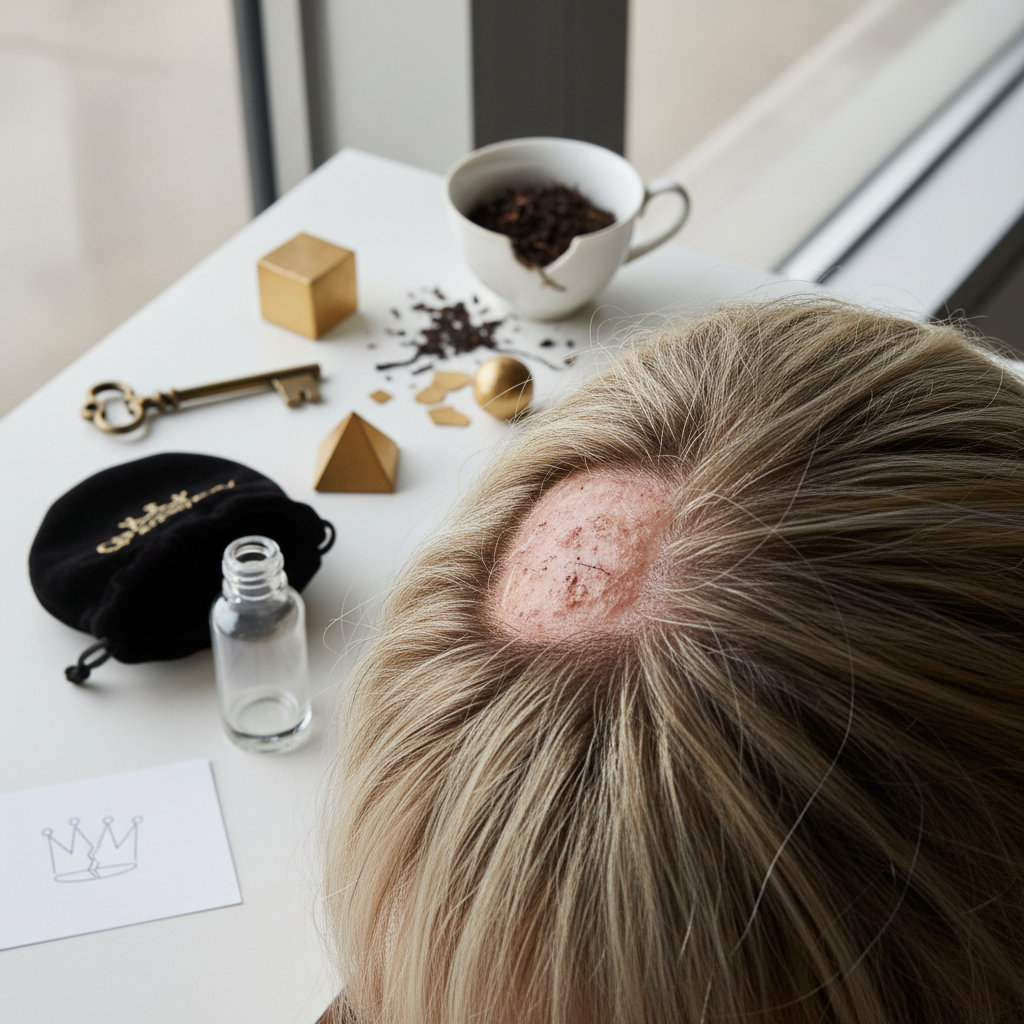
Cosmetic scalp treatments cannot:
- Re-anchor hair fibres that have already broken at the root level due to severe structural dissolution.
- Cure clinical allergic contact dermatitis caused by sensitisation to paraphenylenediamine (PPD) or ammonium persulfate without medical anti-inflammatory treatment.
- Neutralise chemicals once the service is complete; proper rinsing and salon neutralisation must happen at the basin.
- Accelerate biological hair growth rates beyond natural genetic parameters, though keeping the scalp clean and calm supports normal follicular activity.
Common chemical treatments and their scalp impacts
| Treatment type | Typical pH range | Primary active chemicals | Primary scalp effect |
|---|---|---|---|
| Bleach / Lightener | 9.5 to 11.0 | Ammonium persulfate, hydrogen peroxide | Severe lipid stripping, oxidative stress, stinging |
| Permanent colour | 9.0 to 10.5 | PPD, resorcinol, ammonium hydroxide | Irritant or allergic contact dermatitis, barrier disruption |
| Lye relaxer | 12.0 to 14.0 | Sodium hydroxide | High risk of acute alkaline chemical burn, tight dryness |
| No-lye relaxer | 12.0 to 13.0 | Guanidine hydroxide, calcium hydroxide | Mineral buildup, stratum corneum thinning, flaking |
| Perms / Waves | 6.5 to 9.5 | Ammonium thioglycolate or cysteamine | Sensitisation, mild dryness, temporary barrier weakening |
Practical steps for post-treatment scalp recovery
A systematic routine helps restore barrier balance and soothe scalp discomfort following a chemical service.
1. Re-establish physiological pH
Select cleansers and conditioners formulated between pH 4.5 and 5.5. Mildly acidic products help flatten the lifted cuticle scales of the hair fibre while encouraging the scalp's acid mantle to regenerate. Avoid clarifying shampoos with harsh anionic surfactants (such as sodium lauryl sulfate) in the first two weeks post-treatment, as they strip nascent barrier lipids.
2. Replenish physiological lipids
Look for lightweight leave-on scalp formulations that contain squalane, ceramides, or jojoba esters. These ingredients mimic natural sebum without suffocating the follicular ostium. Heavy, petroleum-based pomades should be avoided immediately after processing, as they trap residual irritants and heat against inflamed skin.
3. Deploy proven soothing humectants
Water-attracting humectants rehydrate the stratum corneum rapidly. Effective options include:
- Panthenol (Pro-Vitamin B5): Enhances stratum corneum hydration and soothes micro-irritation.
- Glycerin: Penetrates the superficial layers of the skin to draw moisture back into dry tissues.
- Allantoin: Provides anti-irritant support to calm stinging sensations.
- Niacinamide: Supports natural ceramide synthesis within the skin over time.
4. Adjust wash frequency and water temperature
Wash the hair with lukewarm or cool water. High water temperatures exacerbate erythema (redness) and accelerate moisture loss through an already vulnerable barrier. If the scalp feels tender, extend intervals between washes by a day or two, but do not stop cleansing entirely, as trapped sweat and sebum can foster bacterial proliferation.
When the cause may be something else
Not all scalp irritation following a salon visit is simple dryness. If symptoms persist beyond 72 hours, consider alternative underlying causes:
- Allergic contact dermatitis: A true immunological allergy to hair dye ingredients like PPD or toluene-2,5-diamine. Symptoms include swelling of the eyelids, intense itching, and weeping rashes across the scalp and hairline.
- Seborrhoeic dermatitis: Elevated sebum production combined with microbial overgrowth produces greasy, yellowish scales. Using heavy oils to soothe supposed "chemical dryness" often worsens this condition.
- Pre-existing psoriasis: Physical trauma from comb friction or chemical irritation can trigger a flare-up of scalp psoriasis, known clinically as the Koebner phenomenon. This presents as thick, silvery plaques rather than fine chemical flakes.
When to seek medical advice
You should consult a GP, dermatologist, or qualified trichologist if you observe any of the following red-flag symptoms:
- Blistering, open weeping sores, or crusting yellow fluid on the scalp.
- Severe pain or burning that prevents sleep or intensifies over 48 hours.
- Facial swelling, difficulty breathing, or hives (which require emergency medical care).
- Localised patches where hair fails to emerge, leaving smooth, shiny skin (indicative of scarring alopecia).
Daily maintenance with Watermans
When managing hair that undergoes regular chemical alterations, your ongoing routine must balance scalp care with structural hair preservation. Watermans Grow Me Shampoo provides a gentle, sulfate-free wash designed to cleanse the hair and scalp without aggressive stripping. Formulated with revitalising ingredients like biotin, rosemary, caffeine, and niacinamide, it nurtures a comfortable, refreshed scalp surface while keeping chemically processed fibres resilient against daily breakage. Pairing a non-irritating cleanser with targeted, pH-balanced hydration ensures your chemical colour or texture stays vibrant while your scalp remains healthy.
Summary
Appropriate scalp care for chemically treated hair prevents prolonged barrier dysfunction, limits post-treatment flaking, and supports ongoing hair health. By understanding the alkaline disruption caused by dyes, relaxers, and lighteners, you can take purposeful steps to restore an acidic pH, replenish lost moisture, and avoid severe irritants. Treat your scalp as an extension of delicate facial skin, giving it the restorative care needed to remain balanced, resilient, and comfortable.
Frequently asked questions about scalp care for chemically treated hair
How soon after chemical processing can I wash my scalp?
Wait at least 48 hours before cleansing your scalp after a permanent colour, bleach, or relaxing treatment. This window allows the lipid barrier time to settle and prevents unnecessary irritation from surfactants. When you do wash, use lukewarm water and a gentle, sulfate-free cleanser with a skin-friendly pH between 4.5 and 5.5 to avoid stripping delicate new surface moisture.
What is the best scalp care for chemically treated hair that feels itchy?
The best approach involves applying a lightweight, soothing leave-on serum containing panthenol, aloe, or glycerin directly to the skin. Avoid dense, pore-clogging oils or products with synthetic perfumes and menthol, which can aggravate inflamed nerve endings. Maintaining an acidic scalp environment using a balanced, low-pH rinse will calm itching by helping to restore the disrupted skin barrier.
Can chemical treatments cause permanent hair loss on the scalp?
Chemical treatments do not typically cause permanent hair loss when applied correctly by a trained professional. However, if strong alkalis or bleaches are left on the scalp too long, they can cause deep chemical burns. If these burns reach the follicular stem cells located in the upper follicle, scarring (cicatricial) alopecia can occur, permanently preventing hair regrowth in that specific spot.
How do I tell the difference between breakage and chemical shedding?
Inspect the hairs you find. Breakage produces short, uneven fragments without a white bulb at the end, meaning the hair shaft snapped due to structural weakness. Shedding produces full-length strands that feature a small, white keratin bulb at the root tip, showing that the entire fibre completed its telogen cycle and detached naturally from within the follicle.
Sources and references
- British Association of Dermatologists. (2020). Hair Dye Reactions: Patient Information Leaflet.
- Gavazzoni Dias, M. F. (2015). Hair cosmetics: An overview. International Journal of Trichology, 7(1), 2-15.
- Trüeb, R. M. (2009). Oxidative stress in ageing of hair. International Journal of Trichology, 1(1), 6-14.
- National Institute for Health and Care Excellence (NICE). (2022). Alopecia: Clinical Knowledge Summaries.
- Miranda-Vilela, A. L., et al. (2014). Overview of hair relaxers and their risks for human health. Journal of Cosmetic Dermatology, 13(1), 29-37.
Find these ingredients in Watermans products
- Niacinamide: you will find this ingredient in our Hair Mask.
- Panthenol (Provitamin B5): you will find this ingredient in our Heat Protection Spray.