Scalp Build Up Treatments: Science, Mechanism, and Best Practice
9 min read ·
Explore the science behind Scalp Build Up Treatments. Discover how clarifying surfactants, BHAs, and chelating agents clear residue to support healthy hair.
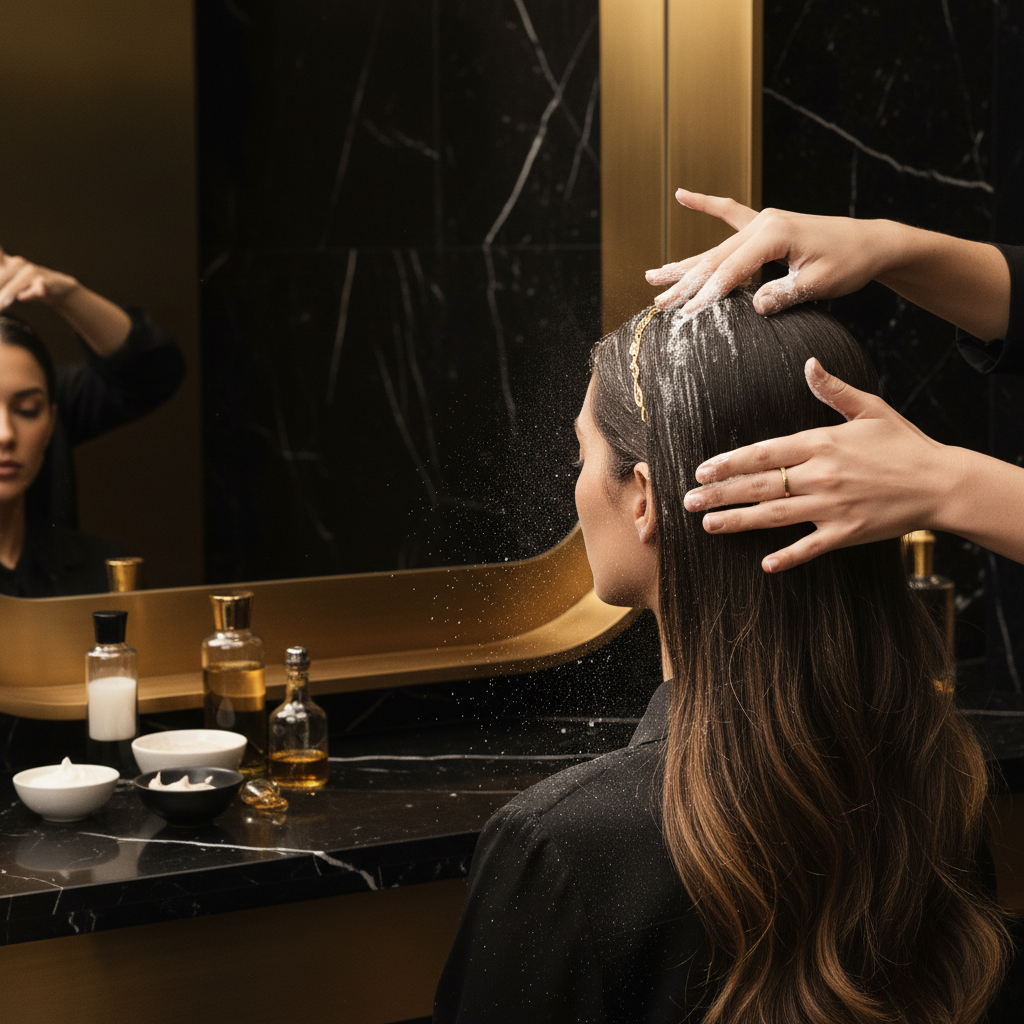
Quick answer: Scalp Build Up Treatments are targeted formulations designed to dissolve, chelate, or wash away accumulated sebum, dead skin cells, styling polymers, and mineral deposits from the skin of the head. When residue clogs follicular infundibula, it disrupts the scalp microbiome and dulls hair strands. The primary limitation of these treatments is that they cannot cure underlying dermatological disorders like psoriasis or seborrhoeic dermatitis; misuse can also strip the skin barrier, triggering rebound oiliness or mechanical hair breakage.
Key takeaways
- Scalp accumulation is a composite layer made of biological debris (oxidised sebum, corneocytes) and external substances (silicones, styling resins, hard water minerals).
- Effective Scalp Build Up Treatments rely on chemical exfoliants (such as salicylic acid), clarifying surfactants (like sodium C14-16 olefin sulfonate), or chelating agents (EDTA).
- Clarifying is not a cure for chronic medical flaking; conditions like seborrhoeic dermatitis require targeted antifungal agents rather than simple clarifying formulas.
- Physical scalp scrubs carry a higher risk of hair fibre breakage and micro-abrasions compared to carefully formulated chemical leave-on or rinse-off exfoliants.
- Incorporating clarifying treatments once every one to four weeks balances follicular hygiene without compromising the lipid barrier of the scalp.
Scalp Build Up Treatments: what the evidence shows
Peer-reviewed dermatological research shows that Scalp Build Up Treatments serve an essential role in preserving scalp barrier integrity and follicle function. The scalp contains roughly 100,000 hair follicles, each served by sebaceous glands that produce sebum, a complex mixture of squalene, triglycerides, wax esters, and free fatty acids. When hair is washed infrequently or treated continuously with heavy polymers, oxidised lipids bond with shed corneocytes (dead skin cells). This mixture hardens at the base of the follicular infundibulum.
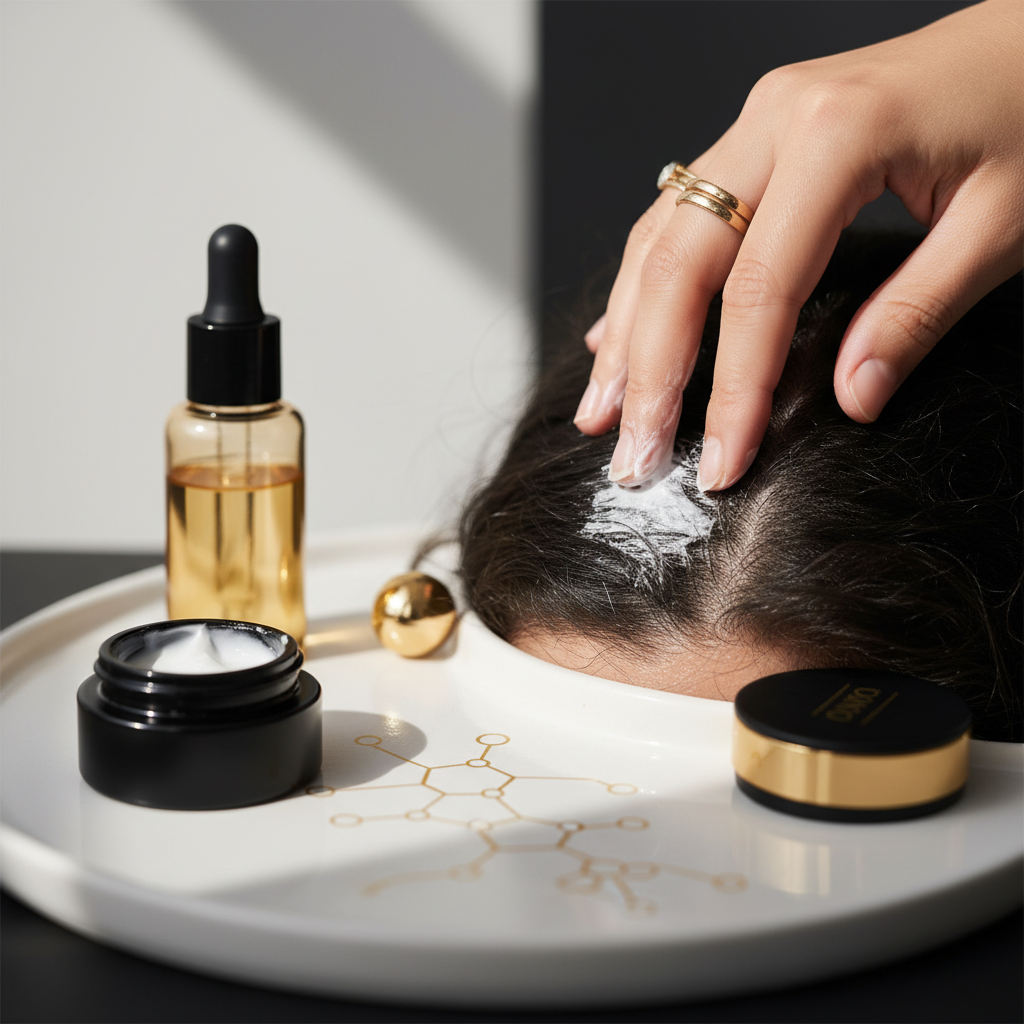
Cosmetic science demonstrates that standard mild conditioning shampoos often lack the micellar strength to dislodge film-forming polymers like polyquaternium compounds, dimethicone, and styling resins. Research confirms that clarifying surfactants (such as ammonium laureth sulphate or sodium C14-16 olefin sulfonate) lower surface tension sufficiently to emulsify these hydrophobic films.
Furthermore, clinical studies into chemical keratolytics, specifically beta-hydroxy acids like salicylic acid at concentrations between 0.5% and 3%, demonstrate that lipid-soluble molecules penetrate directly into the pore. Salicylic acid solubilises the desmosomes holding dead cells together. This action clears the follicular entrance without requiring aggressive physical friction that could fracture the delicate hair cuticle.
What the evidence does not show
The evidence does not show that accumulation directly causes permanent hair loss (androgenetic alopecia or scarring alopecia). While severe follicular plugging can produce perifollicular inflammation that leads to temporary hair shedding (telogen effluvium), it does not miniaturise genetically sensitive follicles.
Controlled research also contradicts the claim that scalp detoxes remove systemic toxins from your bloodstream. The scalp does not function as an excretory organ for metabolic waste. Scalp Build Up Treatments operate purely on the surface (the stratum corneum) and inside the upper follicular infundibulum.
Finally, evidence does not support using mechanical scrubs with coarse, jagged particles (such as crushed nut shells or unrefined sea salt). Trichological imaging reveals that harsh abrasive particles frequently snag the cuticle scales, causing hair breakage along the shaft and micro-tears in the scalp epithelium.
The mechanism of scalp build-up
Scalp build-up develops through three interconnected mechanisms:
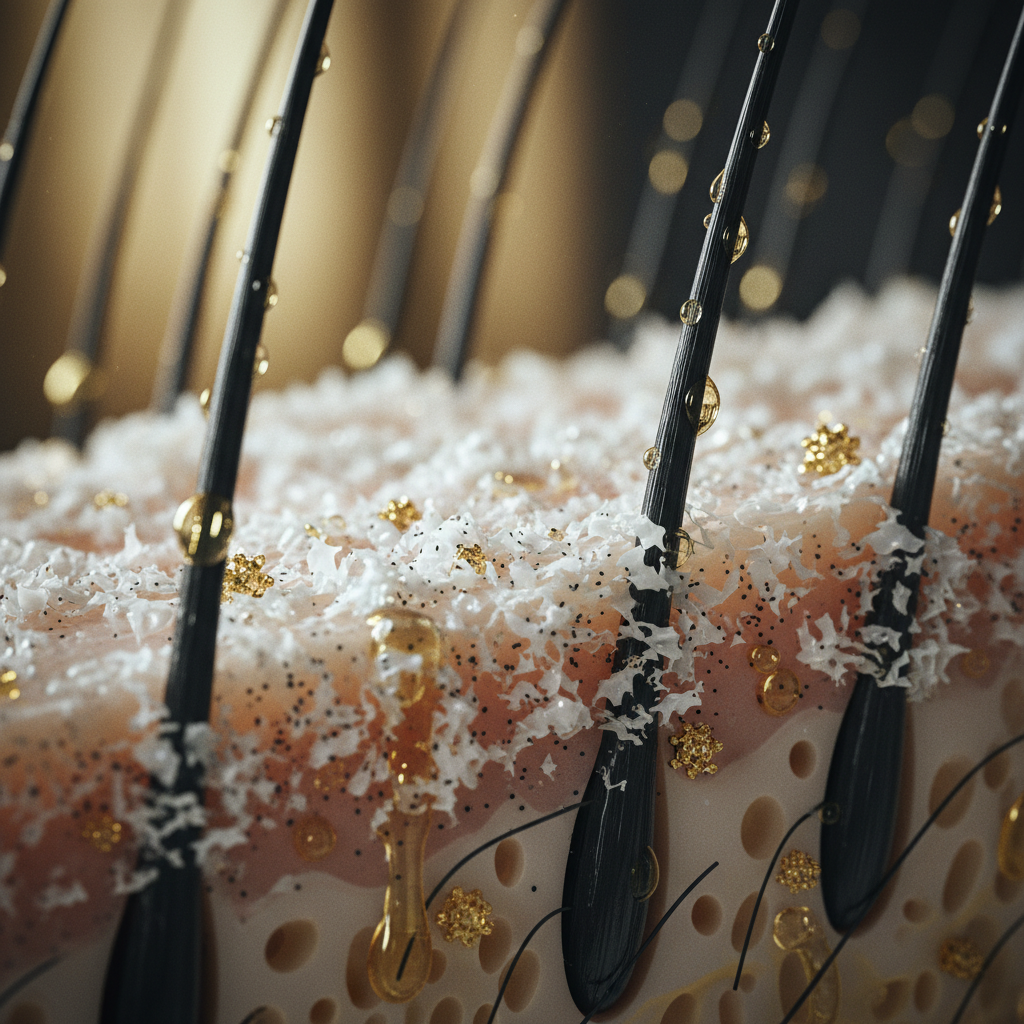
- Sebaceous lipid oxidation: The scalp produces up to 1 to 2 grams of sebum daily. When exposed to ambient oxygen and ultraviolet light, squalene and free fatty acids oxidise into squalene peroxide. This tacky substance irritates the epidermis and glues shedding skin cells into plaques.
- Polymer and mineral layering: Film-forming styling ingredients (copolymers, heavy silicones, waxes) resist water. In hard water areas, calcium and magnesium ions bind to these polymers and fatty acids, precipitating as insoluble soap scum directly onto the scalp and hair fibre.
- Microbial dysbiosis: The lipophilic yeast Malassezia feeds on excess sebum lipids, releasing inflammatory free oleic and arachidonic acids. This accelerates epidermal cell turnover from the normal 28-day cycle down to 10 to 14 days, flooding the scalp surface with immature corneocytes.
Scalp Build Up Treatments arrest this cycle by dissolving lipids, chelating mineral ions, and chemically breaking inter-corneocyte bonds.
Signs that indicate you need a treatment
Identifying when accumulation has shifted from a light surface film to an unhealthy barrier requires looking for clear clinical and aesthetic markers:
- Dull, limp roots: Hair fails to hold lift at the root even after washing and blow-drying, appearing weighed down by heavy coatings.
- Persistent itching without erythema: A low-grade, crawling itch caused by oxidised sebum irritating local nerve endings, without the distinct inflammatory red patches seen in eczema.
- Visible waxy debris under nails: Scratching the scalp lightly yields a soft, white-to-yellow paste rather than dry, falling flakes.
- Product resistance: Conditioners, serums, and hair colours fail to penetrate or distribute evenly across the hair fibre.
- Unpleasant odour (scalp malodour): A distinct sour smell caused by bacterial and fungal breakdown of rancid lipids, returning within hours of washing.
Scalp Build Up Treatments compared
Different treatment categories target specific components of scalp accumulation. The table below outlines how each works:
| Treatment Type | Primary Active Ingredients | Best For | Mechanism | Frequency |
|---|---|---|---|---|
| BHA Exfoliants | Salicylic acid (0.5% to 2%) | Oily scalps, follicular plugging | Oil-soluble; dissolves desmosomes and clears sebum within pores | 1 to 2 times weekly |
| AHA Exfoliants | Glycolic acid, lactic acid (2% to 5%) | Dry scalp with surface flaking | Water-soluble; dissolves bonds between dead surface cells, hydrates skin | Once weekly |
| Clarifying Shampoos | Sodium C14-16 olefin sulfonate, EDTA | Product residue, styling build-up | High-surfactant micellar cleansing; strips cosmetic polymers | Every 1 to 3 weeks |
| Chelating Shampoos | Tetrasodium EDTA, disodium EDTA, citric acid | Hard water deposits, chlorine, well water | Binds strongly to calcium, magnesium, copper, and iron ions | Once every 2 to 4 weeks |
| Enzymatic Peels | Papain, bromelain | Sensitive scalps intolerant of acids | Gently digests dead protein (keratin) without altering skin pH | Once weekly |
Practical steps for using clarifying and exfoliating formulas
To clear accumulation safely without causing barrier damage or hair fibre breakage, follow this structured routine:
- Pre-cleanse assessment: Determine whether your residue is oily (sebum-dominant) or chalky (hard water and styling product-dominant).
- Apply chemical treatments to dry or damp roots: If using a liquid salicylic acid or lactic acid scalp treatment, apply it directly to parted sections of the scalp before showering. Leave it on for 5 to 15 minutes as directed by the manufacturer. Avoid scrubbing the mid-lengths.
- Use lukewarm water: Emulsify the treatment with lukewarm water (roughly 37°C to 38°C). Excessively hot water inflames the scalp and stimulates compensatory sebum production.
- Follow with a clarifying wash: Massage a chelating or clarifying shampoo into the root area using the soft pads of your fingers, working for a full 60 seconds. Let the lather rinse down through the lengths rather than bunching the hair on top of your head, which causes cuticle friction.
- Replenish moisture: Clarifying leaves the hair shaft with raised cuticles and stripped lipids. Always apply a nourishing, silicone-free conditioner or mask from the mid-lengths to ends, keeping the product 2 to 3 centimetres away from the scalp.
When the cause is something else
Not all scalp debris is harmless build-up. Confusing a medical dermatological condition with product residue can worsen inflammation:
- Seborrhoeic dermatitis: Characterised by yellowish, greasy scales accompanied by distinct red, inflamed patches and intense itching. It requires antifungal actives like ketoconazole, ciclopirox, or zinc pyrithione. Acid-based clarifyers alone will not resolve the yeast overgrowth.
- Scalp psoriasis: Presents as thick, well-demarcated silvery-white plaques on red skin, often extending beyond the hairline. Psoriasis is an autoimmune condition requiring prescription topical corticosteroids, coal tar preparations, or vitamin D analogues.
- Contact dermatitis: If debris is accompanied by stinging, burning, or swelling within 48 hours of using a new product, an allergic or irritant response is likely. Stop all clarifying products and revert to hypoallergenic formulas.
When to seek professional advice
Consult a doctor, dermatologist, or qualified trichologist if:
- The scalp shows visible redness, swelling, bleeding, or oozing.
- Scalp build up treatments fail to relieve flaking or itching after three consecutive weeks of use.
- Flaking is accompanied by patchy hair shedding or thinning around the crown and temples.
- Pain or tenderness is felt around the hair follicles.
Supporting scalp balance with Watermans
When managing product residue and promoting optimal conditions at the scalp surface, using a balanced regimen is key. Watermans Grow Me Shampoo combines gentle clarifying surfactants with revitalising compounds like rosemary, biotin, caffeine, and argan oil. It thoroughly cleanses surface debris and environmental pollutants without completely stripping the protective moisture barrier. Following with Watermans Condition Me Conditioner restores lost slip and moisture to the hair lengths, smoothing the cuticle and preventing fibre breakage without leaving heavy occlusive waxes behind on the scalp.
Balance your scalp routine
Scalp Build Up Treatments are valuable tools for maintaining follicular hygiene, restoring shine, and allowing both the skin and hair to function at their best. By choosing the right mechanism, whether that is a clarifying surfactant, a chelating wash, or a chemical exfoliant like salicylic acid, you can keep the scalp environment balanced without triggering irritation or hair breakage. Treat the scalp with the same care and respect as the skin on your face: cleanse deliberately, exfoliate gently, and never hesitate to seek medical guidance when persistent inflammation appears.
Frequently asked questions about Scalp Build Up Treatments
How often should I use Scalp Build Up Treatments?
Most people benefit from using Scalp Build Up Treatments once every one to three weeks. If you use heavy styling pomades, dry shampoos, or live in a hard water area, once weekly is ideal. Those with dry or sensitive scalps should limit use to once a month to avoid compromising the skin's lipid barrier.
Can Scalp Build Up Treatments stop hair shedding?
Scalp Build Up Treatments do not treat genetic hair loss (alopecia), but they can reduce hair shedding caused by follicular occlusion. When sebum, dead cells, and debris accumulate, they can harbour microorganisms that trigger mild perifollicular inflammation, which sometimes accelerates shedding. Clearing this debris restores a healthy environment for natural growth.
Will apple cider vinegar act as an effective build up treatment?
Apple cider vinegar has an acidic pH (typically 2 to 3) that helps smooth the hair cuticle and break down weak mineral films. However, it lacks the micellar surfactants needed to emulsify heavy silicones, waxes, and stubborn sebum plaques. It should not replace formulated Scalp Build Up Treatments when significant residue is present.
Are physical scalp scrubs better than chemical treatments?
No, dermatologists generally prefer chemical Scalp Build Up Treatments (using salicylic, glycolic, or lactic acid) over physical scrubs. Coarse physical particles can create microscopic tears in the scalp skin, cause inflammation, and catch on hair shafts, leading to cuticle damage and breakage.
Sources and references
- American Academy of Dermatology Association: "Dandruff: How to treat" (2022).
- British Journal of Dermatology: "Scalp condition impacts hair growth through oxidative stress" (Trueb, R. M. Et al., 2018).
- International Journal of Cosmetic Science: "The scalp microbiome and its relationship to hair health" (Saxena, R. Et al., 2018).
- Journal of the Society of Cosmetic Chemists: "The chemistry and mechanics of hair cleansing and conditioning" (Zviak, C., 2015).
- NHS: "Seborrhoeic dermatitis and scalp conditions" (2023).
Find these ingredients in Watermans products
- Zinc: you will find this ingredient in our Hair Vitamins.