Scalp Anatomy: Understanding the Foundation of Hair Health
7 min read ·
The Scalp Anatomy is a complex biological system, comprising multiple layers and structures, that forms the foundation for healthy hair growth and protects the skull.
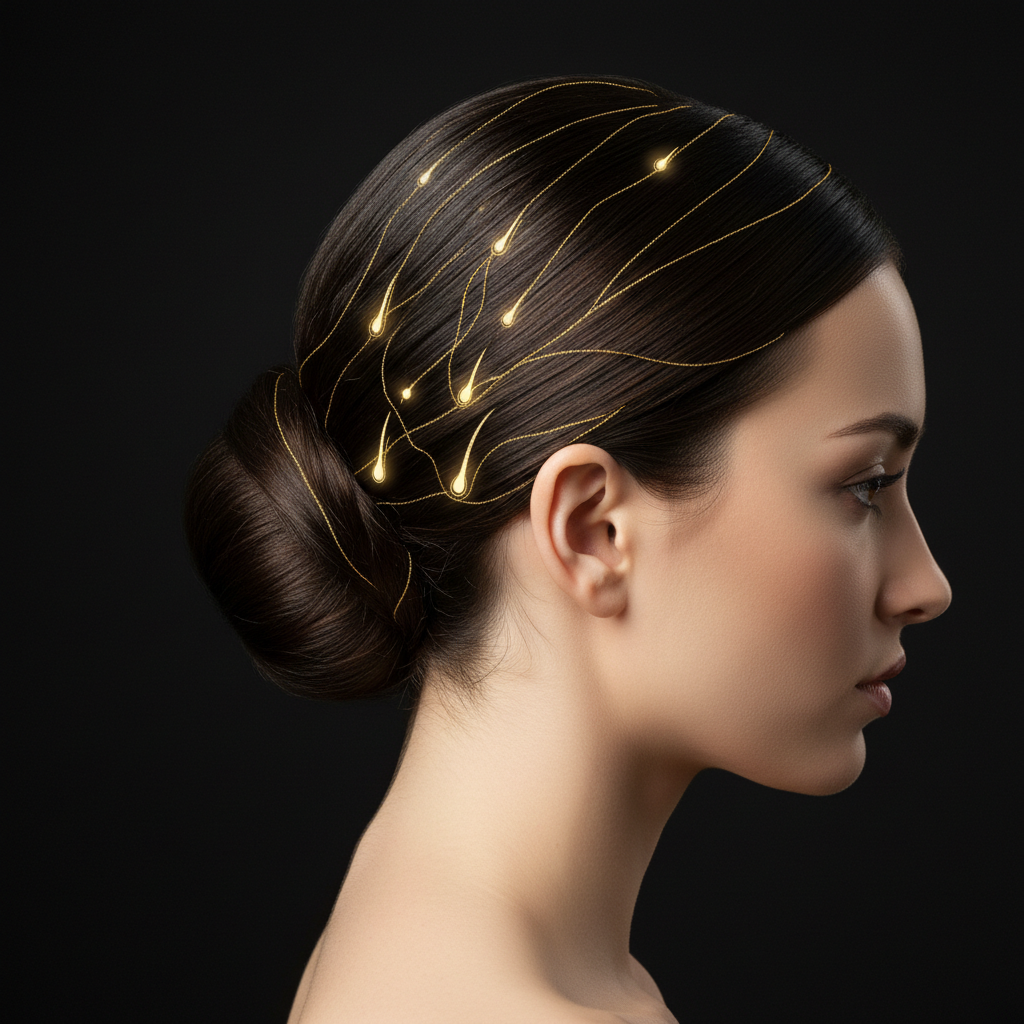
Quick answer: Scalp Anatomy refers to the intricate structure of the skin and underlying tissues covering the skull, which is fundamental to hair growth, scalp health, and protection of the brain. It includes several distinct layers, hair follicles, sebaceous glands, and a rich network of blood vessels and nerves. Understanding your Scalp Anatomy is crucial for maintaining hair vitality, although cosmetic products cannot alter its fundamental structure, only support its function.
Key takeaways
- The scalp is a multi-layered structure, far more complex than just skin, essential for protecting the brain and supporting hair.
- Hair follicles, embedded deep within the scalp, are dynamic mini-organs responsible for hair production.
- Sebaceous glands produce sebum, which lubricates hair and skin, forming a protective barrier.
- A healthy scalp environment, supported by good circulation and cellular turnover, is vital for optimal hair growth and overall hair appearance.
- Understanding Scalp Anatomy helps in recognising signs of imbalance and choosing appropriate hair care practices.
Scalp Anatomy: What the evidence shows
The scalp is the specialised skin and soft tissue covering the human skull, extending from the forehead to the nape of the neck and on both sides to the ears. It is a dynamic biological system, performing critical functions beyond just holding hair. Its primary roles include protecting the skull from physical trauma and ultraviolet radiation, providing insulation, and, crucially, serving as the environment for hair growth. The health and integrity of the scalp directly influence the quality and growth cycle of the hair it supports.
The Layers of the Scalp
The scalp is traditionally described using the mnemonic "SCALP", representing five distinct layers that work together:
- S - Skin: This is the outermost layer, thicker than skin on most other body parts (typically 2 to 8 mm). It is densely populated with hair follicles and sebaceous glands. The skin of the scalp is composed of two primary layers: the epidermis and the dermis.
- Epidermis: The most superficial layer, acting as a protective barrier against environmental aggressors and preventing excessive water loss. It undergoes continuous renewal, with cells forming at the base and migrating outwards, eventually shedding as dead skin cells. This turnover is a natural process, but an imbalance can lead to conditions like dandruff.
- Dermis: Located beneath the epidermis, this layer is rich in collagen and elastin fibres, providing strength and elasticity. It houses the critical components for hair health: hair follicles, sebaceous glands, sweat glands, nerve endings, and an extensive network of blood vessels that supply nutrients and oxygen.
- C - Connective Tissue: This dense layer lies immediately beneath the skin. It is rich in blood vessels and nerves, providing robust support and sensation to the scalp. Injuries to this layer can lead to significant bleeding due to the density of its vascular supply.
- A - Aponeurosis (Galea Aponeurotica): A tough, fibrous sheet of tendon that connects the frontalis muscle (in the forehead) to the occipitalis muscle (at the back of the head). This layer is strong and provides structural integrity to the scalp.
- L - Loose Areolar Tissue: This layer is a crucial surgical plane because it allows the entire scalp to move freely over the skull. It contains emissary veins that connect the scalp's superficial veins to the intracranial venous sinuses. Infections in this layer can spread easily.
- P - Pericranium: This is the deepest layer of the scalp, a dense connective tissue membrane that adheres firmly to the outer surface of the skull bones (the periosteum). It provides nourishment to the bone and plays a role in bone repair.
Hair Follicles: The Engines of Hair Growth
Hair follicles are complex, mini-organs embedded within the dermis, extending down into the subcutaneous tissue. Each follicle is a dynamic structure that undergoes a cyclical process of growth, regression, and rest. The average human scalp contains approximately 100,000 to 150,000 hair follicles, though this number can vary with age, genetics, and ethnicity.
Key components of a hair follicle include:
- Hair Shaft: The visible part of the hair, made of keratinised protein.
- Inner and Outer Root Sheaths: These layers surround and protect the growing hair shaft.
- Sebaceous Gland: Attached to the follicle, it produces sebum.
- Arrector Pili Muscle: A small muscle that causes hair to stand upright, creating "goosebumps".
- Dermal Papilla: Located at the base of the follicle, this is a critical structure containing a rich blood supply and nerve endings. It regulates hair growth and provides essential nutrients and signals.
- Hair Matrix: Cells around the dermal papilla that rapidly divide to produce the hair shaft.
Understanding the hair growth cycle (anagen, catagen, telogen) is vital for understanding conditions like telogen effluvium, where an increased number of hairs prematurely enter the resting phase. (See also: Anagen Effluvium and Hair Anatomy: Understanding the Structure and Science of Your Hair).
Sebaceous Glands and Sebum Production
Sebaceous glands are microscopic glands in the skin, almost always associated with hair follicles on the scalp. Their primary function is to produce and secrete sebum, an oily, waxy substance.
Function of Sebum:
- Lubrication: Sebum lubricates the hair shaft, making it pliable and reducing friction and breakage. It also keeps the skin soft and moisturised.
- Protective Barrier: Sebum, along with sweat, forms the skin's acid mantle, a thin, protective film that helps maintain the scalp's pH (typically between 4.5 and 5.5) and protects against bacterial and fungal growth.
- Antioxidant Properties: Sebum contains squalene and vitamin E, which offer some protection against oxidative damage. (See also: Sebum Regulation: Understanding and Managing Scalp Oiliness and Oily Scalp Care: Understanding and Managing Excess Sebum).
Blood Supply and Nerves
The scalp has a remarkably rich blood supply, primarily from branches of the external carotid artery (superficial temporal, posterior auricular, occipital arteries) and the internal carotid artery (supratrochlear, supraorbital arteries). This extensive vascular network ensures a constant supply of oxygen and nutrients to the hair follicles and surrounding tissues, vital for healthy hair growth. Compromised blood flow can negatively impact hair follicle function.
Nerve supply to the scalp is also dense, providing sensation and enabling protective reflexes. Branches of the trigeminal nerve, cervical spinal nerves, and the facial nerve contribute to the scalp's innervation.
Cellular Turnover and Scalp Health
Normal scalp skin cells completely renew themselves approximately every 20 to 30 days. This process ensures the removal of old, dead cells and their replacement with new, healthy ones. When this turnover becomes too rapid or too slow, it can lead to various scalp conditions:
- Rapid Turnover: Can manifest as excessive flaking and irritation, often seen in conditions like dandruff or seborrheic dermatitis. (See also: Dandruff: Causes and Treatments Explained).
- Slow Turnover: Can lead to a build-up of dead skin cells, potentially blocking follicles and creating an unhealthy environment for hair growth.
Maintaining a balanced cellular turnover is a key aspect of scalp health, influencing issues from dryness to oiliness and the general appearance of hair.
What you can do to support Scalp Anatomy
While you cannot change the fundamental Scalp Anatomy, you can support its healthy function through appropriate care:
- Gentle Cleansing: Regular, gentle cleansing helps remove excess sebum, dead skin cells, and product build-up without stripping the scalp's natural oils. This supports the natural cellular turnover and prevents follicle blockages. (See also: Hair Cleansing and Conditioning and Choosing the Right Shampoo for Your Hair Type).
- Moisturisation and Conditioning: Keeping the scalp adequately moisturised helps maintain the skin barrier function. Conditioners and scalp treatments can provide essential hydration. (See also: Hair Hydration: The Science Behind Keeping Hair Moist).
- Protection from Environmental Damage: Shielding the scalp from harsh UV radiation and pollution can prevent damage to skin cells and follicles.
- Balanced Diet and Hydration: A nutrient-rich diet provides the necessary building blocks for healthy hair and scalp tissues. Adequate water intake supports overall skin health, including the scalp.
- Avoid Over-processing: Excessive heat styling, harsh chemical treatments, and tight hairstyles can stress the scalp and hair follicles, potentially leading to damage or breakage. (See also: Heat Styling Safety Best Practices and Chemical Hair Treatments: What They Are and How They Affect Hair).
When to seek professional advice
While minor scalp issues can often be managed with appropriate over-the-counter products and improved hair care routines, some symptoms warrant professional medical attention. Consult a GP or a dermatologist if you experience:
- Persistent itching, burning, or tingling sensations on the scalp.
- Severe redness, inflammation, or scaling that doesn't improve with regular care.
- Sudden or significant hair shedding or hair loss that is unexplained.
- Open sores, blisters, or signs of infection (pus, increasing pain).
- Unusual lumps or bumps on the scalp.
These symptoms could indicate underlying dermatological conditions that require diagnosis and treatment by a healthcare professional.
Frequently asked questions about Scalp Anatomy
Does Scalp Anatomy differ between individuals?
Yes, while the basic Scalp Anatomy is consistent, there can be individual variations. Factors like genetics, age, and ethnicity can influence hair density, follicle size, sebaceous gland activity, and scalp thickness. These variations contribute to differences in hair texture, oiliness, and susceptibility to certain conditions, but the fundamental layers and structures remain the same.
How does Scalp Anatomy relate to hair loss?
Scalp Anatomy is intrinsically linked to hair loss. Conditions like androgenetic alopecia involve miniaturisation of hair follicles, changing their structure and ability to produce healthy hair. Inflammation, poor circulation, or damage to the dermal papilla can also disrupt the hair growth cycle, leading to increased shedding or reduced hair production. Maintaining a healthy scalp environment is a supportive factor for overall hair health.
Can diet impact Scalp Anatomy?
Diet doesn
Find these ingredients in Watermans products
- Vitamin E: you will find this ingredient in our Hair Vitamins.