Salicylic Acid for Scalp: Understanding Its Role in Scalp Health
9 min read ·
Salicylic acid for scalp care is a well-established ingredient, primarily valued for its exfoliating action which helps manage flaking and excess oil.
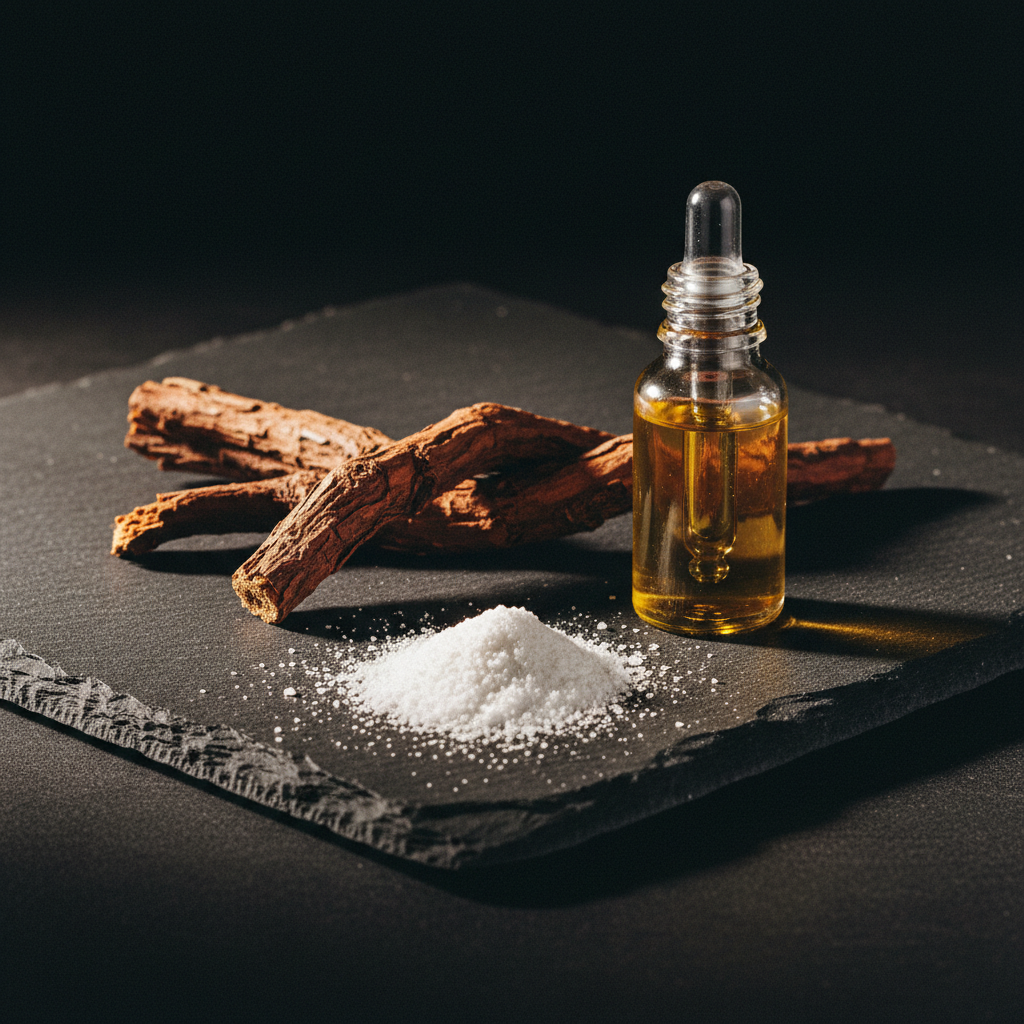
Quick answer: Salicylic acid for scalp treatments is primarily known for its exfoliating properties, helping to shed dead skin cells and reduce excess sebum. This can be particularly beneficial for managing conditions like dandruff and seborrhoeic dermatitis, which often involve flaking and oiliness. However, it's important to note that salicylic acid itself does not treat hair loss (alopecia) or certain underlying medical conditions, and its use should always align with product instructions and professional advice where necessary. Its benefits are cosmetic and focused on scalp skin health, not hair growth directly.
Key takeaways
- Salicylic acid is a beta-hydroxy acid (BHA) primarily used for its keratolytic (exfoliating) properties on the scalp.
- It helps to loosen and shed dead skin cells, clear pores, and reduce excess oil, making it useful for conditions like dandruff and seborrhoeic dermatitis.
- The ingredient works by breaking down the bonds between dead skin cells, allowing them to be washed away more easily.
- While it promotes a healthier scalp environment, salicylic acid for scalp care does not directly treat hair loss (follicular alopecia) or stimulate hair growth.
- Concentrations typically range from 1% to 3% in over-the-counter scalp products, with higher concentrations available by prescription.
- Side effects can include dryness, irritation, or temporary increased shedding if used excessively or in too high a concentration.
Salicylic acid for scalp: what the evidence shows
Salicylic acid is a widely studied ingredient in dermatology, particularly for its benefits on skin conditions involving scaling and excess oil, and this applies directly to its use on the scalp. It is a beta-hydroxy acid (BHA) known for its ability to exfoliate the skin surface, making it an effective agent for managing conditions such as dandruff (pityriasis capitis) and seborrhoeic dermatitis.
Evidence from dermatological research consistently supports salicylic acid's keratolytic action. This means it helps to break down and loosen dead skin cells on the scalp, allowing them to be easily washed away. For individuals experiencing flaking, scaling, or crusting, products containing salicylic acid for scalp treatment can significantly improve symptoms by clearing away these build-ups. Controlled studies have shown that salicylic acid, often in combination with other active ingredients like zinc pyrithione or selenium sulphide, is effective in reducing the symptoms of dandruff by decreasing scalp scaling and itching (Journal of the American Academy of Dermatology, 2018). Similarly, for seborrhoeic dermatitis, its exfoliating properties help to manage the characteristic greasy scales.
It's important to distinguish between scalp health and hair growth. While a healthy scalp environment can indirectly support healthy hair, salicylic acid does not have a direct role in stimulating hair growth or treating common forms of hair loss, such as androgenetic alopecia. Its action is focused on the skin of the scalp itself. Claims that salicylic acid can prevent hair loss or promote hair regrowth are not supported by robust scientific evidence.
How salicylic acid works on your scalp
Salicylic acid is a lipophilic, or oil-soluble, compound. This characteristic allows it to penetrate oily skin areas, including hair follicles, where it can dissolve sebum and cellular debris. The primary mechanism of action is keratolysis, which refers to the breaking down of keratin in the outermost layer of the skin (stratum corneum). By loosening the desmosomes (the connections between skin cells), salicylic acid facilitates the shedding of dead skin cells and scale build-up. This process helps to:
- Exfoliate the scalp: Removing dead skin cells and flakes, which can otherwise contribute to itching and irritation.
- Clear pores: Penetrating the hair follicles to dissolve sebum and debris, potentially reducing blockages that can lead to issues like folliculitis.
- Reduce oiliness: While not directly reducing sebum production, by helping to clear excess oil from the scalp surface and follicles, it can contribute to a less greasy feeling.
This exfoliating action creates a cleaner, healthier scalp environment, which can alleviate symptoms associated with an unhealthy scalp, such as itching and visible flakes.
What salicylic acid does not treat
While highly effective for managing certain scalp conditions, it's crucial to understand the limitations of salicylic acid for scalp treatment. It does not:
- Treat hair loss (alopecia): Salicylic acid is not a treatment for androgenetic alopecia, telogen effluvium, or other forms of hair loss. Its action is superficial on the scalp skin, not targeting the follicular mechanisms involved in hair growth cycles. For information on genuine hair loss, see topics like Anagen Effluvium.
- Cure underlying medical conditions: While it manages symptoms of conditions like seborrhoeic dermatitis, it does not cure the underlying cause, which may involve yeast overgrowth (Malassezia) or inflammatory responses. It often works best as part of a broader treatment plan.
- Provide deep conditioning: Salicylic acid is an exfoliant, not a conditioner or moisturiser. While it can clear the way for other products to work better, it does not directly hydrate or nourish the hair fibre.
Signs your scalp might benefit from salicylic acid
Consider using a product with salicylic acid if you experience the following:
- Persistent flaking: White or yellowish flakes on your scalp or clothing, often associated with dandruff.
- Scalp scaling: Patches of thickened, scaly skin.
- Itchiness: An irritated or itchy scalp, especially when accompanied by flaking or oiliness.
- Excessive oiliness: A scalp that feels consistently greasy or oily, even shortly after washing. See Oily Scalp Care: Understanding and Managing Excess Sebum.
- Build-up: A feeling of product residue or general heaviness on the scalp that regular shampooing doesn't seem to shift. This is where topics like How to Do a Clarifying Wash: A Guide to Deep Hair Cleansing can be useful.
These symptoms often point to an accumulation of dead skin cells and sebum that salicylic acid can help to address.
Common concentrations and usage guidelines
Salicylic acid is available in various concentrations, typically found in over-the-counter products for scalp care and shampoos. For general scalp exfoliation and mild dandruff, concentrations often range from 1% to 2%. In medicated shampoos for more severe dandruff or seborrhoeic dermatitis, you might find concentrations up to 3%. Higher concentrations (e.g., 5% to 10%) are generally reserved for prescription formulations or professional use, particularly for conditions like psoriasis, and should only be used under medical supervision.
When using products containing salicylic acid:
- Follow product instructions: Always adhere to the manufacturer's guidelines for application frequency and duration.
- Start slowly: If you are new to salicylic acid, begin with less frequent use (e.g., once or twice a week) to assess your scalp's tolerance.
- Patch test: Apply a small amount to an inconspicuous area first to check for any adverse reactions.
- Rinse thoroughly: Ensure all product is rinsed from the hair and scalp to prevent residue or irritation.
Potential side effects and precautions
While generally well-tolerated, some individuals may experience side effects when using salicylic acid for scalp products, especially with overuse or higher concentrations:
- Dryness or irritation: The exfoliating action can sometimes lead to dryness, redness, or a stinging sensation, particularly on sensitive scalps.
- Increased flaking initially: Sometimes, an initial increase in flaking can occur as the acid begins to loosen dead skin cells, but this should subside with continued use.
- Sun sensitivity: Although less common with scalp applications than on facial skin, salicylic acid can temporarily increase sun sensitivity. It's always wise to protect your scalp from excessive sun exposure.
- Allergic reactions: Though rare, some individuals may experience an allergic reaction, characterised by severe itching, swelling, or rash.
Pregnant or breastfeeding individuals, and those with certain medical conditions, should consult a healthcare professional before using salicylic acid products. Avoid contact with eyes.
When to seek professional advice
While over-the-counter salicylic acid products can be effective for common scalp concerns, there are times when professional medical advice is essential:
- No improvement: If your scalp condition does not improve after several weeks of consistent use, or if it worsens.
- Severe symptoms: If you experience severe redness, inflammation, intense itching, pain, or open sores on your scalp.
- Hair loss: If you notice significant or sudden hair loss (alopecia) accompanying your scalp symptoms. This could indicate a different underlying condition requiring specific diagnosis and treatment.
- Uncertain diagnosis: If you are unsure about the cause of your scalp issues, a dermatologist can provide an accurate diagnosis and tailored treatment plan.
- Adverse reactions: If you experience significant irritation, allergic reaction, or unexpected side effects from using salicylic acid.
A dermatologist or trichologist can help differentiate between conditions like simple dandruff, seborrhoeic dermatitis, psoriasis, or other less common scalp disorders, ensuring you receive appropriate care.
Frequently asked questions about Salicylic acid for scalp
Can salicylic acid cause hair shedding?
It is unlikely that salicylic acid for scalp treatment would directly cause significant hair shedding (hair leaving the follicle) when used as directed. Its action is primarily on the skin surface. However, overuse or irritation from salicylic acid could potentially exacerbate an existing scalp issue, which in turn might indirectly lead to some temporary increase in shedding. If you notice unusual or excessive hair shedding, consult a professional, as it is likely due to an unrelated cause.
Is salicylic acid safe for colour-treated hair?
Yes, salicylic acid is generally considered safe for colour-treated hair. Its action is focused on the scalp, not the hair shaft itself, so it should not strip or alter hair colour. However, always ensure you rinse thoroughly, as any residue could theoretically leave a dull film. If you have concerns, opt for products specifically formulated for colour-treated hair that include salicylic acid, or consult your stylist. See Maintaining Colour-Treated Hair: A Guide to Longevity and Health.
How often should I use salicylic acid on my scalp?
The frequency of using salicylic acid on your scalp depends on the product concentration and your individual scalp sensitivity and condition. Many over-the-counter shampoos suggest using them two to three times a week. For milder issues, once a week might suffice. Always follow the specific instructions on your product label. If you experience dryness or irritation, reduce frequency or use a lower concentration product.
Can I use salicylic acid with other scalp treatments?
You can often use salicylic acid with other scalp treatments, but caution is advised. Combining it with other exfoliating ingredients (like alpha-hydroxy acids or physical scrubs) might increase irritation. If you are using prescription topical treatments, always consult your doctor or dermatologist before adding salicylic acid to your routine, as interactions or increased side effects can occur. It pairs well with hydrating treatments once the exfoliating phase is complete.
Enhancing your scalp care with Watermans
While salicylic acid for scalp care is a powerful ingredient for exfoliation and managing flaking, achieving overall healthy hair and scalp often involves a holistic approach. Watermans products are formulated to support optimal hair health through a blend of beneficial ingredients.
For a comprehensive routine that complements the exfoliating action of salicylic acid, consider incorporating products designed to nourish the scalp and hair. For example, Watermans Grow Me Hair Growth Shampoo is formulated with ingredients that help create an optimal environment for hair, while Watermans Grow Me Hair Growth Serum provides targeted support for follicular health. These products focus on improving the overall condition and appearance of your hair and scalp, working alongside ingredients like salicylic acid where appropriate, to help hair look fuller and healthier. Remember, healthy hair starts with a healthy scalp.
Sources and references
- American Academy of Dermatology Association, "Dandruff: Who gets and causes", aad.org
- Dermatology Times, "Salicylic Acid: A Review of its Use in Dermatology", 2009
- Journal of the American Academy of Dermatology, "Efficacy and safety of a salicylic acid 3% shampoo in the treatment of mild to moderate dandruff: A randomized, double-blind, placebo-controlled study", 2018
- National Institute for Health and Care Excellence (NICE), "Seborrhoeic dermatitis - scalp", 2021, nice.org.uk
- Pfeiffer, C. M., et al. "Salicylic Acid." Clinical Toxicology, 2004.
- PubMed Central, "Topical Salicylic Acid for Psoriasis: A Review", 2020
- U.S. National Library of Medicine, MedlinePlus, "Salicylic Acid Topical", 2023, medlineplus.gov
Find these ingredients in Watermans products
- Zinc — you will find this ingredient in our Hair Vitamins.