Safe Hair Lightening Techniques: The Science of Minimising Breakage
9 min read ·
Learn how Safe Hair Lightening Techniques preserve hair elasticity, reduce chemical breakage, and lift colour responsibly through evidence-based salon practices.
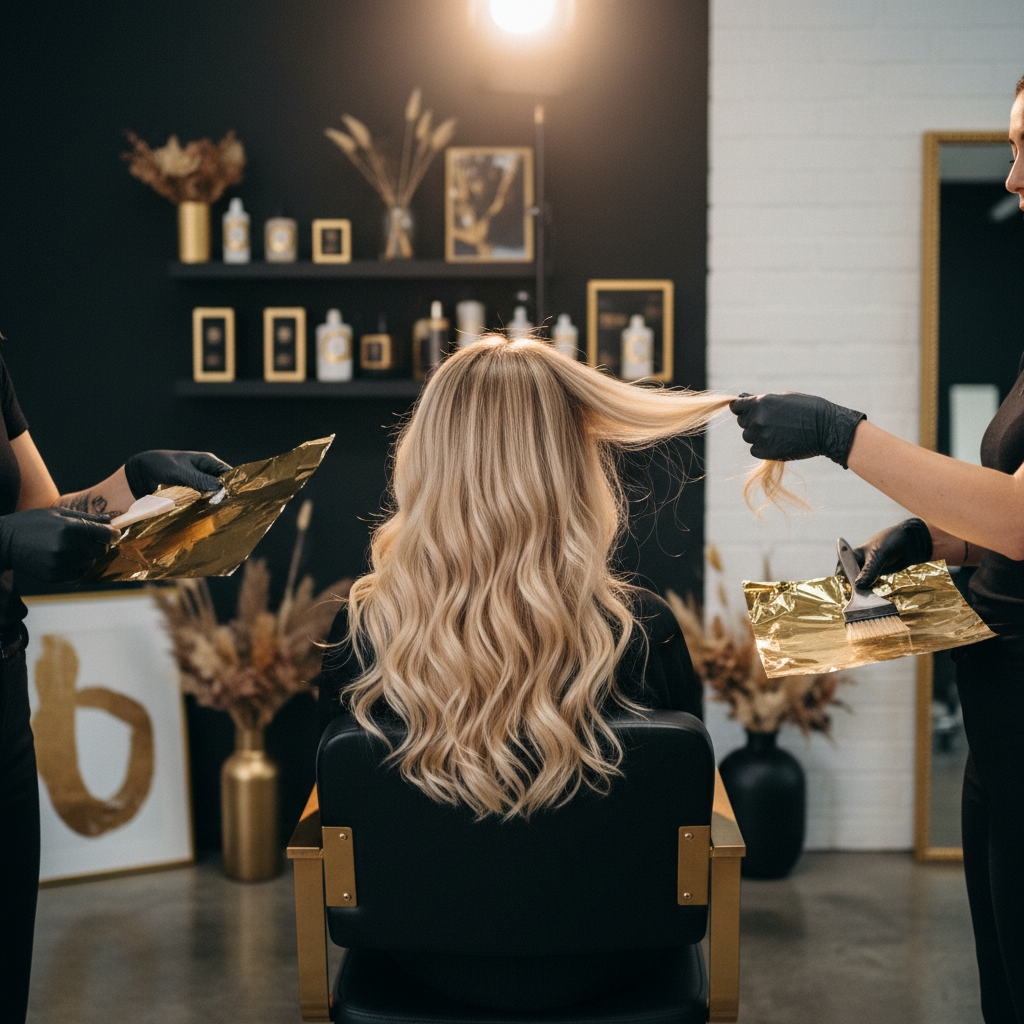
Quick answer: Safe Hair Lightening Techniques focus on lifting natural or artificial melanin while minimising irreversible structural damage to the hair fibre. Achieving lighter hair safely requires low-volume developers, staged lifting sessions, protective bond builders, and post-bleach pH rebalancing. While no chemical bleaching process is entirely risk-free, adopting evidence-based protocols prevents severe cuticle degradation and keratin loss. The main limitation is that hair cannot regenerate biological proteins once broken; safety measures only preserve existing structural integrity, meaning previously compromised hair can only handle minimal chemical stress.
Key takeaways
- Safe hair lightening relies on controlled alkaline swelling rather than aggressive oxidation, keeping the cuticle as intact as possible.
- Lower-strength developers (such as 10 or 20 volume) applied over multiple sessions produce significantly less structural breakage than high-volume (30 or 40 volume) processing.
- Hair lightening strictly causes mechanical and chemical hair breakage along the shaft; it does not alter the follicular growth cycle or cause hair loss at the scalp unless severe chemical burns occur.
- Formulations enriched with cystine-protecting bond builders help mitigate the cleavage of disulfide bonds within the hair cortex.
- Porosity, natural melanin composition (eumelanin versus pheomelanin), and past chemical treatments dictate the maximum lift possible in a single session.
Safe Hair Lightening Techniques: what the evidence shows
Scientific literature on cosmetic chemistry shows that hair lightening is an oxidative degradation process. Melanin granules, located predominantly within the cortex of the hair, are solubilised and decolorised by alkaline hydrogen peroxide. The active agent lifts the overlapping cuticle scales, penetrates the cortex, and oxidises the melanin pigments.
Research demonstrates that the difference between catastrophic structural collapse and successful lift lies in processing speed and chemical concentration. Applying 6 percent hydrogen peroxide (20 volume) over 45 minutes dissolves melanin at a steady rate while preserving a greater percentage of the internal polypeptide matrix. Conversely, using 12 percent peroxide (40 volume) rapidly hydrolyses disulfide bonds, converting cystine into cysteic acid. This conversion permanently weakens the tensile strength of the hair strand.
Safe Hair Lightening Techniques prioritise preserving the cuticle. When the cuticle remains reasonably flat, internal moisture is retained, and the cortex stays protected from external friction. Cosmetic dermatological studies consistently reveal that staged lightening (lifting the hair over two to four visits spaced 4 to 6 weeks apart) retains significantly more tensile strength than rapid single-session transformations.
The biochemical mechanism: what happens during lightening
Lightening hair alters its physical and chemical structure through three distinct phases:
- Cuticle Swelling: Persulphate salts and ammonium hydroxide elevate the natural pH of hair (typically 4.5 to 5.5) up to an alkaline range of 9.0 to 11.0. This extreme shift forces the cuticle scales to flare open, allowing chemicals to enter the shaft.
- Melanin Oxidation: Alkaline hydrogen peroxide generates perhydroxyl ions that break down the double bonds within eumelanin (brown-black pigment) and pheomelanin (red-yellow pigment). As the chromophores break down, they reflect lighter wavelengths of light.
- Keratin Hydrolysis: As an unavoidable side effect, the oxidising agent targets the sulfur-rich amino acid cystine. Disulfide bonds, which provide hair with elasticity and shape, are severed. If the reaction continues unchecked, cysteic acid levels surge, resulting in porous, brittle fibres prone to snapping.
Intact Hair (pH 4.5 - 5.5)
 --> Alkaline Agent (pH 9.0 - 11.0)
 --> Cuticle Scales Swell & Lift
 --> Peroxide Penetrates Cortex
 --> Melanin Granules Dissolve (Oxidation)
 --> Disulfide Bonds Break (Collateral Damage)
Hair breakage versus hair loss: an essential distinction
A common misconception among clients is that bleaching causes immediate hair shedding or alopecia. It is vital to separate hair shedding and hair loss from hair breakage.
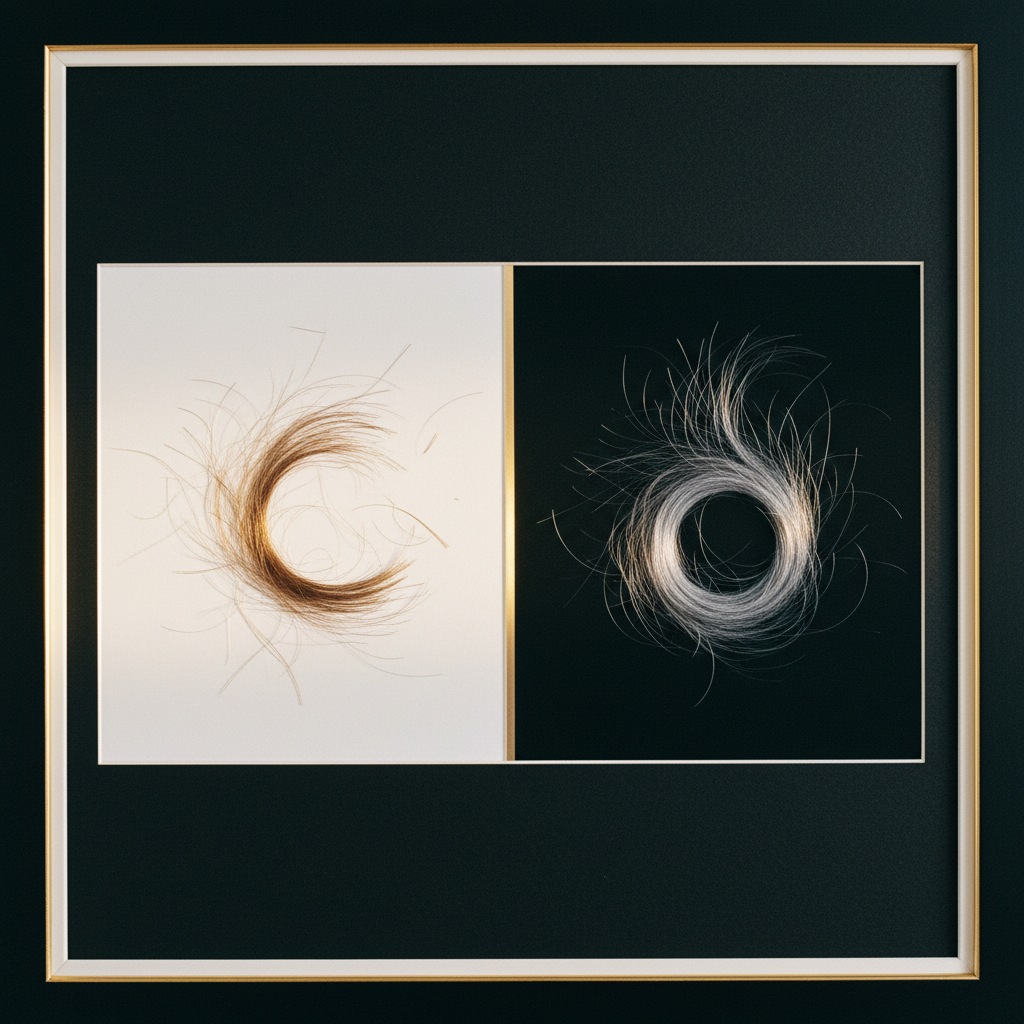
Hair shedding (such as telogen effluvium) occurs deep within the follicle under the scalp surface. Under normal circumstances, lightening products never touch the dermal papilla. Therefore, bleaching does not trigger true follicular hair loss.
What people mistake for loss is hair breakage. When excessive oxidation destroys too many disulfide cross-links, the hair fibre loses its tensile resilience. Brushing, washing, or gentle tension causes the hair to snap along the shaft, often near the root if bleach overlapped onto previously lightened areas. Unless severe chemical burns occur from improper bleach application directly on the scalp, the follicle remains entirely healthy and continues its normal anagen growth cycle.
Practical strategies for safe lifting
Executing Safe Hair Lightening Techniques requires clear protocols:
- Conduct a strand and elasticity test: Before applying chemical lighteners, assess wet tensile recovery. If a damp strand stretches and fails to bounce back, or snaps under minimal tension, chemical lightening must be postponed.
- Choose lower peroxide volumes: Opt for 10 or 20 volume developers. Lower volumes work slower, generating fewer destructive hydroxyl radicals per second, which dramatically preserves cortex density.
- Incorporate bond-multiplying additives: Dicarboxylic acids and maleic acid derivatives help shield cystine linkages and form cross-links during oxidative stress.
- Avoid unnecessary heat: Adding hooded dryers or infrared lamps accelerates the oxidation rate unpredictably, increasing the likelihood of cuticle blistering and severe protein loss.
- Section finely and saturate fully: Applying bleach thinly leads to premature drying, which stops the lift and prompts operators to reapply stronger mixtures. Small, even sections ensure uniform lift without requiring harsh formulations.
- Acidify the hair post-bleach: Once lifted, hair must be treated with an acidic rinse or conditioning seal (pH 3.5 to 4.5) to close the cuticle, restore the isoelectric point, and neutralise lingering alkaline residue.
Comparing hair lightening approaches
| Technique | Typical Developer Strength | Lift Level Per Session | Impact on Cuticle & Cortex | Recommended Hair Type |
|---|---|---|---|---|
| Staged Low-Volume Lift | 10 to 20 Volume (3% to 6%) | 2 to 3 levels | Low to moderate; preserves elasticity | Previously coloured, fine, or porous hair |
| Single-Session High-Lift | 30 to 40 Volume (9% to 12%) | 5 to 7 levels | Severe; high cysteic acid formation | Virgin, coarse, highly resilient hair only |
| Balayage / Open-Air Clay | 20 to 30 Volume (6% to 9%) | 2 to 4 levels | Moderate; outer shell oxidises slower | Natural, uncoloured hair seeking subtle lift |
| Oil-Based Bleach Washes | 10 to 20 Volume with shampoo | 1 level | Minimal; diluted alkaline impact | Minor tone correction or gentle pre-lightening |
What the evidence does not show
There are persistent myths surrounding natural or non-chemical lightening methods. Science does not support the claim that pantry ingredients like lemon juice, honey, or cinnamon lighten hair without damage.
Lemon juice contains citric acid (pH around 2.0 to 2.5). When combined with sunlight (ultraviolet radiation), it triggers uncontrolled photochemical oxidation. While it does lighten melanin, the low pH combined with UV radiation strips the hydrophobic lipid layer (18-MEA) from the cuticle. This leaves hair excessively dry, brittle, and susceptible to split ends.
Similarly, claims that bond-building treatments make hair "impervious to bleach" are inaccurate. Bond builders lessen damage; they do not eliminate it. Over-processing with bond builders still results in structural failure if the chemical limits of the hair fibre are exceeded.
Signs of over-processed hair to monitor
Stylists and individuals should watch for distinct signs of over-processing during and after a service:
- The "chewing gum" effect: Wet hair feels slimy and stretches excessively without returning to its resting length.
- High wet porosity: Hair absorbs vast amounts of water quickly, takes hours to dry, and tangles instantly when wet.
- Loss of natural curl pattern: Wavy, curly, or coily hair appears limp, straight, or unevenly loose because internal structural support has been depleted.
- Dusting and micro-breakage: Tiny, uniform pieces of hair break off onto clothing or bathroom counters when lightly combed.
Supporting the hair during lightening cycles
Between lightening sessions, the objective changes from chemical lifting to barrier preservation. The natural F-layer (a protective lipid coating) is removed during the first alkaline lift, leaving the fibre hydrophilic and vulnerable to mechanical friction.
Replenishing lipids via deep-conditioning masks containing fatty alcohols, ceramides, and hydrolysed proteins temporarily fills the voids created in the cortex. This reduces surface friction, preventing daily brushing from breaking the lightened strands.
For individuals looking to maintain a balanced scalp environment and minimise friction breakage along fragile hair shafts, incorporating gentle, nutrient-rich formulas can be beneficial. Watermans offers the Grow More Shampoo and Condition Me Conditioner, designed to revitalise hair condition. These formulations feature hydrolysed lupin protein, biotin, caffeine, and argan oil to deliver targeted moisture, smooth the cuticle surface, and support the feel of thicker, stronger hair between salon appointments.
Frequently asked questions about Safe Hair Lightening Techniques
Can you lighten hair without using any bleach?
Yes, but only under limited conditions. High-lift permanent colour can lighten natural, virgin hair up to three or four levels using hydrogen peroxide and ammonia without persulphate bleaches. However, if your hair has already been dyed with artificial pigments, colour cannot lift colour. In that scenario, only bleaches or targeted colour reducers can remove the existing pigment.
What are the safest Safe Hair Lightening Techniques for dark hair?
The safest approach for dark hair involves staged lightening using 20-volume developer across multiple appointments spaced 4 to 6 weeks apart. Dark hair contains high concentrations of red and yellow pheomelanin, which takes longer to oxidise. Attempting to lift dark hair to blonde in a single appointment requires high-strength chemicals that strip too much structural keratin.
How soon after bleaching can I lighten my hair again?
You should wait at least 4 to 6 weeks between lightening treatments. This timeframe gives the hair cuticle opportunity to settle and allows you to replenish surface lipids using deep-conditioning treatments. Rushing back for another session too quickly compounds protein degradation and dramatically increases hair breakage.
Does safe hair lightening cause permanent hair damage?
Yes, to some degree. Because the hair shaft is biologically non-living tissue, it cannot self-repair once disulfide bonds are severed and the protective 18-MEA lipid layer is removed. While Safe Hair Lightening Techniques dramatically minimise this degradation compared to aggressive methods, some degree of structural protein loss is an inherent part of the oxidation process.
Preserving fibre integrity during chemical lightening
Achieving a lighter hair shade does not have to mean sacrificing the condition of your hair. By understanding the underlying chemistry of oxidative lifting and rejecting rushed, aggressive methods, it is entirely possible to transform hair colour while keeping the cuticle intact. True safety in lightening comes from prioritising patience, respecting the limits of the protein matrix, and adopting proven Safe Hair Lightening Techniques. Working with lower-strength peroxides, using protective bond additives, and committing to disciplined post-bleach hydration ensures your hair retains its natural bounce, gloss, and strength long after you leave the chair.
Sources and references
- Robbins, C. R. (2012). Chemical and Physical Behavior of Human Hair. 5th ed. Springer-Verlag.
- Federal Institute for Risk Assessment (BfR). (2020). Hair lighteners and oxidative hair dyes: Assessment of chemical safety and health risks.
- Cruz, C. F., et al. (2016). "Human Hair Keratin after Chemical Treatments: A Review." International Journal of Cosmetic Science, 38(5), 435-444.
- Society of Cosmetic Scientists (SCS). (2018). Principles of Modern Hair Colouring and Bleaching Chemistry. Education Monograph Series.
- National Institute for Health and Care Excellence (NICE). (2021). Alopecia and scalp assessments: Clinical knowledge summaries.
Find these ingredients in Watermans products
- Biotin: you will find this ingredient in our Hair Growth Shampoo.