Protecting the Hair Lipid Barrier: Structure, Damage, and Care
9 min read ·
Protecting the hair lipid barrier preserves essential 18-MEA and ceramides, preventing moisture loss and fibre breakage caused by heat and chemical processing.

Quick answer: Protecting the hair lipid barrier means preserving the microscopic layer of natural fatty acids, predominantly 18-methyleicosanoic acid (18-MEA) and internal ceramides, that seals the cuticle and repels moisture. When chemical treatments, excessive heat, or harsh detergents strip these lipids, hair becomes porous, fragile, and prone to friction-induced snapping. However, cosmetic products cannot biologically regenerate lost covalent lipid bonds. Protecting the hair lipid barrier requires proactive prevention alongside topical conditioning agents that mimic the missing hydrophobic shield to control moisture uptake.
Key takeaways
- The primary component of the outermost lipid layer is 18-methyleicosanoic acid (18-MEA), which covalently binds to the cuticle surface.
- Internal lipids, including ceramides, free fatty acids, and cholesterol, hold the cell membrane complex (CMC) together within the cortex and cuticle layers.
- Alkaline chemical processes (bleaching, permanent dyeing, relaxing) chemically cleave 18-MEA from the cuticle surface after just one application.
- Stripping these lipids transforms hair from hydrophobic (water-repelling) to hydrophilic (water-absorbing), increasing vulnerability to hygral fatigue and breakage.
- Topical formulations cannot regrow or covalently reattach lost 18-MEA, but bio-mimetic lipids, plant oils, and conditioning agents temporarily restore hydrophobicity.
Protecting the Hair Lipid Barrier: what the evidence shows
Protecting the hair lipid barrier focuses on safeguarding the chemical and physical integrity of the epicuticle and the cell membrane complex. The hair fibre possesses an outermost protective layer known as the F-layer. This mono-molecular layer consists primarily of 18-methyleicosanoic acid (18-MEA), a branched-chain fatty acid anchored covalently to cysteine residues in the cuticle proteins via thioester bonds.
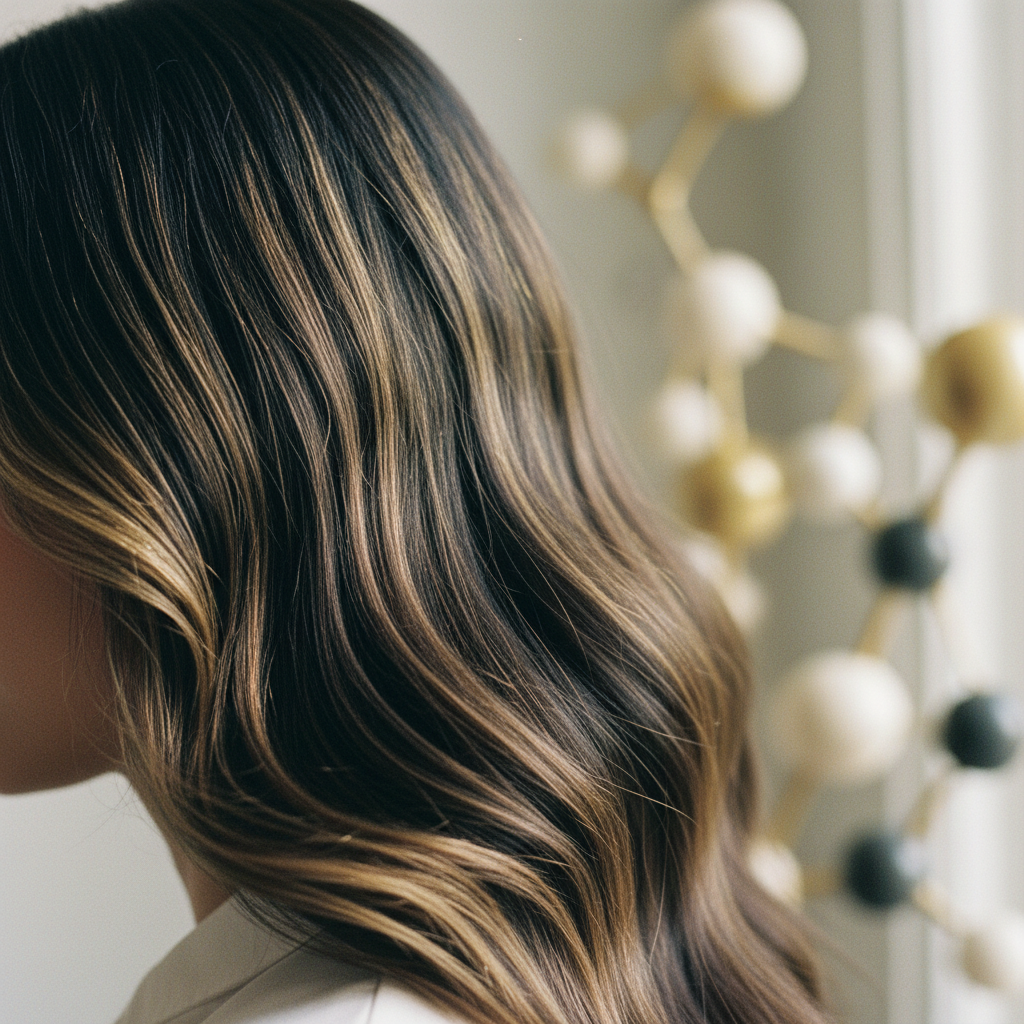
Research published in the Journal of Cosmetic Science and the International Journal of Trichology demonstrates that this lipid layer acts as a natural waterproofing shield. In virgin hair, 18-MEA renders the surface hydrophobic. Water rolls off the cuticle, friction between strands stays low, and the internal cortex remains protected from environmental fluctuations.
Beyond the surface F-layer, internal lipids make up between 1% and 9% of the total hair weight. These internal lipids reside primarily in the cell membrane complex (CMC), which acts as the intercellular cement binding cuticle cells and cortical cells together. The CMC contains a mixture of free fatty acids (such as palmitic, stearic, and oleic acid), ceramides, and cholesterol. Protecting both the external F-layer and the internal CMC lipids prevents the mechanical breakdown that leads to split ends and breakage along the shaft.
| Lipid Compartment | Primary Components | Main Structural Function | Vulnerability |
|---|---|---|---|
| F-Layer (Epicuticle) | 18-MEA (18-methyleicosanoic acid) | Hydrophobic shield, friction reduction, water repellency | Alkaline chemical services (bleach, relaxers, pH > 9) |
| Cell Membrane Complex (Cuticle) | Ceramides, free fatty acids, sterol esters | Intercellular adhesion between overlapping cuticle scales | High heat (> 185°C), harsh anionic surfactants, UV light |
| Cell Membrane Complex (Cortex) | Cholesterol, ceramides, polar lipids | Cementing macrofibrils and cortical cells together | Deep chemical processing, prolonged oxidative stress |
What strips the hair lipid barrier?
Chemical processing represents the single fastest route to lipid depletion. When you apply alkaline hair colour, chemical straighteners, or bleach, the high pH (frequently between pH 9.0 and 11.0) swells the cuticle scales. Under these alkaline, oxidative conditions, the thioester bonds holding 18-MEA to the cuticle are permanently cleaved. A single bleaching process can strip up to 80% or more of the surface 18-MEA, turning the hair fibre from hydrophobic to hydrophilic within minutes.
Thermal styling poses another documented risk. When you use flat irons or curling tongs at temperatures above 185°C, the heat begins to degrade and melt internal lipids within the CMC. Over time, repeated thermal exposure oxidises free fatty acids and structural lipids, causing the cell membrane complex to develop voids.
Daily washing habits also contribute to gradual lipid loss. Highly alkaline cleansers or aggressive surfactant formulations strip unbound surface sebum and extract non-covalently bound internal lipids over extended cycles. Combined with mechanical abrasion from friction, wet brushing, and UV radiation, the loss of these lipids leaves the underlying keratin structure exposed.
Signs of a compromised lipid barrier
A damaged lipid barrier produces noticeable changes in how the hair behaves in everyday environments:
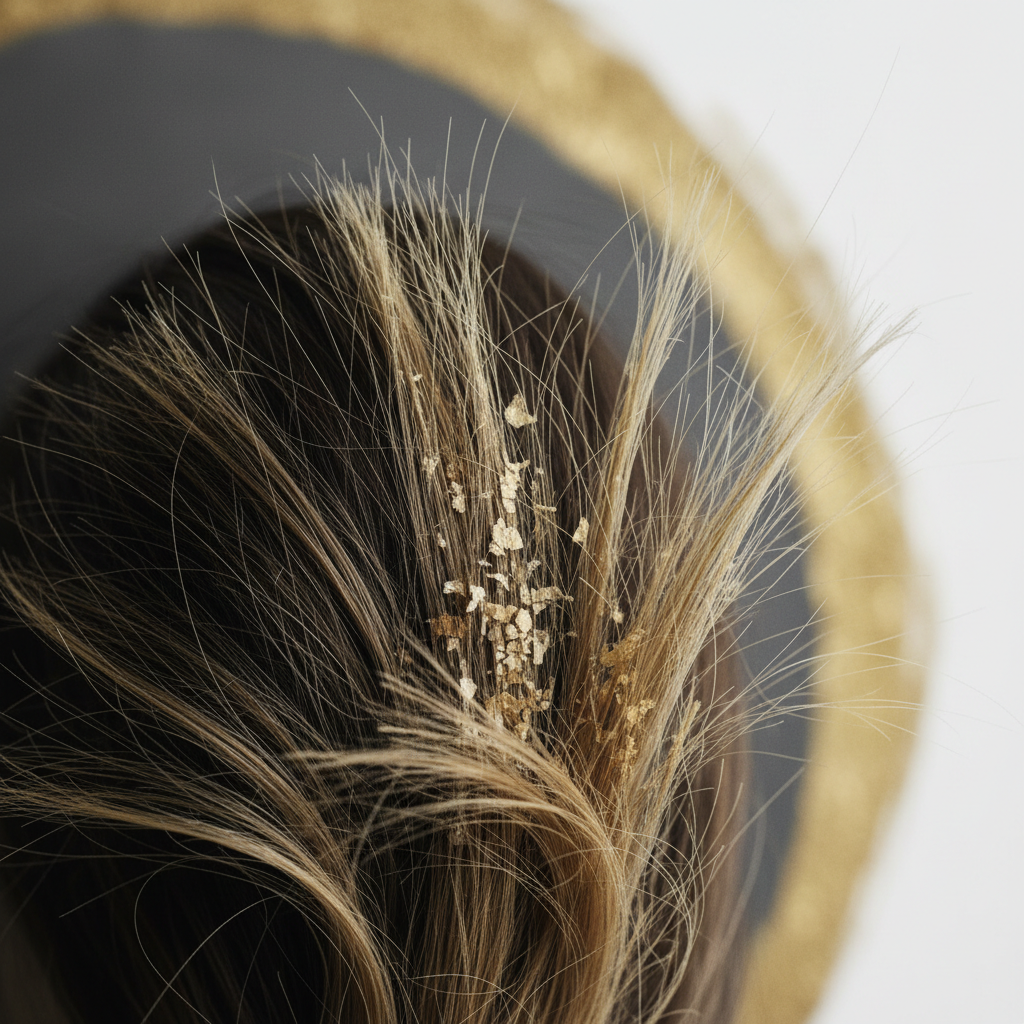
- Rapid water absorption: Hair saturates almost instantaneously when exposed to water, rather than initially repelling droplets.
- Prolonged drying time: Hydrophilic hair absorbs far more internal water than healthy hair, causing it to hold dampness for extended periods.
- High wet friction and tangling: Without the lubricating surface of 18-MEA, hair strands drag against one another, creating severe knots when wet.
- Dull, matte appearance: Loss of the smooth, uniform lipid layer disrupts light reflection, leaving the surface looking dry and lacklustre.
- Extreme frizz in humid conditions: Ambient moisture easily penetrates the porous cuticle, causing the cortex to swell unevenly and disrupting styling.
- Increased snapping: Lack of intercellular lipid cement in the CMC reduces fibre cohesion, leading to shaft breakage under normal brushing tension.
Note that hair snapping is structural breakage along the shaft. It should never be confused with follicular hair loss or shedding from the scalp, such as telogen effluvium or pattern thinning.
Practical strategies for protecting the lipid barrier
Because hair is non-living tissue, once covalent lipid bonds break, the biological organism cannot replace them. Protecting the hair lipid barrier requires minimisation of lipid loss alongside regular replenishment using topical substitutes:
1. Maintain an acidic pH environment
Human hair fibres sit naturally at an isoelectric point of roughly pH 3.67, while the scalp maintains a pH around 5.5. Cleansers and conditioners formulated between pH 4.5 and 5.5 help keep the cuticle compact. Acidic formulas prevent the excessive swelling that leaves structural lipids exposed to leaching during washing.
2. Guard against thermal lipid breakdown
Never apply direct thermal tools without a heat protectant. Modern heat protection agents work by creating a protective physical buffer, distributing heat evenly and reducing hot-spot temperatures that melt internal ceramides and lipids. Keep hot tool temperatures below 185°C whenever possible.
3. Replenish with biomimetic lipids and plant oils
While cosmetic products cannot reform covalent thioester bonds, topical ingredients can deposit functional films that mimic the missing F-layer. Look for formulations containing:
- Biomimetic ceramides: Help reinforce the lipid architecture within the cell membrane complex.
- Medium-chain triglycerides and coconut oil: Research indicates that lauric acid-rich oils can penetrate the hair cuticle, reducing internal protein loss and replacing lost hydrophobic characteristics.
- Quaternised conditioning agents (such as Behentrimonium methosulfate or amodimethicone): These ingredients electrostatically bond to damaged, negatively charged sites along the cuticle, providing synthetic hydrophobicity and reducing friction.
4. Limit exposure to aggressive oxidative chemistry
If you lighten or chemically treat your hair, discuss bond builders and lower-volume developers with your colourist. Spacing chemical treatments 8 to 10 weeks apart gives you time to build conditioning regimens that preserve existing structural lipids.
Supporting the hair with Watermans
When managing damaged, porous hair, using thoughtfully formulated wash products helps preserve delicate surface lipids. Watermans focuses on scalp and hair wellness by offering sulphate-free, pH-balanced cleansing solutions. Watermans GrowMe Shampoo cleanses the scalp without harsh stripping agents, helping you clear excess oil and build-up while respecting the cuticle surface. Pairing this with Watermans ConditionMe Conditioner introduces balancing conditioning agents that smooth lifted cuticles, restore a softer feel, and coat the fibre to guard against everyday mechanical friction and breakage.
When the cause may be something else
If your primary concern is thinning, visible scalp, or excessive hair falling out from the root, the lipid barrier is not the primary factor. The lipid barrier dictates the condition, resilience, and surface behaviour of the hair fibre itself. It does not control follicular cycling or hair growth.
Sudden increases in hairs falling out with the bulb attached typically point to telogen effluvium, nutritional deficiencies (such as iron or vitamin D), hormonal shifts, or thyroid imbalances. Diffuse thinning across the crown or widening part lines usually reflects androgenetic alopecia. If you notice scalp redness, scaling, burning, or sudden patchy loss, arrange an evaluation with a trichologist or dermatologist for clinical diagnosis.
Frequently asked questions about Protecting the Hair Lipid Barrier
Can a damaged hair lipid barrier ever truly heal itself?
No, hair cannot heal itself biologically because the fibre consists of non-living, keratinised tissue devoid of cells or metabolic activity. Once the covalent bond between 18-MEA and the cuticle breaks, the body cannot regenerate it. Protecting the hair lipid barrier relies on prevention and applying topical, biomimetic lipids or conditioning polymers to replicate its hydrophobic function.
Does hard water directly damage the hair lipid barrier?
Hard water does not necessarily dissolve the lipid barrier, but high mineral concentrations (especially calcium and magnesium) bind to exposed negative charges on damaged fibres. This leaves an insoluble mineral film that makes hair feel brittle, stiff, and rough, which accelerates physical friction and mechanical damage to remaining surface lipids.
How does Protecting the Hair Lipid Barrier stop hygral fatigue?
Protecting the hair lipid barrier maintains the fibre's natural hydrophobicity, which prevents water from rushing freely into the cortex. Hygral fatigue occurs when the inner cortex repeatedly swells with water and contracts during drying, weakening keratin bonds. A functional lipid layer keeps moisture absorption controlled and gradual.
Which dietary fats help support hair lipid production?
A balanced intake of essential fatty acids, including omega-3 and omega-6 fatty acids found in oily fish, flaxseed, and walnuts, supports the sebaceous glands that produce natural sebum. However, while dietary fats support follicle and sebum health, they cannot re-establish surface lipids on hair strands that have already emerged from the scalp.
Summary
Maintaining the delicate balance of 18-MEA and internal ceramides is essential for preserving manageable, resilient hair. Protecting the hair lipid barrier prevents excessive porosity, shields the cortex from environmental stress, and eliminates the rough surface friction that drives snapping and split ends. By selecting pH-balanced cleansers, minimising unnecessary chemical and thermal stress, and replenishing lost hydrophobicity with conditioning agents, you ensure your hair retains its natural strength and shine.
Sources and references
- Robbins, C. R. (2012). Chemical and Physical Behavior of Human Hair. 5th edition. Springer-Verlag.
- Ruetsch, S. B., Kamath, Y. K., Rele, A. S., & Mohile, R. B. (2001). Secondary ion mass spectrometric investigation of penetration of coconut and mineral oils into human hair fibres. Journal of Cosmetic Science, 52(3), 169-184.
- Masukawa, Y., Narita, H., & Imokawa, G. (2005). Characterization of the lipid composition at the proximal root and distal tip ends of human hair. Journal of Cosmetic Science, 56(1), 1-16.
- Cruz, C. F., Fernandes, M. M., & Cavaco-Paulo, A. (2013). Hair lipids: extraction and characterisation. International Journal of Cosmetic Science, 35(4), 319-328.
- Gavazzoni Dias, M. F. (2015). Hair cosmetics: an overview. International Journal of Trichology, 7(1), 2-15.
Find these ingredients in Watermans products
- Vitamin D: you will find this ingredient in our Hair Vitamins.
- Oleic Acid: you will find this ingredient in our Camellia & Black Castor Hair & Body Oil.