Preventing Hair Breakage from Heat and Colour: An Evidence-Based Guide
9 min read ·
Learn how to prevent hair breakage from heat and colour by understanding cuticle damage, bond degradation, and practical styling techniques that preserve fibre strength.
Quick answer: Preventing hair breakage from heat and colour requires protecting the structural protein bonds and lipid barrier of the hair fibre before chemical processing and thermal styling strip them away. Colouring lifts the cuticle and oxidises internal disulphide bonds, while heat above 150°C degrades keratin and vapourises internal moisture. You can minimise snap by spacing chemical treatments, using proven thermal protectants, lowering tool temperatures, and applying bond-building, moisture-rich treatments. However, cosmetic products cannot permanently rebuild severely fractured fibres; prevention and gentle handling remain essential.
Key takeaways
- Hair breakage is physical snapping along the hair shaft, distinctly different from shedding or follicular hair loss.
- Permanent colouring and bleaching oxidise disulphide bonds and strip the protective 18-methyleicosanoic acid (18-MEA) lipid layer, leaving fibres porous.
- Thermal tools exceeding 150°C melt cortical proteins and rapidly boil residual moisture within the cortex, causing internal cavities and bubble hair.
- Effective heat protectants use cross-linked polymers and silicones to distribute thermal energy and slow heat conduction.
- Managing thermal exposure, moderating chemical frequency, and balancing conditioning proteins with humectants stops mechanical failure before it occurs.
Preventing hair breakage from heat and colour: what the evidence shows
Preventing hair breakage from heat and colour centres on preserving the hair cortex and its protective outer cuticle. Research published in the Journal of Cosmetic Science shows that bleaching and permanent oxidative hair dyes degrade up to 15 to 25 percent of the fibre's cystine content, the primary amino acid responsible for cross-linking keratin. When colour lifting agents open the cuticle scales at an alkaline pH (typically pH 9.0 to 10.5), they also dissolve the F-layer. This F-layer is a natural monomolecular lipid layer composed of 18-methyleicosanoic acid (18-MEA) that makes virgin hair hydrophobic. Once stripped, the hair shaft becomes hydrophilic, absorbing water rapidly, swelling, and becoming fragile when wet.
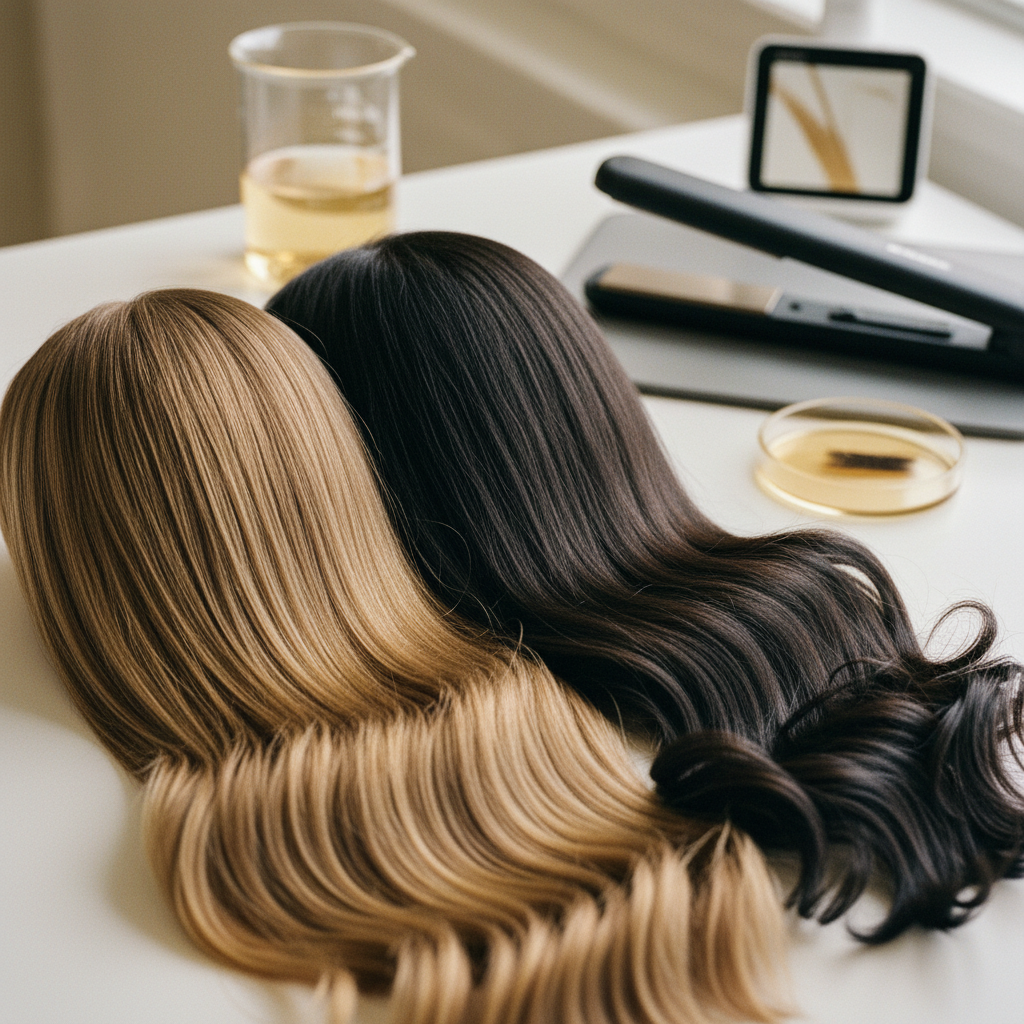
Thermal styling compounds this chemical vulnerability. Studies measuring heat transmission demonstrate that applying dry heat above 150°C induces structural changes in alpha-keratin, gradually converting it into disordered beta-keratin. When temperatures climb to 180°C or higher, styling tools cause tryptophan degradation and oxidative yellowing. If applied to damp fibres, high heat creates rapid steam expansion inside the cortex, producing microscopic air voids known clinically as "bubble hair". The combination of chemical porosity and thermal stress drastically reduces tensile strength, meaning everyday brushing or styling snaps the fibre in two.
What the evidence does not show
Controlled cosmetic trials do not show that any topical product can permanently knit snapped hair fibres back together. While bond-building formulations (such as bis-aminopropyl diglycol dimaleate, maleic acid, or plant-derived protein complexes) cross-link some broken sulphur bonds temporarily, they do not restore the complete natural architecture of virgin hair.
Furthermore, evidence does not show that natural oils alone (such as coconut, argan, or olive oil) function as complete heat protectants. While some oils penetrate the cortex to reduce protein loss during washing, their smoke points do not equate to heat protection. Under straighteners operating at 200°C, untreated plant oils can oxidise, cook onto the cuticle, or fail to distribute heat evenly across the shaft. Dedicated cosmetic thermal protectants containing specific polymer films are scientifically proven to be far superior.
The mechanism: why heat and colour cause structural failure
The hair fibre relies on three primary types of internal bonds to maintain elasticity and tensile strength:
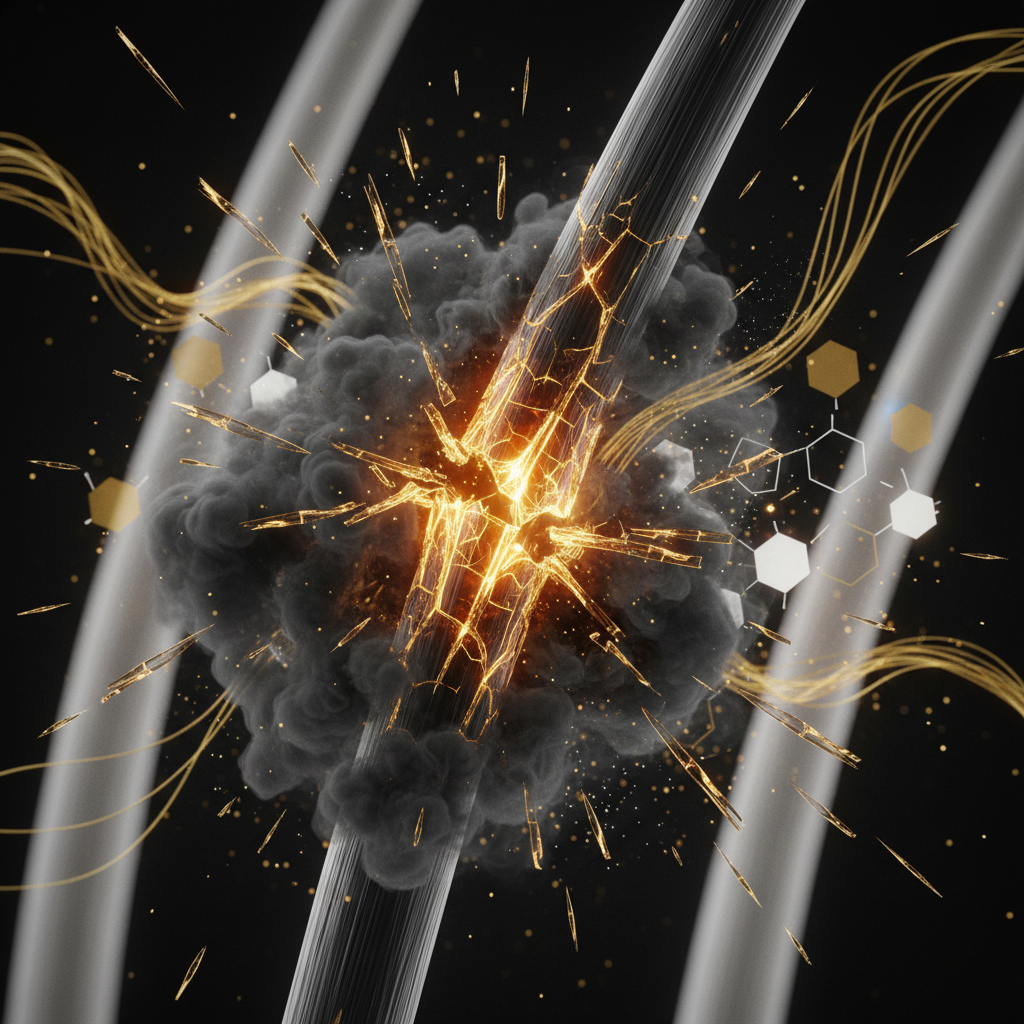
- Hydrogen bonds: Weak physical bonds broken by water and reformed as hair dries. They provide daily flexibility.
- Salt (ionic) bonds: pH-dependent bonds that weaken when exposed to extreme acidic or alkaline environments, such as colour developers.
- Disulphide bonds: Covalent chemical bonds between cysteine residues. These give hair its permanent strength, shape, and resistance to snapping.
Virgin Cuticle (Intact 18-MEA Lipid Layer)
 │
 ▼ [Alkaline Colour / Bleach: pH 9.0 to 10.5]
Cuticle Swelling + 18-MEA Loss + Cystine Oxidation
 │
 ▼ [Thermal Tool Exposure: >150°C]
Keratin Denaturation + Steam Vapourisation
 │
 ▼
Micro-Cavities & Fissures in Cortex (Hair Snaps)
During permanent colouring, ammonia or ethanolamine raises the cuticle to allow hydrogen peroxide and dye precursors into the cortex. In doing so, oxidisation breaks disulphide bonds to clear melanin or deposit artificial pigments.
When you apply heat tools to this chemically depleted fibre, the cuticle scales, already lifted and rough, offer zero thermal buffering. The heat penetrates instantly into the cortex, melting remaining keratin matrices. With the natural lipid boundary gone, the hair loses its slip. As brushes, combs, or straighteners pull against this high-friction surface, the fibre exceeds its plastic deformation limit and snaps clean off.
Chemical vs thermal damage comparison
The table below contrasts how colour processing and thermal tools degrade the hair shaft.
| Structural Attribute | Chemical Colour / Bleach Damage | Thermal Tool Damage (>150°C) |
|---|---|---|
| Primary Target | Disulphide bonds and 18-MEA lipid layer | Keratin protein matrix and moisture balance |
| Cuticle Impact | Lifts and erodes cuticle scale edges | Blisters, cracks, and chips outer cuticles |
| Cortex Impact | Oxidises cystine, reducing tensile strength | Denatures alpha-keratin; creates steam cavities |
| Fibre Porosity | Extremely high (hydrophilic state) | Moderately high (fissures and split tips) |
| Prevention Focus | Lower volume developer, spaced processing, bond complexes | Heat protectant films, tools under 180°C, dry styling only |
| Reversibility | Irreversible; manageable with conditioning agents | Irreversible; requires trimming and smoothing polymers |
Signs of hair breakage to look for
Recognising the difference between shedding and breakage ensures you adopt the correct hair regimen:
- Short, fragmented strands: Finding short, jagged pieces of hair on your shoulders, sink, or pillow without a white root bulb indicates breakage. Shed hair displays a small, round bulb at the base.
- White dots along the fibre: Known as trichorrhexis nodosa, these tiny white specks indicate spots where the cortical cells have frayed and fractured, waiting to snap under tension.
- Rough, velcro-like texture: When dry hair constantly tangles, snags on itself, or sounds crinkly when touched, the cuticle has lost its 18-MEA layer.
- Thin, uneven perimeter: A haircut line that thins out, frays, or looks transparent within weeks of cutting usually signals widespread mechanical and thermal breakage.
Practical steps to prevent fibre snapping
To protect vulnerable strands from modern salon colouring and heat styling, adopt a systematic routine focused on heat moderation, lubrication, and structural reinforcement.
1. Moderate your styling temperatures
Most hair types do not require tools set to 230°C. For fine or chemically coloured hair, keep flat irons and curling wands between 150°C and 175°C. Coarse or textured hair should rarely exceed 185°C. Never, under any circumstances, use flat irons or curling tongs on wet or damp hair. The water instantly boils, producing irreversible bubble hair.
2. Apply verified thermal protectants
Always coat clean, damp hair with a leave-in product containing proven thermal-buffering polymers, such as polyquaternium compounds, amodimethicone, or dimethicone. These ingredients form a microscopic film over the cuticle that slows the rate of heat transfer, lowers surface friction, and seals in essential moisture.
3. Space out chemical processes
Avoid overlapping permanent colour or bleach onto previously processed lengths. Request "root-only" touch-ups, and wait at least 8 to 10 weeks between intense chemical services. If you want to refresh faded ends, opt for acidic, non-ammonia glosses or semi-permanent deposits rather than full oxidative dye.
4. Rebalance protein and hydration
Chemically altered hair needs both hydration and strength. Alternate between protein-rich masks (containing hydrolysed wheat, keratin, or soy proteins) to fill microscopic cortical gaps, and rich conditioning emollients (containing cetyl alcohol, fatty acids, and panthenol) to restore elasticity. Always follow protein treatments with a moisturising conditioner to prevent the fibre from becoming brittle.
The role of scalp and hair care: Watermans
While hair breakage is an entirely cosmetic fibre issue along the lengths, overall hair quality starts at the follicle. Using nourishing products keeps new growth robust and resilient from the moment it emerges.
Watermans Grow Me Shampoo and Conditioner provide a nutrient-dense, sulphate-free wash routine that cleanses the scalp gently without stripping the fragile lipid barrier of coloured or heat-treated lengths. Formulated with hydrolysed lupin protein, biotin, niacinamide, rosemary, and argan oil, the system supplies essential moisture and surface-smoothing slip. This extra lubrication reduces comb friction in the shower, helping to prevent unnecessary tugging and snapping on vulnerable ends.
When the cause may be something else
If you notice widespread thinning across your scalp rather than short, broken fragments on your clothing, you may not be dealing with breakage at all. Diffuse hair fall that leaves full-length hairs with white bulbs attached to the root points towards telogen effluvium, often triggered by physical stress, illness, rapid weight loss, or hormonal changes.
Alternatively, patterned thinning at the crown, temples, or parting line reflects androgenetic alopecia, a genetic and hormonal condition that shrinks follicles over time. Cosmetic treatments, heat protectors, and conditioning masks cannot treat follicular hair loss conditions.
When to seek professional advice
Visit a registered trichologist or a consultant dermatologist if you experience sudden, patchy hair loss, scalp redness, persistent flaking, burning sensations, or if your hair is snapping off at the scalp without clear chemical or thermal trauma. Furthermore, if you are unsure how to balance lifting colour safely with your hair's current integrity, consult an experienced professional colourist who can perform an in-salon strand and elasticity test before proceeding.
Frequently asked questions about preventing hair breakage from heat and colour
How often should I use heat if my hair is already coloured?
Limit direct heat styling (flat irons and curling wands) to once or twice a week at most. On non-styling days, embrace heatless styling methods like silk heatless curlers, loose braids, or gentle blow-drying on a medium heat setting with a diffuser.
Can coconut oil act as a heat protectant for coloured hair?
No. Coconut oil penetrates the cortex and can reduce protein loss during washing, but it does not form the protective, heat-diffusing film required to survive 180°C hot tools. Always use a cosmetic thermal protectant designed and tested for thermal styling.
What is the most effective approach to preventing hair breakage from heat and colour?
The most effective approach involves a three-tier defence: lowering tool temperatures to under 180°C, saturating damp hair with silicone- or polymer-based thermal protectants, and keeping colour services spaced at least 8 to 10 weeks apart without overlapping bleach on fragile ends.
Does Olaplex or bond-building eliminate heat damage completely?
No bond builder makes hair indestructible. While bond builders repair some broken disulphide links after colouring, they do not create an impenetrable shield against high heat. Exposing chemically treated hair to intense thermal tools will still melt keratin and cause breakage.
Is breakage after bleaching permanent?
The physical break in the snapped fibre is permanent; that strand cannot be reattached. However, breakage can be halted immediately on the remaining lengths by cutting away split ends, stopping thermal tools, and adopting a moisturising, protein-balanced haircare routine.
Sustainable long-term protection
Preventing hair breakage from heat and colour comes down to respecting the biological limits of the hair fibre. Permanent dyes and thermal tools inevitably challenge the hair's cuticle architecture and cortical bonds. By keeping tool temperatures moderate, coating strands in protective conditioning shields, and allowing generous intervals between salon visits, you can enjoy vibrant colour and polished styling without sacrificing the length, strength, and integrity of your hair.
Sources and references
- Journal of Cosmetic Science: Chemical and Physical Changes in Hair Caused by Thermal Styling, 2011.
- International Journal of Trichology: Hair Cosmetics: An Overview, 2015.
- Journal of the Society of Cosmetic Chemists: Investigation of the Effect of Bleaching on Human Hair, 1999.
- Robbins, C. R.: Chemical and Physical Behavior of Human Hair, 5th Edition, Springer, 2012.
- British Association of Dermatologists: Hair Shaft Anomalies and Breakage Guidelines, 2020.
Find these ingredients in Watermans products
- Niacinamide: you will find this ingredient in our Hair Mask.