How to Prevent Mechanical Hair Damage: Science, Signs, and Solutions
9 min read ·
Learn how to prevent mechanical hair damage with practical, evidence-based methods to reduce friction, protect hair cuticles, and stop breakage.
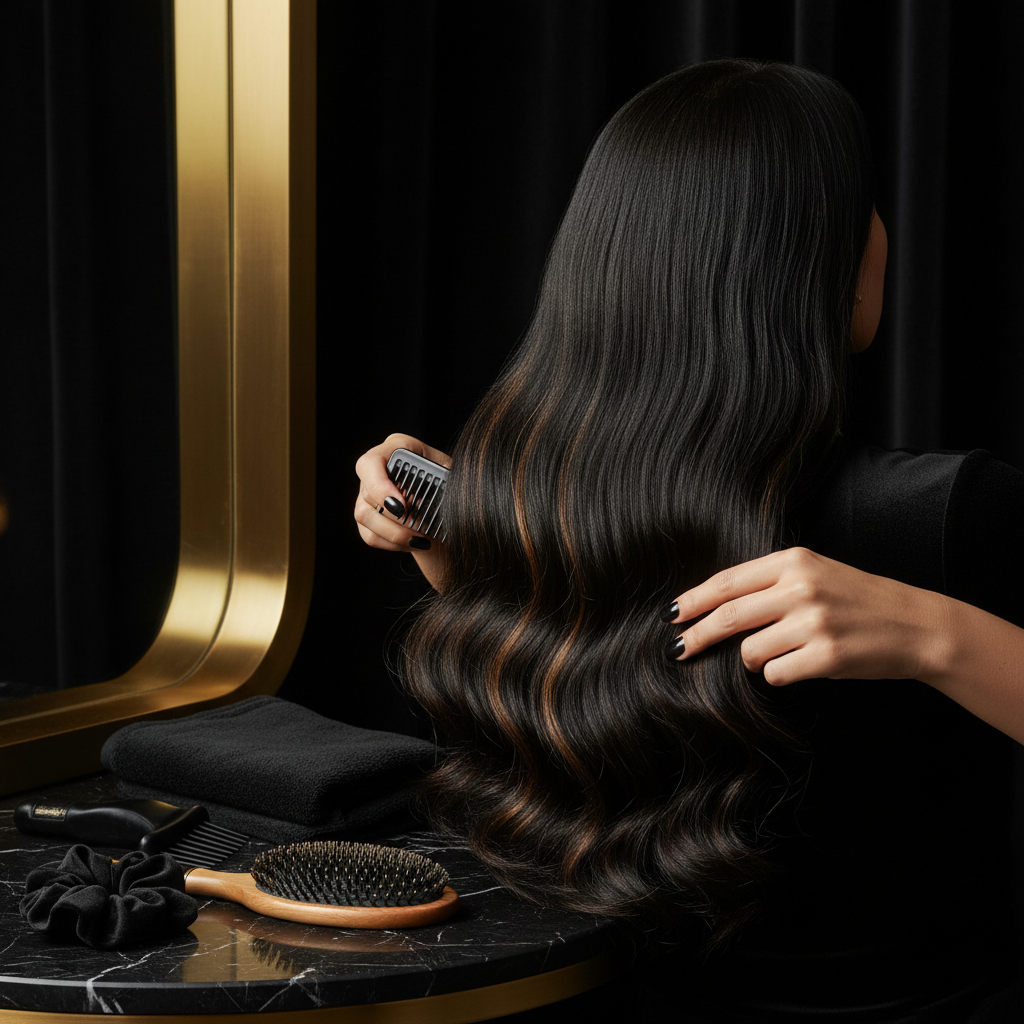
Quick answer: Knowing how to prevent mechanical hair damage requires reducing the physical friction, tension, and abrasion that strip the cuticle and snap the fibre. Effective prevention involves detangling wet hair only when coated with slip-enhancing conditioner, using wide-tooth combs, avoiding tight hairstyles, swapping rough cotton pillowcases for silk or satin, and drying gently by blotting rather than rubbing. The main limitation is that hair is non-living tissue: preventative measures preserve existing structural integrity and reduce breakage, but they cannot biologically repair fibres once fractured.
Key takeaways
- Mechanical damage is caused by physical force, including rough brushing, friction from fabrics, aggressive towel-drying, and high-tension styling.
- Wet hair swells and weakens, dropping its tensile strength and making it substantially more vulnerable to stretching and snapping during detangling.
- Preserving the protective outer cuticle layer through lubricated detangling and low-friction materials is the primary defence against breakage.
- Mechanical breakage differs fundamentally from follicular shedding; broken hairs are shorter, lack a white bulb, and have frayed ends.
- Hair fibre cannot biologically regenerate once fractured, meaning prevention and gentle handling are paramount.
How to Prevent Mechanical Hair Damage: what the evidence shows
Learning how to prevent mechanical hair damage centres on managing the physical forces applied to hair fibres daily. Scientific literature in cosmetic dermatology and trichology demonstrates that mechanical wear gradually erodes the cuticle, the outer shingle-like layer composed of 5 to 10 overlapping scales of hard keratin. When friction or tension lifts and breaks these scales, the inner cortex becomes exposed, leading to split ends (trichoptilosis) and mid-shaft fractures.
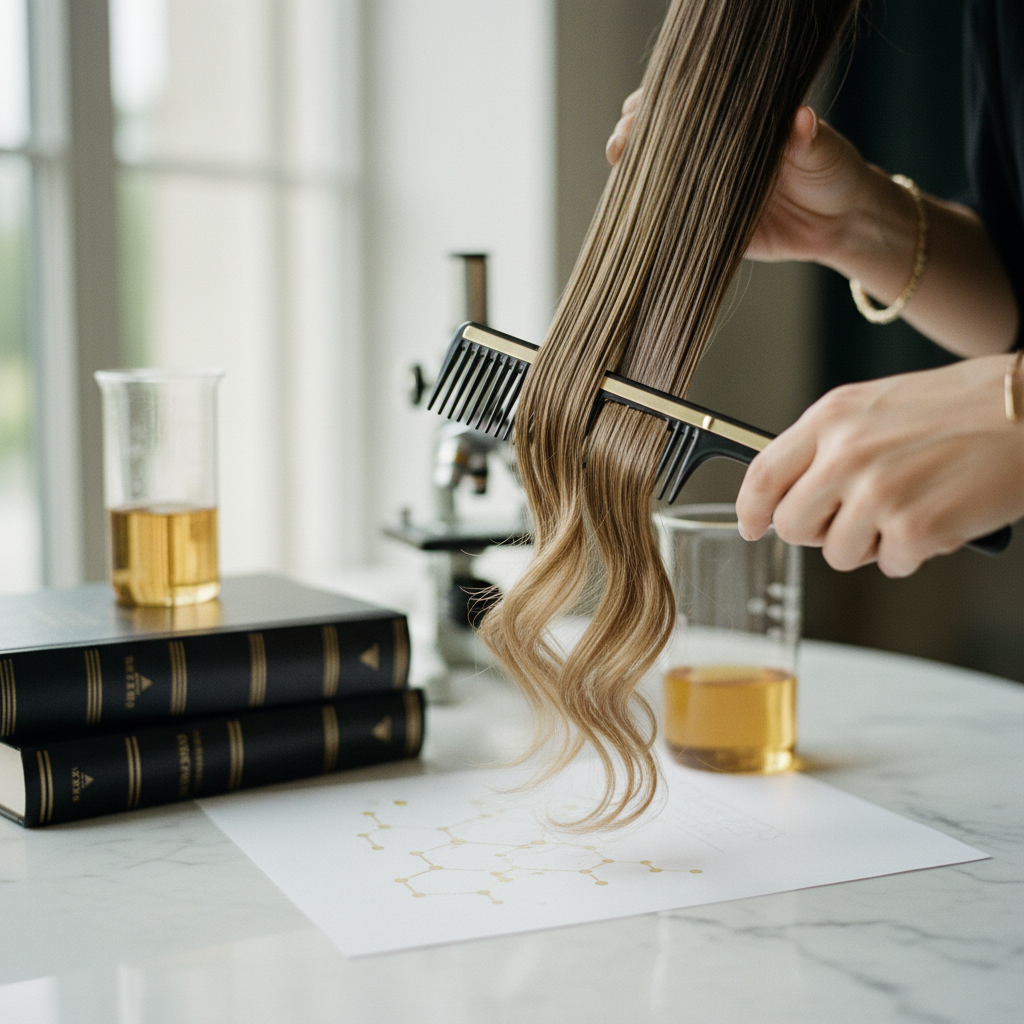
Detangling practices represent the highest-risk activity for mechanical trauma. When dry, hair can stretch by roughly 15 to 20 percent before breaking. When saturated with water, the internal hydrogen bonds temporarily disrupt, allowing the fibre to stretch up to 30 to 50 percent. However, wet hair possesses lower elastic recovery and a significantly reduced fracture threshold under sudden tensile strain. Brushing dry, tangled hair creates rapid friction spikes, while brushing wet hair without adequate lubrication stretches the weakened cortex until it snaps.
Textile abrasion is another proven contributor. Standard cotton pillowcases present an irregular, microscopic weave that catches cuticles during natural nocturnal movement. Switching to smoother weaves, such as silk or satin, or using a protective night bonnet reduces this friction coefficient, preserving cuticle smoothness over time.
Mechanical damage vs other types of hair stress
To choose the right preventative routine, you must differentiate physical trauma from chemical, thermal, or biological issues.
| Damage Type | Primary Cause | Structural Impact | Typical Presentation |
|---|---|---|---|
| Mechanical | Brushing, friction, tight styles, rough drying | Cuticle abrasion, chipped scale margins, shaft snapping | Short broken fragments, frayed ends, lack of bulb |
| Thermal | High-heat appliances (above 150°C), blow-drying | Denatured keratin, cortical bubble formation | Dry, brittle mid-lengths, rapid snapping under low load |
| Chemical | Bleaching, permanent dye, chemical relaxers | Cleaved disulphide bonds, porous cortex | Spongy feel when wet, extreme elasticity, multi-point breakage |
| Telogen Shedding | Hormonal shifts, systemic stress, nutritional gaps | Premature transition of follicles to telogen phase | Full-length strands falling from root with white keratin bulb |
The biomechanical mechanism: how fibres fail
Every hair fibre consists of three regions: the cuticle, the cortex, and (in thicker fibres) the central medulla. The cortex supplies roughly 85 to 90 percent of the fibre's tensile strength, mediated by parallel keratin intermediate filaments bundled inside an amorphous matrix rich in cystine.

When you drag a fine-toothed comb through tangled hair, force concentrates at the knot. If the force exceeds the yield point of the fibre (around 150 to 200 MPa under normal conditions), the cuticle cells chip and peel away. Once the hydrophobic 18-methyleicosanoic acid (18-MEA) layer on the surface wears away, friction between adjacent strands climbs dramatically. This creates a destructive feedback loop: increased friction leads to more knots, which causes higher peak force during brushing, culminating in catastrophic transverse failure across the cortex.
High-tension hairstyles, such as tight ponytails, braids, or extensions, apply prolonged, static traction. Over time, this mechanical pull not only weakens the shaft through micro-fracturing but can also cause traction alopecia by inflaming and loosening the hair follicle itself.
Signs your hair is suffering from mechanical damage
Recognising the signs of physical stress allows you to adjust your routine before widespread breakage occurs. Watch for:
- Uneven length and flyaways: Hair that looks thinned out or broken around the crown, nape, or hairline, where elastic bands and collars sit.
- Fragments in your sink or brush: Short, stiff pieces of hair measuring 1 to 5 centimetres that lack a tiny white bulb at either end.
- Difficulty gliding tools: Brushes or combs snagging repeatedly along the mid-shafts, indicating raised or missing cuticle scales.
- White spots along the shaft: Visible specks known as trichorrhexis nodosa, which mark points where the cortex has frayed internally and is ready to snap.
Practical steps to prevent mechanical hair damage
A structured physical haircare routine dramatically reduces daily wear and tear.
1. Refine your detangling technique
Never force a comb through dry, knotted lengths. For straight to wavy patterns, gently detangle dry hair with your fingers or a wide-tooth comb before washing, or detangle when thoroughly wet and coated with a rinse-out conditioner. For curly and afro-textured hair, detangle exclusively when wet and generously lubricated with conditioner, working in small sections starting from the tips and progressing upwards to the roots.
2. Upgrade your drying habits
Vigorous towel-drying with standard terrycloth loops acts like sandpaper on swollen, wet cuticles. Instead, gently press and squeeze excess water out using a smooth microfibre towel or an old cotton t-shirt. Avoid twisting wet hair into heavy, tight turbans that pull at the fragile hairline.
3. Rethink accessories and styling tension
Discard bare elastic bands and metal-clasped ties, which produce focal shear stress and pinch the shaft. Choose soft silk scrunchies or seamless ties. If you wear protective braids or weaves, ensure your stylist installs them without extreme scalp tension. Change the placement of your daily ponytail or bun to avoid recurring stress on the exact same cross-section of hair.
4. Minimise nightly friction
A considerable amount of mechanical breakage happens while sleeping. Protect your hair by sleeping on a mulberry silk or high-grade satin pillowcase, or wrap your hair in a silk bonnet. If your hair is long, securing it in a loose, low braid keeps it from tangling during sleep.
5. Utilise leave-in conditioning slip
Conditioners, leave-in serums, and light cosmetic oils reduce the coefficient of friction between individual strands. Cationic conditioning agents adhere to negatively charged damaged spots on the hair shaft, smoothing the surface and allowing combs and clothing to glide past without snagging.
When breakage is not purely mechanical
If you adopt gentle physical habits but breakage continues unabated, your hair may have compromised internal architecture from other causes. Bleached, relaxed, or repeatedly heat-styled fibres possess vastly reduced tensile thresholds; ordinary brushing that would leave virgin hair intact can snap chemically processed strands.
Systemic factors also weaken emerging fibres. Deficiencies in protein, iron, or zinc, alongside thyroid disorders, can produce hair that is structurally weaker as it exits the scalp. If your hair breaks under minimal touch despite delicate handling, consider visiting a trichologist, dermatologist, or your GP for blood tests.
Supporting hair vitality with Watermans
While physical handling adjustments form the bedrock of mechanical damage prevention, maintaining optimal scalp and fibre vitality provides an ideal foundation for healthy hair routines. The Watermans collection offers targeted cosmetic support designed to keep hair looking strong, full, and vibrant.
Watermans Grow Me Shampoo and Condition Me Conditioner work in tandem to support hair health. Formulated with hydrolysed lupin protein, biotin, caffeine, argan oil, and rosemary extract, Grow Me cleanses the scalp gently without stripping moisture. Following with Condition Me delivers essential cosmetic slip, smoothing down lifted cuticles and significantly reducing combing friction. By improving surface manageability, this balanced regimen helps minimise the tugging, snagging, and physical strain that so often trigger mechanical breakage during washing and styling.
Frequently asked questions about How to Prevent Mechanical Hair Damage
How does wide-tooth combing help prevent mechanical hair damage?
Wide-tooth combs space out the teeth to distribute detangling force across a broader surface area. Rather than jamming against knots and generating high shear stress that snaps the shaft, wide-tooth combs gently separate tangled clusters. Using a wide-tooth comb alongside a lubricating conditioner is one of the most effective methods for how to prevent mechanical hair damage on wet or delicate hair.
Does brushing hair 100 strokes a day cause mechanical damage?
Yes. The old myth that brushing hair 100 strokes a day promotes shine is physically counterproductive. While it spreads natural sebum down the shaft, excessive brushing repeatedly abrades the outer cuticle layer through high friction. Over time, 100 strokes daily will chip cuticle scales, lead to split ends, and cause unnecessary mechanical breakage.
Is mechanical hair damage reversible?
No. Because hair fibres are dead biological structures without living cells, mechanical hair damage cannot be reversed or healed. You can temporarily disguise damage using conditioners and silicones that smooth down broken cuticles and fill gaps, but split ends and fractured shafts must be trimmed off to prevent tears from travelling further up the fibre.
Can wearing hats or helmets cause mechanical breakage?
Yes. Stiff hats, coarse headbands, and tight helmets exert continuous friction against the cuticle layer, particularly around the hairline and crown. To avoid breakage, ensure headwear fits comfortably without excessive rubbing, or look for headwear lined with smooth silk or satin to reduce textile abrasion against the hair shaft.
Closing advice on physical hair preservation
Preserving your hair's length and thickness requires an intentional understanding of how to prevent mechanical hair damage in your daily routine. By respecting the natural fragility of wet hair, choosing low-friction fabrics, avoiding harsh brushing, and easing stylistic tension, you preserve the natural cuticle barrier that keeps each strand resilient. Combine gentle physical handling with nourishing, slip-enhancing haircare products, and you will protect your hair's structural integrity from root to tip.
Sources and references
- British Association of Dermatologists. Hair Breakage and Shaft Disorders: Overview and Care Guidelines.
- Robbins, C. R. Chemical and Physical Behavior of Human Hair. 5th ed., Springer-Verlag, 2012.
- Swift, J. A. "The mechanics of human hair breakage." Journal of the Society of Cosmetic Chemists, vol. 50, 1999, pp. 23-47.
- Dawber, R. "Hair: Its structure and response to cosmetic preparations." Clinics in Dermatology, vol. 14, no. 1, 1996, pp. 105-112.
- National Institute for Health and Care Excellence (NICE). Alopecia - Traction and Mechanical Hair Damage Assessment.
Find these ingredients in Watermans products
- Biotin: you will find this ingredient in our Hair Growth Shampoo.
- Zinc: you will find this ingredient in our Hair Vitamins.