The Definitive Guide to Pre-Poo Oil Treatments
10 min read ·
Pre-Poo Oil Treatments protect the hair shaft from hygral fatigue and washing friction. Discover the evidence, best oils for your hair type, and correct methods.
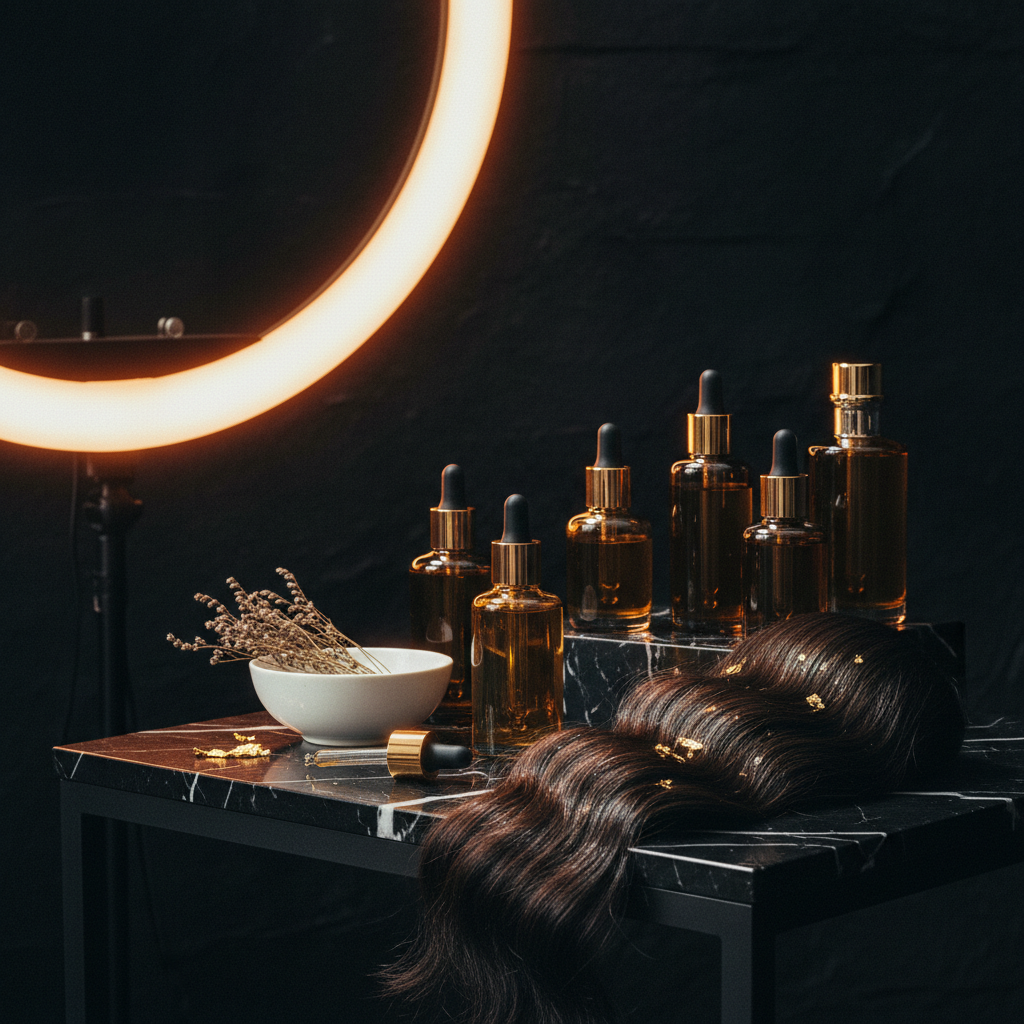
Quick answer: Pre-Poo Oil Treatments involve applying plant or mineral oils to dry hair prior to shampooing to minimise fibre damage during washing. They work by lubricating the cuticles, hydrophobic conditioning, and, in the case of penetrating oils, reducing water absorption inside the cortex to prevent hygral fatigue. While Pre-Poo Oil Treatments significantly cut down on mechanical breakage, friction, and protein loss, their main limitation is that they cannot repair split ends or treat medical hair loss at the follicle level.
Key takeaways
- Pre-wash oiling acts as a shield against hygral fatigue, the repetitive swelling and contracting of hair fibres during washing.
- Penetrating oils like coconut oil reach the inner cortex and reduce protein loss, while non-penetrating oils coat the exterior to decrease friction.
- Fine hair easily becomes limp or greasy if heavy oils are left on too long or not thoroughly washed out.
- Pre-wash treatments target hair breakage along the shaft; they do not alter hair shedding cycles or resolve follicular hair loss conditions.
- A treatment duration of 20 to 45 minutes provides protective benefits, though overnight application is common for thick, coarse, or chemically processed textures.
Pre-Poo Oil Treatments: what the evidence shows
Pre-Poo Oil Treatments have undergone extensive cosmetic and scientific evaluation, particularly regarding their ability to reduce washing-induced trauma. Hair fibres are naturally vulnerable when wet. Water penetrates the outer cuticle layer, causes the inner cortex to swell by up to 15 to 20 percent in diameter, and lifts the protective cuticle scales. When shampoo surfactants strip away the hair's natural 18-methyleicosanoic acid (18-MEA) lipid layer, the hair fibre suffers surface friction, tangling, and structural breakage.
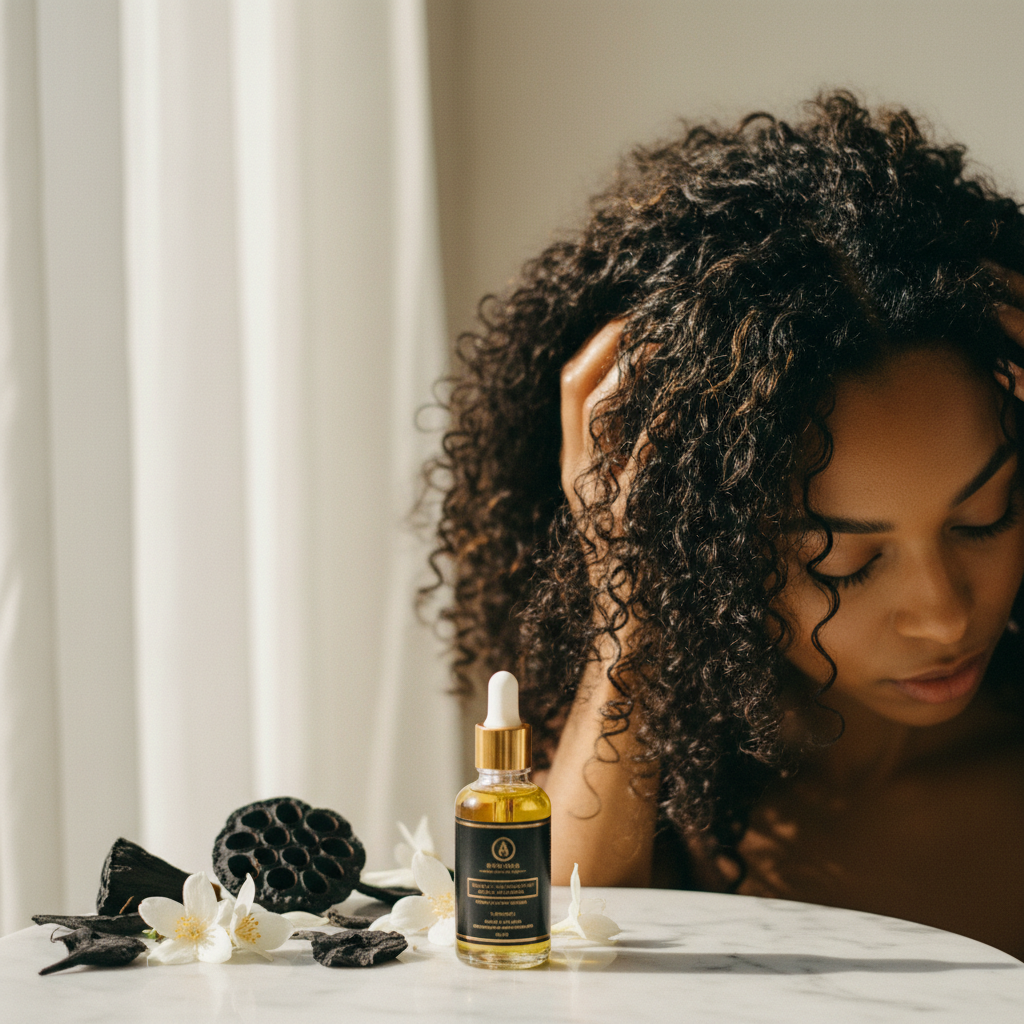
Peer-reviewed studies, notably published in the Journal of Cosmetic Science, demonstrate that certain oils prevent this cycle. Research comparing mineral oil, sunflower oil, and coconut oil confirmed that coconut oil uniquely penetrates into the hair cortex due to its low molecular weight and linear triglyceride structure rich in lauric acid. When applied before washing, it limits water entry, which directly curbs internal swelling and protects against protein loss.
Non-penetrating oils, such as pure mineral oil or jojoba esters, offer a different mechanical benefit. They remain on the hair surface, forming a hydrophobic barrier that reduces combing friction when hair is wet. Scientific trials measuring combing forces show that applying an oil film prior to lathering lowers the mechanical pull on delicate wet strands, reducing physical breakage caused by detangling fingers and combs.
How pre-shampoo oils work on the hair fibre
The human hair shaft is composed of an outer cuticle, an inner cortex, and an occasional central medulla. Under normal conditions, healthy hair is hydrophobic (water-repelling), protected by a microscopic lipid layer. Chemical processing, heat styling, and environmental weathering erode this layer, making the fibre hydrophilic (water-absorbing).
When you wash hydrophilic hair, excessive water rushes into the porous cortex. This process is known as hygral fatigue. The repeated swelling of the cortex puts strain on the rigid cuticle scales, forcing them outward. During rinsing and lathering, these lifted scales snag against neighbouring strands, causing friction, chipping, and mid-shaft snapping.
Pre-Poo Oil Treatments interrupt this pathway through two distinct mechanisms:
- Lipid replenishment and water displacement: Penetrating oils slip between the cuticle tiles and bind with internal keratin structures, occupying void spaces within the cortex so excess water cannot flood the shaft.
- Surface slip and surfactant buffering: Coating oils provide lubricity. They buffer the hair shaft against aggressive cleansing agents, preventing surfactants from thoroughly stripping the few remaining natural lipids on fragile mid-lengths and ends.
Selecting the right oil for your hair type
Not all botanical or mineral oils perform identically on hair. The effectiveness of a pre-wash treatment depends entirely on matching the oil's molecular weight and fatty acid profile to your hair's diameter and porosity.

| Oil Type | Molecular Behaviour | Best Suited For | Key Hair Benefit |
|---|---|---|---|
| Coconut Oil | Deeply penetrates cortex (high lauric acid content) | High porosity, chemically treated, coarse hair | Prevents protein loss and minimizes hygral fatigue |
| Argan Oil | Partial penetration, high oleic and linoleic acids | Medium to thick hair, heat-damaged hair | Enhances surface slip, adds shine, reduces snagging |
| Jojoba Oil | Surface coating (liquid wax ester, mimics sebum) | Fine to medium hair, easily weighed-down hair | Lightweight moisture seal without heavy buildup |
| Olive Oil | Heavy surface coating with slight penetration | Very dry, coarse, or afro-textured hair | High emolliency, softens brittle ends, reduces friction |
| Almond Oil | Medium penetration, rich in fatty acids and vitamin E | Normal to dry hair, dull strands | Improves elasticity, protects cuticle margins |
What the evidence does not show
It is essential to separate cosmetic fibre protection from biological hair growth claims. Pre-Poo Oil Treatments cannot alter the hair growth cycle, stimulate inactive follicles, or cure forms of alopecia such as androgenetic alopecia or alopecia areata.
Marketing claims often suggest that oils "repair" split ends. Scientifically, split ends represent irreversible structural fractures of the hair shaft. While an oil treatment can temporarily stick split cuticles together through surface tension and lubrication, it cannot re-bond keratin chains once they have split apart.
Additionally, pre-wash oils are not designed for active scalp conditions. Applying heavy botanical oils directly to an inflamed scalp or leaving them on skin prone to seborrhoeic dermatitis can worsen flaking and redness, as common scalp yeasts (such as Malassezia) feed on specific free fatty acids found in natural plant oils.
Signs your hair needs a pre-wash treatment
You do not need to oil your hair before every wash, but specific signs indicate that your strands are experiencing washing stress:
- Hair feels excessively rough, straw-like, or tangled the moment water hits it in the shower.
- You notice short, snapped hair fragments in the shower drain or on your comb after washing, rather than full strands with white root bulbs intact.
- Your hair takes a remarkably long time to dry naturally, a common sign of high porosity where water is trapped inside swollen strands.
- Hair appears dull, frizzy, and lacks elasticity once dry.
- You regularly use bleach, permanent hair dye, or heat-styling tools above 180 degrees Celsius.
Step-by-step application guide
To get the most out of Pre-Poo Oil Treatments without leaving strands greasy or flat, use the following method:
- Start with dry, unwashed hair: Applying oil to dry hair ensures better absorption, as water in wet hair acts as a barrier to hydrophobic oils.
- Section your hair: Divide your hair into two to four manageable sections to ensure an even distribution.
- Warm the oil: Rub a small amount (5 to 15 ml depending on length and density) between your palms.
- Focus on mid-lengths and ends: Work the oil downward along the hair shaft. Keep the oil away from your scalp unless you are using a lightweight, formulated scalp oil specifically suited for your skin type.
- Detangle gently: Use a wide-toothed comb or flexible detangling brush, working from the ends upward to ease out knots while the oil provides slip.
- Allow processing time: Leave the treatment in place for 20 to 45 minutes. You can cover hair with a shower cap to trap body heat, which gently lifts the cuticles and aids absorption.
- Cleanse thoroughly: Step into the shower and wash thoroughly with a balanced shampoo. If using a heavy oil, you may need two gentle shampoo passes to remove residue before conditioning as normal.
Distinguishing breakage from hair shedding and loss
When evaluating whether pre-wash treatments are working, you must accurately track what type of hair you are losing.
Hair breakage is the physical snapping of the hair fibre along its length. It produces irregular, short pieces without a bulb on the end. Pre-wash oiling directly targets and reduces this mechanical breakage by reinforcing the fibre.
Hair shedding (telogen effluvium) involves entire hair strands leaving the follicle, complete with a tiny, white keratin bulb at the tip. Adults naturally shed roughly 50 to 100 hairs each day. Pre-wash treatments do not decrease shedding rates.
Hair loss (alopecia) refers to follicular miniaturisation, autoimmune attacks on the follicle, or scarring that stops new hair from growing. If you observe patchy thinning, widening partings, or receding hairlines, these issues originate below the scalp surface and cannot be remedied by pre-wash oils.
When to seek professional advice
If you introduce Pre-Poo Oil Treatments and notice persistent scalp irritation, intense itching, burning, or increased flaking, stop using the treatment immediately. These symptoms often point to contact dermatitis or an overgrowth of yeast feeding on the topical oils.
Similarly, if you experience sudden, excessive hair shedding (handfuls of hair falling out when running your fingers through your head) or notice distinct patches of bare skin, consult a GP or a registered trichologist. These signs indicate systemic, hormonal, or follicular concerns that require medical diagnosis rather than cosmetic haircare routines.
A balanced approach to hair wellness
Pre-wash oiling serves as a mechanical shield for your strands, but overall hair vitality relies on a complete approach. While oil treatments reduce the friction and moisture stress of shampooing, the scalp requires regular, effective cleansing to clear away sebum, sweat, and environmental pollutants.
For those looking to support a healthy scalp environment and resilient hair, pairing protective styling habits with targeted cosmetic formulations can make a noticeable difference. Watermans provides specialised haircare options, such as the Grow More Shampoo and Condition Me Conditioner, designed to cleanse the scalp without harsh stripping while delivering nutrient-dense ingredients like biotin, rosemary, and caffeine to leave hair feeling stronger and looking fuller. Incorporating such balanced cleansers ensures that pre-wash oils rinse away cleanly, preventing heavy residue on the hair shaft.
Summary of pre-wash oil benefits
Integrating Pre-Poo Oil Treatments into a wash routine offers a scientifically grounded method for protecting vulnerable hair fibres. By reducing hygral fatigue, buffering against harsh friction, and sealing fragile cuticles, pre-wash oils keep damaged, porous, or chemically treated hair feeling resilient and supple. When paired with proper cleansing and an understanding of your hair's unique porosity, pre-oiling provides a simple, accessible layer of defence against daily wear and tear.
Frequently asked questions about Pre-Poo Oil Treatments
Can Pre-Poo Oil Treatments cause scalp buildup?
Yes, if heavy oils are applied directly to the scalp or not thoroughly cleansed away. Oils like coconut or castor can accumulate around the follicular openings and mix with sebum and dead skin cells. To avoid buildup, keep Pre-Poo Oil Treatments focused on the mid-lengths and ends of your hair, and use a clarifying or balanced shampoo to thoroughly wash out the product.
How often should you use a pre-wash oil treatment?
Most people benefit from using a pre-wash oil once a week or every other wash. If your hair is chemically relaxed, bleached, or naturally coarse and dry, you might use it before every wash. If you have fine or low-porosity hair that gets weighed down quickly, limiting treatments to once every two weeks is usually sufficient.
Should you apply pre-poo oil to wet or dry hair?
Pre-poo oils should almost always be applied to dry hair. Water acts as a barrier to oil because oil and water do not mix. Applying oil to dry hair allows penetrating fatty acids to enter the porous cortex and lets surface oils coat the dry cuticle scales without having to compete with water molecules already inside the strand.
Can pre-wash oils stop genetic hair loss?
No, Pre-Poo Oil Treatments cannot prevent or treat genetic hair loss (androgenetic alopecia). Genetic thinning is driven by hormonal sensitivity to dihydrotestosterone (DHT) and miniaturisation of the hair follicle beneath the scalp. Pre-wash oils only work externally on the dead hair shaft to minimise friction and breakage during washing.
Sources and references
- Rele, A. S., & Mohile, R. B. (2003). Effect of mineral oil, sunflower oil, and coconut oil on prevention of hair damage. Journal of Cosmetic Science, 54(2), 175-192.
- Keis, K., Persaud, D., Kamath, Y. K., & Rele, A. S. (2005). Investigation of penetration abilities of various oils into human hair fibres. Journal of Cosmetic Science, 56(5), 283-295.
- Robbins, C. R. (2012). Chemical and Physical Behavior of Human Hair (5th ed.). Springer-Verlag.
- National Health Service (NHS). (2023). Hair loss causes and treatments. NHS.uk.
- Gavazzoni Dias, M. F. (2015). Hair cosmetics: An overview. International Journal of Trichology, 7(1), 2-15.
Find these ingredients in Watermans products
- Vitamin E: you will find this ingredient in our Hair Vitamins.
- Sunflower Seed Oil: you will find this ingredient in our Heat Protection Spray.