Scalp Care: Understanding the Basics
5 min read ·
Effective scalp care is foundational to healthy hair, involving practices that maintain a balanced microbiome and address common concerns like dryness, oiliness, and irritation.
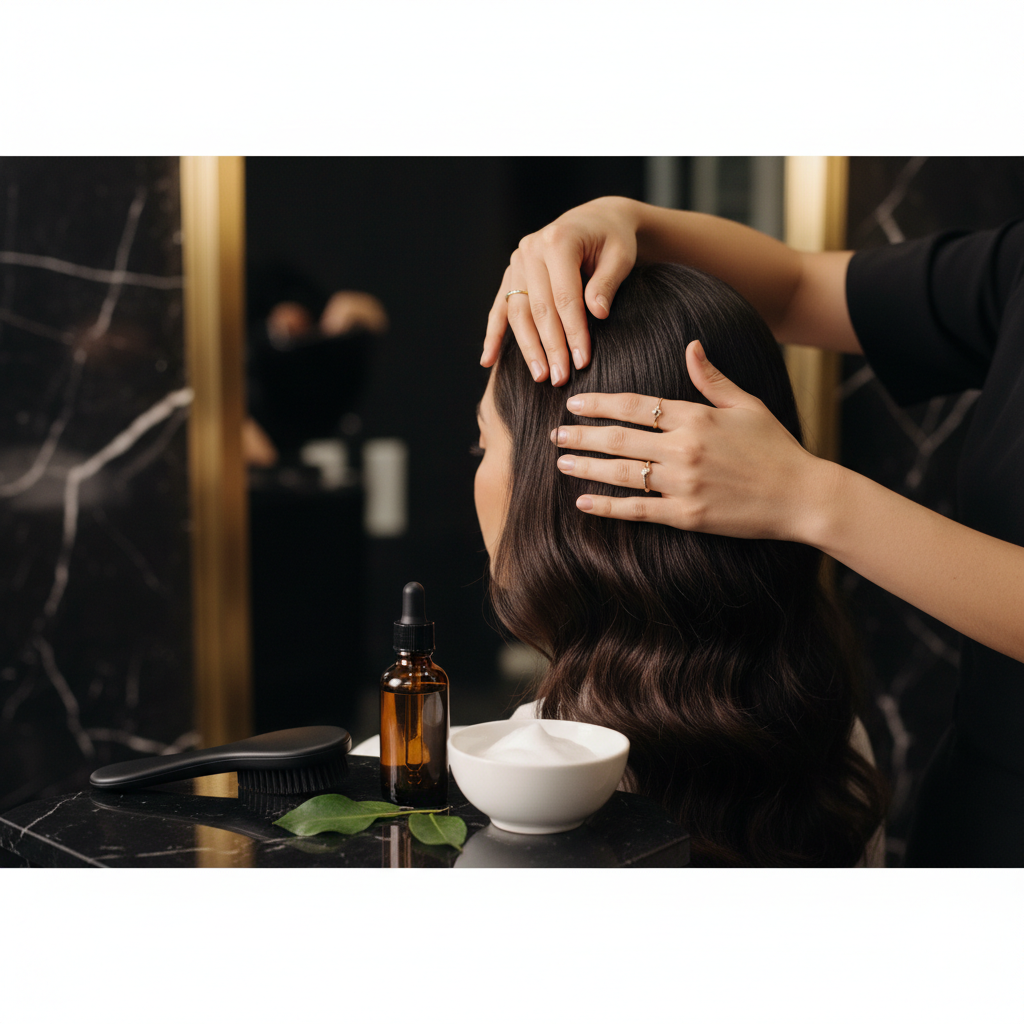
What is Scalp Care?
Scalp care refers to the practices and products used to maintain the health of the skin on your head. Given that the scalp is a direct extension of your facial skin, it requires similar attention to remain healthy. A healthy scalp provides an optimal environment for hair growth and contributes to the overall appearance and vitality of your hair.
Anatomy of the Scalp
The scalp is composed of several layers, including the epidermis, dermis, and subcutaneous tissue. It is rich in blood vessels, nerves, and hair follicles, along with sebaceous glands and sweat glands.
- Hair Follicles: These are small, specialized organs in the skin that produce hair. Each follicle contains a hair shaft, sebaceous gland, and an arrector pili muscle.
- Sebaceous Glands: These glands produce sebum, an oily substance that lubricates the hair and skin, providing a protective barrier. An imbalance in sebum production can lead to issues like oily scalp or dryness.
- Sweat Glands: These glands secrete sweat, helping to regulate body temperature.
- Microbiome: The scalp hosts a diverse community of microorganisms, including bacteria and fungi, which constitute the scalp microbiome. A balanced microbiome is essential for scalp health; disruptions can contribute to conditions like dandruff or irritation.
The Importance of Scalp Health
Scalp health directly impacts the quality and growth of hair. A scalp free from irritation, excessive oil, or dryness provides the best foundation for hair to thrive. When the scalp is compromised, hair may appear dull, brittle, or experience hindered growth.
- Healthy Hair Growth: A well-nourished and balanced scalp supports the anagen (growth) phase of the hair cycle.
- Reduced Hair Loss: Addressing scalp issues can contribute to reducing non-scarring hair loss.
- Comfort: A healthy scalp is free from itching, flaking, and discomfort.
Common Scalp Conditions and Their Causes
Dandruff (Pityriasis Capitis)
Dandruff is a common condition characterized by flaking of the skin on the scalp, often accompanied by itching. It is frequently linked to an overgrowth of Malassezia globosa, a yeast-like fungus naturally present on the scalp. This fungus feeds on sebum, producing oleic acid, which irritates sensitive scalps and leads to increased skin cell turnover.
Seborrheic Dermatitis
A more severe form of dandruff, seborrheic dermatitis causes red, greasy patches covered with flaky white or yellow scales. It can affect the scalp as well as other oily areas of the body. Like dandruff, it is associated with Malassezia yeast and often influenced by genetic predisposition, stress, and hormonal changes.
Dry Scalp
Dry scalp occurs when the scalp lacks sufficient moisture, leading to tightness, itching, and small, dry flakes. Causes can include cold weather, low humidity, excessive washing with harsh shampoos, or certain medical conditions.
Oily Scalp (Seventy-Hour Scalp)
An oily scalp results from overactive sebaceous glands producing excess sebum. This can make hair appear greasy and limp, and may contribute to clogged follicles. Hormonal fluctuations, genetics, diet, and improper product use can all play a role.
Scalp Psoriasis
Psoriasis is a chronic autoimmune condition that can affect the scalp, causing thick, silvery scales, redness, and itching. It results from an accelerated skin cell turnover rate.
Foundations of a Healthy Scalp Care Routine
A balanced scalp care routine focuses on cleansing, conditioning, and addressing specific concerns.
Cleansing
Regular cleansing is crucial to remove excess sebum, dead skin cells, and product buildup. The frequency of washing depends on individual scalp type and lifestyle.
- Shampoo Selection: Choose a shampoo formulated for your scalp type. For an oily scalp, a clarifying or balancing shampoo can help control sebum. For a dry scalp, a hydrating and gentle formula is preferable. For issues like dandruff or seborrheic dermatitis, a medicated shampoo containing active ingredients like zinc pyrithione or selenium sulfide may be recommended.
- Washing Technique: Gently massage the scalp with fingertips (not nails) to stimulate circulation and loosen debris. Focus the shampoo on the scalp, allowing the lather to rinse through the hair strands.
Conditioning
Conditioners primarily focus on the hair strands, but some can offer benefits to the scalp, particularly for dryness. Look for lightweight, non-comedogenic conditioners if you have an oily scalp.
Exfoliation
Scalp exfoliation, either mechanical (scrubs) or chemical (alpha hydroxy acids like glycolic acid or beta hydroxy acids like salicylic acid), helps remove dead skin cells and buildup. This promotes a clearer environment for hair growth and can enhance product penetration. Exfoliate once or twice a week, depending on scalp sensitivity and buildup.
Targeted Treatments
Specific scalp concerns often benefit from targeted treatments:
- Serums and Tonics: These can deliver active ingredients directly to the scalp, such as anti-inflammatory agents, antimicrobials, or ingredients that support hair growth.
- Masks: Scalp masks can provide intensive hydration, soothing, or clarifying benefits.
- Oils: Certain natural oils, like jojoba or tea tree oil (diluted), can offer moisturising or antimicrobial properties. Always patch test and use sparingly.
Lifestyle Factors and Scalp Health
Beyond topical treatments, several lifestyle factors influence scalp health:
- Diet: A balanced diet rich in vitamins, minerals, and essential fatty acids supports overall skin and hair health.
- Stress Management: Stress can exacerbate certain scalp conditions, including seborrheic dermatitis and hair loss. Techniques like meditation or exercise can help.
- Heat Styling: Excessive or improper heat styling can dry out the scalp and hair. Use heat protection and minimise direct heat exposure to the scalp.
- Hair Products: Choose products that are appropriate for your hair and scalp type. Avoid heavy, occlusive products if your scalp is prone to oiliness or buildup. Ensure thorough rinsing to prevent residue.
- Hair Brushing: Gentle brushing stimulates blood flow to the scalp and helps distribute natural oils, but excessive or aggressive brushing can cause irritation. Use a brush with soft bristles.
When to Seek Professional Advice
While many scalp concerns can be managed with over-the-counter products and a consistent routine, persistent or severe symptoms warrant professional evaluation. A trichologist (hair and scalp specialist) or dermatologist can diagnose underlying conditions and recommend appropriate medical treatments.
By understanding the basic anatomy and common issues affecting the scalp, individuals can adopt practices that support a healthy foundation for robust and vibrant hair. Consistent care, tailored to specific needs, is the cornerstone of optimal scalp health.
Find these ingredients in Watermans products
- Zinc, you will find this ingredient in our Hair Vitamins.
- Oleic Acid, you will find this ingredient in our Camellia & Black Castor Hair & Body Oil.