Pre Poo Hair Treatments: The Complete Scientific Reference
9 min read ·
Learn how Pre Poo Hair Treatments prevent hygral fatigue, reduce friction breakage, and protect delicate hair fibres before you cleanse.
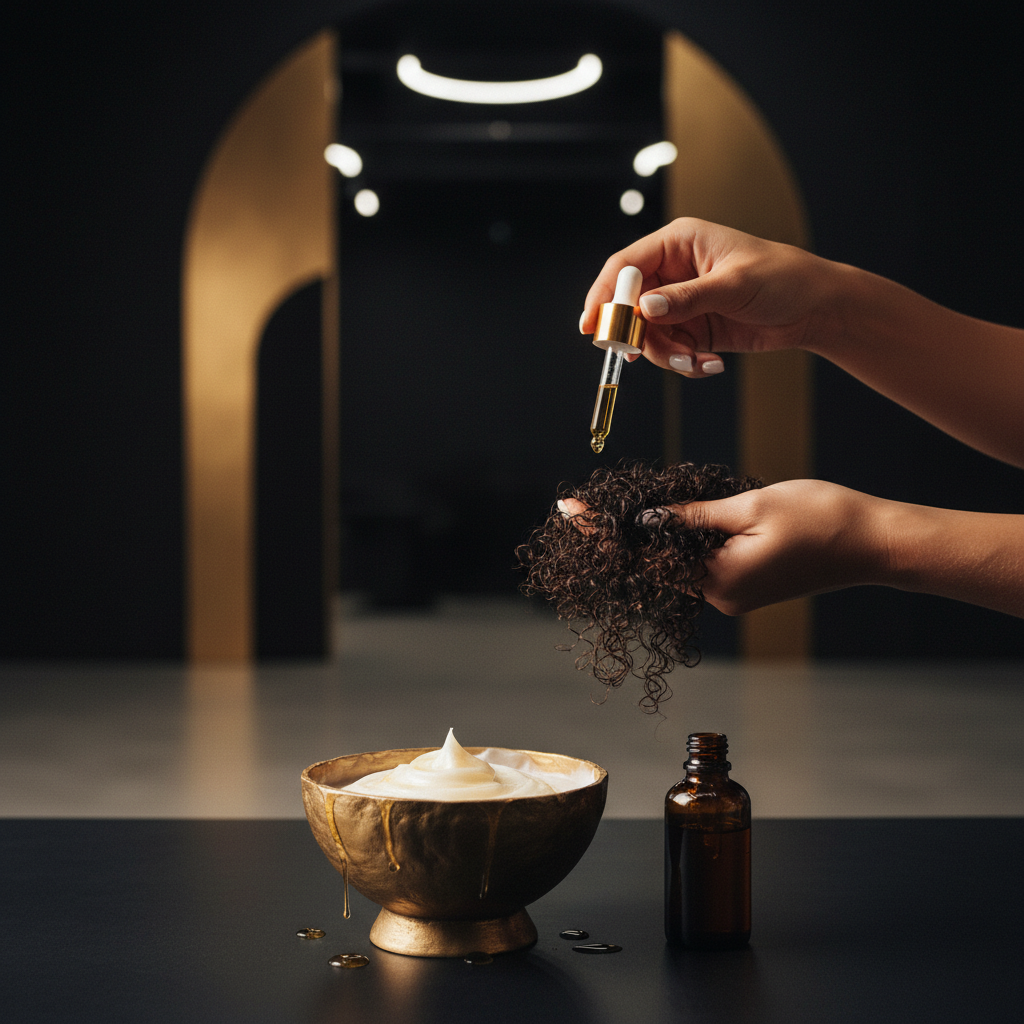
Quick answer: Pre Poo Hair Treatments are protective applications of oils, butters, or conditioning emulsions placed onto dry or damp hair before shampooing. Their main role is to mitigate hygral fatigue, reduce lipid loss from harsh surfactants, and minimise mechanical breakage while detangling wet strands. While they substantially improve cuticle integrity and surface lubricity, Pre Poo Hair Treatments cannot repair severed disulphide bonds, alter natural hair density, or cure medical scalp disorders, requiring realistic expectations about their purely cosmetic and protective benefits.
Key takeaways
- Pre Poo Hair Treatments coat or penetrate the hair fibre prior to cleansing to reduce water uptake and swelling.
- Penetrating plant oils with low molecular weight and high polarity, such as coconut oil, enter the cortex to reduce protein loss.
- Surface-acting agents like mineral oils, silicones, and rich emulsions smooth down cuticle scales to reduce detangling friction.
- They are particularly beneficial for high-porosity, bleached, coarse, or curly hair types prone to excessive moisture swelling.
- Overuse on fine or low-porosity hair can cause product build-up, dullness, and limp texture if not cleansed thoroughly.
- They protect the fibre against wash-day stress, but do not cure follicular hair loss or repair split ends permanently.
Pre Poo Hair Treatments: what the evidence shows
Pre Poo Hair Treatments modify the physical interaction between water, detergents, and the hair shaft. Hair is naturally hygroscopic, meaning it readily absorbs water. When hair is submerged during washing, water enters the inner cortex, causing the fibre to swell by up to 15 to 20 percent in diameter. When the hair dries, it contracts back to its original dimension. This repeated swelling and deswelling cycle, known as hygral fatigue, weakens the cell membrane complex between cuticle scales over time.
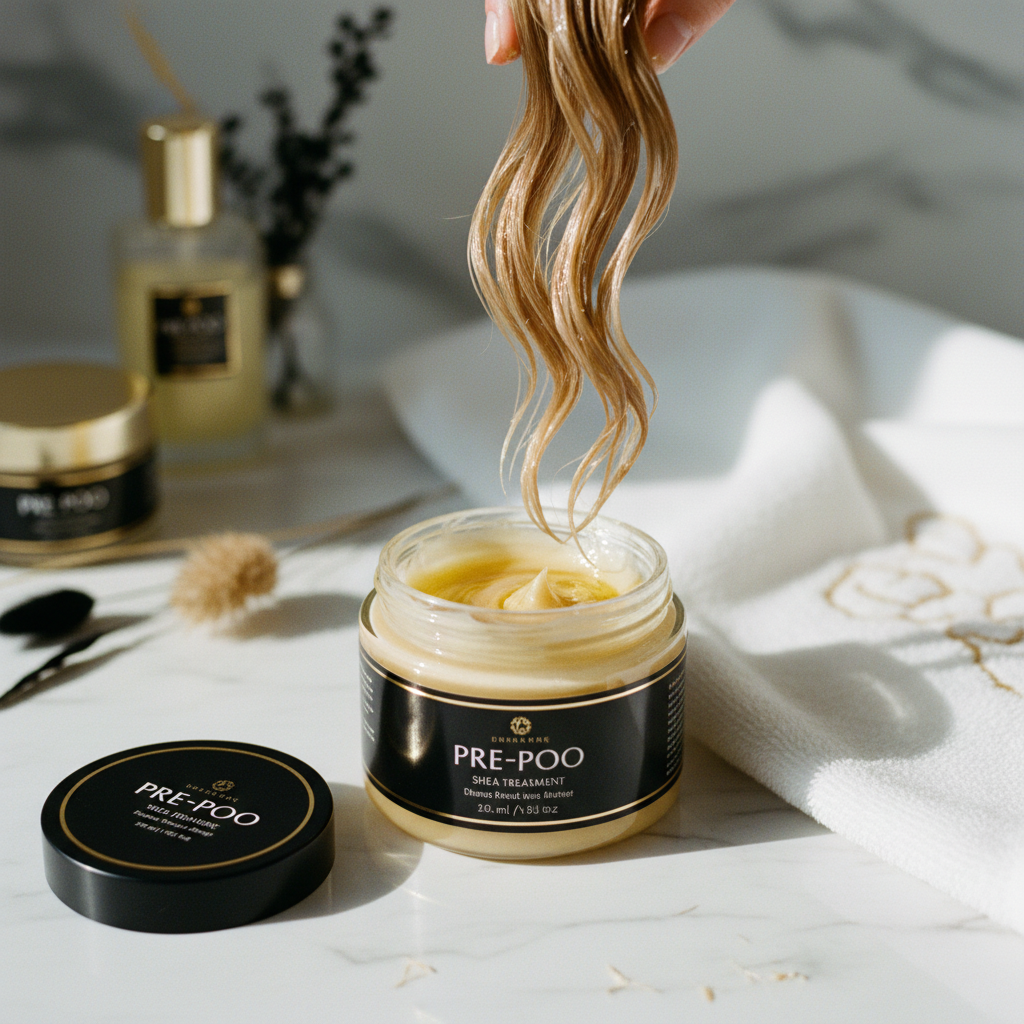
Research published in the Journal of Cosmetic Science demonstrates that certain vegetable oils applied as a pre-wash treatment significantly decrease water absorption. Triglycerides with linear, medium-chain fatty acids (primarily lauric acid) possess a low molecular weight and sufficient polarity to cross the hydrophobic cuticle barrier. Once inside the hair shaft, these lipids occupy space within the intermicrofibrillar matrix. This limits the volume of water the cortex can absorb, reducing the physical strain placed on the cuticular envelope during wet washing.
Beyond internal lipid penetration, these treatments offer external lubrication. Shampoos, particularly clarifying formulas containing anionic surfactants like sodium lauryl sulphate, dissolve surface sebum and elevate the hair fibre's negative electrical charge. This friction leads to knotting and cuticular chipping. A pre-shampoo barrier lowers the coefficient of friction, protecting the delicate edges of the cuticles when your fingers or wide-tooth combs glide through wet strands.
The mechanism: penetration versus barrier coating
Not all pre-wash formulations function the same way. The scientific efficacy of a treatment depends largely on whether its active molecules penetrate the cortex or remain on the surface.
Penetrating lipids
Certain plant-derived triglycerides exhibit high affinity for hair keratins. Coconut oil is the benchmark example: because of its low molecular weight and straight hydrocarbon chain, it penetrates deep into the cortex within 4 to 14 hours. Inside the fibre, it anchors to protein structures, dramatically limiting protein wash-out during lathering. Babassu and palm kernel oils behave similarly.
Non-penetrating conditioning agents
Large molecules, such as mineral oil, sunflower seed oil, heavy silicones, and quaternary ammonium compounds (quats), cannot easily squeeze through the tightly packed cuticle scales. Instead, they form a hydrophobic film over the outer epicuticle. This shield blocks rapid water entry, smooths down frayed cuticle shingles, and shields existing hair colour from premature rinsing.
The table below contrasts the primary types of Pre Poo Hair Treatments, their active mechanisms, and ideal hair profiles:
| Treatment Type | Key Ingredients | Primary Mechanism | Best Suited For |
|---|---|---|---|
| Penetrating Oils | Coconut oil, babassu oil | Enters cortex, reduces protein loss, limits core swelling | High-porosity, bleached, chemically treated hair |
| Film-Forming Oils | Mineral oil, jojoba oil, argan oil | Coats the cuticle, creates slip, repels external water | Medium-porosity hair, tangles, colour-treated strands |
| Emulsion / Cream Masks | Cetearyl alcohol, behentrimonium chloride | Adds cationic slip, deposits conditioning agents | Dry, coarse, afro, and tight curl patterns (Types 3 and 4) |
| Scalp-Clarifying Pre-Cleansers | Salicylic acid, tea tree oil, light esters | Dissolves stubborn sebum and flakes before lathering | Oily scalps, product build-up, flaky scalps |
What the evidence does not show
Pre Poo Hair Treatments are widely discussed on social media, often with exaggerated claims that distort what topical cosmetic lipids can accomplish.
First, pre-shampoo applications do not stimulate the hair follicle or cure alopecia. Telogen effluvium, androgenetic alopecia, and alopecia areata originate within the dermal papilla, genetic pathways, or immune cascades beneath the skin surface. Coating the exposed hair shaft with oil does not change hair follicle cycling or revive dormant follicles.
Second, these treatments cannot permanently mend split ends. Once the cuticle is stripped away and the cortical fibres split, the structural cohesion of the hair shaft is lost. While a rich emulsion can temporarily glue split fibres together through cohesive capillary forces, the split reappears once the film washes away.
Third, oils do not provide "hydration". Water hydrates; oils seal and lubricate. Applying oil alone to dehydrated, brittle hair without water or humectants does not moisturise the fibre; it merely creates an occlusive lipid layer that may even repel water if misused.
Signs your hair could benefit from pre-washing
Your hair fibre will display clear mechanical and tactile signals when its natural lipid barrier is compromised:
- Severe wet tangles: Your hair clumps, snarls, and snaps when you attempt to detangle it during or immediately after shampooing.
- Rapid water saturation: Your hair becomes dripping wet the instant water touches it, indicating high porosity and compromised cuticles.
- Dull, squeaky texture: After rinsing shampoo, your hair feels dry, rough, and stripped of all slip.
- Frequent colour fading: Semi-permanent or demi-permanent hair dye leaches out rapidly within three or four washes.
- Mechanical breakage: You notice short, snapped pieces of hair (without white follicular bulbs) in the shower tray or on your comb after washing.
How to apply pre-shampoo treatments properly
Applying a pre-wash treatment incorrectly can leave hair greasy, flat, or coated in residue. Follow these targeted steps:
- Assess hair porosity: Fine, low-porosity hair requires lightweight conditioning emulsions applied for 10 to 20 minutes. Coarse, highly porous, or bleached hair handles heavier penetrating oils applied for 1 to 8 hours.
- Apply to dry or slightly damp hair: Dry hair absorbs non-polar plant oils better because water does not compete for entry into the internal spaces of the cortex.
- Focus on the mid-lengths and ends: Keep heavy lipid treatments away from the scalp unless you are using a dedicated scalp-exfoliating formula designed to break down sebum.
- Detangle with care: Use your fingers or a flexible wide-tooth comb to gently separate knots while the treatment coats the cuticle, working from ends toward roots.
- Wash thoroughly: Use a well-formulated, balanced shampoo to cleanse away excess surface oil. If the hair feels weighed down or coated after drying, reduce the treatment volume or duration next time.
Supporting hair health from the roots with Watermans
While Pre Poo Hair Treatments work as external shields for the hair fibre, complete hair wellness starts at the scalp where the fibre is formed. Watermans focuses on scalp-first formulations developed to support the appearance of thicker, fuller, and stronger hair right from the root.
Pairing a protective pre-wash routine for your delicate lengths with a stimulating, nutrient-dense routine like Watermans GrowMe Shampoo ensures both the hair fibre and the follicle receive balanced care. Formulated with biotin, rosemary, caffeine, niacinamide, and argan oil, GrowMe supplies vital scalp conditioning without stripping the protective lipids your lengths rely on to resist breakage.
When breakage is actually a medical scalp concern
It is critical to distinguish between hair fibre breakage and medical hair loss. Pre-shampoo treatments reduce mechanical hair breakage along the shaft. However, if you notice hairs shedding with a visible white bulb at the root, wide patches of scalp appearing, sudden diffuse thinning across the crown, or persistent scalp redness, itching, and scaling, this points to an internal or dermatological issue.
Topical cosmetic oils will not resolve systemic vitamin deficiencies, thyroid imbalances, or inflammatory scalp conditions such as seborrhoeic dermatitis. In fact, applying heavy vegetable oils to an inflamed, flaky scalp can worsen conditions driven by the Malassezia yeast, which feeds on specific free fatty acids. If you experience unexpected shedding or scalp discomfort, consult a trichologist or dermatologist for a formal assessment.
Frequently asked questions about Pre Poo Hair Treatments
Can fine hair use Pre Poo Hair Treatments without going flat?
Yes, but you must choose lightweight formulations. Heavy oils like coconut or castor will weigh down fine hair fibres and prove difficult to wash out without harsh over-cleansing. Instead, opt for lightweight rinse-off conditioning emulsions or fast-absorbing oils such as jojoba. Keep application times under 20 minutes and apply only from the mid-lengths down.
How long should I leave Pre Poo Hair Treatments on my hair?
Timing depends on the product's molecular structure. Penetrating oils like pure coconut oil need between 2 and 8 hours to migrate past the cuticles into the cortex. Commercial pre-shampoo creams, bonding agents, or detangling emulsions work on the surface and achieve their maximum cosmetic benefit within 15 to 30 minutes.
Does a pre-poo replace a regular post-wash conditioner?
No. Pre-shampoo treatments shield hair against cleansing friction and hygral fatigue, but they do not neutralise the anionic charge left behind after shampooing. Conditioners applied after washing use cationic surfactants to lower static, rebalance surface pH, and flatten the cuticles, ensuring the hair dries smooth and manageable.
Can Pre Poo Hair Treatments cause build-up on the scalp?
They can if heavy oils are rubbed directly into the scalp and not removed with an effective shampoo. Natural plant oils and heavy silicones can mix with sebum and dead skin cells, potentially clogging follicular openings and creating an environment where fungal microflora thrive. Reserve conditioning pre-poos for the hair lengths.
Practical care for resilient hair
Pre Poo Hair Treatments are an effective, evidence-backed strategy for reducing the physical wear and tear of washing. By limiting excessive water swelling inside the cortex and shielding the cuticle layer against aggressive detergent friction, they safeguard the hair shaft against unnecessary breakage. When used thoughtfully according to your hair's unique porosity and texture, these treatments keep fragile lengths resilient, supple, and easier to detangle wash after wash.
Sources and references
- Journal of Cosmetic Science, "Effect of mineral oil, sunflower oil, and coconut oil on prevention of hair damage", 2003.
- International Journal of Trichology, "Hair Cosmetics: An Overview", 2015.
- Journal of Cosmetic Science, "Secondary ion mass spectrometric investigation of penetration of coconut and mineral oils into human hair fibres", 2001.
- British Association of Dermatologists, "Hair Breakage and Scalp Management Guidelines", 2021.
Find these ingredients in Watermans products
- Niacinamide: you will find this ingredient in our Hair Mask.
- Sunflower Seed Oil: you will find this ingredient in our Heat Protection Spray.