Dealing with Oily Scalp
4 min read ·
An oily scalp results from overactive sebaceous glands producing excess sebum, leading to greasy hair and potential scalp issues.
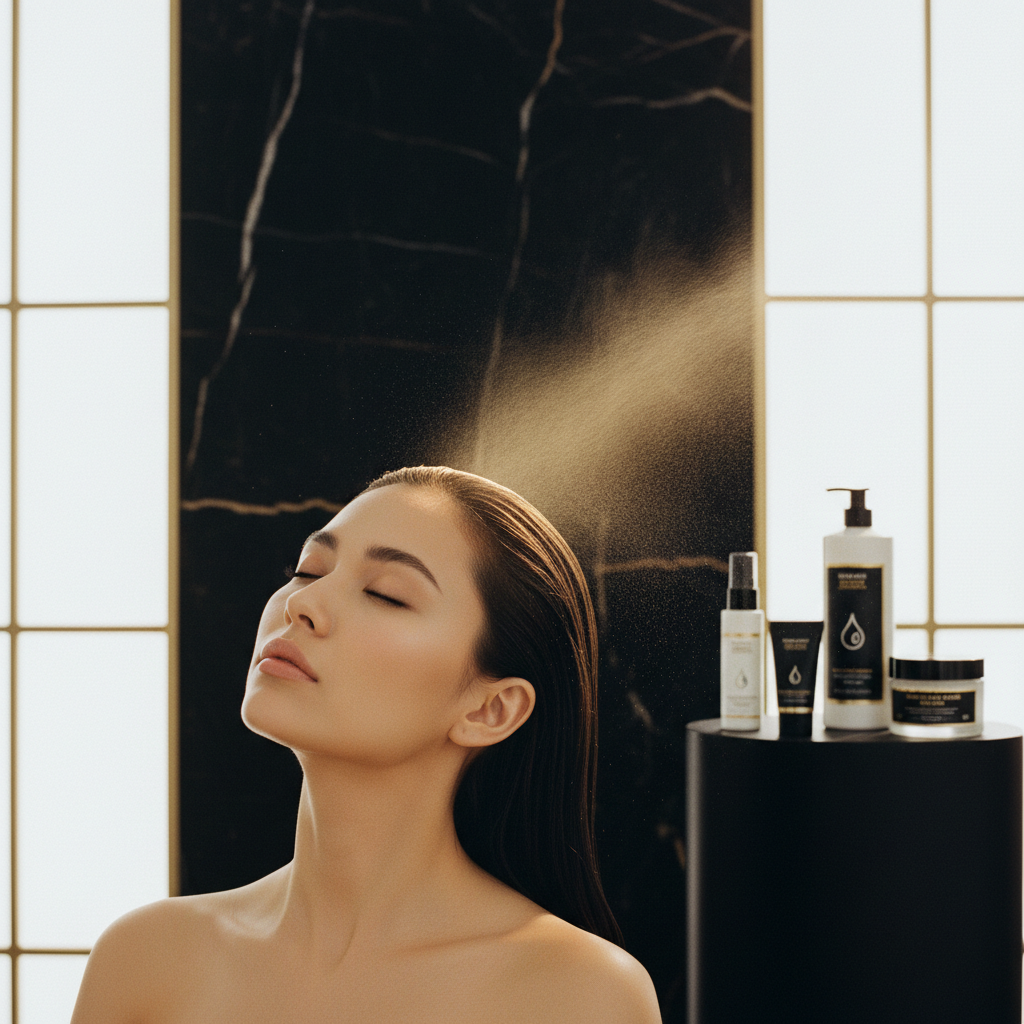
Understanding an Oily Scalp
An oily scalp, medically known as seborrhea, occurs when the sebaceous glands within the scalp produce an excessive amount of sebum. Sebum is a natural, oily substance that moisturizes the skin and hair, protecting it from dryness. While essential for healthy hair, an overproduction can lead to greasy-looking hair, flatness, and a feeling of uncleanliness. This excess oil can also create an environment conducive to certain scalp conditions.
Causes of Oily Scalp
The primary cause of an oily scalp is hormonally driven overactivity of the sebaceous glands. Androgens, a group of hormones present in both men and women, stimulate sebum production. Fluctuations or higher levels of these hormones can lead to increased oiliness. Other contributing factors include:
- Genetics: A predisposition to an oily scalp can be inherited.
- Diet: While direct links are debated, some individuals report that diets high in refined sugars and unhealthy fats may exacerbate oily scalp conditions.
- Stress: Stress can influence hormone levels, potentially leading to increased sebum secretion.
- Environmental Factors: High humidity and pollution can contribute to a greasier scalp appearance.
- Hair Products: Heavy conditioners, styling creams, and silicones can build up on the scalp, making it appear oilier and potentially clogging follicles.
- Frequent Washing: Paradoxically, washing hair too often can strip the scalp of its natural oils, prompting the sebaceous glands to produce even more sebum in an attempt to compensate.
- Infrequent Washing: Not washing enough allows oil and product buildup to accumulate, leading to a greasy appearance.
Symptoms and Associated Conditions
The most obvious symptom of an oily scalp is hair that looks greasy or lank shortly after washing. Other symptoms can include:
- Itchiness: Excess sebum can irritate the scalp.
- Redness: Inflammation can occur due to irritation or associated conditions.
- Dandruff: Oily scalp is often linked to seborrheic dermatitis, a common condition causing flaky, itchy, and sometimes red skin. Malassezia globosa, a yeast naturally present on the scalp, thrives in oily environments, contributing to dandruff.
- Hair Loss: In some cases, severe or prolonged oily scalp conditions, especially when associated with inflammation or seborrheic dermatitis, can contribute to hair thinning or loss if follicles become clogged and unhealthy.
Management Strategies for Oily Scalp
Effective management of an oily scalp involves a multi-faceted approach focusing on proper cleansing, product choice, and lifestyle adjustments.
Hair Washing Techniques
- Frequency: Aim to wash your hair every 1-3 days. Experiment to find the optimal frequency that keeps your scalp feeling clean without over-stimulating oil production. If you currently wash daily, try extending to every other day.
- Temperature: Use lukewarm water. Hot water can strip the scalp of oils more aggressively, triggering increased sebum production.
- Shampoo Application: Focus shampoo directly on the scalp. Gently massage with your fingertips to loosen oil and buildup. There is no need to scrub the hair strands vigorously; the suds will cleanse them as you rinse.
- Rinsing: Rinse thoroughly to ensure all shampoo and conditioner is removed. Residue can weigh hair down and contribute to a greasy feel.
Product Selection
Choosing the right haircare products is crucial for managing an oily scalp.
- Shampoo: Opt for a shampoo specifically formulated for oily hair. These often contain ingredients like salicylic acid, zinc PCA, or tea tree oil, which help to control sebum production and cleanse the scalp without harsh stripping. Avoid shampoos marketed as "hydrating," "moisturising," or "smoothing" as these can be too heavy.
- Conditioner: Apply conditioner only to the mid-lengths and ends of your hair, avoiding the scalp. Use a lightweight, oil-free formula. If your hair is fine, consider skipping conditioner every other wash or using a leave-in spray on the ends only.
- Styling Products: Minimize the use of heavy styling creams, oils, and serums, especially at the roots. If you use dry shampoo, apply it sparingly and primarily to absorb excess oil between washes, not as a complete substitute for washing.
Lifestyle and Other Considerations
- Brushing: Brush your hair gently from roots to ends to distribute natural oils. However, avoid over-brushing, which can stimulate sebaceous glands.
- Touching Hair: Consciously avoid touching your hair and scalp excessively throughout the day, as this can transfer oils and dirt from your hands to your hair.
- Cleanliness: Regularly clean your hairbrushes and combs to remove oil and product buildup.
- Diet & Stress: While not direct treatments, maintaining a balanced diet and managing stress through techniques like meditation or exercise can contribute to overall scalp health.
Ingredients to Look For
When selecting products for an oily scalp, look for ingredients known for their sebum-regulating and clarifying properties:
| Ingredient | Primary Benefit |
|---|---|
| Salicylic Acid | Exfoliates scalp, dissolves oil |
| Zinc PCA | Regulates sebum production |
| Tea Tree Oil | Antiseptic, balances oil |
| Clay (e.g., Kaolin) | Absorbs excess oil, detoxifies scalp |
| Niacinamide (Vit B3) | Supports skin barrier, reduces sebum production |
When to Seek Professional Advice
If your oily scalp is accompanied by severe itching, persistent redness, significant flaking (especially large, yellow scales), or hair loss, it's advisable to consult a dermatologist or trichologist. These symptoms could indicate underlying conditions that require medical diagnosis and treatment, such as severe seborrheic dermatitis or other scalp disorders. A professional can provide a tailored treatment plan, which may include prescription-strength topical treatments or oral medications.
Find these ingredients in Watermans products
- Zinc, you will find this ingredient in our Hair Vitamins.
- Niacinamide, you will find this ingredient in our Hair Mask.
- Zinc PCA, you will find this ingredient in our Hair Growth Serum.