Dandruff Explained: Causes, Symptoms, and Treatment
4 min read ·
Dandruff, also known as seborrheic dermatitis, is a common scalp condition characterized by flaking and itching, affecting nearly half the adult population.
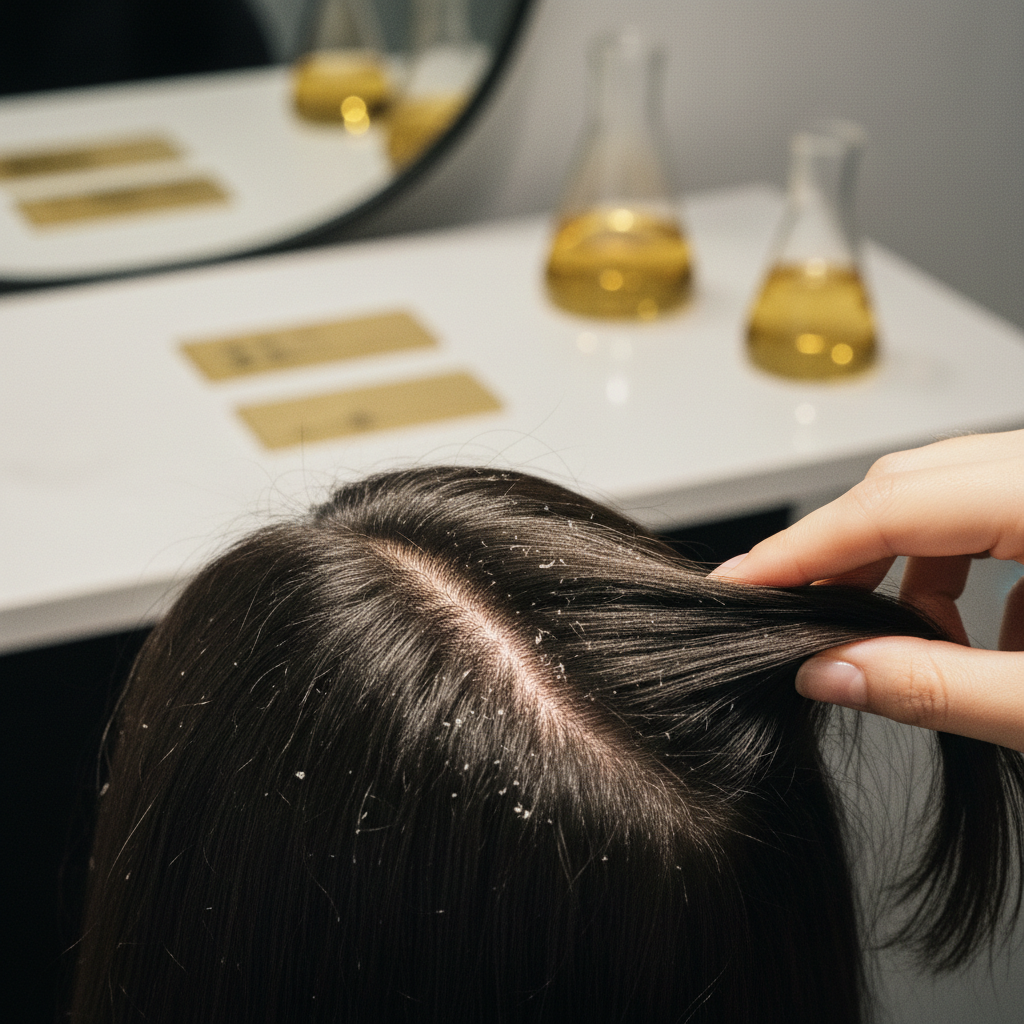
What is Dandruff?
Dandruff is a common, chronic, non-contagious scalp condition characterized by the shedding of dead skin cells from the scalp in visible flakes, often accompanied by itching. While the presence of dead skin cells on the scalp is a normal biological process, dandruff occurs when this process accelerates, leading to an abnormal accumulation of cells that become noticeable. This condition is also known medically as pityriasis capitis or, in its more severe form, seborrheic dermatitis.
What Causes Dandruff?
The exact cause of dandruff is complex and multifactorial, but several key factors contribute to its development:
- Malassezia Globosa Yeast: This is a naturally occurring yeast-like fungus found on the scalps of most adults. Under normal conditions, it is harmless. However, an overgrowth of Malassezia globosa can irritate the scalp, leading to accelerated skin cell turnover and inflammation.
- Sebum Production: The scalp produces an oily substance called sebum, which acts as a natural moisturiser. Malassezia globosa feeds on sebum. An excess of sebum (oily scalp) can create an ideal environment for the yeast to proliferate, exacerbating dandruff.
- Individual Sensitivity: Not everyone with Malassezia globosa and sebum will develop dandruff. Sensitivity to oleic acid, a byproduct produced by the yeast as it metabolizes sebum, plays a significant role. If an individual's immune system reacts to oleic acid, it triggers an inflammatory response, leading to rapid skin cell shedding.
- Genetics: There appears to be a genetic predisposition to dandruff, meaning some individuals are more likely to develop it than others.
- Environmental Factors: Cold, dry weather can worsen dandruff for some, while others find humid conditions aggravate their symptoms.
- Hair Washing Habits: Infrequent washing can allow oils and skin cells to accumulate, while overly harsh or frequent washing can strip the scalp's natural oils, potentially leading to irritation and rebound oiliness.
- Stress: While not a direct cause, stress can compromise the immune system, making the scalp more susceptible to Malassezia overgrowth and worsening existing dandruff.
- Certain Medical Conditions: Conditions like Parkinson's disease, weakened immune systems, and neurological disorders are associated with an increased risk of severe dandruff.
Symptoms of Dandruff
The primary symptoms of dandruff include:
- Flaking: Visible flakes of dead skin cells (ranging from small, white flakes to larger, yellowish, oily scales) on the scalp, hair, eyebrows, beard, and shoulders.
- Itching: An itchy scalp is a very common and often distressing symptom, which can lead to scratching and further irritation.
- Scalp Irritation/Redness: In some cases, the scalp may appear red or inflamed, particularly with more severe forms of seborrheic dermatitis.
- Oiliness: The scalp may feel oily or greasy, even shortly after washing.
- Tightness/Dryness: Conversely, some individuals may experience a feeling of dryness or tightness on the scalp.
Types of Dandruff
Dandruff is often categorized based on its appearance and underlying factors:
| Type of Dandruff | Characteristics |
|---|---|
| Dry Dandruff | Characterized by small, white, loose flakes. Often associated with a dry scalp, but can also occur with mild Malassezia overgrowth. Itching may be present. |
| Oily Dandruff (Seborrheic Dermatitis) | Marked by larger, yellowish, greasy flakes that tend to stick to the hair and scalp. The scalp often appears red and oily. More severe itching and inflammation are common. This form can affect other oily areas of the body, such as the face, eyebrows, and chest. |
Treatment and Management of Dandruff
Managing dandruff typically involves a consistent regimen of specialized hair care products and lifestyle adjustments.
Hair Care Products
Anti-dandruff shampoos are the cornerstone of treatment and often contain active ingredients formulated to address the underlying causes. Common active ingredients and their mechanisms include:
- Zinc Pyrithione: An antifungal and antibacterial agent that reduces Malassezia globosa levels.
- Selenium Sulfide: An antifungal agent that slows down the growth of new skin cells and reduces Malassezia globosa.
- Ketoconazole: A broad-spectrum antifungal agent effective against Malassezia globosa. It is often used for more persistent or severe cases.
- Salicylic Acid: A keratolytic agent that helps to loosen and shed dead skin cells from the scalp, reducing flaking.
- Coal Tar: Slows down the rate of skin cell growth and reduces inflammation. It can be effective for severe flaking but may have a strong odour and can stain light-coloured hair.
When using an anti-dandruff shampoo, it is important to follow the product instructions carefully, which often involve leaving the shampoo on the scalp for a few minutes before rinsing to allow the active ingredients to work.
General Hair Care and Lifestyle Tips
- Regular Washing: Wash your hair regularly, even daily if necessary, using a gentle shampoo, to prevent the buildup of oils and dead skin cells. If using a medicated shampoo, alternate with a gentle, non-medicated shampoo if recommended.
- Scalp Massage: Gentle scalp massage during washing can help to loosen flakes and improve circulation.
- Avoid Irritants: Minimize the use of harsh hair products (e.g., strong styling gels, sprays) that can irritate the scalp. Opt for fragrance-free or hypoallergenic products if you have a sensitive scalp.
- Healthy Diet: While not a direct cure, a balanced diet rich in vitamins (especially B vitamins) and essential fatty acids can support overall skin health.
- Stress Management: Implement stress-reduction techniques, as stress can exacerbate dandruff symptoms.
- Sun Exposure: Moderate sun exposure can sometimes help to alleviate dandruff symptoms, but prolonged exposure should be avoided to prevent skin damage.
- Avoid Scratching: While itching is a symptom, scratching aggressively can further irritate the scalp, potentially leading to breakage and infection.
Find these ingredients in Watermans products
- Zinc, you will find this ingredient in our Hair Vitamins.
- Oleic Acid, you will find this ingredient in our Camellia & Black Castor Hair & Body Oil.