Hair Oiling Techniques
5 min read ·
Hair oiling is an ancient practice that can improve hair health and appearance, but proper techniques are crucial for optimal results.
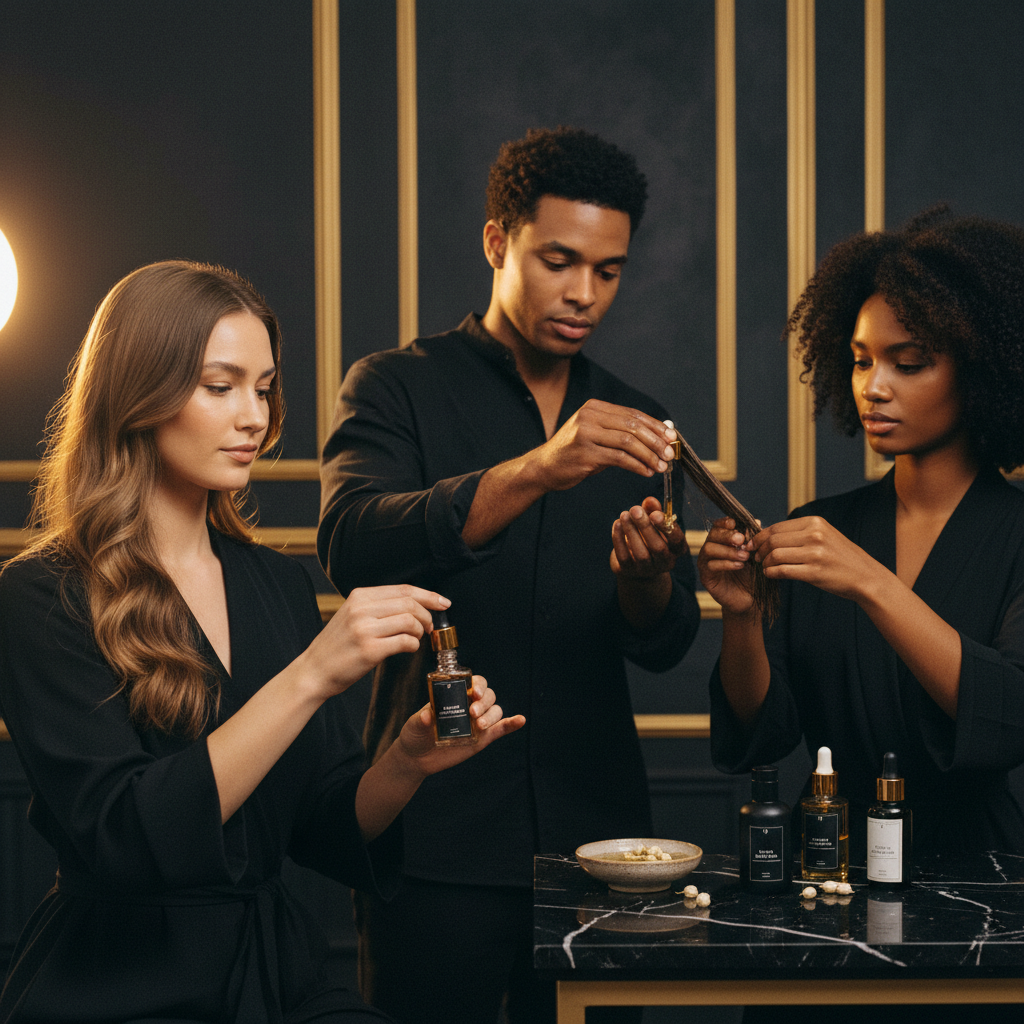
Understanding Hair Oiling
Hair oiling involves applying natural oils to the hair and scalp to nourish, protect, and improve its overall condition. This practice has roots in traditional medicine and beauty rituals across various cultures. The benefits stem from the oils' ability to penetrate the hair shaft, lubricate the scalp, and provide essential nutrients.
Benefits of Hair Oiling
Regular and proper hair oiling can lead to a multitude of hair health improvements:
- Moisturisation and Hydration: Oils create a protective barrier on the hair strand, which helps to lock in moisture and prevent dehydration. This is especially beneficial for dry, brittle, or chemically treated hair.
- Strength and Elasticity: Certain oils contain fatty acids and vitamins that nourish the hair from within, reducing breakage and improving elasticity. This makes hair more resilient to styling and environmental stressors.
- Scalp Health: Massaging oils into the scalp can stimulate blood circulation, which, in turn, can help deliver nutrients to hair follicles. Some oils also possess antimicrobial and anti-inflammatory properties that can soothe irritation and combat conditions like dandruff.
- Shine and Softness: By smoothing the hair cuticle, oils can enhance light reflection, resulting in increased natural shine. They also impart a silky, soft texture to the hair.
- Reduced Frizz: Oiling helps to seal the cuticle, preventing humidity from entering the hair shaft and causing frizz.
- Protection: A layer of oil can protect hair from environmental damage, such as sun exposure and pollution, as well as heat damage from styling tools.
Choosing the Right Oil
The effectiveness of hair oiling largely depends on selecting an oil that suits your hair type and concerns. Oils vary in their molecular structure and penetration capabilities.
Common Hair Oils and Their Properties
| Oil Type | Key Characteristics | Best For |
|---|---|---|
| Coconut Oil | High penetration, rich in lauric acid, good for protein retention. | Dry, damaged, protein-deficient hair; pre-shampoo treatment for all hair types. |
| Argan Oil | Rich in Vitamin E and fatty acids, good for shine and softness. | Dry, frizzy, brittle hair; general conditioning. |
| Jojoba Oil | Mimics natural scalp sebum, non-comedogenic. | Oily scalp, fine hair, sensitive scalp; balancing sebum production. |
| Olive Oil | Thick, rich in antioxidants, good for deep conditioning. | Very dry, thick, damaged hair; deep conditioning treatments. |
| Castor Oil | Thick, rich in ricinoleic acid, known for hair growth promotion. | Thinning hair, promoting growth, strengthening individual strands. |
| Almond Oil | Light, rich in Vitamin E, magnesium, and calcium. | Dry, dull hair; promoting shine and softness without weighing down. |
Note: Watermans Grow More Elixir contains a blend of natural oils formulated for scalp health and hair nourishment.
Hair Oiling Techniques
Effective hair oiling involves more than simply applying oil. The method of application, duration, and frequency all contribute to the results.
1. Pre-Wash Oiling (Traditional Method)
This is the most common and often recommended method, particularly for deep conditioning and scalp treatment.
- Application: Section your hair and apply oil directly to the scalp using your fingertips. Gently massage in circular motions for 5-10 minutes. This increases blood flow and helps the oil penetrate hair follicles. Extend the oil application to the lengths of your hair, focusing on dry ends. Use just enough oil to coat the strands, avoiding oversaturation.
- Duration: Leave the oil on for at least 30 minutes to an hour. For deep conditioning, you can leave it overnight. If leaving overnight, cover your hair with a shower cap or towel to protect bedding.
- Removal: Shampoo your hair thoroughly, potentially twice, to remove all oil residue. Ensure warm (not hot) water is used, and then follow with a conditioner.
- Frequency: 1-2 times a week, depending on hair type and level of dryness.
2. Post-Wash Oiling (Leave-in Treatment)
This method uses a very small amount of oil as a leave-in conditioner or styling aid.
- Application: After shampooing and conditioning, when hair is damp (towel-dried), take a few drops of a lighter oil (e.g., argan or jojoba). Rub it between your palms and gently smooth it through the mid-lengths and ends of your hair. Avoid applying directly to the scalp, especially if you have fine or oily hair, to prevent weighing it down.
- Duration: Leave in until the next wash.
- Frequency: As needed, typically after each wash or on dry days to combat frizz.
3. Hot Oil Treatment
Heating the oil before application can enhance penetration and provide more intensive conditioning.
- Preparation: Gently warm the chosen oil (never boil or microwave to avoid nutrient degradation and burns). You can place the oil bottle in a bowl of hot water for a few minutes or warm a small amount in your palms.
- Application: Apply the warm oil to the scalp and hair, massaging it in thoroughly. Cover your hair with a warm towel or shower cap for 20-30 minutes. The warmth helps open the hair cuticles, allowing for deeper oil absorption.
- Removal: Shampoo and condition as normal.
- Frequency: Once a month or when hair feels particularly dry or damaged.
Important Considerations
- Patch Test: Before using any new oil, perform a patch test on a small area of your skin (e.g., inner arm) to check for any allergic reactions or sensitivities.
- Quantity: Less is often more. Using too much oil, particularly with thicker oils, can make hair greasy and difficult to wash out, potentially leading to product buildup.
- Hair Type: Fine hair can be easily weighed down by heavy oils. Opt for lighter oils like jojoba or almond. Coarse or thick hair can generally handle richer oils like coconut or olive.
- Scalp Type: If you have an oily scalp, focus oil application on the mid-lengths and ends, or use oils that balance sebum production (like jojoba). For a dry scalp, direct application and massage are beneficial.
- Storage: Store natural oils in cool, dark places away from direct sunlight to preserve their efficacy.
By incorporating appropriate hair oiling techniques into your regimen, you can significantly contribute to the health, strength, and vibrancy of your hair.
Find these ingredients in Watermans products
- Argan Oil, you will find this ingredient in our Hair Growth Shampoo.
- Vitamin E, you will find this ingredient in our Hair Vitamins.
- Castor Oil, you will find this ingredient in our Camellia & Black Castor Hair & Body Oil.