The Benefits of Scalp Massage: Uncovering the Evidence for Hair and Scalp Health
9 min read ·
Scalp massage involves gently manipulating the scalp to encourage blood flow and relaxation. The Benefits of Scalp Massage include potential improvements in hair thickness and strength, reduced shedding, and a healthier scalp environment, though evidence for significant hair regrowth is still emerging.
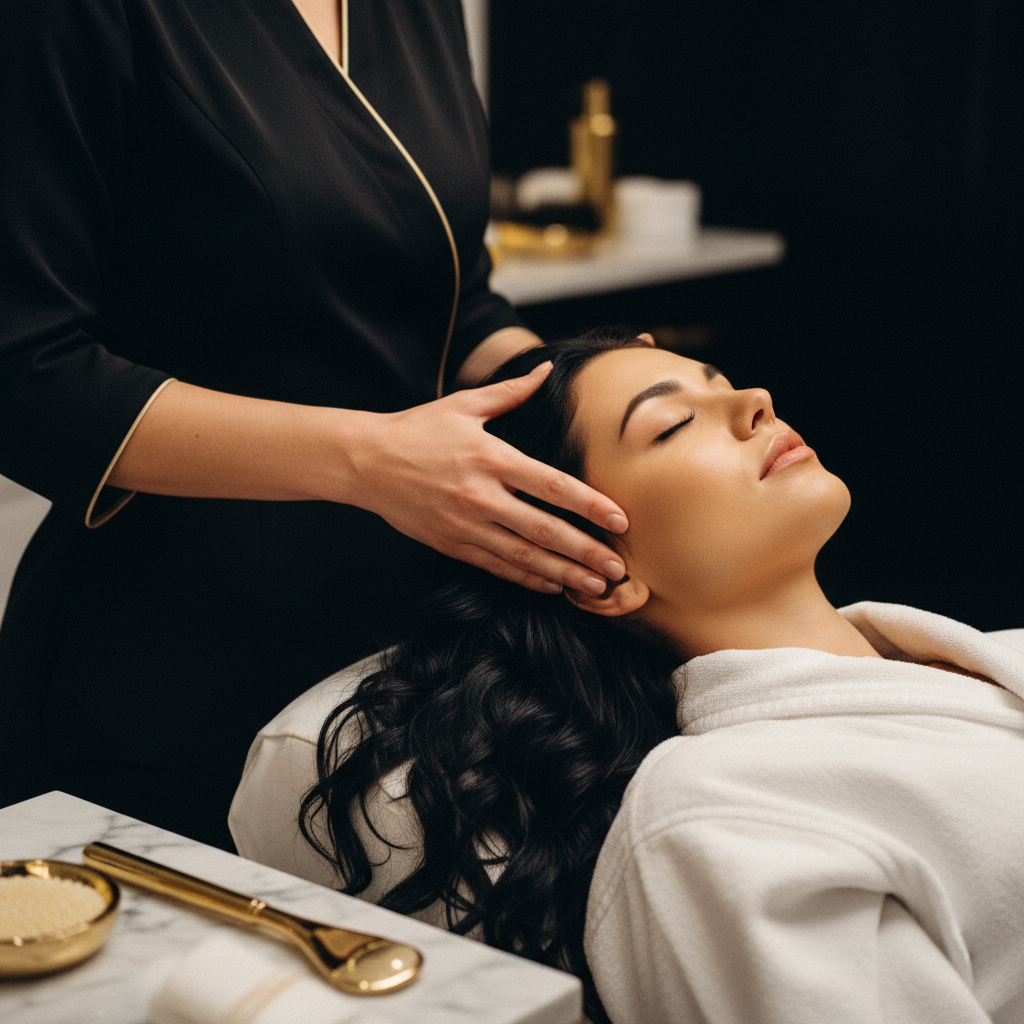
Quick answer: The Benefits of Scalp Massage primarily involve improved blood circulation to the scalp, which can support hair follicle health and potentially lead to thicker, stronger hair over time. It also offers significant stress reduction, which can indirectly benefit hair by reducing stress-related shedding. While some studies show promising results for hair thickness, more extensive research is needed to definitively conclude its role in promoting substantial new hair growth or reversing pattern hair loss. Its main limitation is that it's a supportive practice, not a standalone treatment for severe hair loss conditions.
Key takeaways
- Scalp massage can boost blood circulation to hair follicles, aiding nutrient and oxygen delivery.
- Consistent massage may lead to thicker hair fibres and reduced hair shedding.
- The practice is well-regarded for its stress-reducing effects, which can positively impact overall hair health.
- Scalp massage helps exfoliate the scalp, remove product build-up, and distribute natural oils.
- While beneficial for overall scalp health, it is not a direct cure for alopecia or significant hair loss.
- Regular, gentle application is key, avoiding excessive pressure or scratching.
The Benefits of Scalp Massage: what the evidence shows
Scalp massage, a practice involving gentle manipulation of the scalp's skin and underlying tissues, has been used for centuries across various cultures for both its relaxing and perceived hair health benefits. Modern research has started to explore the scientific basis behind these claims, primarily focusing on its impact on blood flow, hair fibre characteristics, and overall scalp health.
Evidence suggests that consistent, regular scalp massage can lead to improvements in hair thickness and strength. A 2016 study published in the journal Dermatology and Therapy found that standardised scalp massage, performed for 4 minutes daily over 24 weeks, led to an increase in hair thickness in men with alopecia. Participants reported feeling their hair was thicker and stronger, although hair count did not significantly change. This suggests that while it may not grow new hair, it can improve the quality of existing hair.
Another study, published in the Journal of Physical Therapy Science in 2019, investigated the effects of scalp massage on hair growth and blood flow. This research indicated that mechanical stimulation from scalp massage could increase hair thickness and improve blood circulation in the scalp. Participants who underwent regular scalp massage showed an increase in dermal papilla cells, which are crucial for hair follicle development and hair growth, as well as improved blood flow parameters.
What the evidence does not show
While promising, the current body of evidence does not definitively prove that scalp massage can reverse severe pattern hair loss (androgenetic alopecia) or stimulate significant new hair growth in areas where follicles are completely dormant. Most studies involve small participant numbers and self-reported outcomes. While it can improve hair thickness and reduce shedding related to stress, it's not a substitute for medical treatments for conditions like alopecia areata or androgenetic alopecia. It is best viewed as a supportive practice for general hair and scalp health.
How scalp massage works: the mechanisms behind the benefits
Improved Blood Circulation: One of the most widely accepted mechanisms behind The Benefits of Scalp Massage is the enhancement of blood flow to the scalp. Hair follicles require a constant supply of oxygen and nutrients to function optimally and sustain healthy hair growth. The mechanical pressure and friction from massage are thought to dilate the tiny blood vessels (capillaries) beneath the scalp's surface. This increased circulation ensures a greater delivery of vital components like vitamins, minerals, and amino acids to the hair follicles, supporting the anagen (growth) phase of the hair cycle. You can learn more about hair growth in our article on Hair Anatomy.
Direct Follicle Stimulation: The physical action of massaging the scalp can directly stimulate the dermal papilla, a structure at the base of the hair follicle that regulates hair formation and cycling. This stimulation may encourage follicles to remain in the active growth phase for longer periods, potentially leading to stronger, more resilient hair.
Reduced Scalp Tension: Chronic tension in the scalp muscles can restrict blood flow and may contribute to reduced hair growth. Regular massage helps to relax these muscles, alleviating tension and creating a more favourable environment for hair growth. This relaxation also contributes to the stress-reducing effects.
Increased Production of Growth Factors: Some research indicates that mechanical stimulation, such as that provided by massage, can lead to the upregulation of certain genes and proteins associated with hair growth. While still an area of active research, this suggests that the physical act of massage may trigger beneficial cellular responses within the scalp.
Scalp massage for stress reduction
The scalp is rich in nerve endings. Gentle, rhythmic stimulation of these nerves during a massage can trigger a profound relaxation response throughout the body. This response is primarily mediated by the parasympathetic nervous system, leading to a decrease in heart rate, blood pressure, and levels of stress hormones like cortisol.
Chronic stress is a known contributor to various hair conditions, most notably telogen effluvium, a temporary type of hair shedding where a significant number of hairs prematurely enter the resting phase. By mitigating stress, scalp massage can indirectly support hair health and reduce stress-related shedding. The soothing sensation can also improve sleep quality, which is vital for overall well-being and, consequently, hair health.
Scalp health and exfoliation
A healthy scalp is the foundation for healthy hair. Scalp massage contributes to this in several ways:
- Exfoliation: The physical action helps to loosen and remove dead skin cells, excess sebum, and product build-up from the scalp's surface. This gentle exfoliation can prevent clogged hair follicles, which can otherwise impede hair growth and contribute to issues like folliculitis or dandruff. For more on this, see Scalp Exfoliation: Uncovering the Evidence for a Healthier Scalp.
- Sebum Regulation: While assisting in the removal of excess sebum, scalp massage can also help distribute the scalp's natural oils more evenly along the hair shaft. Sebum acts as a natural conditioner, providing moisture and protection to the hair. This can be particularly beneficial for those with Oily Scalp.
- Enhanced Product Penetration: When combined with hair oils or serums, massage can improve the penetration of active ingredients into the scalp, allowing them to work more effectively. This is especially useful for treatments addressing dryness, itchiness, or those designed to support hair growth.
How to perform an effective scalp massage
Scalp massage can be performed manually or with various tools. For manual massage, use the pads of your fingertips, applying gentle to moderate pressure. Avoid using fingernails, which can scratch or irritate the scalp. Move your fingertips in small, circular motions, systematically covering your entire scalp. This can be done on a dry scalp, with oils, or during shampooing.
If using oils, apply a small amount to your fingertips or directly to the scalp before massaging. Look for oils beneficial for scalp health, such as jojoba, argan, or those containing Rosemary Extract.
Frequency and Duration: Consistency is key to experiencing The Benefits of Scalp Massage. Aim for at least 5 to 10 minutes of scalp massage several times a week. Daily massage may offer more significant benefits, particularly for those concerned with hair thickness or scalp health issues.
Signs to look for when massaging
Pay attention to how your scalp feels. It should feel relaxed and stimulated, not tender or painful. A slight tingling sensation is normal and indicates increased blood flow. Look for a healthy, supple feel to your scalp over time. If you notice any irritation, redness, or increased shedding, discontinue and consult a healthcare professional.
When the cause may be something else
While scalp massage offers several benefits, it is important to recognise its limitations. If you are experiencing significant hair shedding, thinning, or bald patches, these symptoms may indicate an underlying medical condition. Conditions such as androgenetic alopecia (pattern baldness), alopecia areata, thyroid disorders, nutritional deficiencies, or certain medications can all cause hair loss. In these cases, scalp massage alone will not be sufficient.
When to get professional advice
If you have persistent scalp irritation, redness, scaling, severe itching, or unexplained hair loss, it's crucial to consult a doctor or dermatologist. They can diagnose the root cause of your concerns and recommend appropriate medical treatments or lifestyle adjustments.
| Benefit | Mechanism | Hair Concern Addressed (Supportive) |
|---|---|---|
| Improved Blood Circulation | Dilates blood vessels, increasing oxygen and nutrient delivery. | Thinning hair, slow hair growth, lacklustre hair |
| Stimulated Hair Follicles | Direct stimulation of dermal papilla; extended growth phase. | Weak hair, lack of hair density |
| Reduced Stress & Relaxation | Activates parasympathetic nervous system; lowers stress hormones. | Stress-related hair shedding (Telogen Effluvium) |
| Enhanced Scalp Health | Exfoliates dead cells, balances sebum, aids product absorption. | Dry scalp, oily scalp, mild dandruff, product build-up |
| Strengthened Hair Fibres | Increased nutrient supply leads to thicker, more resilient strands. | Brittle hair, breakage (supports, does not cure) |
Frequently asked questions about The Benefits of Scalp Massage
Can scalp massage regrow lost hair?
While scalp massage can improve hair thickness and potentially reduce shedding, current evidence does not strongly support its ability to regrow hair in areas of significant or long-term hair loss. It primarily enhances the health of existing follicles and can make hair appear fuller and stronger, but it is not a standalone treatment for conditions like pattern baldness where follicles may be dormant.
How often should I massage my scalp?
For optimal benefits, aim for a scalp massage 3 to 5 times per week, ideally daily if possible. Each session should last at least 5 to 10 minutes. Consistency is more important than intensity, so gentle, regular massage will yield better results than infrequent, vigorous sessions.
Can scalp massage cause hair loss?
No, when performed correctly, scalp massage should not cause hair loss. Using excessive pressure, harsh scrubbing, or fingernails, however, can irritate the scalp or potentially damage hair follicles, leading to breakage or irritation. Always use the pads of your fingertips with gentle to moderate pressure.
Is it better to massage a wet or dry scalp?
Both wet and dry scalp massage offer benefits. Massaging a dry scalp can be convenient and help stimulate circulation. Massaging during shampooing can aid in product distribution and exfoliation. When using oils, a dry scalp is often preferred to allow for better absorption. Choose what feels most comfortable and effective for you.
What kind of oils can I use with a scalp massage?
Many natural oils can be beneficial. Jojoba oil closely mimics natural sebum, while argan oil is moisturising. Rosemary oil has gained attention for its potential to stimulate hair growth. Other options include peppermint oil (diluted), coconut oil, or sweet almond oil. Always perform a patch test first to check for sensitivity.
Supporting your hair with Watermans
Watermans haircare products are formulated to support optimal hair and scalp health, complementing practices like scalp massage. Our products contain ingredients designed to nourish the scalp and hair from the roots. For instance, Watermans Grow Me Shampoo and Conditioner contain hydrolysed lupin protein, rosemary extract, and niacinamide, all known for their benefits to the hair growth cycle and scalp health. Incorporating Watermans into your routine can help provide the nutrients and care your hair needs to look its best, working alongside The Benefits of Scalp Massage.
Sources and references
- Dermatology and Therapy, Clinical and Experimental Dermatology. "Standardized Scalp Massage for Androgenetic Alopecia: In Vitro and In Vivo Analysis." 2016.
- Journal of Physical Therapy Science. "Effect of scalp massage on hair thickness and blood flow in healthy young men." 2019.
- National Institute of Arthritis and Musculoskeletal and Skin Diseases (NIAMS), National Institutes of Health (NIH).
- American Academy of Dermatology Association (AAD).
- British Association of Dermatologists (BAD).
- NHS (National Health Service). ", seo_title=
Find these ingredients in Watermans products
- Niacinamide: you will find this ingredient in our Hair Mask.