The Role of Nutrition in Hair Health
4 min read ·
Proper nutrition is fundamental for maintaining healthy hair growth, strength, and appearance, as hair follicles are highly active metabolic units.
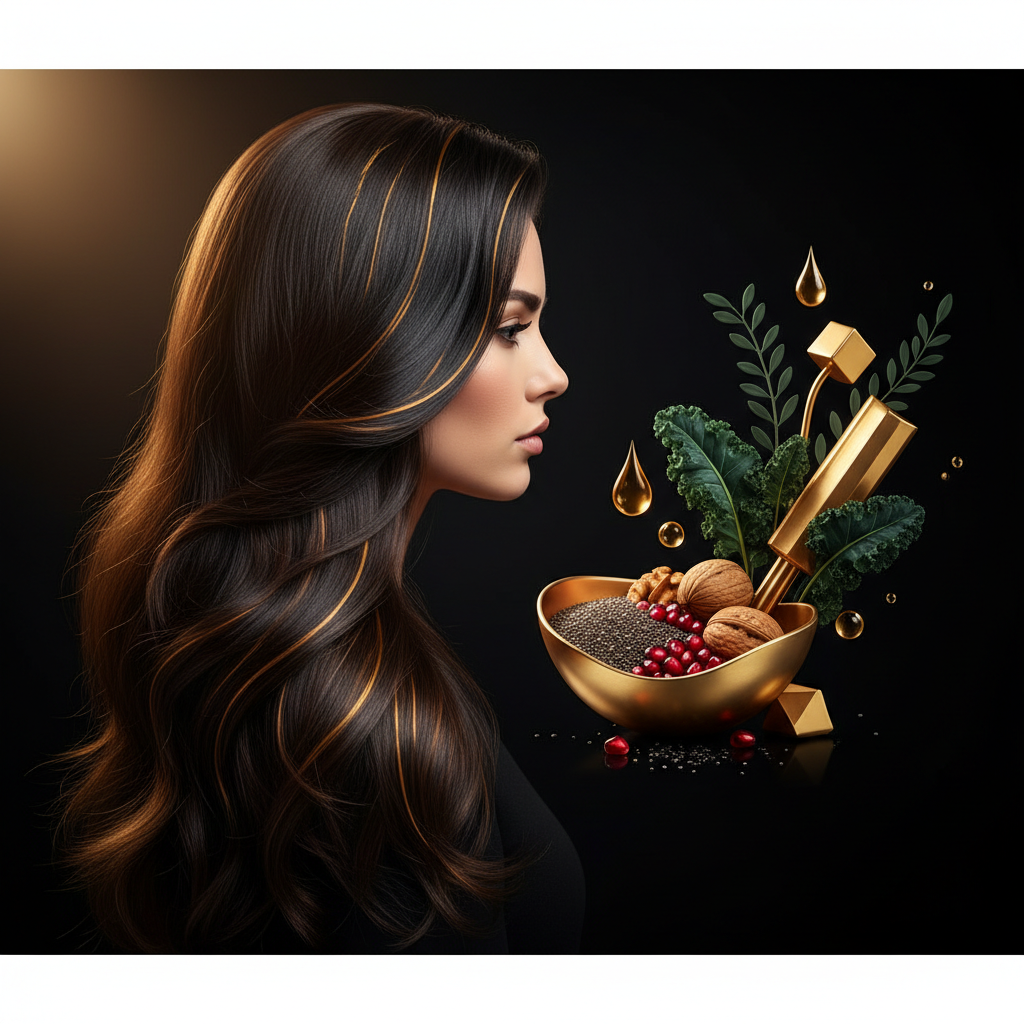
Hair, often seen as a reflection of overall health, relies significantly on proper nutrition. Hair follicles, the structures from which hair grows, are among the most metabolically active tissues in the body. This high metabolic rate means they require a continuous supply of energy and specific nutrients to support the rapid cell division and protein synthesis necessary for hair growth.
Essential Nutrients for Hair Growth
Several vitamins, minerals, and macronutrients play crucial roles in the hair growth cycle. Deficiencies in these nutrients can lead to various hair problems, including slow growth, brittleness, and hair loss.
Proteins
Hair is primarily composed of a protein called keratin. Therefore, adequate protein intake is essential for strong, healthy hair. Protein deficiency can lead to weaker hair strands, slower growth, and even hair loss. Complete proteins, found in animal products like meat, fish, eggs, and dairy, as well as plant-based sources like legumes, quinoa, and soy, provide all the essential amino acids needed for keratin production.
Iron
Iron is vital for red blood cell production, which carries oxygen to the hair follicles. An iron deficiency, known as anemia, can disrupt the hair growth cycle, leading to increased shedding and hair loss. Good sources of iron include red meat, poultry, fish, spinach, lentils, and fortified cereals. Combining iron-rich foods with vitamin C sources can enhance absorption.
Zinc
Zinc is involved in numerous bodily functions, including cell division, immune function, and protein synthesis, all critical for healthy hair. Zinc deficiency can contribute to hair loss and impaired hair growth. Foods rich in zinc include oysters, beef, pumpkin seeds, lentils, and chickpeas.
Biotin (Vitamin B7)
Biotin is a B vitamin often associated with hair health. It plays a role in the metabolism of fats, carbohydrates, and amino acids, which are building blocks for proteins. While severe biotin deficiency is rare, some research suggests that adequate biotin intake may support hair strength and reduce shedding. Sources include eggs, nuts, seeds, and sweet potatoes.
Vitamins A and C
- Vitamin A: Important for cell growth, including hair cells. It also helps the scalp produce sebum, a natural oil that moisturizes the scalp and hair. However, excessive intake of vitamin A can lead to hair loss, so balance is key. Sweet potatoes, carrots, spinach, and kale are good sources.
- Vitamin C: A powerful antioxidant that helps protect hair from damage by free radicals. It also plays a crucial role in collagen production, a protein that strengthens hair. Additionally, vitamin C aids in the absorption of iron. Citrus fruits, strawberries, bell peppers, and broccoli are excellent sources.
Vitamin D
Vitamin D is involved in the creation of new hair follicles. Low levels of vitamin D are sometimes linked to hair loss. Exposure to sunlight is a primary source, and it can also be found in fatty fish, fortified milk, and certain mushrooms.
Omega-3 Fatty Acids
These essential fatty acids contribute to scalp health and hair hydration. They are anti-inflammatory and can nourish hair follicles. Rich sources include fatty fish (salmon, mackerel), flaxseeds, chia seeds, and walnuts.
How Nutrient Deficiencies Affect Hair
When the body lacks essential nutrients, hair often becomes one of the first tissues to show signs of decline. This is because hair growth is not a vital function for survival, meaning the body prioritizes nutrient allocation to more critical organs.
| Nutrient | Potential Hair Issue from Deficiency |
|---|---|
| Protein | Weak, brittle hair; slow growth; hair loss |
| Iron | Hair loss (anemia); reduced growth |
| Zinc | Hair loss; impaired hair growth |
| Biotin | Brittle hair; hair thinning |
| Vitamin A | Dry hair; scalp issues; in excess, hair loss |
| Vitamin C | Brittle hair; poor iron absorption |
| Vitamin D | Hair loss |
| Omega-3 | Dry, dull hair; scalp inflammation |
Nutritional Strategies for Healthy Hair
A balanced diet rich in whole foods is the most effective way to ensure your hair receives the nutrients it needs. Consider the following:
- Diverse Diet: Include a wide variety of fruits, vegetables, lean proteins, whole grains, and healthy fats.
- Hydration: Drink plenty of water. Hydration is crucial for overall bodily functions, including maintaining healthy skin and scalp.
- Avoid Crash Diets: Rapid weight loss or restrictive diets can often lead to nutrient deficiencies and subsequent hair shedding due to sudden energy restriction.
- Supplementation (with caution): While a balanced diet is paramount, targeted supplementation may be beneficial if a specific nutrient deficiency is identified. Always consult with a healthcare professional before starting any supplement regimen to ensure it is appropriate for your individual needs and to avoid adverse effects from excessive intake. For example, excessive intake of certain fat-soluble vitamins (like Vitamin A) can be detrimental to hair health.
Watermans Hair products are formulated to complement a healthy lifestyle by providing topical nourishment to the hair and scalp, but they do not replace the fundamental requirement for internal nutrition. The benefits of external products are enhanced when supported by a diet that adequately fuels healthy hair growth from within.
Understanding the intricate connection between nutrition and hair health empowers individuals to make informed dietary choices that support vibrant, strong, and beautiful hair.
Find these ingredients in Watermans products
- Biotin, you will find this ingredient in our Hair Growth Shampoo.
- Zinc, you will find this ingredient in our Hair Vitamins.