Nutrition for Hair: Essential Vitamins, Minerals, and Macronutrients for Healthy Hair Growth
10 min read ·
Good Nutrition for Hair means providing your body with the right vitamins, minerals, and macronutrients to support healthy hair growth and minimise shedding or breakage.
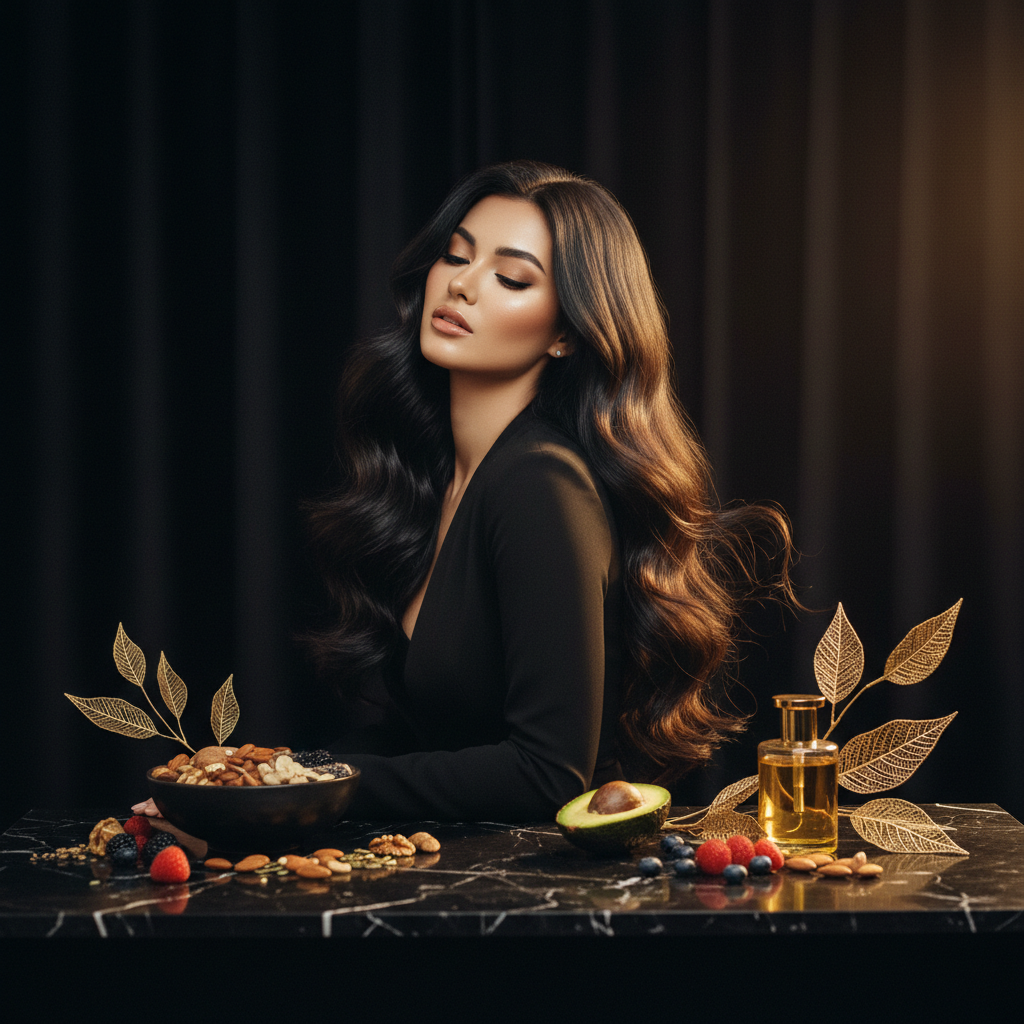
Quick answer: Good Nutrition for Hair involves consuming a balanced diet rich in specific vitamins, minerals, and macronutrients. These nutrients are vital for the various processes within the hair follicle, from cell division and keratin production to maintaining scalp health. While a healthy diet supports stronger, healthier-looking hair and can reduce shedding or breakage, it's crucial to remember that nutritional changes alone cannot treat genetic hair loss conditions like male or female pattern baldness, which have complex underlying causes.
Key takeaways
- Your hair, largely made of protein, needs a steady supply of specific nutrients for healthy growth and appearance.
- Macronutrients (proteins, carbohydrates, fats) provide the building blocks and energy, while micronutrients (vitamins, minerals) act as essential catalysts.
- Deficiencies in key nutrients like iron, zinc, or certain B vitamins can impact the hair growth cycle, potentially leading to increased shedding or slower growth.
- A balanced diet rich in whole foods is generally sufficient; supplements should only be considered if a specific deficiency is identified, ideally under professional guidance.
- Improvements in hair health from dietary changes can take several months to become noticeable due to the hair's growth cycle.
- It's important to distinguish between hair shedding (often linked to nutrition or stress) and genetic hair loss (alopecia), which nutrition cannot cure.
Nutrition for Hair: what the evidence shows
Nutrition for Hair plays a significant role in supporting the hair's structure, growth cycle, and overall appearance. Hair is one of the fastest-growing tissues in the body, and its metabolic activity demands a constant supply of energy and raw materials. When the body faces nutritional shortages, non-essential processes, like hair production, are often prioritised lower than vital organ functions. This can lead to visible changes in hair health, including altered texture, increased shedding, or slower growth.
Hair is primarily composed of keratin, a protein. For healthy hair to form, the body needs an adequate supply of amino acids, which are the building blocks of protein. Alongside this, a range of vitamins and minerals act as cofactors in the complex biochemical reactions that drive cell division in the hair follicle, pigment production, and the maintenance of a healthy scalp environment.
The relationship between diet and hair health is well-documented in scientific literature, particularly concerning deficiencies. For instance, deficiencies in iron, zinc, or biotin are commonly associated with increased hair shedding or changes in hair texture. However, it's important to note that while addressing these deficiencies can help restore hair health, consuming excessive amounts of these nutrients beyond what is needed can be ineffective or even harmful, such as high doses of Vitamin A, which can paradoxically cause hair shedding.
The mechanism: how nutrients support hair
To understand the impact of Nutrition for Hair, it helps to consider the hair growth cycle and the structural composition of the hair fibre. Hair grows from follicles embedded in the scalp, undergoing phases of growth (anagen), regression (catagen), and rest (telogen). Each phase requires energy and specific components.
- Protein synthesis: Hair is approximately 90% keratin protein. Amino acids, derived from dietary protein, are essential for forming this structural component. Without sufficient protein, new hair growth can be weak, brittle, or slow.
- Cell division and proliferation: The cells within the hair follicle divide rapidly during the anagen phase. This process demands a high energy supply, primarily from carbohydrates and fats, and relies on micronutrients like B vitamins and iron for optimal function.
- Scalp health and circulation: A healthy scalp provides the ideal environment for hair growth. Nutrients like Vitamin D and essential fatty acids contribute to scalp health, while adequate iron and Vitamin C ensure efficient blood flow, delivering oxygen and nutrients to the follicles. Good circulation is vital for sustaining the metabolic demands of the hair follicle, as discussed in Understanding Scalp Health.
- Antioxidant protection: Hair follicles are susceptible to oxidative stress, which can damage cells and impair growth. Antioxidant vitamins (C and E) and minerals (selenium, zinc) help protect against this damage.
Key nutrients for hair health
A diverse diet provides a spectrum of nutrients crucial for hair. Here are some of the most studied:
Macronutrients
Macronutrients provide the energy and primary building blocks for hair.
- Proteins: The most critical macronutrient for hair, providing the amino acids needed for keratin production. Complete proteins contain all nine essential amino acids. Sources: Lean meats, poultry, fish, eggs, dairy, legumes, nuts, seeds, quinoa.
- Complex Carbohydrates: These are the body's preferred energy source, providing the fuel for rapid cell division in hair follicles. Sources: Whole grains (oats, brown rice, wholemeal bread), fruits, vegetables, legumes.
- Healthy Fats: Essential fatty acids, particularly Omega-3s and Omega-6s, contribute to cell membrane health, including those in the scalp, and can reduce inflammation. They also help maintain the natural oils that moisturise the scalp and hair. Sources: Fatty fish (salmon, mackerel), flaxseeds, chia seeds, walnuts, avocados, olive oil.
Micronutrients
These vitamins and minerals act as cofactors in numerous biochemical processes vital for hair.
- Iron: Crucial for oxygen transport to cells, including hair follicles. Iron deficiency anaemia is a common cause of increased hair shedding. The NHS recommends a daily intake of 8.7 mg for men and 14.8 mg for women aged 19-50. Sources: Red meat, liver (in moderation), lentils, spinach, fortified cereals, dark chocolate. Vitamin C aids iron absorption.
- Zinc: Involved in hair tissue growth and repair, and essential for the proper functioning of oil glands around the follicles. Deficiency can lead to hair loss and impaired wound healing. Sources: Oysters, beef, pumpkin seeds, lentils, cashews.
- Biotin (Vitamin B7): A B vitamin often linked to hair health. While severe biotin deficiency can cause hair loss, research suggests that supplementation is mainly beneficial for individuals who are genuinely deficient. The European Food Safety Authority (EFSA) sets an adequate intake for adults at 40 micrograms (µg) per day. Sources: Egg yolks, nuts, seeds, sweet potatoes, bananas.
- Other B Vitamins (Folate, B12, Niacin, B6): Play roles in metabolism, red blood cell formation, and delivering oxygen and nutrients to hair follicles. Sources: Whole grains, meat, fish, eggs, dairy, leafy green vegetables.
- Vitamin C: A powerful antioxidant that protects hair follicles from oxidative stress and is essential for collagen production, a structural protein supporting hair strength. It also enhances iron absorption. Sources: Citrus fruits, bell peppers, strawberries, broccoli, kale.
- Vitamin D: Influences the immune system and plays a role in the creation of new hair follicles and the anagen phase of hair growth. Deficiency is associated with hair shedding. Many people in the UK have insufficient Vitamin D levels, especially during winter. Sources: Sunlight exposure, fatty fish, fortified foods, egg yolks. Oral supplementation is often recommended by health authorities during colder months.
- Vitamin A: Essential for cell growth, including hair cells, and for producing sebum, the natural oil that conditions the scalp and hair. Both deficiency and excess can negatively impact hair. Sources: Carrots, sweet potatoes, spinach, kale, liver (consume in moderation due to high Vitamin A content).
- Vitamin E: Another antioxidant that helps protect cells from damage. It can improve blood circulation to the scalp, which indirectly supports nutrient delivery to hair follicles. Sources: Nuts, seeds, spinach, avocados, olive oil.
- Selenium: A trace mineral with antioxidant properties that helps protect hair follicles from damage. Sources: Brazil nuts (in moderation, as they are very high in selenium), seafood, whole grains, eggs.
What the evidence does not show: common misconceptions
It's important to distinguish between evidence-based nutritional support for hair and common myths. While Nutrition for Hair is vital, it cannot perform miracles.
- Nutrition cannot cure genetic hair loss: Conditions like androgenetic alopecia (male or female pattern baldness) are primarily genetic and hormonal. While good nutrition can support the health of existing hair, it cannot alter genetic predispositions or reverse the miniaturisation of follicles caused by these conditions.
- More is not always better with supplements: Taking megadoses of vitamins and minerals without a confirmed deficiency is generally not beneficial and can sometimes be harmful. For example, excessive Vitamin A can actually trigger hair shedding, and very high doses of certain minerals can interfere with the absorption of others.
- Instant results: Hair grows slowly, approximately 1 centimetre (0.4 inches) per month. Visible improvements from dietary changes or supplementation will take at least 3 to 6 months to appear as new, healthier hair grows out.
When to look for professional advice
If you are experiencing significant or sudden hair shedding, a persistent change in hair texture, or concerns about your hair health, it's always best to consult a healthcare professional. They can help identify underlying causes, which might include:
- Nutritional deficiencies: Blood tests can confirm deficiencies in iron, zinc, Vitamin D, or B12.
- Hormonal imbalances: Conditions like thyroid disorders or polycystic ovary syndrome (PCOS) can affect hair.
- Stress: Chronic stress can trigger telogen effluvium, a type of temporary hair shedding, as discussed in Understanding Scalp Health.
- Medications: Certain medications can have side effects that impact hair.
- Underlying health conditions: Various systemic diseases can manifest with hair changes.
A doctor or dermatologist can provide an accurate diagnosis and recommend appropriate treatment, which may include dietary adjustments, supplementation, or other medical interventions.
Frequently asked questions about Nutrition for Hair
Can a vegetarian or vegan diet provide adequate Nutrition for Hair?
Yes, a well-planned vegetarian or vegan diet can absolutely provide all the necessary nutrients for healthy hair. It requires careful attention to ensuring adequate intake of protein (from legumes, nuts, seeds, whole grains), iron (fortified foods, dark leafy greens with Vitamin C), zinc (pumpkin seeds, lentils), and B12 (fortified foods or supplements, as it's primarily found in animal products). Regular blood tests can help monitor nutrient levels.
How long does it take for dietary changes to affect hair health?
Because hair grows slowly and undergoes a continuous cycle, it typically takes at least 3 to 6 months to see noticeable improvements from dietary changes. This timeframe allows new, healthier hair to grow from the follicle and become visible. Consistency is key, as is patience.
Are hair supplements necessary for good hair health?
Hair supplements are generally not necessary for individuals with a balanced diet and no underlying deficiencies. They are most effective when addressing a confirmed deficiency, such as iron deficiency anaemia or severe biotin deficiency. Always consult a healthcare professional before starting any supplements, as excessive intake of certain nutrients can be harmful.
Can dehydration impact hair health?
While not a nutrient in the traditional sense, adequate hydration is fundamental for overall health, including hair. Hair fibres contain about 10-13% water. Severe or chronic dehydration can contribute to dry, brittle hair, making it more prone to breakage. Ensuring you drink enough water daily supports healthy bodily functions, including nutrient transport to hair follicles.
What are the signs of poor Nutrition for Hair?
Signs of poor Nutrition for Hair can include increased hair shedding (telogen effluvium), slower hair growth, hair that appears dull or lacks lustre, brittle hair that breaks easily, and sometimes even changes in hair texture or premature greying. However, these symptoms can also be indicative of other health issues, so professional diagnosis is important.
Supporting your hair with Watermans products
While Nutrition for Hair provides the internal building blocks, external care can complement these efforts by protecting the hair fibre and maintaining scalp health. Watermans offers a range of products designed to support stronger-feeling, fuller-looking hair and a healthier scalp environment. For instance, Watermans Grow Me Shampoo and Conditioner are formulated with hydrolysed lupin protein, biotin, and niacinamide to help improve the appearance of hair thickness and strength. Watermans Grow More Elixir contains rosemary extract and caffeine, ingredients that may help stimulate the scalp for optimal hair conditions. Remember, external products work on the existing hair and scalp, while nutrition supports growth from within. Use these products as part of a holistic approach to hair care that includes a balanced diet.
Sources and references
- British Nutrition Foundation. Nutrition and Hair Health. (Ongoing publications).
- NHS. Vitamins and minerals, Iron. (Ongoing publications).
- European Food Safety Authority (EFSA). Scientific Opinion on Dietary Reference Values for Biotin. (2014).
- Gerkowicz, A., et al. The Role of Diet in Hair Loss - A Review. Skin Appendage Disorders, 5(2), 85-91. (2019).
- Almohanna, H. M., et al. The Role of Vitamins and Minerals in Hair Loss: A Review. Dermatology and Therapy, 9(1), 51-70. (2019).
- National Institute of Health (NIH). Office of Dietary Supplements, Fact Sheets. (Ongoing publications).
- American Academy of Dermatology Association (AAD). Hair loss: Causes. (Ongoing publications).
Find these ingredients in Watermans products
- Niacinamide: you will find this ingredient in our Hair Mask.