Moisture and Hydration: Essential for Healthy Hair
12 min read ·
Moisture and Hydration are two distinct but interconnected processes vital for maintaining the health, elasticity, and appearance of your hair, preventing issues like brittleness and frizz.
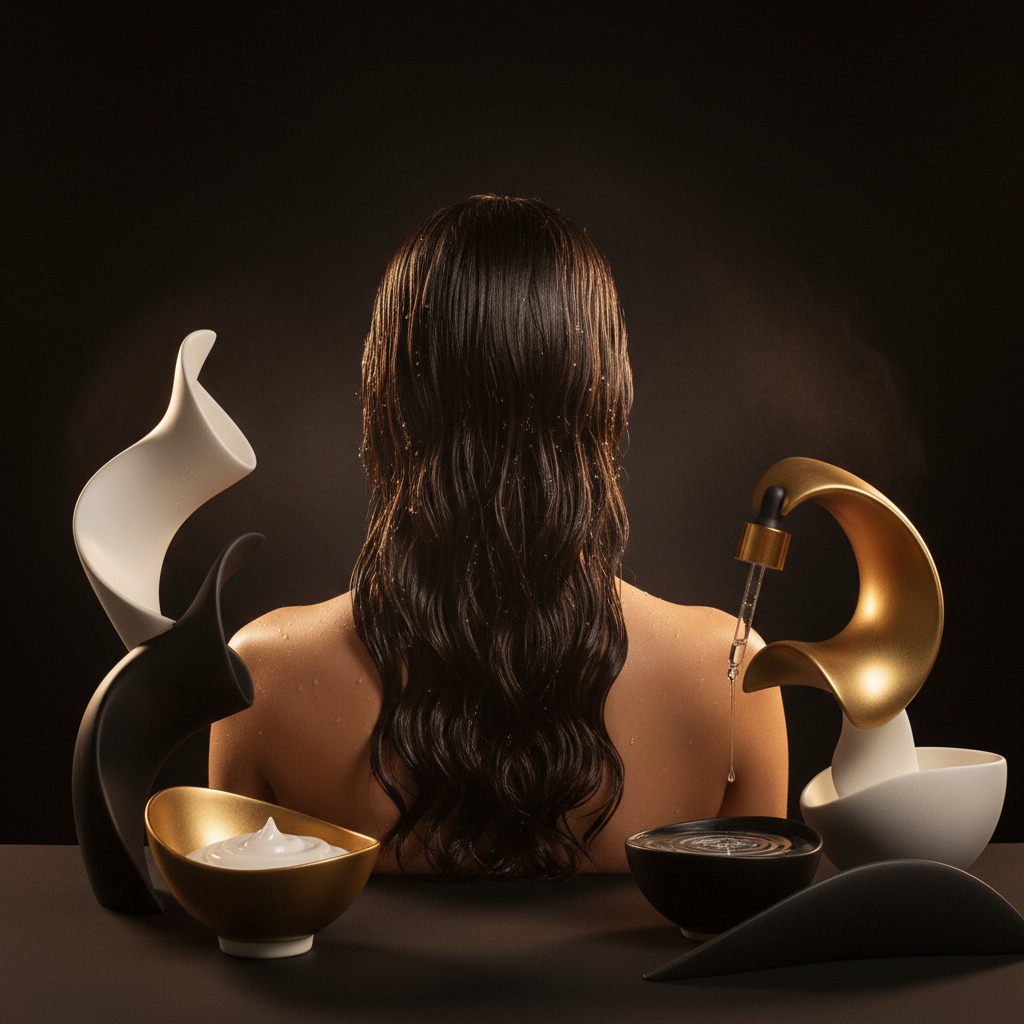
Quick answer: Moisture and Hydration are fundamental concepts in haircare, referring to the hair's ability to absorb water (hydration) and then retain it (moisture). Achieving optimal Moisture and Hydration helps maintain hair's elasticity, strength, and shine, reducing breakage and frizz. However, simply applying water is not enough; effective hair health requires understanding how to both get water into the hair shaft and seal it there.
Key takeaways
- Hydration is the hair's absorption of water, making it pliable and elastic.
- Moisture is the hair's ability to retain that water, often through a protective barrier of lipids.
- Well-hydrated and moisturised hair is more resilient, less prone to breakage, and has a healthier appearance.
- The hair's cuticle plays a crucial role in both absorbing and retaining water; damage to it can lead to dryness.
- Identifying whether hair lacks hydration or moisture guides the choice of effective haircare products and routines.
Moisture and Hydration: what the evidence shows
While often used interchangeably in everyday language, "moisture" and "hydration" describe two distinct but interconnected aspects of hair health. Understanding this difference is key to effectively caring for your hair. Put simply, hydration refers to the process of absorbing water into the hair shaft, making it pliable and elastic. Moisture, on the other hand, is about retaining that water and preventing its loss to the environment, keeping the hair soft and smooth.
The Science of Hydration: Water Absorption
Hair is naturally hygroscopic, meaning it has an affinity for water. The hair fibre, primarily composed of keratin protein, can absorb water from the atmosphere or from products applied to it. This absorption occurs primarily within the cortex, the central part of the hair shaft. When water molecules penetrate the cortex, they interact with the protein structures, leading to a plumping effect. This makes the hair more elastic, flexible, and less prone to snapping under tension. Think of it like a sponge that becomes soft and flexible when wet, but stiff and brittle when dry.
Key components that aid hydration often include humectants. These ingredients, such as glycerin, hyaluronic acid, and panthenol (Pro-Vitamin B5), work by attracting and binding water molecules from the air or cosmetic formulations to the hair fibre. Controlled research confirms that humectants can temporarily increase the water content of the hair shaft, improving its suppleness and manageability. (Source: British Association of Dermatologists, Journal of Cosmetic Science).
The Science of Moisture: Water Retention
Once the hair is hydrated, the challenge is to keep that water locked in. This is where "moisture" comes into play, referring to the retention of water within the hair shaft. Without effective moisture retention, even well-hydrated hair can quickly lose its water content through evaporation, leading to dryness and brittleness. This process is often mitigated by the presence of lipids (oils and fatty acids) which form a protective, occlusive barrier on the hair's surface.
These lipids, whether naturally produced sebum or those supplied by haircare products, help to smooth down the cuticle scales and create a hydrophobic (water-repelling) layer. This layer acts like a sealant, slowing down the rate of transepidermal water loss (TEWL) from the hair shaft. By preventing rapid evaporation, the hair remains hydrated for longer, maintaining its softness, shine, and elasticity. (Source: Society of Cosmetic Chemists, International Journal of Cosmetic Science).
The Role of the Hair Cuticle
The hair's outermost layer, the cuticle, is central to both hydration and moisture. Composed of overlapping, flat cells, like shingles on a roof, a healthy cuticle provides a protective barrier. When the cuticle is smooth and intact, it regulates how much water enters and exits the hair shaft. This allows for controlled hydration and helps to seal in internal moisture.
Damage to the cuticle, often caused by harsh chemical treatments (such as colouring or perming), excessive heat styling, or mechanical friction, can cause these scales to lift or become porous. A raised or compromised cuticle means the hair can absorb water rapidly, but also lose it just as quickly. This high porosity leads to hair that feels dry, rough, and appears frizzy because it cannot retain the absorbed water effectively. This is why products designed for Moisture and Hydration often aim to either repair the cuticle or provide a temporary smoothing effect to enhance water retention. (Source: Journal of the American Academy of Dermatology).
What a lack of Moisture and Hydration looks like
Recognising the signs of insufficient Moisture and Hydration is the first step towards addressing the issue. While both lead to hair that feels less than optimal, their manifestations can differ slightly, indicating whether the primary need is for more water absorption or better water retention.
Signs of Dehydrated Hair (lacking water absorption):
- Lack of elasticity: Hair feels stiff and snaps easily when stretched, rather than stretching and returning to its original length. You might notice more short, broken pieces of hair, especially after brushing.
- Rough texture: The hair feels coarse and dry to the touch, lacking smoothness and suppleness.
- Dull appearance: Dehydrated hair often looks lifeless and lacks natural shine, as the cuticle may be slightly raised, preventing light from reflecting evenly.
- Increased frizz and flyaways: Hair that struggles to absorb water will often try to pull moisture from the surrounding air, causing the cuticle to swell unevenly and leading to a frizzy appearance.
Signs of Dry Hair (lacking water retention):
- Brittle and easily breakable: While dehydrated hair snaps, dry hair, due to lack of surface protection, becomes brittle and fragile. This means it can break easily with minimal manipulation, leading to hair breakage.
- Persistent dullness: Even if the hair absorbs some water, if it can't retain it, it will quickly revert to a dull, lacklustre state.
- Tangles easily: The raised cuticle, a common feature of dry hair, creates friction between strands, leading to frequent tangling and knots.
- Lack of softness: Hair feels rough and perhaps straw-like, indicating a compromised outer layer that isn't effectively sealing in moisture.
It's common for hair to exhibit signs of both dehydration and dryness, as the two conditions often go hand-in-hand. Addressing both aspects is usually the most effective approach.
Factors affecting Moisture and Hydration
Several factors can influence your hair's ability to achieve and maintain optimal Moisture and Hydration:
- Environmental conditions: Low humidity can draw moisture out of the hair, while high humidity can cause frizz in hair that lacks proper moisture retention. Exposure to sun, wind, and dry indoor air (e.g., from heating or air conditioning) can also accelerate water loss.
- Hair porosity: This refers to your hair's ability to absorb and retain moisture. High porosity hair, often due to a damaged or naturally open cuticle, absorbs water quickly but loses it just as fast. Low porosity hair has tightly closed cuticles, making it difficult for water to penetrate, but once inside, it retains moisture well. Understanding Hair Porosity is crucial for tailoring your routine.
- Hair type and texture: Curly hair and afro hair textures often have naturally open cuticles or a unique helical structure that makes them more prone to dryness and requires specific approaches to How to Moisturise Afro Hair. Fine Hair may be easily weighed down by heavy products.
- Chemical treatments: Hair Coloring Techniques, Chemical Hair Treatments, and other processes can damage the cuticle, increasing porosity and making hair more susceptible to dehydration and dryness. Maintaining Colour-Treated Hair requires extra attention to moisture.
- Heat styling: Frequent Heat Styling without adequate protection can strip the hair of its natural moisture and damage the cuticle, leading to increased porosity and dryness. Always follow Heat Styling Safety Best Practices.
- Product choices: Using harsh shampoos with strong sulfates can strip natural oils, disrupting the hair's moisture barrier. Choosing the Right Shampoo for Your Hair Type and opting for Sulfate-Free Shampoo Benefits can help. Similarly, using The Science of Conditioners formulated with humectants for hydration and emollients for moisture is important.
- Hard Water: The mineral content in Hard Water and Hair Damage can build up on the hair, making it feel rough and preventing effective hydration and moisture retention.
What you can do to improve Moisture and Hydration
Improving your hair's Moisture and Hydration involves a combination of product selection, routine adjustments, and protective practices.
For Hydration (bringing water in):
- Regular conditioning: Use a good quality conditioner after every wash. Look for ingredients like glycerin, hyaluronic acid, panthenol, and aloe vera. These humectants attract water to the hair shaft.
- Leave-in treatments: Incorporate a leave-in conditioner or hydrating mist into your routine. These provide ongoing hydration throughout the day, especially beneficial for curly hair or afro-textured hair.
- Deep conditioning: Weekly or bi-weekly deep conditioning treatments are excellent for an intensive dose of hydration. These treatments typically contain higher concentrations of hydrating ingredients and penetrative oils. See Deep Conditioning Treatments for more information.
- Water-based products: Prioritise products where water is the first ingredient, and where hydrating agents are high on the ingredient list.
For Moisture (sealing water in):
- Emollients and occlusives: Look for conditioners and stylers containing emollients (e.g., fatty alcohols, natural oils like argan, jojoba, or coconut oil) and occlusives (e.g., shea butter, heavier silicones). These form a protective barrier on the hair surface, sealing in hydration. Natural Oils for Hair can be particularly effective.
- Styling products: Apply styling creams or oils to damp hair after hydrating treatments. This helps to lock in the water before it evaporates. This is especially important for Moisturizing Afro-Textured Hair.
- Protective styling: Styles that minimise exposure to environmental elements can help reduce moisture loss. Protective Styling can be very beneficial for maintaining moisture levels.
- Reduce heat exposure: Limit the use of heat styling tools, or always use a heat protectant to minimise damage to the cuticle, which helps preserve the hair's natural moisture barrier.
A note on the LOC or LCO method
For those with very dry or highly porous hair, especially afro or curly hair types, the "Liquid, Oil, Cream" (LOC) or "Liquid, Cream, Oil" (LCO) method can be effective. This layering technique involves applying a water-based product (liquid), followed by an oil, and then a cream (or vice-versa for LCO) to maximise Moisture and Hydration retention. The liquid hydrates, the oil helps seal, and the cream further locks everything in. See How to Stop Afro Hair from Feeling Dry for detailed guidance.
When the cause may be something else
While inadequate haircare often contributes to issues with Moisture and Hydration, sometimes the problem can stem from other factors:
- Dietary deficiencies: A diet lacking in essential fatty acids, vitamins, and minerals can affect the health of your hair, potentially impacting its ability to produce natural oils and maintain structural integrity. This can manifest as dry, brittle hair.
- Medical conditions: Certain medical conditions, including thyroid disorders, hormonal imbalances, and some autoimmune diseases, can affect hair texture and moisture levels. If your hair suddenly becomes unusually dry or brittle without a clear external cause, consult a healthcare professional.
- Medications: Some medications can have side effects that include changes to hair texture or dryness. Always consult your doctor or pharmacist if you suspect a medication is affecting your hair.
- Scalp health issues: An unhealthy scalp cannot adequately support healthy hair. Conditions like dandruff or an Oily Scalp can sometimes contribute to hair dryness or perceived lack of moisture by disrupting the natural oil balance. Scalp Exfoliation and Anti-inflammatory Ingredients can support a healthier scalp environment.
If you have persistent concerns about the condition of your hair that don't improve with adjusted haircare practices, or if you notice other accompanying symptoms, seeking advice from a general practitioner or a dermatologist is always recommended.
Frequently asked questions about Moisture and Hydration
What is the difference between dry hair and dehydrated hair?
Dehydrated hair specifically lacks water, making it stiff, brittle, and prone to frizz as it tries to absorb moisture from the air. Dry hair, on the other hand, lacks sufficient natural oils or emollients to seal in the water it has absorbed, leading to a dull, rough, and easily tangled texture. Both can result in breakage, but dehydrated hair primarily needs humectants, while dry hair needs emollients and occlusives for effective Moisture and Hydration.
Can drinking more water help my hair?
While drinking enough water is crucial for overall body health, including the health of your skin and scalp, its direct impact on the hydration level of the hair shaft itself is limited. Hair hydration primarily occurs externally through products and environmental humidity. However, good internal hydration supports healthy scalp function, which in turn creates a better environment for hair growth and natural oil production.
How often should I moisturise my hair?
How often you moisturise depends on your hair type, porosity, and environmental conditions. For most hair types, moisturising after every wash with a conditioner and using a leave-in product as needed is sufficient. Afro hair and very dry hair types may benefit from daily re-moisturising with water-based sprays and light oils or creams. Pay attention to how your hair feels and adjust your routine accordingly to maintain optimal Moisture and Hydration.
Do oils hydrate hair?
No, oils do not hydrate hair directly. Oils are lipids that function as emollients and occlusives, meaning they smooth the cuticle and create a barrier on the hair surface. This barrier helps to slow down water evaporation, effectively sealing in the hydration that has already been absorbed into the hair shaft. To properly hydrate hair, you need water-based products containing humectants, followed by oils or butters to lock that hydration in.
Why does my hair feel dry after washing?
If your hair feels dry after washing, it could be due to several reasons. Your shampoo might be too harsh, stripping away natural oils and leaving your hair devoid of moisture. It could also be that you're not following up with an effective conditioner, or that your hair is highly porous and quickly loses the water absorbed during washing. Consider a gentler shampoo, a more intensive conditioner, and a leave-in product to improve post-wash Moisture and Hydration.
Achieve optimal Moisture and Hydration with Watermans
Watermans Haircare products are formulated with ingredients chosen to support healthy-looking hair and contribute to improved condition, helping to maintain essential Moisture and Hydration. Our product range includes nourishing formulations designed to complement your hair's natural needs. For example, Watermans Condition Me is engineered with ingredients that help to smooth the hair cuticle, assisting in sealing in moisture. We also offer a Heat Protection Spray, which contains Panthenol (Pro-Vitamin B5), known for its ability to attract and hold water, supporting hydration before heat styling. By integrating Watermans products into a balanced haircare routine, you can support your hair's resilience, softness, and overall healthy appearance.
Sources and references
- British Association of Dermatologists, "Hair and Scalp Conditions".
- Journal of Cosmetic Science, various articles on hair hydration and moisturisation mechanisms.
- Society of Cosmetic Chemists, publications on hair fibre structure and cosmetic chemistry.
- International Journal of Cosmetic Science, "The Physics of Hair".
- Journal of the American Academy of Dermatology, "Hair Breakage: Diagnosis and Treatment".
- PubMed, National Institutes of Health, "Hair Cosmetics: An Overview".
- Goodman, J. (2009). Principles of Cosmetic Formulations. Taylor & Francis.
- Robbins, C. R. (2012). Chemical and Physical Behavior of Human Hair. Springer.
- NHS, "Hair Loss".
Find these ingredients in Watermans products
- Aloe Vera: you will find this ingredient in our Curly Hair Conditioner.