Managing Hair Breakage vs Shedding: A Complete Evidence-Based Guide
9 min read ·
Learn how to tell root shed from shaft snap. Expert guide to managing hair breakage vs shedding with clear tests, causes, and evidence-based routines.
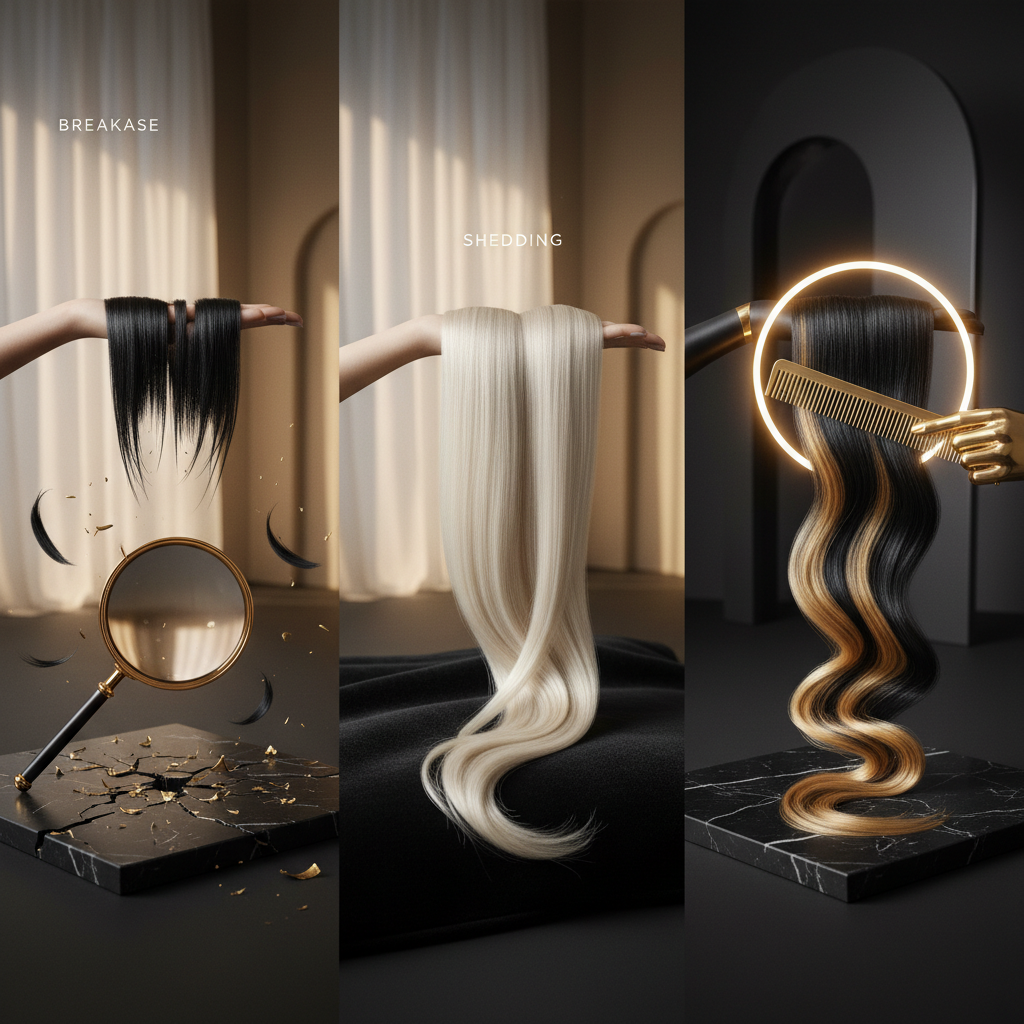
Quick answer: Successfully managing hair breakage vs shedding starts with identifying where the hair strand separates. Breakage occurs when physical, thermal, or chemical stress snaps the hair shaft anywhere along its length, leaving short, jagged fragments without a root. Shedding happens at the scalp follicle, releasing full-length hairs that feature a tiny white keratin bulb at the tip. Managing hair breakage vs shedding requires entirely different strategies: breakage demands fibre protection and moisture-protein balance, while excessive shedding requires addressing biological triggers, stress, nutrition, or medical factors.
Key takeaways
- Hair breakage is a cosmetic structural failure along the shaft, whereas shedding is an internal physiological event occurring inside the follicle.
- An average person naturally sheds 50 to 100 hairs daily as part of the normal telogen cycle; hairs shed normally feature a white keratinised bulb at one end.
- Broken hairs are shorter, lack a root bulb, show frayed ends under tension, and frequently appear on shoulders, bathroom counters, and clothing.
- Chemical processing, high heat styling, and mechanical friction cause breakage by stripping the cuticle and fracturing internal disulphide bonds.
- Telogen effluvium, nutritional deficiencies, hormonal shifts, and systemic stress trigger excessive shedding, pushing up to 30 percent of follicles prematurely into resting phases.
- Topical cosmetic treatments strengthen hair against breakage, but true systemic shedding must be managed by addressing internal triggers, scalp health, and dietary intake.
Managing Hair Breakage vs Shedding: what the evidence shows
Understanding and managing hair breakage vs shedding requires looking closely at hair anatomy and the physiological hair growth cycle. The hair shaft consists of three distinct layers: the outer protective cuticle of overlapping scales, the middle cortex containing keratin fibres and moisture, and the inner medulla.
When your hair breaks, the protective cuticle has weathered away or lifted, exposing the delicate cortical cells. Without structural integrity, simple mechanical forces like brushing or towel-drying cause the fibre to snap. Dermatological studies confirm that chemical treatments such as permanent bleaching, hair dyes, and alkaline relaxers can reduce the tensile strength of the hair shaft by up to 50 percent. This reduction makes the hair vulnerable to microscopic fractures that travel across the cortex.
In contrast, shedding is governed by the follicular growth cycle, which cycles through three phases: anagen (active growth, lasting 2 to 7 years), catagen (transitional regression, lasting 2 to 3 weeks), and telogen (resting and shedding, lasting 2 to 4 months). Research published in the British Journal of Dermatology demonstrates that roughly 85 to 90 percent of follicles remain in anagen under normal conditions, while 10 to 15 percent sit in telogen. Normal shedding represents the routine ejection of club hairs as new anagen fibres emerge beneath them.
When systemic stress, high fevers, childbirth, severe nutritional deficits, or thyroid imbalances occur, the body can shift up to 30 to 50 percent of anagen hairs directly into the telogen phase. This condition, known as telogen effluvium, causes diffuse shedding that typically manifests 2 to 3 months after the initial trigger.
| Feature | Hair Breakage | Hair Shedding |
|---|---|---|
| Point of origin | Along the hair shaft (mid-lengths or ends) | Follicle opening at the scalp surface |
| Appearance of strand | Shorter than your current hair length; uneven, jagged ends | Full length of your hair strand |
| Visible bulb | No white bulb present at the tip | Small, rounded white bulb (keratinised club) visible |
| Primary cause | Mechanical friction, heat tools, chemical services, weathering | Telogen cycle, stress, hormonal shifts, nutritional deficits |
| Texture feel | Dry, brittle, coarse, prone to tangles | Normal root texture, soft, intact cuticle |
| Effective solution | Gentle handling, deep conditioning, heat protection, trims | Nutrition, stress management, medical assessment, scalp care |
What the evidence does not show
There are persistent myths surrounding the topic of hair fall that lead people to choose inappropriate treatments. Evidence does not show that frequent hair washing increases biological shedding. Shampooing merely dislodges the hairs that have already detached from the follicular papilla days or weeks earlier. Withholding wash days simply causes those loose fibres to accumulate, creating the alarming illusion of sudden heavy shedding when you finally wash your hair.
Similarly, cosmetic shampoos, conditioners, and oils cannot cure genetic hair thinning (androgenetic alopecia) or reverse medical shedding conditions caused by autoimmune disorders. While nourishing topical formulas dramatically reduce breakage by smoothing the cuticle and decreasing comb friction, they do not change the internal hormonal environment of the follicle. Topical products protect the structural fibre, but systemic shedding requires internal resolution.
Recognising the signs: root vs shaft
To determine whether you are dealing with fibre breakage or follicular shedding, inspect the shed hairs under good lighting:
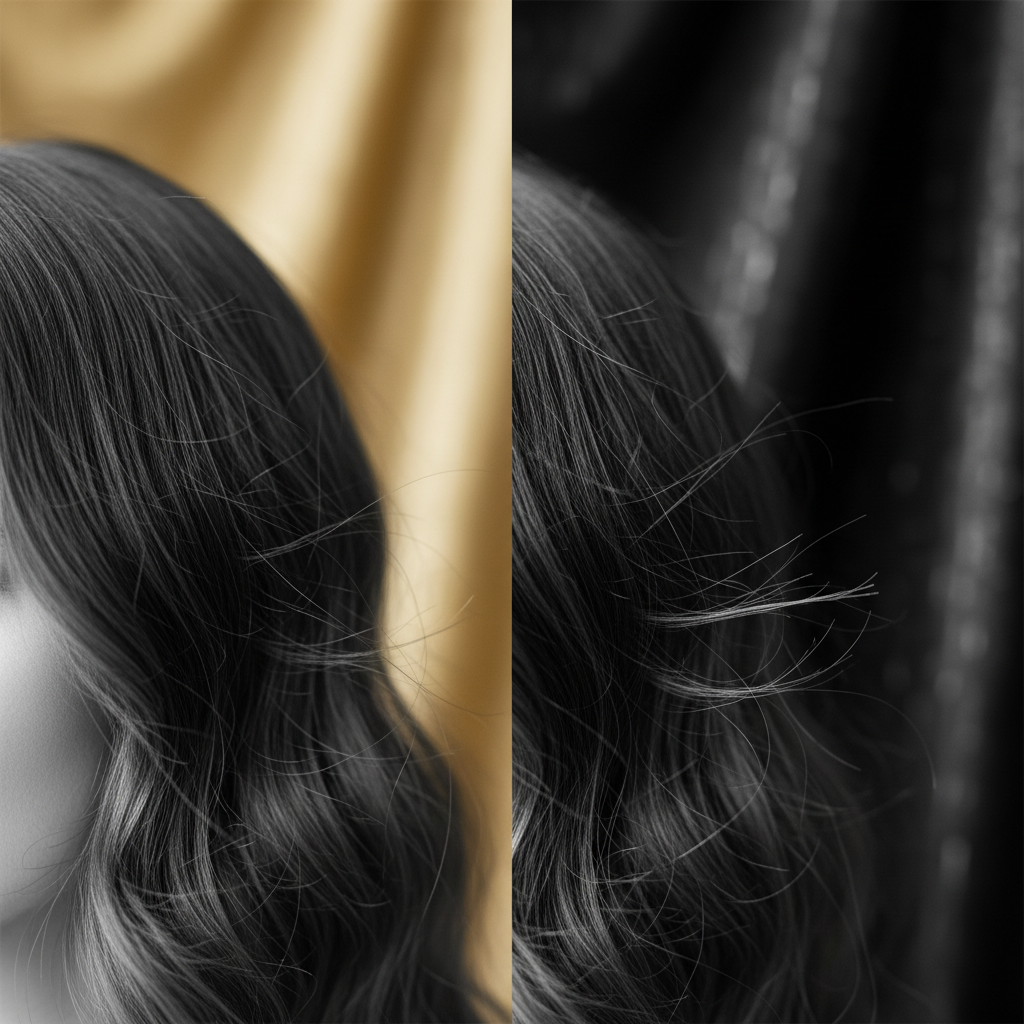
- Check for the bulb: Run your fingers along the ends of the fallen strand. If you see or feel a small, firm, translucent or white bead at one end, the hair shed from the follicle. If both ends taper, look blunt, or split without a bulb, the strand broke.
- Examine the length: Collect several fallen hairs. If they match the full length of your hair, you are observing natural shedding or telogen effluvium. If they are irregular, short, or fragmented, breakage is the active issue.
- Perform a gentle pull test: Grasp a section of 40 to 60 clean hairs near the scalp and pull gently outward along the length. If more than 5 to 6 full-length hairs slide out with bulbs attached, excessive shedding is likely present. If shorter fragments snap off in your hands during light combing, fibre brittleness is your primary problem.
Practical strategies for managing hair breakage
If your assessment reveals fibre breakage, your care routine must focus on minimising mechanical trauma and rebuilding the moisture-protein balance within the hair shaft:
- Reduce thermal stress: Heat above 180 degrees Celsius denatures keratin and evaporates bound moisture within the cortex. Keep heat styling tools below this threshold, never use irons on damp hair, and always apply a silicone- or polymer-based heat protectant.
- Support moisture and elasticity: Chemically treated or porous hair requires conditioning agents with fatty alcohols (such as cetyl or stearyl alcohol), ceramides, and hydrolysed plant proteins that temporarily patch micro-fissures in the cuticle layer.
- Minimise wet mechanical friction: Hair swells when wet, stretching up to 30 percent of its dry length before breaking. Wet fibres are extraordinarily delicate. Detangle starting at the ends and working upward using a wide-tooth comb or flexible detangling brush, and switch rough cotton towels for microfibre wraps.
- Space out chemical processes: Give hair at least 8 to 10 weeks between lightening, tinting, or relaxing treatments to prevent catastrophic structural degradation of disulphide bonds.
Practical strategies for managing excessive shedding
When shedding exceeds the normal threshold of 100 hairs daily, topical styling changes alone will not resolve the underlying issue:
- Evaluate your timeline: Recall events from 2 to 3 months ago. Severe illnesses, rapid weight loss, high psychological stress, or stopping certain medications frequently trigger delayed telogen effluvium.
- Review nutritional foundations: Hair matrix cells are among the fastest-dividing cells in the human body, requiring adequate ferritin (iron storage), vitamin D, zinc, vitamin B12, and complete dietary protein. Ferritin levels below 50 ug/L are frequently linked in clinical literature with diffuse telogen shedding.
- Improve scalp circulation and hygiene: A clean, balanced scalp environment free from heavy sebum build-up and Malassezia overgrowth ensures optimal conditions for emergent anagen hairs. Incorporating gentle scalp massages can help stimulate local blood flow around the follicular units.
Supporting the hair with Watermans
When addressing hair vitality, combining fibre resilience with targeted scalp care delivers the best outcomes. Watermans products are formulated to support this balance without harsh ingredients.
Watermans Grow Me Shampoo and Condition Me Conditioner work synergistically to help strengthen vulnerable hair strands while revitalising the scalp environment. The formulas incorporate caffeine, biotin, argan oil, rosemary extract, allantoin, and hydrolysed lupin protein. For those dealing with fibre breakage, the conditioning complex coats and protects the fragile cuticle, reducing surface friction during combing and leaving hair feeling thicker and more resilient. At the scalp level, leave-in treatments like Watermans Grow More Elixir deliver essential botanicals directly to the surface, creating an optimal cosmetic foundation to keep existing hair looking full and healthy.
When to seek medical advice
Consult a GP, dermatologist, or qualified trichologist if you notice any of the following signs:
- Sudden, patchy, coin-sized circular bald spots, which may indicate alopecia areata.
- Persistent heavy shedding that continues for longer than 6 months without slowing down.
- Scalp symptoms including intense burning, tenderness, scaling, crusting, or redness.
- Noticeable widening of the central parting or visible receding along the temples, which points toward pattern hair loss (androgenetic alopecia).
- Accompanying systemic symptoms, such as sudden weight fluctuations, fatigue, heat or cold intolerance, or irregular menstrual cycles.
Frequently asked questions about Managing Hair Breakage vs Shedding
How can I quickly tell if a fallen hair is broken or shed?
Look at both tips of the hair strand against a dark background or under bright light. A shed hair has a visible, tiny white or clear bulb at the root end and matches your full hair length. A broken hair is shorter than your overall length, has blunt or frayed ends, and does not have a bulb.
Can hair breakage lead to permanent hair loss?
No, hair breakage cannot cause true permanent hair loss because the hair follicle beneath the scalp remains completely healthy and intact. Breakage only affects the exposed, non-living protein fibre. However, severe breakage near the scalp can give the visual appearance of thinning or uneven bald patches until the hair regrows.
Does brushing my hair wet cause more shedding or more breakage?
Brushing wet hair causes severe breakage rather than shedding. Water breaks the temporary hydrogen bonds inside the hair shaft, making the fibre twice as elastic and significantly weaker. Brushing stretches wet hair past its natural recovery limit, snapping the cortex. Shedding is only affected mechanically if aggressive pulling dislodges hairs already loose in the follicle.
What is the most effective approach to managing hair breakage vs shedding together?
The best approach involves treating the shaft with external protection and treating the follicle with internal care. Prevent breakage by reducing heat styling, applying conditioning proteins, and using wide-tooth combs on damp hair. Manage shedding simultaneously by addressing nutritional deficiencies, lowering stress levels, keeping the scalp clean, and consulting a doctor if diffuse hair loss persists past three months.
How many hairs is it normal to shed per day?
Losing between 50 and 100 hairs every day is completely normal for most adults. People with very long, thick, or textured hair may feel they lose far more, especially if they only wash or comb their hair once or twice a week, as detached hairs remain trapped until manually freed.
Balanced steps for lasting hair health
Effectively managing hair breakage vs shedding relies on accurately diagnosing whether your challenge stems from physical cuticle damage or an internal follicular cycle shift. Breakage responds directly to mindful styling, routine trims, moisture replenishment, and protein conditioning. Follicular shedding demands patience, scalp nourishment, adequate dietary nutrients, and medical evaluation when triggered by systemic stress. By giving the hair fibre the structural protection it requires and giving the scalp the biological care it needs, you can safeguard your hair density, restore strand elasticity, and support steady, healthy growth over time.
Sources and references
- British Association of Dermatologists. Telogen Effluvium: An Information Leaflet. 2021.
- American Academy of Dermatology Association. Do You Have Hair Loss or Hair Shedding? 2022.
- Robbins, C. R. Chemical and Physical Behavior of Human Hair. 5th Edition, Springer-Verlag, 2012.
- Malkud, S. Telogen Effluvium: A Review. Journal of Clinical and Diagnostic Research, 2015. DOI: 10.7860/JCDR/2015/15219.6492.
- Rushton, D. H. Nutritional Factors and Hair Loss. Clinical and Experimental Dermatology, 2002. DOI: 10.1046/j.1365-2230.2002.01076.x.
Find these ingredients in Watermans products
- Zinc: you will find this ingredient in our Hair Vitamins.