Managing Dandruff and Malassezia: An Evidence-Based Guide
8 min read ·
Managing Dandruff and Malassezia requires a targeted strategy targeting fungal overgrowth, sebum regulation, and epidermal barrier support. Learn the facts.
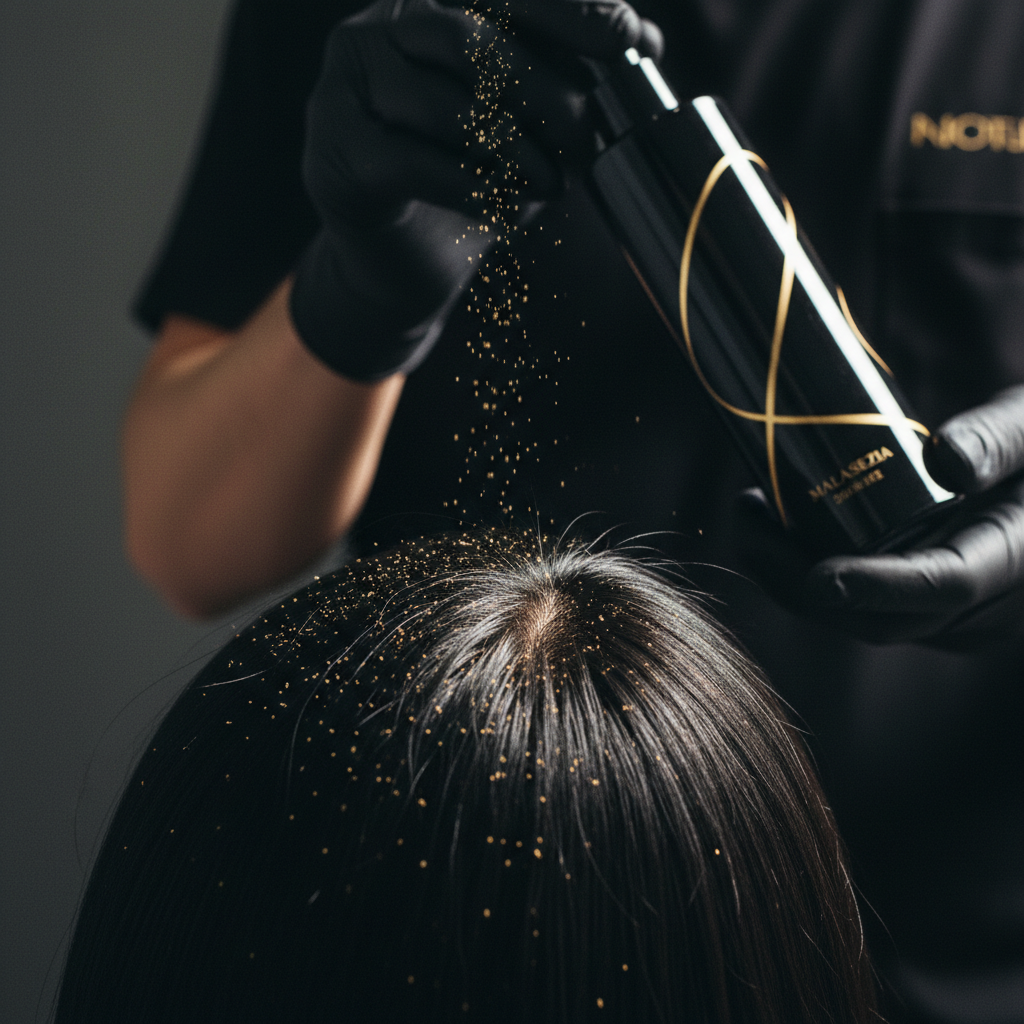
Quick answer: Successfully managing dandruff and Malassezia requires reducing fungal overgrowth, clearing sebum build-up, and restoring the epidermal barrier. Dandruff occurs when commensal Malassezia yeasts feed on scalp lipids, releasing irritating oleic acid that triggers rapid skin cell shedding. The main limitation is that Malassezia is a permanent resident of human skin, meaning managing dandruff and Malassezia is an ongoing control strategy rather than a one-time cure. Targeted antifungal cleansers, keratolytic agents, and regular scalp hygiene yield the best long-term control.
Key takeaways
- Malassezia restricta and Malassezia globosa are lipophilic yeasts naturally present on the human scalp, not external infections.
- Dandruff is primarily triggered when Malassezia metabolises sebum triglycerides into free fatty acids, specifically oleic acid, which penetrates a susceptible skin barrier.
- Flaking reflects accelerated epidermal turnover, dropping from the normal 28-day cycle to roughly 10 to 15 days.
- Effective management hinges on antifungal actives (like zinc pyrithione, piroctone olamine, or ketoconazole) alongside keratolytic ingredients (like salicylic acid).
- True dandruff involves oily, yellowish or grey flakes, whereas dry scalp produces small, white, powdery flakes without fungal inflammation.
Managing Dandruff and Malassezia: what the evidence shows
Managing dandruff and Malassezia is well understood in dermatological science as a process of microbiological population control rather than complete eradication. Research published in the British Journal of Dermatology confirms that the human scalp microbiome naturally harbours high concentrations of Malassezia species, particularly M. Globosa and M. Restricta. Because these yeasts lack the genes required to synthesise their own fatty acids, they rely entirely on external lipids provided by human sebum.
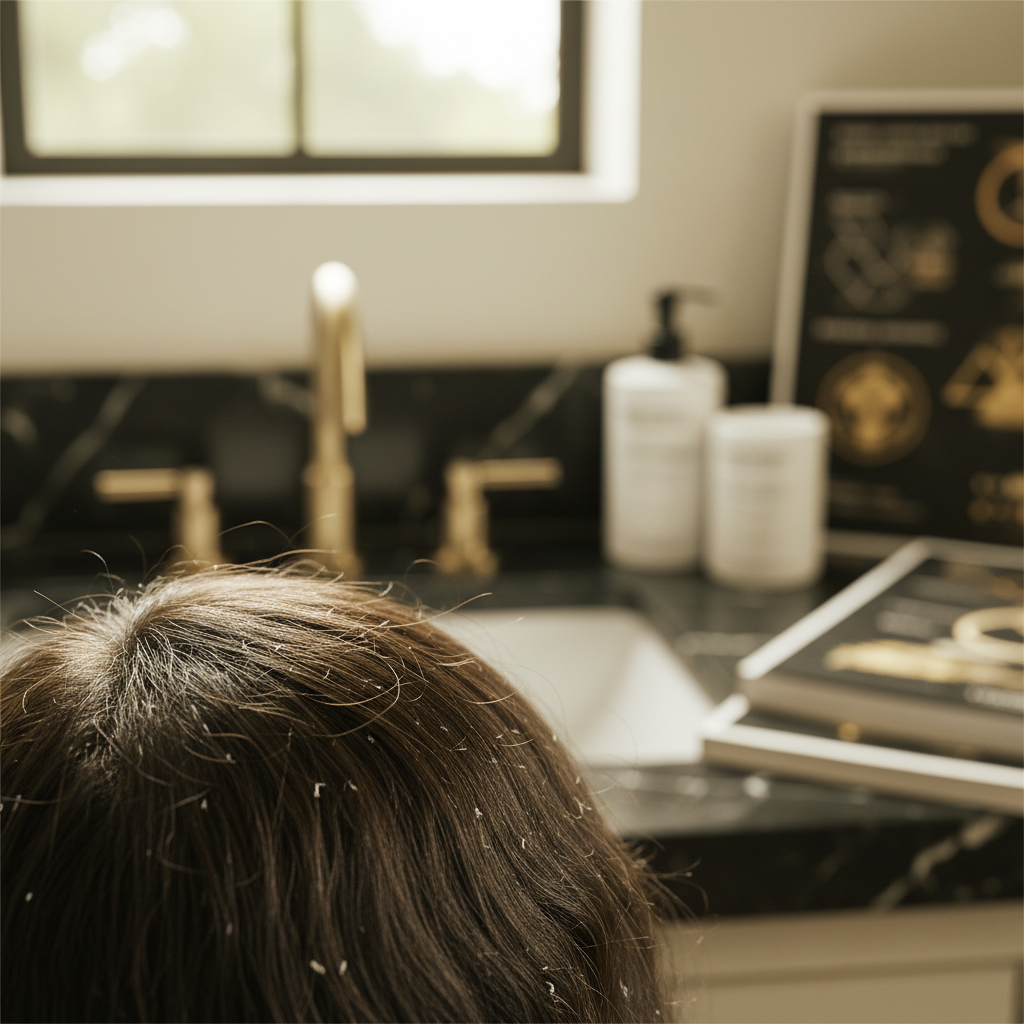
Clinical trials show that therapeutic success relies on active ingredients that either suppress fungal reproduction or remove the accumulated stratum corneum scales. Piroctone olamine, ketoconazole, and zinc pyrithione demonstrate robust clinical efficacy in reducing fungal counts and resolving erythema and pruritus. Modern trials demonstrate that leaving an active antifungal shampoo on the scalp for 3 to 5 minutes before rinsing significantly improves ingredient absorption into the hair follicles, where Malassezia populations congregate.
What the biological mechanism reveals
The mechanism driving dandruff relies on a three-part interaction: host sebum production, microbial lipase activity, and individual epidermal sensitivity.
Human sebaceous glands secrete sebum, an oily substance composed of triglycerides, squalene, and wax esters. Malassezia yeasts secrete extracellular lipase enzymes to break down these triglycerides for nutrition. During this process, the yeast consumes saturated fatty acids, leaving behind unsaturated free fatty acids, most notably oleic acid.
In susceptible individuals, oleic acid breaches the outer stratum corneum. This breach triggers an inflammatory cascade, disrupting normal corneocyte desquamation. Under normal conditions, epidermal skin cells mature and shed invisibly over a 28-day cycle. In response to oleic acid irritation, this cycle accelerates to 10 to 15 days. Cells reach the surface incompletely keratinised, clumping together with lipids to form visible, greasy flakes.
What the evidence does not show
Clinical research has repeatedly debunked several persistent myths regarding scalp flaking and fungus.
- Poor hygiene does not cause dandruff: Dandruff is not the result of dirt or infrequent washing, though regular cleansing helps remove the excess sebum that fuels fungal activity.
- Dandruff does not cause direct follicle death: Flaking does not destroy dermal papilla cells. While chronic, aggressive scratching can cause mechanical traction or trauma that increases temporary hair shedding (telogen effluvium), it does not cause permanent genetic alopecia.
- Dandruff is not contagious: You cannot catch Malassezia from sharing hairbrushes, pillows, or towels, as every adult already carries these yeasts as part of their native microbiome.
- Natural plant oils do not starve the yeast: Applying pantry oils such as olive oil or coconut oil to a flaking scalp often exacerbates the issue, as Malassezia can consume specific fatty acid fractions within plant lipids.
Key signs: distinguishing true dandruff from other scalp conditions
Identifying whether flakes stem from fungal activity or other dermatological causes is essential for choosing the right treatment.
| Characteristic | True Dandruff (Pityriasis Capitis) | Dry Scalp | Scalp Psoriasis |
|---|---|---|---|
| Primary Driver | Malassezia overgrowth and sebum breakdown | Transepidermal water loss, lack of moisture | Autoimmune rapid epidermal hyperproliferation |
| Flake Texture | Oily, greasy, clumping, yellowish or grey | Small, dry, fine, white, powdery | Thick, silver, well-demarcated plaques |
| Scalp Sensation | Mild to intense itching, localised warmth | Tightness, general irritation, mild itching | Soreness, burning, persistent itch |
| Sebum Levels | Normal to elevated sebum | Deficient natural lipid production | Variable, independent of sebum |
| First-Line Care | Antifungals (piroctone olamine, ketoconazole) | Gentle surfactants, humectants, hydration | Coal tar, salicylic acid, prescription corticosteroids |
Effective strategies for managing dandruff and Malassezia
Achieving a balanced, comfortable scalp involves consistent, practical habits that target both the microbial load and the physical environment of the scalp skin.
1. Choose targeted antimicrobial actives
Effective over-the-counter and cosmetic cleansers rely on proven ingredients:
- Piroctone Olamine: A modern antifungal and antioxidant agent that reduces yeast counts while maintaining hair fibre softness.
- Zinc Pyrithione: A classic antimicrobial compound that inhibits fungal cellular transport mechanisms.
- Salicylic Acid: A beta-hydroxy acid acting as a keratolytic agent, softening and lifting adherent flakes so they wash away cleanly.
- Ketoconazole (1% to 2%): An imidazole antifungal reserved for persistent flaking or clinical seborrhoeic dermatitis.
2. Adjust washing frequency and contact time
Because Malassezia thrives on sebum, washing every 1 to 2 days is often necessary during active flare-ups. Apply your targeted cleanser directly to the roots, massage gently with the pads of your fingers (never your nails), and leave the lather in contact with the scalp for 3 to 5 minutes before rinsing thoroughly. This ensures the active ingredients penetrate the follicular infundibulum.
3. Avoid feeding the yeast with heavy lipids
Avoid applying heavy carrier oils, pomades, or leave-in butter formulations directly to the scalp. If your hair lengths are dry, apply conditioners and masks strictly from mid-lengths to ends, keeping the scalp skin free from occlusive films that trap moisture and sebum.
4. Support the scalp barrier
Frequent use of harsh, stripping surfactants can degrade the skin barrier, creating micro-fissures that make the scalp even more vulnerable to oleic acid irritation. Alternate your targeted treatment wash with a soothing, pH-balanced (pH 4.5 to 5.5) gentle cleanser containing humectants like glycerin or panthenol.
Incorporating balanced scalp care with Watermans
When managing long-term scalp comfort, alternating harsh clinical washes with nourishing, supportive formulations can prevent excessive fibre dryness. Watermans focuses on providing formulas that support a balanced, healthy-feeling scalp environment without weighing down fine or fragile hair. Incorporating a nutrient-rich, balanced shampoo alongside targeted treatments can help cleanse away daily sebum build-up while keeping the hair looking thick, clean, and revitalised.
When the cause may be something else
If your scalp fails to improve after 3 to 4 weeks of consistent management, the underlying issue may not be uncomplicated dandruff.
- Seborrhoeic Dermatitis: An advanced inflammatory form of dandruff causing deep redness, burning, and thick, greasy crusting that often extends to the eyebrows, nasolabial folds, and behind the ears.
- Contact Dermatitis: An allergic reaction or sensitivity to hair dyes, fragrances, or preservatives, presenting with sudden itching and micro-vesicles rather than classic oily flakes.
- Tinea Capitis: A true dermatophyte fungal infection (ringworm) common in children, which causes circular scaly patches, brittle hair, and localized patches of broken hair shafts.
When to seek professional advice
Consult a GP, dermatologist, or registered trichologist if you experience:
- Severe redness, bleeding, or weeping fluid from the scalp.
- Symptoms spreading beyond the hairline to the face, neck, or body.
- Failure of over-the-counter antifungal shampoos after 4 weeks of consistent use.
- Sudden, patchy hair shedding accompanied by follicular inflammation.
Frequently asked questions about Managing Dandruff and Malassezia
What is the primary cause of dandruff?
Dandruff is caused by an interaction between sebum, individual sensitivity, and Malassezia yeast. The yeast metabolises natural scalp oils into oleic acid. If your skin barrier is sensitive to this acid, it triggers inflammation and accelerates skin cell shedding, leading to visible flakes.
Can managing dandruff and Malassezia prevent hair loss?
Managing dandruff and Malassezia does not prevent genetic or hormonal hair loss, but it helps protect against temporary hair shedding. Severe scalp inflammation and intense, prolonged scratching can mechanically damage follicles and cause telogen effluvium. Calming the scalp environment ensures normal, unhindered hair growth.
How often should I wash my hair if I have dandruff?
During an active flare, wash your hair every 1 to 2 days using a targeted cleanser. Frequent washing removes excess sebum, breaks down accumulating scales, and prevents Malassezia from multiplying unchecked. Once controlled, you can reduce frequency to 2 or 3 times a week.
Does hot water worsen Malassezia growth?
Hot water does not directly accelerate yeast growth, but it strips the scalp of essential moisture and exacerbates skin barrier impairment. This heightened barrier disruption makes the skin significantly more reactive to oleic acid. Wash and rinse your scalp with lukewarm water instead.
Can natural oils help get rid of dandruff?
Most natural oils worsen dandruff. Malassezia species feed on medium- and long-chain fatty acids commonly found in plant oils such as olive, argan, and sweet almond oil. Applying oils directly to an inflamed, flaking scalp provides extra fuel for the yeast to proliferate.
A balanced approach to scalp health
Successfully managing dandruff and Malassezia requires consistency, biological understanding, and gentle handling. By combining targeted active cleansers with proper washing techniques and keeping heavy oils off the scalp, you can disrupt the inflammatory cycle and maintain clear, comfortable skin. Remember that Malassezia is a normal resident of your microbiome; your goal is not total eradication, but maintaining a calm, balanced environment where your hair and scalp can thrive.
Sources and references
- British Journal of Dermatology, "Dandruff and seborrhoeic dermatitis: an updated review", 2012.
- Journal of Investigative Dermatology, "The etiology of dandruff and the role of Malassezia species", 2007.
- National Institute for Health and Care Excellence (NICE), "Seborrhoeic dermatitis: Clinical knowledge summary", 2021.
- American Academy of Dermatology, "How to treat dandruff", 2022.
Find these ingredients in Watermans products
- Zinc: you will find this ingredient in our Hair Vitamins.
- Oleic Acid: you will find this ingredient in our Camellia & Black Castor Hair & Body Oil.
- Panthenol (Provitamin B5): you will find this ingredient in our Heat Protection Spray.