Effective Scalp Exfoliation: The Clinical Guide to Clear Follicles
9 min read ·
Discover how Effective Scalp Exfoliation clears follicular buildup, balances sebum, and revitalises hair health using clinically proven chemical and physical methods.
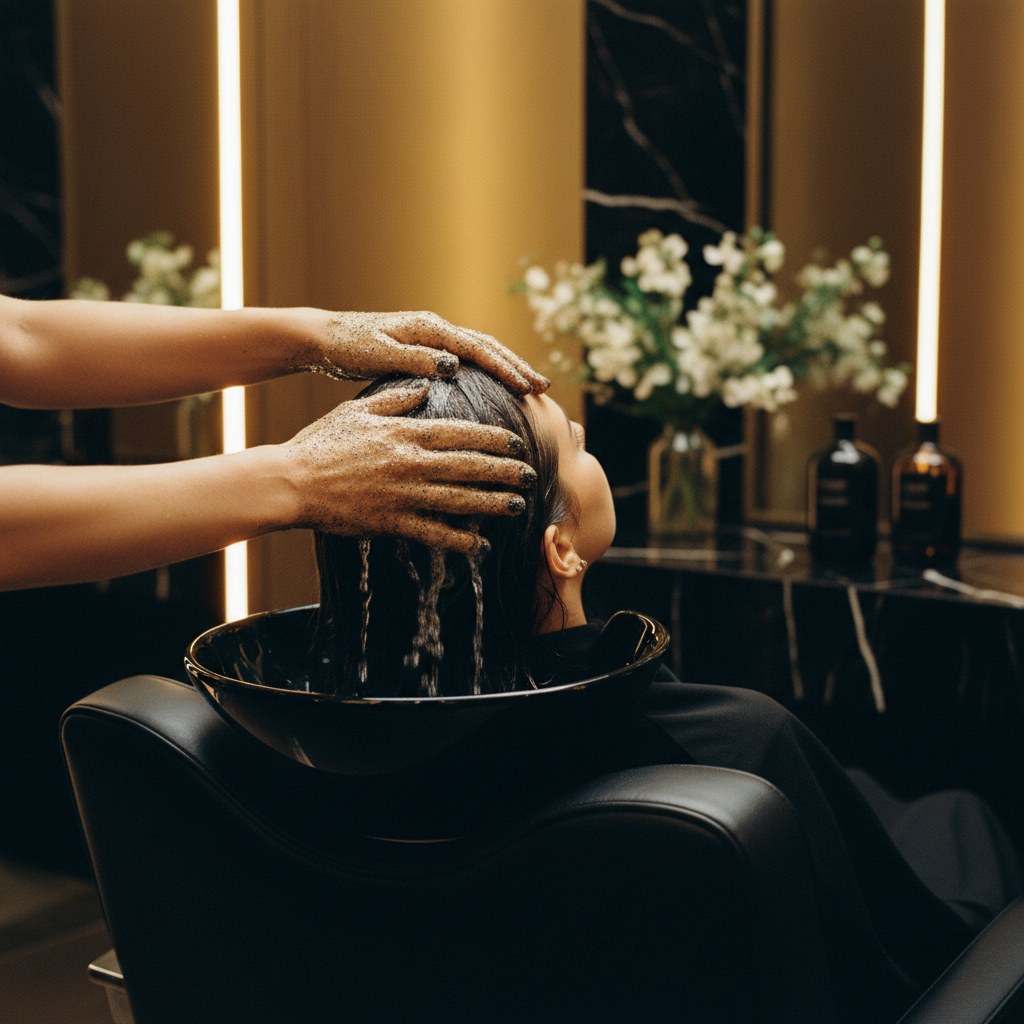
Quick answer: Effective Scalp Exfoliation involves using chemical keratolytic agents or gentle physical scrubs to lift dead skin cells, excess sebum, and product residue from the epidermal surface. Done correctly once or twice a week, it unclogs the follicular infundibulum and maintains an optimal microenvironment for hair growth. However, the main limitation is that over-exfoliation can disrupt the scalp barrier, cause micro-tears, and trigger compensatory sebum overproduction, meaning gentleness and restraint are essential for genuine scalp health.
Key takeaways
- Effective Scalp Exfoliation removes corneocyte buildup, oxidized sebum, and stubborn cosmetic residue to balance the follicular environment.
- Chemical exfoliants like salicylic acid (BHA) and glycolic acid (AHA) dissolve cellular bonds, whereas physical scrubs rely on mechanical friction.
- Most healthy scalps only require exfoliation once weekly or fortnightly; daily exfoliation risks damaging the skin barrier.
- Scalp exfoliation does not cure genetic or autoimmune hair loss such as androgenetic alopecia or alopecia areata, though it optimizes cosmetic hair vitality.
- Persistent flaking accompanied by erythema or intense itching often signals seborrhoeic dermatitis, psoriasis, or infection, requiring dermatological assessment rather than aggressive scrubbing.
Effective Scalp Exfoliation: what the evidence shows
Effective Scalp Exfoliation works by accelerating the desquamation process across the scalp's stratum corneum. In healthy skin, keratinocytes turn over roughly every 28 days. When this process becomes dysregulated due to sebum accumulation, microbial imbalance, or styling residue, dead cells clump together instead of shedding invisibly.
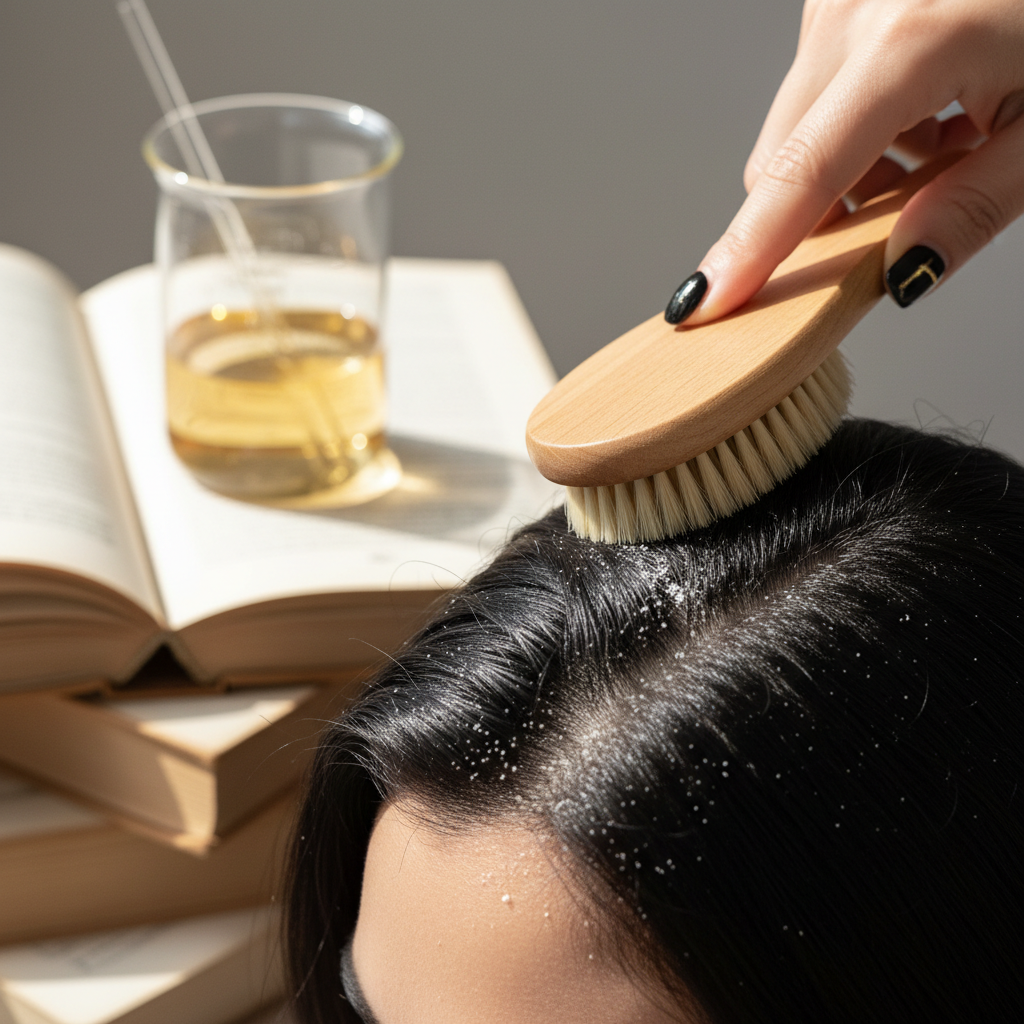
Peer-reviewed dermatological research indicates that maintaining a clean, balanced follicular environment supports natural hair emergence. When the opening of the hair follicle (the infundibulum) becomes congested with a mixture of squalene, triglycerides, and desquamated corneocytes, it can foster an overgrowth of lipophilic yeasts, predominantly Malassezia species. This overgrowth triggers oxidative stress and mild inflammation around the follicle. By implementing an effective exfoliating routine, you reduce this lipid crust, lower microbial food supplies, and relieve the superficial burden on the skin barrier.
Clinical studies in cosmetic dermatology consistently show that chemical exfoliation outperforms coarse mechanical friction for uniform desquamation. Beta-hydroxy acids penetrate lipid-rich pores easily, while alpha-hydroxy acids work on surface moisture retention and cellular turnover. When formulated at an appropriate acidic pH (ideally between 3.5 and 5.0), these agents gently detach cellular debris without scratching the surrounding tissue.
The mechanisms of chemical versus physical exfoliation
Understanding how exfoliants interact with your scalp tissue ensures you select the right method without causing trauma to the stratum corneum.
Chemical keratolytic agents
Chemical exfoliants rely on low-pH active ingredients to loosen the intercellular cement (corneodesmosomes) holding dead skin cells together.
- Salicylic acid (BHA): As a lipid-soluble ingredient, salicylic acid dissolves sebum inside the follicular canal. Concentrations between 0.5% and 2.0% are standard in scalp formulations. It exhibits mild anti-inflammatory properties and helps control superficial scaling.
- Glycolic and lactic acids (AHAs): These water-soluble acids hydrate while they loosen surface flaking. Glycolic acid possesses the smallest molecular size, penetrating rapidly, while lactic acid provides larger molecular weight action alongside humectant benefits.
- Polyhydroxy acids (PHAs) and enzymes: Gluconolactone, lactobionic acid, and fruit enzymes (like papain or bromelain) offer very mild exfoliation suited to hyper-reactive, sensitive scalps.
Physical mechanical exfoliants
Mechanical methods use abrasive particles to physically abrade and dislodge surface flakes.
- Soluble granules: Finely ground sea salt or sucrose (sugar) dissolve during washing, minimizing the risk of prolonged mechanical abrasion.
- Insoluble particles: Ground seeds, nut shells, or synthetic beads do not dissolve. Crushed shells frequently contain jagged microscopic edges that cause micro-fissures in the scalp skin, potentially aggravating inflammation.
- Scalp brushes: Soft silicone bristles provide light mechanical stimulation without scratching, but excessive pressure will stretch and snap fragile wet hair fibres.
| Exfoliant Type | Mechanism | Best Suited For | Risk Profile |
|---|---|---|---|
| Salicylic Acid (BHA) | Lipid-soluble bond dissolution | Oily scalps, product buildup, mild flaking | Low to moderate if overused |
| Glycolic / Lactic Acid (AHA) | Water-soluble surface desquamation | Normal to dry scalps with dull buildup | Mild stinging on broken skin |
| Enzyme Peels | Proteolytic breakdown of keratin | Sensitive, irritated, or reactive scalps | Very low risk of barrier damage |
| Soluble Physical Scrubs | Mechanical friction with self-dissolving particles | Occasional styling product removal | Moderate risk of friction on fine hair |
| Insoluble Nut Shells | Mechanical friction via rigid particles | Body skin; generally not advised for scalps | High risk of micro-tears and breakage |
What the evidence does not show
There is no scientific evidence that scalp exfoliation directly prevents, halts, or reverses systemic hair loss disorders. Androgenetic alopecia (pattern baldness) is driven by genetic sensitivity to dihydrotestosterone (DHT) within hair follicles, not by superficial surface debris. Telogen effluvium is triggered by systemic physiological stressors, hormonal changes, or nutritional deficiencies.

Exfoliating the scalp will not reactivate miniaturised follicles or arrest genetic shedding. Furthermore, rigorous scrubbing does not "detoxify" the scalp in a medical sense. The liver and kidneys process internal toxins; the scalp requires balance, hydration, and cleanliness rather than aggressive purges. It is also a mistake to assume that shedding seen during exfoliation is new loss. Friction dislodges telogen hairs that were already scheduled to shed within days.
Signs that your scalp requires exfoliation
A scalp requiring gentle exfoliation displays distinctive characteristics:
- Dull, persistent residue: Products do not seem to wash out thoroughly, leaving a waxy coating near the roots even after double shampooing.
- Clumped, non-inflammatory flakes: Visible greyish-white flakes that sit loose on the hair shafts without severe redness or weeping underneath.
- Heavy, limp roots: Sebum quickly weighs down the hair within hours of washing due to residual surface film.
- Mild, transient itchiness: A sensation of tightness or light itching that improves immediately after a clarifying wash.
Conversely, if you notice raw red patches, burning sensations, crusting, or painful follicular pustules, the scalp barrier is compromised. Applying an exfoliant to an inflamed or ulcerated scalp will exacerbate contact dermatitis and prolong healing.
How to perform an effective scalp exfoliation routine
Achieving balanced, clear skin on your head involves method and restraint. Follow these clinical steps to maintain tissue integrity:
- Assess frequency: Begin once every 10 to 14 days. If your hair is dry or chemically treated, once a month may suffice. Those with higher sebum production can build up to once weekly.
- Section the hair: Apply the exfoliant directly to damp or dry skin depending on the product instructions, parting the hair into clean rows so the formula reaches the epidermis rather than coating the hair fibres.
- Use gentle fingertip pressure: If using a physical scrub, massage using the pads of your fingers in small circular motions for 60 to 90 seconds. Never use your fingernails, which create microscopic lacerations that invite bacterial colonization.
- Observe contact times: For leave-on chemical exfoliants, adhere strictly to the manufacturer's timeframe (typically 5 to 15 minutes). Never leave concentrated acid treatments on overnight unless specifically formulated and tested as a low-strength leave-in.
- Rinse thoroughly and replenish: Wash away all particulate matter with lukewarm water. Follow with a gentle, sulphate-free balancing shampoo and an intensive conditioner on the lengths and ends to protect hair shaft lubrication.
When the cause may be something else
Flaking and itching are common symptoms shared by several distinct dermatological conditions. Mistaking a medical skin disease for simple product buildup can worsen your symptoms:
- Seborrhoeic dermatitis: Driven by inflammatory immune responses to Malassezia metabolising sebum. It presents with greasy, yellowish flakes adhering to erythematous (red or discoloured) plaques, often spreading to the eyebrows, nasolabial folds, and behind the ears. Mechanical scrubbing aggravates this inflammation.
- Scalp psoriasis: An autoimmune condition causing rapid keratinocyte hyperproliferation. It produces thick, silvery-white plaques that bleed easily if picked or scrubbed (Auspitz's sign).
- Contact dermatitis: An allergic or irritant response to ingredients like fragrance, preservatives, or hair dye, causing stinging, swelling, and diffuse scaling.
- Tinea capitis: A fungal ringworm infection more common in children, which presents with circular scaling patches, broken hairs ("black dots"), and localized alopecia.
When to seek professional advice
Consult a GP, dermatologist, or qualified trichologist if you encounter any of the following warning flags:
- Scaling accompanied by intense burning, soreness, or bleeding.
- Plaques that do not respond to over-the-counter anti-dandruff or clarifying treatments within two to three weeks.
- Localised hair thinning or bald patches appearing alongside scalp flakes.
- Pustules, yellow crusting, or signs of secondary bacterial infection.
Medical professionals can prescribe targeted antifungal shampoos (such as ketoconazole 2%), topical corticosteroids, or calcineurin inhibitors that resolve root inflammatory triggers safely.
Supporting scalp balance with Watermans
When your scalp is clear of dead cell accumulation and excess sebum, supporting the skin barrier with targeted nutrients promotes optimal conditions for hair retention. Watermans GrowMe Shampoo is formulated to cleanse the scalp thoroughly while delivering stimulating botanicals, including biotin, rosemary, caffeine, and niacinamide. Paired with Watermans ConditionMe Conditioner, it preserves essential moisture balance across the scalp surface and hair shaft without leaving occlusive, heavy residues behind.
Frequently asked questions about Effective Scalp Exfoliation
How often should you carry out Effective Scalp Exfoliation?
Most people benefit from carrying out Effective Scalp Exfoliation once a week or once a fortnight. If you have an exceptionally oily scalp or regularly use heavy styling waxes and silicones, once weekly helps keep the follicular openings clear. Those with sensitive, dry, or colour-treated hair should limit exfoliation to once every two to three weeks to avoid compromising the stratum corneum.
Can scalp exfoliation cause hair shedding or hair breakage?
Exfoliating does not cause true follicular hair loss, but aggressive mechanical scrubbing can cause physical hair breakage along the shaft. Additionally, the friction of exfoliating can dislodge hairs that are already in the telogen (resting) phase. These hairs were naturally detached from the dermal papilla weeks prior and ready to shed, making it look like the treatment caused immediate hair loss.
Is chemical or physical scalp exfoliation better?
Chemical exfoliation is generally preferred by dermatologists because it dissolves cellular debris uniformly without mechanical friction. Ingredients like salicylic acid reach into the follicular pore to clear trapped sebum. Physical scrubs can be effective for coarse product removal, but irregular particles risk scratching delicate scalp skin and snapping fragile hair fibres when applied too vigorously.
Will Effective Scalp Exfoliation cure dandruff?
Mild flaking caused by simple product buildup responds well to an exfoliating routine. However, true dandruff (pityriasis capitis) is an inflammatory response to Malassezia yeast activity. While salicylic acid helps remove loose flakes, lasting relief typically requires targeted antifungal active ingredients, such as piroctone olamine, zinc pyrithione, or ketoconazole, to address the underlying microbial trigger.
Achieving lasting scalp vitality
Maintaining a balanced follicular ecosystem requires consistency, gentle handling, and an appreciation of skin physiology. Incorporating Effective Scalp Exfoliation into your routine ensures that cellular turnover progresses smoothly without suffocating emerging hair shafts. By choosing appropriate chemical agents or soluble scrubs, avoiding aggressive friction, and respecting the limits of your skin barrier, you lay the foundation for a calm, comfortable scalp and resilient hair growth.
Sources and references
- American Academy of Dermatology Association. "Dandruff: How to treat." AAD.org, 2022.
- Borda, L. J., & Wikramanayake, T. C. "Seborrheic Dermatitis and Dandruff: A Comprehensive Review." Journal of Clinical and Investigative Dermatology, 2015.
- British Association of Dermatologists. "Seborrhoeic dermatitis: an overview." BAD Patient Hub, 2021.
- National Health Service. "Dandruff." NHS.uk, 2023.
- Pierard, G. E., et al. "Prolonged effects of antidandruff shampoos on the scalp stratum corneum." International Journal of Cosmetic Science, 2002.
- Saint-Leger, D., et al. "The role of the stratum corneum in hair and scalp health." Dermatologic Clinics, 2006.
Find these ingredients in Watermans products
- Zinc: you will find this ingredient in our Hair Vitamins.
- Niacinamide: you will find this ingredient in our Hair Mask.