Folliculitis Scalp Care: Biological Causes, Management, and When to Seek Help
10 min read ·
Learn the biological causes, evidence-based hygiene routines, and treatments for folliculitis scalp care to soothe bumps, itching, and protect hair health.
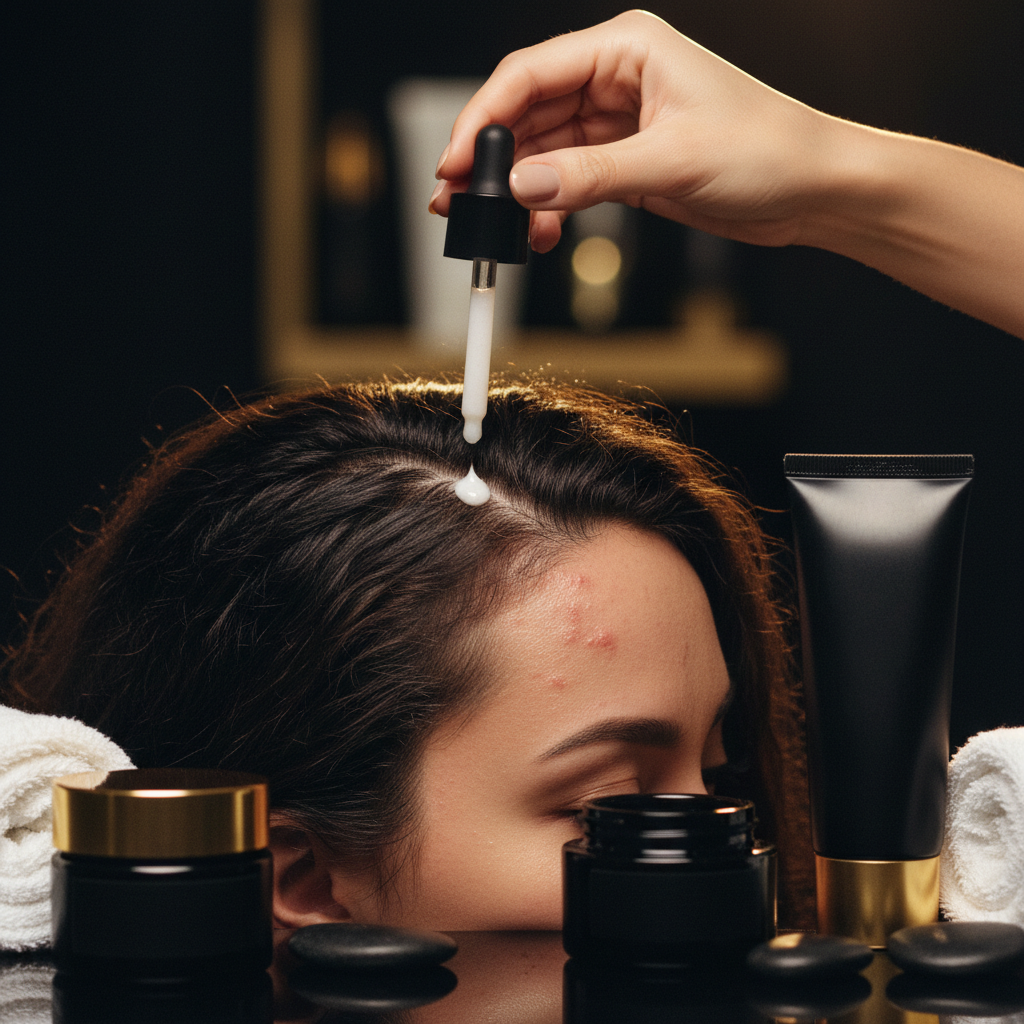
Quick answer: Folliculitis Scalp Care focuses on calming inflammation, clearing blocked follicles, and managing microbial overgrowth to resolve tender bumps and itching. Effective care involves keeping the scalp clean using gentle antimicrobial or clarifying cleansers, avoiding pore-clogging heavy oils, and maintaining a healthy skin barrier. However, cosmetic and home routines have clear limitations: persistent, widespread, or scarring forms of folliculitis require medical diagnosis and prescription antimicrobial or anti-inflammatory treatments from a GP or dermatologist to prevent permanent hair follicle damage.
Key takeaways
- Scalp folliculitis is an inflammation or infection of the hair follicles, commonly triggered by bacteria like Staphylococcus aureus, yeasts like Malassezia, or mechanical friction.
- Symptoms range from small, itchy red papules and pustules around the hair base to tender, crusting lesions that can mimic severe dandruff or acne.
- Gentle scalp hygiene, avoiding heavy occlusive pomades, and washing promptly after sweating form the cornerstone of daily management.
- Over-the-counter soothing ingredients like tea tree oil, piroctone olamine, and salicylic acid help maintain scalp hygiene, but they cannot replace prescription antibiotics or antifungals for deep or chronic infections.
- Severe or chronic variants, such as folliculitis decalvans or dissecting cellulitis, are medical emergencies for the hair follicle that can lead to permanent scarring alopecia if left untreated.
Folliculitis Scalp Care: what the evidence shows
Folliculitis Scalp Care centres on restoring the natural balance of the scalp microbiome while minimising mechanical and chemical irritation. The human scalp naturally hosts billions of micro-organisms, including bacteria and fungi, living alongside sebaceous glands that produce sebum. When a follicle becomes blocked by dead corneocytes, excess sebum, or heavy styling products, an ideal environment forms for opportunistic microbes to multiply, sparking an inflammatory immune response.
Clinical research categorises scalp folliculitis primarily into superficial and deep forms. Superficial bacterial folliculitis, often caused by Staphylococcus aureus, presents as small, fragile pustules piercing hair shafts. Pityrosporum (Malassezia) folliculitis is fungal, occurring when lipid-dependent yeasts trigger itchy, uniform papules, particularly in warm, humid conditions or after heavy workouts.
Evidence highlights that consistent scalp hygiene significantly reduces bacterial and fungal loads. Cleansing agents containing mild surfactants remove excess lipid build-up without stripping the scalp barrier. When the barrier remains intact, the skin maintains an acidic pH between 4.5 and 5.5, which naturally inhibits pathogenic colonisation.
What the evidence does not show
Popular hair forums often promote natural cures that lack rigorous scientific backing or actively worsen the condition:
- Heavy oils do not "suffocate" the infection: Applying coconut oil, olive oil, or castor oil to active folliculitis is a widespread mistake. Lipid-dependent microbes, especially Malassezia yeasts, feed directly on the fatty acids found in natural plant oils, fuelling further population spikes and worsening inflammation.
- Aggressive physical exfoliation does not clear follicles: Scrubbing the scalp with coarse physical scrubs or stiff brushes does not unclog infected pores. Instead, physical abrasion tears open existing pustules, spreads bacteria across adjacent healthy follicles, and causes micro-tears in the epidermal barrier.
- Standard anti-dandruff shampoo does not cure bacterial folliculitis: While zinc pyrithione or selenium sulfide shampoos help yeast-related flaking, they possess limited efficacy against bacterial pathogens like Staphylococcus aureus or gram-negative bacteria.
- Cosmetic care cannot reverse scarring variants: No topical cosmetic serum or wash can treat deep scarring folliculitis, such as folliculitis decalvans. Relying solely on cosmetic interventions in these instances delays vital medical care and increases the risk of irreversible hair loss.
The biological mechanism of scalp folliculitis
The hair follicle is an intricate invagination of the epidermis. Sebaceous glands empty sebum directly into the upper follicular canal, known as the infundibulum. Folliculitis begins right at this anatomical junction.
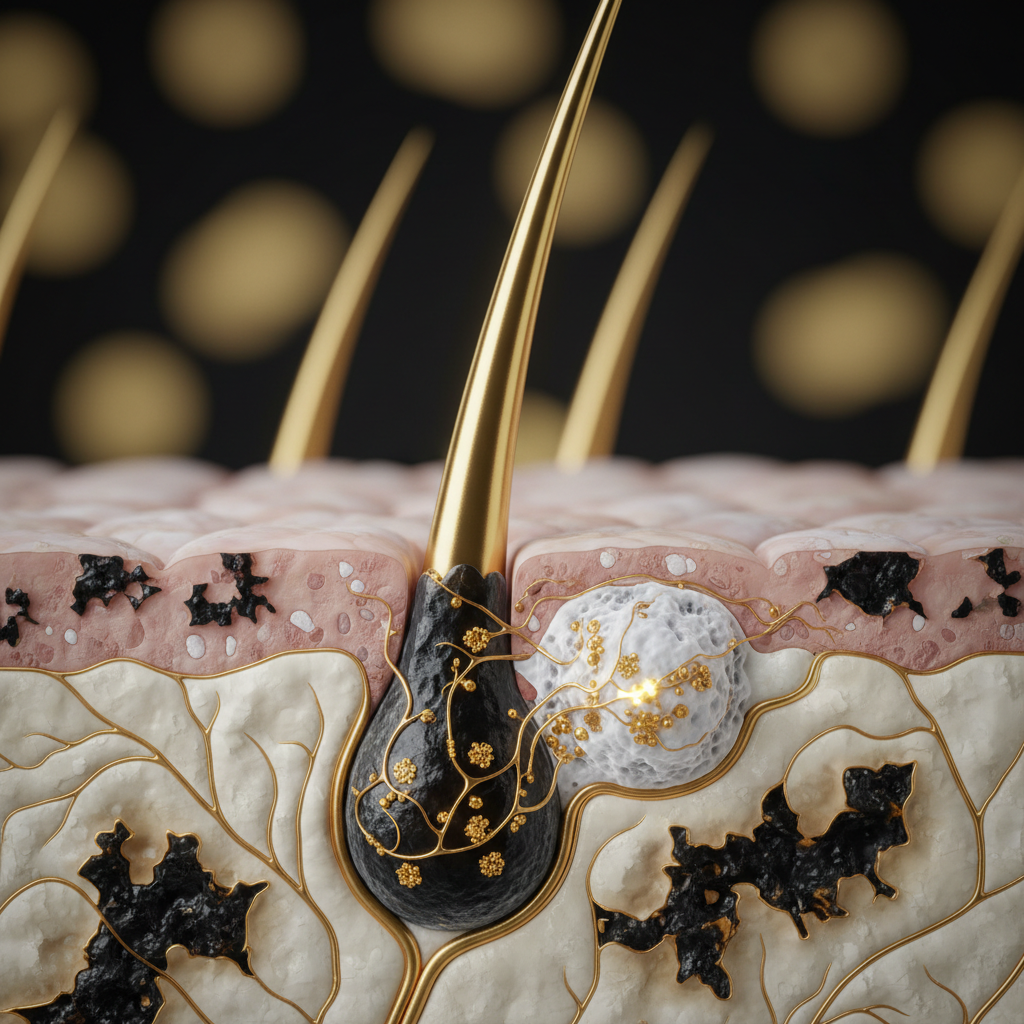
- Follicular occlusion: Excess sebum mixes with shed keratinocytes (dead skin cells) and external residues from hair products, forming a dense plug within the infundibular opening.
- Microbial overgrowth: Trapped beneath the plug, micro-organisms find an anaerobic or lipid-rich niche. Staphylococcus aureus or Malassezia species proliferate rapidly, producing lipases and toxins.
- Chemotaxis and inflammation: The immune system detects microbial metabolites, triggering local endothelial cells to recruit neutrophils and macrophages to the follicle.
- Pustule formation: Neutrophils release proteolytic enzymes and reactive oxygen species to neutralise pathogens. The resulting cellular debris, dead white blood cells, and trapped sebum accumulate as a visible pustule encircling the hair shaft.
- Perifollicular tissue damage: In superficial folliculitis, the inflammation remains limited to the upper infundibulum and resolves cleanly. In deep folliculitis, inflammation breaches the deeper follicular wall, destroying the stem cell niche in the follicular bulge and leading to fibrotic scarring.
Signs to look for: identifying the condition
Recognising the early presentation of scalp folliculitis prevents minor irritation from becoming a widespread issue. Look for these hallmark signs:
- Clusters of small red bumps (papules) or whitehead-like pimples (pustules) centred around individual hair fibres.
- Itching, burning, or a crawling sensation across the scalp, particularly along the hairline, crown, or nape of the neck.
- Tenderness or mild pain when brushing, styling, or resting the head against a pillow.
- Crusted, yellowish scabs that form when pustules rupture and dry out.
- Localised hair shedding around active lesions, which is usually temporary unless deep scarring occurs.
What you can do: establishing a supportive routine
A thoughtful daily regimen reduces flare-ups and supports follicular recovery alongside any medical treatment.
1. Cleanse regularly with active clarifying agents
Wash your scalp frequently, especially after sweating or working out. Look for formulas containing salicylic acid (0.5% to 2%), which is lipid-soluble and penetrates the pore lining to break down cellular debris. Mild topical antiseptics or botanical extracts with established antimicrobial properties, such as tea tree oil (diluted below 5%) or piroctone olamine, help keep micro-organisms under control.
2. Eliminate pore-clogging products
Stop using heavy pomades, petroleum-based hair greases, waxes, and silicones directly on the scalp. Apply conditioners and styling creams strictly to mid-lengths and ends. Keep the scalp surface bare, breathable, and clean.
3. Maintain hygiene of contact items
Change your pillowcases every two to three days, washing them in hot water (at least 60°C) with a fragrance-free detergent. Disinfect your hairbrushes, combs, headbands, and styling tools weekly using warm soapy water and an antibacterial rinse. Never share headwear, towels, or grooming tools.
4. Avoid friction and mechanical trauma
Refrain from scratching, picking, or squeezing pustules, as this drives bacteria deeper into the dermis and spreads infection to nearby follicles. Loosen tight hairstyles like tight braids, high ponytails, or snug headwear that pull on the follicle base and cause traction-related inflammation.
Folliculitis vs other common scalp conditions
Folliculitis can look remarkably similar to other inflammatory scalp disorders. The table below outlines key differences to help you identify what you are dealing with:
| Condition | Primary Cause | Visual Presentation | Primary Sensation | Hair Loss Risk |
|---|---|---|---|---|
| Bacterial Folliculitis | Bacterial infection (Staphylococcus aureus) | Small, discrete pustules centred on hair shafts; red halos | Tenderness, localized stinging, mild itch | Minimal, temporary shedding unless untreated |
| Malassezia Folliculitis | Yeast overgrowth (Malassezia species) | Uniform, dome-shaped itchy papules and tiny pustules | Intense, persistent itching | Low; temporary shedding |
| Seborrhoeic Dermatitis | Immune response to yeast metabolites | Diffuse, greasy, yellowish scales over red patches | Moderate to intense itch, burning | Low; telogen effluvium during acute flares |
| Scalp Acne | Sebaceous gland blockage and C. Acnes | Comedones (blackheads/whiteheads), deep tender nodules | Soreness, throbbing, tender pressure | Low |
| Folliculitis Decalvans | Chronic inflammatory/neutrophilic reaction | Clustered pustules, tufted hairs (doll's hair), thick crusts | Pain, severe burning, tenderness | High; permanent cicatricial (scarring) alopecia |
When the cause may be something else
If your scalp bumps do not respond to basic hygiene adjustments, the underlying cause may not be typical superficial folliculitis:
- Tinea capitis: A dermatophyte fungal infection of the scalp that causes scaly, circular patches, brittle hair that breaks flush with the scalp, and swollen lymph nodes. It occurs frequently in children and requires oral prescription antifungal medicine.
- Folliculitis decalvans: A rare, chronic primary cicatricial alopecia characterised by painful, recurrent crops of pustules and "tufting", where multiple hairs emerge from a single dilated follicular opening. This requires aggressive systemic medical management.
- Dissecting cellulitis: A severe, chronic inflammatory disorder presenting as large, painful, fluctuating nodules and interconnecting sinuses that discharge pus, predominantly affecting young adult men with Afro-textured hair.
- Contact dermatitis: An allergic or irritant response to ingredients in hair dyes, fragrances, or preservatives, causing red, weeping papules that mimic pustules.
When to seek professional advice
Consult a GP, dermatologist, or qualified trichologist immediately if you experience any of the following:
- Lesions that spread rapidly or do not improve after two weeks of targeted hygiene.
- Intense pain, swelling, warmth, or red streaks extending across the scalp.
- Pustules accompanied by systemic signs such as fever, fatigue, or swollen neck lymph nodes.
- Hairs that easily pull out from the centre of lesions, leaving smooth, shiny skin with absent follicular pores (a sign of scarring alopecia).
- Large, fluid-filled cysts or interconnecting channels beneath the skin.
A medical professional can perform scalp swabs for bacterial culture, mycology scraping for fungal identification, or a 4 mm punch biopsy to establish an accurate diagnosis and prescribe targeted oral or topical therapies.
Supporting the scalp with Watermans
When managing a healthy scalp environment between clinical flares, gentle and revitalising haircare products help maintain optimal conditions. The Watermans range focuses on cosmetic scalp care without using harsh, stripping sulfates that disrupt the natural barrier.
Watermans GrowMe Shampoo delivers a balanced cleansing action enriched with natural botanicals, including rosemary extract, niacinamide, and biotin. These ingredients help clarify surface sebum, soothe the scalp, and support an environment where hair feels fuller, stronger, and more resilient. Paired with Watermans ConditionMe Conditioner on the mid-lengths and ends, the routine keeps the hair fibre soft and moisturised while avoiding occlusive residue on the scalp.
Frequently asked questions about Folliculitis Scalp Care
How often should I wash my hair during Folliculitis Scalp Care?
Wash your scalp daily or every other day during active flares using a mild, non-comedogenic shampoo. Regular cleansing removes excess sebum, sweat, and micro-organisms before they accumulate in the infundibulum. If you exercise or sweat heavily, rinse and cleanse your scalp promptly afterwards to prevent trapped moisture and warmth from encouraging bacterial or yeast proliferation.
Can natural oils like tea tree oil cure scalp folliculitis?
Tea tree oil has documented antimicrobial properties, but pure essential oil should never be applied directly to the scalp due to the risk of chemical burns or contact allergy. When diluted to 2% to 5% in a clarifying base, it helps maintain scalp hygiene. However, it is not a guaranteed cure for established or deep bacterial infections.
Does scalp folliculitis cause permanent hair loss?
Superficial folliculitis usually causes only temporary hair shedding that regrows once the inflammation subsides. However, deep or scarring types of folliculitis, such as folliculitis decalvans, destroy the hair follicle stem cells in the bulge area. This causes permanent scarring alopecia, which is why early medical diagnosis is essential if lesions are painful or recurrent.
What ingredients should I avoid if I am prone to scalp folliculitis?
Avoid heavy occlusive ingredients such as mineral oil, petrolatum, cocoa butter, and thick silicone waxes applied directly to the scalp. You should also steer clear of irritating fragrances, harsh alcohol tonics, and heavy leave-in oils that can clog follicular openings and provide lipids that feed opportunistic micro-organisms.
A balanced approach to scalp health
Managing Folliculitis Scalp Care successfully requires consistency, gentle hygiene, and a clear understanding of your skin's biological needs. By keeping follicular openings clear of occlusive oils, washing away sweat and bacteria promptly, and preserving the delicate scalp acid mantle, you create the best possible conditions for comfort and hair vitality. Whenever scalp bumps persist, spread, or cause deep discomfort, prioritize a clinical consultation with a healthcare professional to safeguard your long-term follicle health.
Sources and references
- British Association of Dermatologists (BAD). Folliculitis: Patient Information Leaflet. 2021.
- National Institute for Health and Care Excellence (NICE). Boils, carbuncles, and staphylococcal folliculitis: Clinical Knowledge Summaries. 2022.
- American Academy of Dermatology (AAD). Folliculitis: Signs and Symptoms, Causes, and Treatment. 2023.
- Luelmo-Aguilar, J., & Santandreu, M. Z. Extensive and recurrent folliculitis: an overview. American Journal of Clinical Dermatology, 2004; 5(3): 173-181.
- Otike-Odibi, B. I., & Echebiri, V. A. Scalp folliculitis: An update on etiology, presentation, and management. International Journal of Trichology, 2019; 11(4): 143-150.
Find these ingredients in Watermans products
- Zinc: you will find this ingredient in our Hair Vitamins.
- Castor Oil: you will find this ingredient in our Camellia & Black Castor Hair & Body Oil.
- Niacinamide: you will find this ingredient in our Hair Mask.