Skin Conditions in Infants: Understanding Scalp Health and Hair
7 min read ·
Explore common Skin Conditions in Infants, including cradle cap and eczema, and understand their impact on scalp health and developing hair.
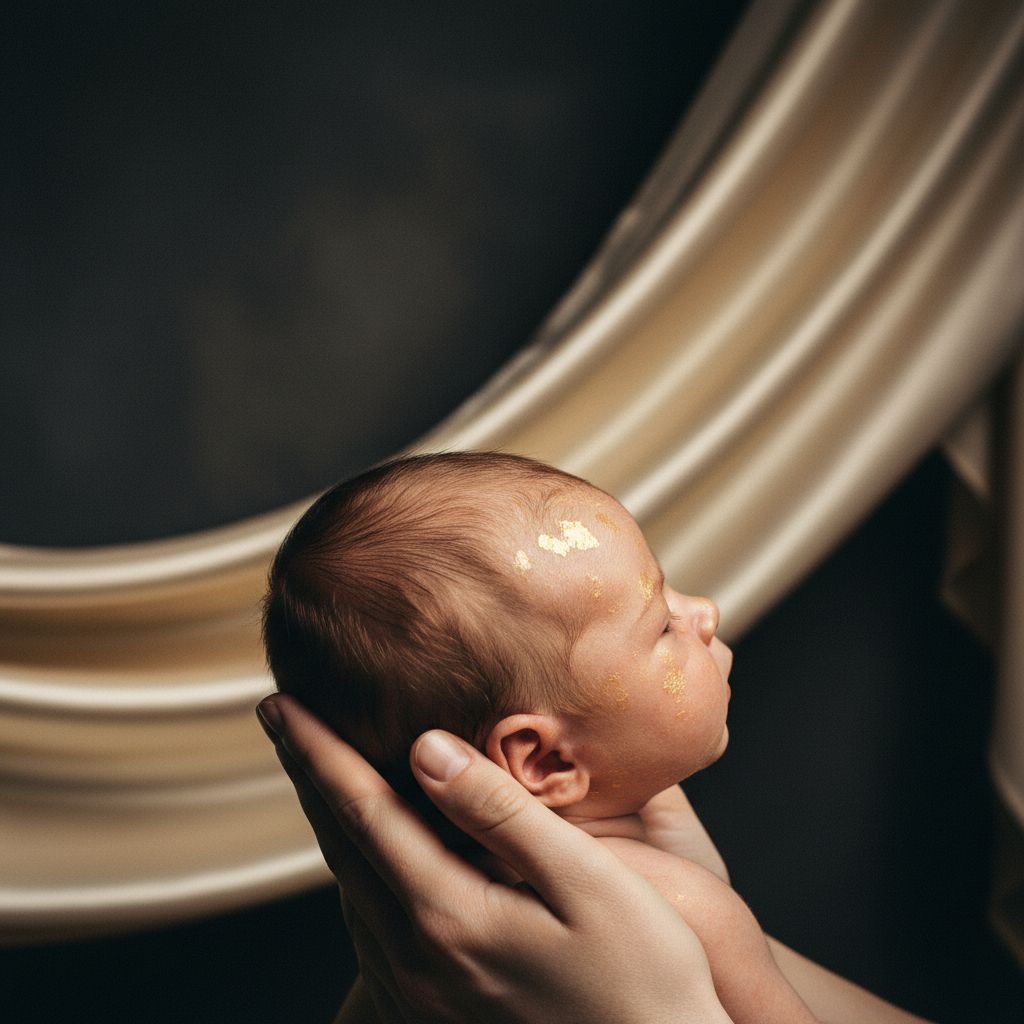
Quick answer: Skin Conditions in Infants can range from common, self-resolving issues like cradle cap to more persistent concerns such as eczema or fungal infections. While most conditions are temporary and do not cause permanent hair loss, they can affect scalp health and hair appearance. Always consult a healthcare professional for diagnosis and treatment, especially if you're concerned about your infant's skin or hair. Understanding these conditions helps ensure appropriate care for your baby's delicate scalp.
Key takeaways
- Infant skin is thinner and more sensitive than adult skin, making it more prone to various conditions.
- Cradle cap, eczema, and fungal infections are common Skin Conditions in Infants that can affect the scalp.
- Most infant scalp conditions are temporary and resolve without causing permanent hair loss.
- Scalp irritation or inflammation from skin conditions can temporarily affect hair growth or cause hair shedding.
- Proper hygiene and gentle care are essential for managing infant scalp conditions.
- Always seek professional medical advice for persistent or severe Skin Conditions in Infants.
Skin Conditions in Infants: what the evidence shows
Infant skin is notably different from adult skin, being thinner, more delicate, and having a less developed protective barrier. This makes babies more susceptible to environmental factors, irritants, and infections. The scalp, as an extension of the skin, can also be affected, and its health is fundamental to the development of healthy hair follicles and hair growth. Several common Skin Conditions in Infants can manifest on the scalp, potentially impacting hair in various ways. Understanding these conditions helps parents and caregivers provide appropriate, gentle care.
Common Infant Scalp Conditions and Their Impact
Cradle Cap (Infantile Seborrheic Dermatitis)
Cradle cap is a very common and harmless Skin Condition in Infants, presenting as greasy, yellowish, or brownish scales on the scalp. It is not contagious and typically resolves on its own within a few months, usually by 6 to 12 months of age (American Academy of Dermatology, 2023). While it can appear unsightly, it generally doesn't cause discomfort to the baby. The condition is thought to be related to overactive sebaceous glands, which produce excess sebum, an oily substance. These scales can trap hair, and when the scales are gently removed, some hairs may come away with them. This is temporary, and the hair will regrow normally once the condition clears.
Eczema (Atopic Dermatitis)
Eczema can appear as red, itchy, dry, and sometimes oozing patches on an infant's scalp, face, and other body parts. In infants, it often appears as early as two to three months of age. The intense itching associated with eczema can lead to scratching, which may damage the skin and hair follicles, causing temporary hair shedding or breakage in affected areas. Eczema is often linked to genetic factors, environmental triggers, and a compromised skin barrier function (National Eczema Association, 2024). Managing eczema typically involves gentle bathing, moisturising, and avoiding known triggers.
Fungal Infections (Tinea Capitis)
Tinea capitis, commonly known as ringworm of the scalp, is a fungal infection that can affect children. It presents as scaly, itchy, bald patches, sometimes with small black dots where hairs have broken off at the scalp surface. It can also cause tenderness and swollen lymph nodes in the neck. Tinea capitis is contagious and requires antifungal treatment, usually prescribed by a doctor. If left untreated, severe cases can lead to scarring and permanent hair loss (Centers for Disease Control and Prevention, 2021).
Bacterial Infections (Impetigo)
Impetigo is a superficial bacterial skin infection that can occur on the scalp, particularly if there are pre-existing breaks in the skin from scratching or other conditions. It typically presents as red sores that quickly rupture, ooze, and form a yellowish-brown crust. Impetigo can cause localised hair shedding or breakage due to inflammation and damage to the hair follicles. It is highly contagious and requires medical treatment, typically with antibiotics (NHS, 2023).
Contact Dermatitis
Contact dermatitis occurs when an infant's skin reacts to an irritant or allergen, leading to redness, itching, and sometimes blistering. On the scalp, common culprits can include certain ingredients in shampoos, detergents, or even direct contact with irritating fabrics. While contact dermatitis doesn't directly cause hair loss in the same way as some infections, severe inflammation can disrupt the hair growth cycle and lead to temporary hair shedding or breakage. Identifying and removing the irritant or allergen is key to resolution.
Hair and Scalp Impact of Infant Skin Conditions
Most Skin Conditions in Infants that affect the scalp do not cause permanent hair loss. However, they can lead to temporary changes in hair texture, density, or overall scalp health. For instance, the constant scratching due to eczema can physically damage hair strands, leading to breakage. Fungal or bacterial infections can weaken hair follicles, resulting in shedding. The good news is that once the underlying skin condition is treated and resolved, hair growth typically returns to normal. The scalp is a dynamic environment, and maintaining its health supports robust hair development. Our article on "Understanding Scalp Health" offers further insights into this connection.
When to Seek Professional Advice
It is always advisable to consult a healthcare professional, such as a GP or paediatrician, if you are concerned about any Skin Conditions in Infants, especially if:
- The condition is spreading rapidly or appears to be getting worse.
- Your infant is experiencing significant discomfort, itching, or pain.
- There are signs of infection, such as pus, fever, or red streaks.
- The condition does not improve with gentle home care or over-the-counter remedies.
- You suspect a fungal or bacterial infection (e.g., ringworm, impetigo).
- Hair loss appears significant or persistent.
A doctor can accurately diagnose the condition and recommend appropriate treatment, which may include medicated creams, shampoos, or oral medications.
Frequently asked questions about Skin Conditions in Infants
Can cradle cap cause permanent hair loss?
No, cradle cap does not cause permanent hair loss. While some hairs may come away when the scales are removed, this is temporary, and the hair follicles are not damaged. New hair will grow back normally once the cradle cap resolves.
How can I tell if my baby's scalp rash is eczema or something else?
Eczema typically presents as very itchy, red, dry, and sometimes oozing patches, often on the face and scalp. Other conditions like cradle cap are usually greasy and scaly but not itchy. If you're unsure, or if the rash is persistent or causing distress, it's best to consult a doctor for an accurate diagnosis.
What kind of shampoo should I use for Skin Conditions in Infants?
For most Skin Conditions in Infants, a very mild, fragrance-free, pH-balanced shampoo is recommended. Your doctor might suggest a specific medicated shampoo for conditions like cradle cap or fungal infections. Always perform a patch test if introducing a new product.
How long do Skin Conditions in Infants usually last?
Many common Skin Conditions in Infants, such as cradle cap, clear up on their own within a few months. Eczema can be more persistent and may require ongoing management. Fungal or bacterial infections typically resolve with appropriate medical treatment. The duration depends on the specific condition and its severity.
Watermans and delicate infant scalps
While Watermans products are formulated for adults and are not specifically designed for infant skin, the principles of gentle, effective scalp care are universal. Watermans prioritises formulations that support a healthy scalp environment, using ingredients known to cleanse effectively without harshness, and to nourish the hair fibre. For any Skin Conditions in Infants, especially those affecting hair, always follow medical advice first. Once your child is older and their scalp health is established, products like Watermans Grow Me Shampoo and Conditioner, known for their gentle formulations, could be considered for healthy hair maintenance as they grow.
Conclusion
Skin Conditions in Infants are a common concern for many parents, with conditions ranging from mild and temporary to those requiring medical intervention. Understanding the specific characteristics of infant skin and the impact these conditions can have on the scalp and hair is crucial. While most issues resolve without lasting effects on hair growth, timely and appropriate care, guided by professional medical advice, ensures the best outcomes for your baby's delicate scalp and developing hair. Prioritising gentle care and maintaining open communication with healthcare providers will help work through Skin Conditions in Infants effectively.
Sources and references
- American Academy of Dermatology. (2023). Cradle Cap. https://www.aad.org/public/diseases/a-z/cradle-cap-causes-symptoms
- National Eczema Association. (2024). Infant Eczema. https://nationaleczema.org/eczema/types-of-eczema/atopic-dermatitis/infant-eczema/
- Centers for Disease Control and Prevention. (2021). Ringworm (Tinea). https://www.cdc.gov/fungal/diseases/ringworm/index.html
- NHS. (2023). Impetigo. https://www.nhs.uk/conditions/impetigo/
- National Institute of Environmental Health Sciences. (2023). Contact Dermatitis. https://www.niehs.nih.gov/health/topics/conditions/contact-dermatitis/index.cfm