Child Hair Care: An Evidence-Based Guide for Healthy Hair
10 min read ·
Understanding the unique needs of developing hair and scalp is key to effective Child Hair Care, which focuses on gentle practices, appropriate products, and a balanced diet to promote hair health from infancy through adolescence.
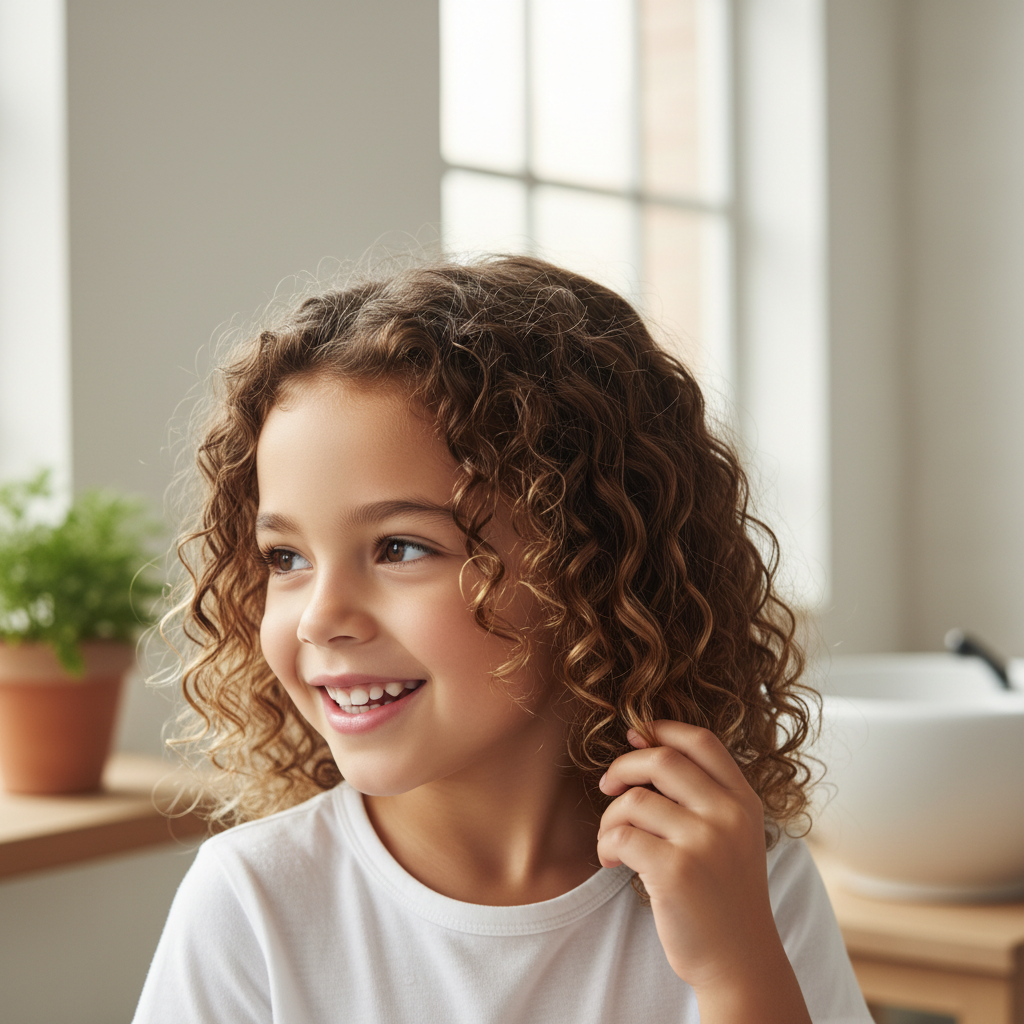
Quick answer: Effective Child Hair Care involves understanding the distinct characteristics of a child's hair and scalp at different developmental stages, focusing on gentle cleansing, conditioning, and detangling practices to prevent damage and irritation. It also recognises that common childhood scalp conditions often require specific, mild interventions, with overall hair health supported by good nutrition, though professional medical advice should always be sought for persistent concerns or severe conditions.
Key takeaways
- Children's hair and scalp differ from adults', requiring gentler care due to finer hair fibres, a more delicate scalp, and varying sebaceous gland activity.
- Gentle washing, conditioning, and detangling are fundamental to prevent breakage, irritation, and common issues like cradle cap or head lice.
- Heat styling should be minimised, and hairstyles kept loose to protect fragile hair fibres from damage.
- A balanced diet rich in protein, vitamins, and minerals supports healthy hair growth and overall well-being.
- For persistent scalp conditions, significant hair changes, or suspected infections, professional medical advice is essential.
Child Hair Care: what the evidence shows
Child Hair Care is a nuanced topic because a child's hair and scalp undergo significant changes from infancy through adolescence. Understanding these developmental stages is crucial for providing appropriate care that supports healthy hair growth and prevents damage.
Infant hair, often termed vellus hair, is typically fine, soft, and lightly pigmented. As a child grows, this vellus hair is gradually replaced by terminal hair, which is thicker, stronger, and more pigmented. This transition is usually complete by puberty. The scalp of a young child is also more delicate and has a thinner stratum corneum (the outermost layer of the skin) compared to an adult, making it more susceptible to irritation and absorption of chemicals.
Sebaceous gland activity, which produces the natural oil (sebum) that moisturises the scalp and hair, also varies. In infants, maternal hormones can temporarily stimulate these glands, contributing to conditions like cradle cap. Through early childhood, sebaceous glands are generally less active than in adults, often resulting in drier hair and scalp. As children approach puberty, hormonal changes increase sebaceous activity, which can lead to oilier scalps and the emergence of conditions like dandruff. This changing physiology directly influences the type and frequency of Child Hair Care required.
Hair Growth Cycles in Children
Like adults, children's hair grows in cycles (anagen, catagen, telogen). However, the duration of these phases can differ. Some studies suggest that the anagen (growth) phase in young children may be shorter than in adults, which can influence how long their hair can grow before shedding. The density of hair follicles is established before birth, but the follicles themselves mature over time, affecting hair texture, thickness, and strength.
The Importance of Gentle Cleansing
Because a child's scalp is more sensitive and their hair fibres are often finer, gentle cleansing is paramount. Regular washing removes dirt, sweat, and product build-up, but overwashing or using harsh products can strip natural oils, leading to dryness, irritation, and potential damage. The frequency of shampooing depends on factors such as hair type, activity level, and environment, but for most children, washing two to three times a week is often sufficient. Daily washing is rarely necessary and can be detrimental.
When washing, lukewarm water is best. Shampoos formulated for children are typically milder, pH-balanced (ideally between pH 4.5 to 5.5, aligning with the natural acidity of the scalp), and designed to be tear-free and less irritating. Applying shampoo gently to the scalp with fingertips, without vigorous scrubbing, followed by thorough rinsing, helps prevent residue build-up that can cause irritation or dullness.
Conditioning is often beneficial, particularly for longer, curly, or tangle-prone hair. A lightweight rinse-out conditioner applied mainly to the mid-lengths and ends can improve manageability and moisture. For very fine hair, a small amount may be sufficient, or a leave-in conditioner can provide extra hydration and detangling benefits without weighing hair down. For more on how conditioners work, you can refer to "The Science of Conditioners: How Hair Care Formulations Work".
Detangling and Preventing Breakage
Tangling is a common issue, especially with fine, long, or curly hair textures. Gentle detangling is crucial to prevent pain and hair breakage (the fibre snapping along the shaft). Always detangle hair when it is damp, not soaking wet, and ideally with conditioner or a detangling spray applied. Starting from the ends and working upwards towards the scalp with a wide-tooth comb or a brush with soft, flexible bristles minimises pulling and stress on the hair shaft. Avoid yanking or forcing the comb through knots, as this can damage the hair fibre.
| Hair Type | Recommended Tool | Detangling Strategy |
|---|---|---|
| Fine, Straight | Soft-bristle brush | Detangle damp hair; consider a lightweight leave-in conditioner. |
| Wavy, Medium | Wide-tooth comb | Detangle damp hair in sections; apply conditioner before combing. |
| Curly, Thick | Wide-tooth comb/fingers | Detangle wet hair with ample conditioner in small sections to minimise stress and retain curl pattern. Refer to "How to Detangle Afro Hair Without Breakage: An Evidence-Based Guide". |
Tight hairstyles, harsh brushing, and chemical treatments are significant contributors to hair breakage in children. Opt for loose styles, soft fabric hair ties instead of rubber bands, and ensure hair is dry before braiding or styling tightly, as wet hair is more elastic and vulnerable. Regular trims can help remove split ends and maintain overall hair health, preventing damage from progressing up the hair shaft.
Common Hair and Scalp Concerns in Childhood
Several specific conditions are common in Child Hair Care:
- Cradle Cap (Infant Seborrheic Dermatitis): This harmless condition affects infants and is characterised by greasy, yellow, scaly patches on the scalp. It's thought to be due to overactive sebaceous glands stimulated by residual maternal hormones. Gentle massage with baby oil or mineral oil to soften the scales, followed by soft brushing and washing with a mild baby shampoo, typically resolves it. Picking at the scales should be avoided to prevent irritation.
- Head Lice: These tiny, wingless insects are highly contagious and commonly spread among school-aged children through head-to-head contact. Symptoms include an itchy scalp and the presence of nits (lice eggs) firmly attached to hair shafts near the scalp. Treatment involves specific medicated shampoos or lotions, often combined with manual removal of nits using a fine-toothed comb.
- Dandruff: While more common in adolescence and adulthood, younger children can also experience dandruff. This condition is characterised by flaking of the scalp. For more on this, see "Dandruff: Causes and Treatments Explained". Mild cases can often be managed with gentle, regular shampooing. Persistent or severe dandruff warrants medical advice.
- Alopecia: Hair loss (distinct from hair shedding or breakage) in children can have various causes, including fungal infections (tinea capitis), alopecia areata, traction alopecia (from tight hairstyles), or nutritional deficiencies. Any significant or sudden hair loss should always be evaluated by a medical professional.
Styling and Heat Exposure
Simplicity and gentleness are key when styling children's hair. A child's hair is generally finer and more susceptible to damage than adult hair, making heat styling tools particularly risky. If heat styling is occasionally necessary, use the lowest possible heat setting and always apply a heat protection spray. Such sprays create a barrier, mitigating damage. For more on this, consult "Heat Styling Safety Best Practices".
Everyday styling should favour loose braids, pigtails, or ponytails that do not pull tightly on the scalp. Limiting gels, mousses, and hairsprays is advisable, as many adult products contain alcohol or other ingredients that can be drying or irritating to a child's delicate scalp and hair. If styling products are needed, opt for alcohol-free, child-friendly formulations.
Nutrition and Overall Hair Health
A balanced diet plays a vital role in supporting healthy hair growth and strength in children, just as it does in adults. Adequate intake of macronutrients (protein, carbohydrates, healthy fats) and micronutrients (vitamins and minerals) is essential for overall health, which includes healthy hair and scalp development. Key nutrients for hair include:
- Protein: The primary building block of hair (keratin). Lean meats, fish, eggs, dairy, legumes, and nuts are good sources.
- Iron: Necessary for oxygen transport to hair follicles. Found in red meat, leafy green vegetables, and fortified cereals.
- Zinc: Supports hair tissue growth and repair. Present in nuts, seeds, legumes, and dairy.
- Biotin (Vitamin B7): Involved in keratin production. Eggs, avocados, and sweet potatoes contain biotin.
- Vitamins A, C, and E: Antioxidants that protect cells, including hair follicles, from oxidative stress and support scalp health. Abundant in fruits, vegetables, and nuts.
Ensuring children consume a varied and nutrient-rich diet supports not only their hair health but also their overall growth and development.
Frequently asked questions about Child Hair Care
How often should I wash my child's hair?
The ideal frequency for Child Hair Care washing depends on hair type, activity level, and oil production. For most children, two to three times a week is sufficient to keep hair clean without stripping essential natural oils. Children with very oily scalps or those who are very active may benefit from slightly more frequent washing, while those with dry or coily hair might need less. Always use a mild, pH-balanced shampoo.
What kind of shampoo should I use for child hair care?
For child hair care, choose a shampoo specifically formulated for children. These products are typically milder, pH-balanced, and designed to be tear-free and less irritating to the delicate scalp and eyes. Avoid adult shampoos with strong detergents, fragrances, or harsh chemicals unless advised by a dermatologist for a specific condition. Look for formulations that are free from sulphates and parabens if your child has a sensitive scalp.
How can I prevent tangles in my child's hair?
To prevent tangles, regularly brush or comb your child's hair gently when it's damp, using a wide-tooth comb or soft-bristle brush. Start from the ends and work up. Applying a leave-in conditioner or detangling spray can significantly help. For children with long or curly hair, consider loose braids or ponytails at night to minimise knotting. Avoiding vigorous towel drying also helps.
Is it normal for children to have dandruff?
Dandruff can occur in children, though it's less common than in adults and often milder. It can be caused by dry scalp, infrequent washing, or a common yeast called Malassezia. Mild cases often improve with regular, gentle shampooing. However, if flaking is severe, persistent, itchy, or accompanied by redness, it's important to consult a healthcare professional to rule out other scalp conditions like eczema or fungal infections.
When should I seek professional advice for my child's hair or scalp concerns?
You should seek professional advice if your child experiences persistent or severe scalp itching, redness, flaking, or sores. Any noticeable or sudden hair loss, patches of missing hair, or signs of infection (like pus or fever) warrant immediate medical attention. If you suspect head lice or if common scalp conditions like cradle cap don't improve with gentle care, a visit to your GP or a dermatologist is recommended for proper diagnosis and treatment.
Promoting healthy Child Hair Care through gentle practices
Effective Child Hair Care is about more than just washing; it's a comprehensive approach that nurtures developing hair and scalp. By prioritising gentle practices, using age-appropriate products, and ensuring good nutrition, parents can establish a foundation for healthy hair that lasts a lifetime. Awareness of common childhood hair and scalp issues and knowing when to seek professional advice are also key components of responsible Child Hair Care. This approach minimises stress on delicate hair fibres and supports the overall well-being of the child.
Support healthy hair with Watermans products
Watermans formulations are developed with hair health in mind. While designed for adults, some ingredients found in our products, like biotin and zinc, are recognised for their roles in supporting healthy hair development. Our range includes shampoos and conditioners that prioritise gentle cleansing and conditioning, which are principles echoed in good Child Hair Care.
- Biotin, you will find this ingredient in our "GrowMe Shampoo".
- Zinc, you will find this ingredient in our "GrowPro Hair Vitamins".
Sources and references
- American Academy of Dermatology Association, Hair loss in children: Diagnosis and treatment, aad.org
- British Association of Dermatologists, Patient Information Leaflet: Seborrhoeic Dermatitis (Cradle Cap), 2021, skinhealthinfo.org.uk
- National Health Service (NHS), Head lice and nits, nhs.uk
- Journal of Clinical and Aesthetic Dermatology, Hair Care Products: Waxes, Petrolatum, Mineral Oil, and Silicones, 2015
- Paediatric Dermatology, Hair and scalp disorders in children, 2017
- PubMed Central, Nutritional Factors in Hair Loss, 2019, ncbi.nlm.nih.gov
- Government of Western Australia, Department of Health, Caring for your baby: Cradle cap, 2022, health.wa.gov.au
Find these ingredients in Watermans products
- Biotin: you will find this ingredient in our Hair Growth Shampoo.