Detangling Hair
4 min read ·
Detangling hair is the process of removing knots and snarls, crucial for maintaining hair health and preventing breakage.
Understanding Hair Knots
Hair knots, also known as tangles, form when adjacent hair strands intertwine and snag. This can occur due to various factors, including friction, dryness, product accumulation, and external environmental elements like wind.
The outermost layer of a hair strand, the cuticle, is composed of overlapping scales. When these scales are raised, such as from damage or dryness, they are more likely to interlock with the raised cuticles of neighboring strands, leading to tangles.
The Importance of Detangling
Proper detangling is a fundamental step in any haircare routine. Neglecting to detangle can exacerbate existing knots, leading to increased friction, stress on the hair shaft, and ultimately, hair breakage. Regularly removing tangles helps to preserve the integrity of the hair and promotes overall hair health.
Tools for Detangling
Choosing the right tools is essential for effective and gentle detangling. The primary tools include:
- Wide-tooth comb: Ideal for initial detangling, particularly on wet hair, as the wide spacing between teeth minimizes snagging and pulling.
- Paddle brush: Suitable for detangling dry hair or for distributing product through hair. Look for brushes with soft, flexible bristles.
- Detangling brush: These brushes often feature flexible bristles of varying lengths, designed to glide through tangles with minimal pulling.
Detangling Techniques
The most effective detangling techniques prioritize gentleness and working in sections.
On Wet Hair
Detangling wet hair can be easier as water helps to provide slip and make hair more pliable. However, wet hair is also more fragile and susceptible to breakage, so extra care is crucial.
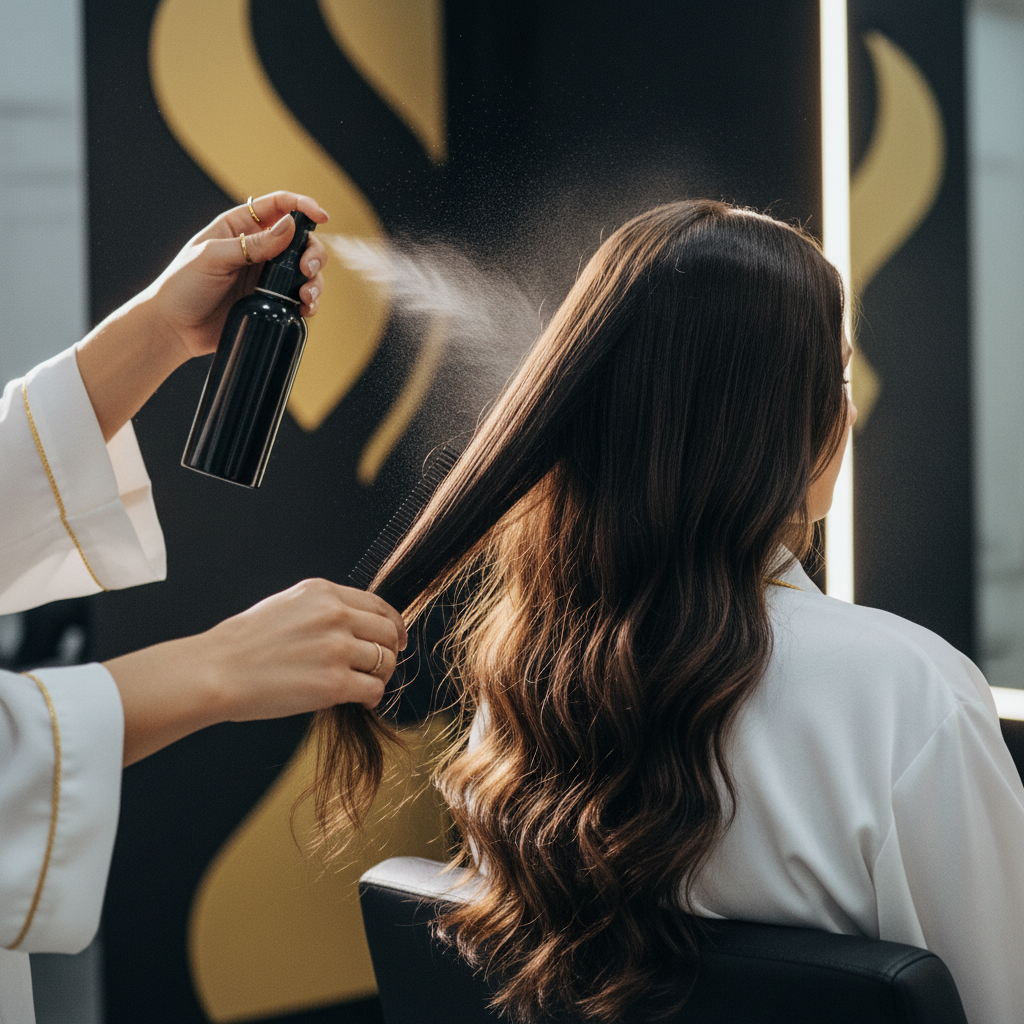
- Preparation: After shampooing and conditioning, gently squeeze excess water from the hair. Apply a leave-in conditioner or a detangling spray to provide slip.
- Sectioning: Divide the hair into manageable sections. This allows for focused detangling and prevents overwhelming larger areas.
- Start from the ends: Begin combing or brushing at the very ends of a section and work your way up towards the roots. This prevents pushing tangles further down the hair shaft.
- Gentle strokes: Use short, gentle strokes. If you encounter a knot, do not yank the comb or brush. Instead, gently work it out with your fingers or with very small, light strokes of the tool.
On Dry Hair
Detangling dry hair requires a different approach, as dry hair is less elastic and more prone to snapping.
- Preparation: Apply a small amount of an oil, serum, or a detangling spray to the hair to add lubrication and reduce friction.
- Sectioning: As with wet hair, sectioning the hair into smaller parts is crucial for control.
- Start from the ends: Always begin detangling at the ends, gradually moving upwards.
- Patience is key: Be patient and gentle. If a knot is stubborn, apply a little more product and try to loosen it with your fingers before reintroducing the comb or brush.
Products for Detangling
Various haircare products are formulated to assist in the detangling process by reducing friction and providing slip.
Type of Product | Benefits | Application
--- | --- | --- Conditioners | Smooths the cuticle, provides slip | After shampoo, rinse or leave-in Leave-in conditioners | Continuous moisture, frizz control, heat protection | After washing, before styling Detangling sprays | Instant slip, eases comb-through | Wet or dry hair, as needed Hair oils/serums | Adds lubrication, shine, reduces friction | Small amount on dry or damp hair
Preventing Tangles
Proactive measures can significantly reduce the frequency and severity of tangles:
- Regular conditioning: Ensures cuticles are smooth and laid flat, minimizing inter-strand friction.
- Protective hairstyles: Braids, buns, or ponytails, especially overnight, prevent hair from rubbing against surfaces or other strands.
- Silk or satin pillowcases: These materials create less friction than cotton, reducing tangles and frizz while sleeping.
- Gentle towel-drying: Aggressive rubbing with a towel can ruffle the cuticle and create tangles. Blot hair gently instead.
- Trim split ends: Split ends can worsen tangles as the damaged hair shafts are more likely to snag.
Common Mistakes to Avoid
- Detangling dry hair without product: This increases friction and can lead to breakage.
- Starting at the roots: This pushes existing tangles down, making them bigger and harder to remove.
- Using a fine-tooth comb on very tangled hair: Fine teeth will pull and break fragile strands.
- Aggressive brushing/combing: Leads to excessive pulling and breakage.
- Skipping conditioning: Conditioners are vital for providing the necessary slip to detangle effectively. Watermans offers a range of conditioning products designed to smooth the hair cuticle and facilitate easier detangling.