Hydrolysed Protein Treatments: Evidence, Mechanisms, and Application
9 min read ·
Discover how Hydrolysed Protein Treatments work to reinforce weakened hair fibres, reduce breakage, and restore elasticity through cosmetic chemistry.
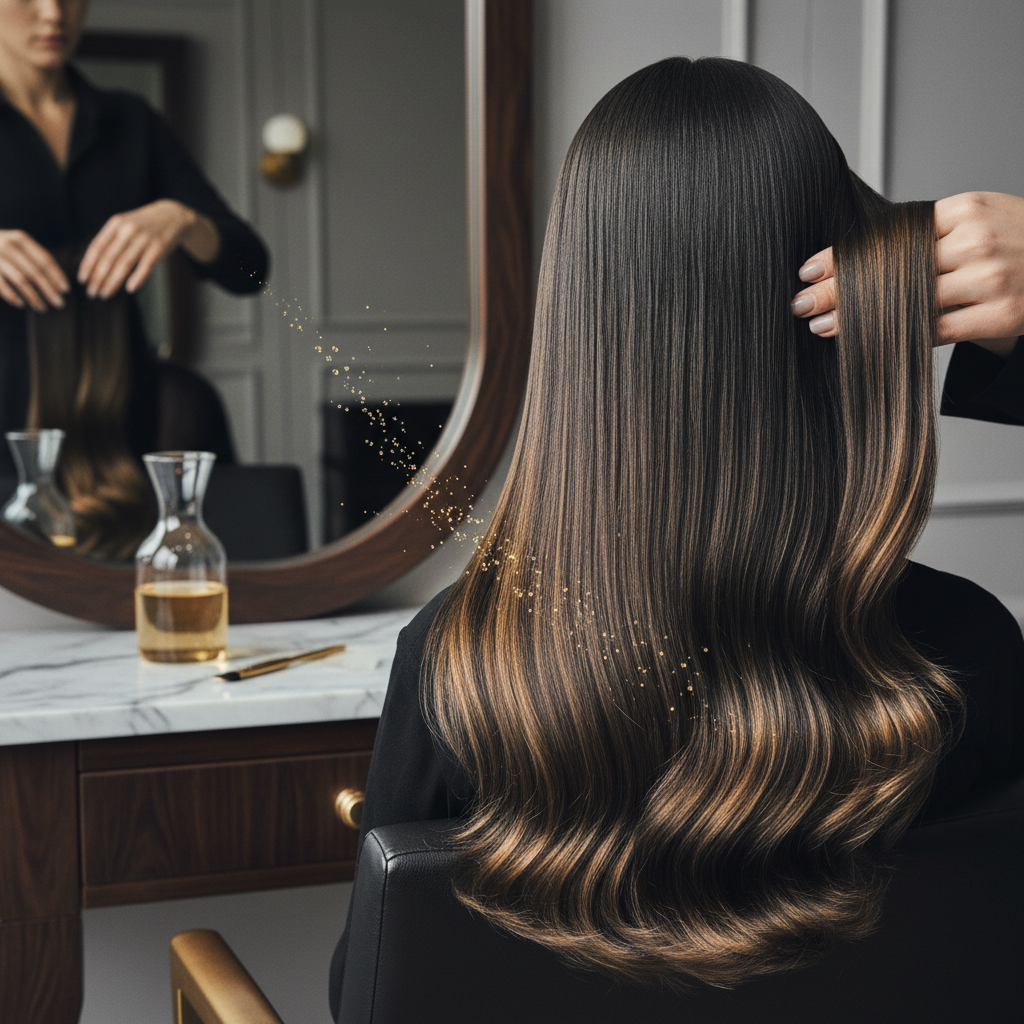
Quick answer: Hydrolysed Protein Treatments are cosmetic haircare formulations containing proteins chemically broken down into smaller peptides and amino acids to temporarily bind to and reinforce weakened hair fibres. By adsorbing to the cuticle and penetrating high-porosity gaps in the cortex, they temporarily improve tensile strength, reduce breakage, and smooth the hair shaft. However, Hydrolysed Protein Treatments cannot permanently repair split ends or reverse chemical damage, and using them excessively without conditioning emollients can leave hair feeling brittle.
Key takeaways
- Hydrolysis cleaves large protein molecules (such as keratin, wheat, or silk) into low molecular weight fragments (roughly 500 to 3,000 Daltons) capable of diffusing into the hair cortex.
- These treatments target hair breakage along the fibre, not follicular hair loss or hormonal shedding at the scalp.
- Hair damaged by bleaching, thermal styling, or mechanical friction benefits most because its increased porosity exposes internal binding sites.
- Protein treatments must be balanced with moisture; over-application without humectants or lipids can cause fibres to feel stiff, dry, and prone to snapping.
- The effects are temporary and wash out gradually over several shampoo cycles, requiring periodic reapplication.
Hydrolysed Protein Treatments: what the evidence shows
Hydrolysed Protein Treatments work by exploiting the amphoteric and porous nature of damaged human hair. Intact human hair consists of roughly 65% to 95% keratin protein by weight, held together by disulphide bonds, hydrogen bonds, and salt linkages. Chemical processing (such as bleaching and permanent waving), ultraviolet radiation, and heat above 180 degrees Celsius strip protective cuticular 18-methyleicosanoic acid (18-MEA) and degrade internal keratin chains. This creates micro-voids and raises the overall negative charge of the fibre.
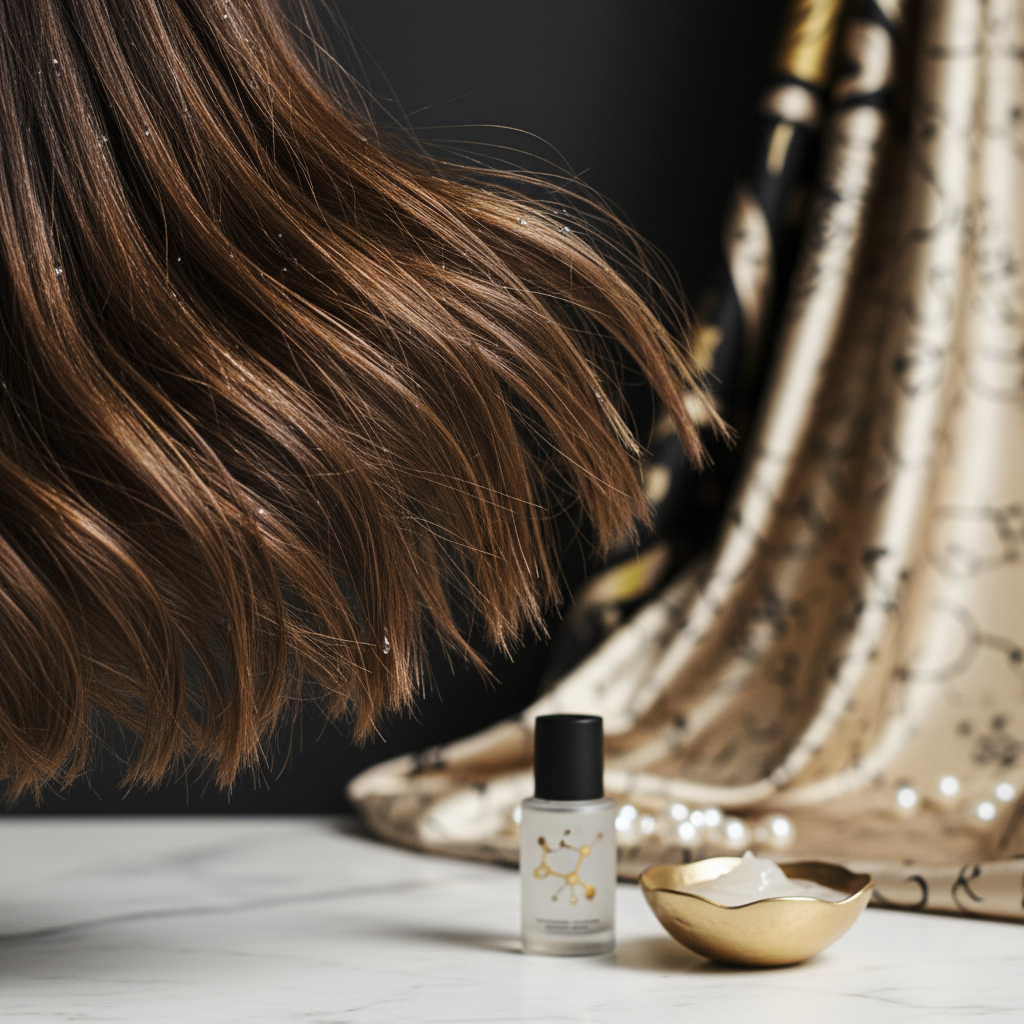
Natural, intact proteins (such as native collagen or raw egg protein) have molecular weights exceeding 100,000 Daltons. These molecules are far too large to enter the hair shaft; they simply sit on the surface and wash away down the drain. Hydrolysis uses enzymatic or acid-base cleavage to break these long-chain polypeptides down into fragments ranging between 500 and 5,000 Daltons.
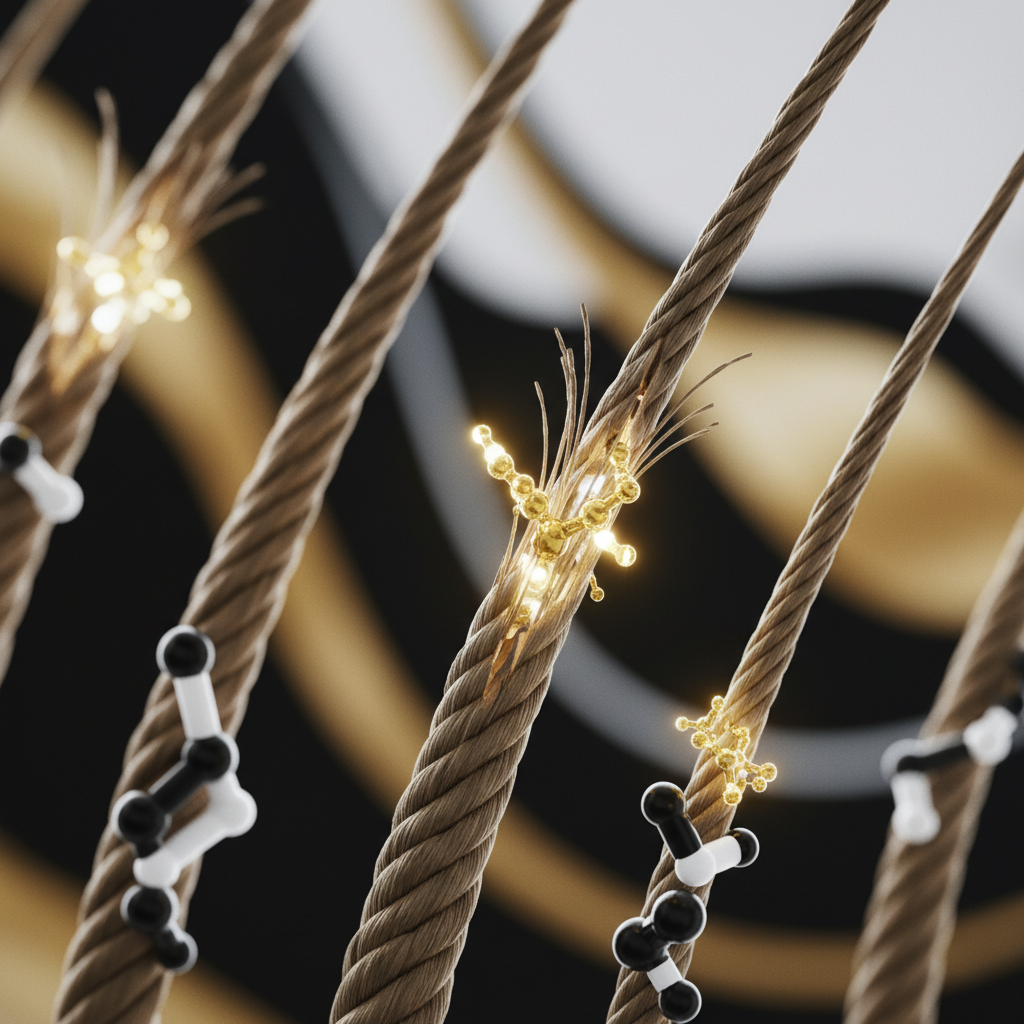
Independent cosmetic research published in the Journal of Cosmetic Science shows that hydrolysed proteins below 1,500 Daltons can penetrate through cuticle gaps directly into the cortex. Larger fragments (between 1,500 and 4,000 Daltons) adsorb to the outer cuticle margins. This dual mechanism produces measurable cosmetic outcomes:
- Reduced hair breakage: By filling voids in the cortex and cross-linking via ionic and hydrogen bonding, hydrolysed peptides increase the fibre's resistance to tensile stress when dry.
- Reduced porosity: Coating lifted cuticle scales reduces water uptake during washing, helping to minimise hygral fatigue (the repetitive swelling and deswelling of the cortex).
- Enhanced elasticity: Hair that stretches and snaps without springing back regains its structural bounce when internal hydrogen bonds are supported by low-molecular-weight amino acid chains.
What the evidence does not show
It is vital to separate cosmetic fibre reinforcement from biological regeneration.
First, Hydrolysed Protein Treatments do not cure hair loss or stimulate the hair follicle. Hair breakage is the physical snapping of a damaged fibre; hair shedding (telogen effluvium) and hair loss (androgenetic alopecia) originate beneath the scalp in the dermal papilla. Applying protein masks to your lengths will not stop genetic thinning or post-illness shedding.
Second, hydrolysed proteins cannot permanently mend split ends. While they can temporarily glue lifting cuticle edges down via film-forming properties, this effect disappears after one to three washes. Only physical trimming eliminates split ends.
Finally, proteins do not rebuild covalent disulphide bonds destroyed by chemical relaxers or bleach. While they reinforce secondary non-covalent bonds, they do not recreate the permanent sulphur bridges that give native hair its primary architecture.
How protein treatments work: the molecular mechanism
The performance of any hydrolysed protein depends on two variables: molecular weight (measured in Daltons, Da) and isoelectric charge.
| Protein Type | Typical Molecular Weight (Da) | Primary Action on Hair | Ideal Hair Profile |
|---|---|---|---|
| Hydrolysed Keratin | 600 to 2,000 | Cortex penetration; reinforces internal polypeptide chains | Bleached, chemically relaxed, or heat-damaged hair |
| Hydrolysed Wheat Protein | 1,000 to 3,000 | Moisture retention, cortex reinforcement, and film formation | High-porosity curls, fine hair prone to snapping |
| Hydrolysed Silk | 500 to 1,500 | Cuticle smoothing, light protective barrier, high shine | Low-to-medium porosity hair needing surface smoothness |
| Hydrolysed Collagen | 2,000 to 5,000 | Surface coating, moisture binding, improves fibre diameter | Thin, limp, or mechanically weathered ends |
Damaged hair has an isoelectric point shifted toward a more acidic pH (around pH 3.2 to 3.8 compared to intact hair's pH 3.67). This gives the fibre a strong negative surface charge. Most commercial Hydrolysed Protein Treatments are formulated at a skin-compatible pH of 4.5 to 5.5, where amino acids carry cationic (positive) sites. Through electrostatic attraction, these positively charged peptides adhere tightly to negatively charged damaged patches.
Once deposited, the peptides form a cohesive matrix inside the cortex micro-voids, supported by ambient moisture. When heated lightly with a hairdryer, some formulations cross-link lightly on the surface, creating a protective, resilient shield.
Identifying when your hair needs protein
Hair fibre problems typically fall into one of two categories: lack of lipid conditioning (moisture deficit) or loss of structural keratin (protein deficit).
You likely need a protein treatment if you notice:
- The "chewing gum" stretch: When wet, a single strand stretches significantly beyond its normal length without bouncing back, feeling mushy, limp, or gummy before it breaks.
- Loss of curl structure: Natural curls, coils, or waves become loose, droopy, and fail to hold their shape even with styling products.
- High porosity: Your hair absorbs water instantly upon stepping into the shower, yet dries exceptionally fast, feeling parched moments later.
- Bleaching or heat history: Hair that has undergone high-lift tinting, bleaching, or regular flat-ironing above 200 degrees Celsius inevitably has degraded cuticle and cortical proteins.
Conversely, hair that feels rough, tangly, stiff, and makes a rustling sound like dry leaves usually lacks water and conditioning emollients, not protein.
The risk of "protein overload"
While not an official medical diagnosis, "protein overload" is a widely recognised phenomenon among salon professionals. It occurs when a user applies high-frequency, high-potency Hydrolysed Protein Treatments to hair that does not have the porosity to receive them, or fails to follow with a moisturising emollient.
When proteins accumulate heavily on the cuticle without sufficient flexible lipids and humectants, the outer layer becomes rigid and brittle. Instead of flexing during combing or brushing, the stiffened fibre snaps cleanly across the shaft.
To prevent this:
- Limit deep, high-concentration protein treatments to once every 2 to 6 weeks, depending on damage level.
- Always follow a protein application with a conditioning rinse containing fatty alcohols (such as cetyl or stearyl alcohol) to restore surface slip and lipid balance.
- If your hair feels stiff or brittle after a treatment, wash with a clarifying shampoo and apply a deep, protein-free moisturising mask left on for 15 to 20 minutes under a warm towel.
Supporting the hair fibre with Watermans
Cosmetic hair care works best when you address both external fibre strength and scalp vitality. While Hydrolysed Protein Treatments repair mechanical wear across mid-lengths and ends, long-term hair density starts at the follicle.
Watermans products are formulated to support the appearance of strong, healthy hair from root to tip. Incorporating gentle, caffeine-infused cleansing creates an optimal scalp environment for newly emerging hair, while targeted cosmetic conditioning reinforces existing strands against the daily stress of styling and environmental friction. Balancing internal fibre maintenance with targeted scalp support provides the most comprehensive routine for resilient, healthy-looking hair.
When to seek professional advice
If your hair is breaking off in large clumps, snapping at the scalp line rather than mid-length, or if you notice distinct bald patches, consult a qualified trichologist or dermatologist. These signs often point to chemical scalp burns, severe traction alopecia, or an inflammatory follicular condition rather than simple environmental protein loss.
Similarly, if your hair remains fragile despite alternating protein and conditioning masks for over eight weeks, have a professional stylist evaluate your chemical service history and mechanical brushing habits.
Frequently asked questions about Hydrolysed Protein Treatments
How often should you use Hydrolysed Protein Treatments?
Most people benefit from using intensive Hydrolysed Protein Treatments once every three to four weeks. If your hair has suffered severe bleach damage or chemical relaxation, you may use a moderate treatment once a fortnight. Healthy, untreated, or low-porosity hair rarely needs intensive protein and should limit exposure to mild leave-in conditioners to prevent stiffness.
Can hydrolysed protein reverse bleach damage permanently?
No. Hydrolysed proteins only offer a temporary cosmetic patch. Bleaching permanently oxidises the natural disulphide bonds within the cortex and dissolves the hair's protective lipid layer. Hydrolysed proteins deposit inside cortex voids to reinforce the hair mechanically, but these proteins gradually rinse away within several washes.
What is the difference between moisturising treatments and protein treatments?
Moisturising treatments use water, humectants (like glycerin and panthenol), and fatty emollients (like oils and butters) to soften the hair fibre, enhance flexibility, and reduce friction. Protein treatments use broken-down amino acid chains to increase tensile strength and add structural rigidity to weakened strands. Healthy hair requires a functional balance of both.
Will Hydrolysed Protein Treatments stop my hair from falling out?
No. Hydrolysed Protein Treatments treat hair breakage along the shaft, not hair shedding or hair loss originating from the follicle. If hair is falling out with a white bulb attached at the root, the issue is follicular (such as telogen effluvium or hormonal thinning) and will not respond to structural cosmetic protein treatments.
How do I know if a product contains hydrolysed protein?
Inspect the cosmetic ingredient list (INCI) on the back of the bottle. Look for terms starting with "Hydrolyzed", such as Hydrolyzed Keratin, Hydrolyzed Wheat Protein, Hydrolyzed Silk, Hydrolyzed Soy Protein, or Hydrolyzed Collagen. You may also see isolated protein fragments listed as "Amino Acids" or "Peptides".
The role of Hydrolysed Protein Treatments in hair health
Maintaining strong, manageable hair requires structural balance. Hydrolysed Protein Treatments offer an evidence-based cosmetic solution for hair fibres compromised by thermal, chemical, or physical trauma. By breaking large structural proteins down into low-molecular-weight peptides, modern cosmetic chemistry allows these ingredients to adsorb to cuticles and fill voids in the cortex, measurably reducing breakage. When alternated thoughtfully with moisturising conditioners and matched to your hair's specific porosity, these treatments restore tensile strength and prolong the life and appearance of your hair.
Sources and references
- Journal of Cosmetic Science: "The effect of hydrolysed keratin on the mechanical and surface properties of bleached hair" (2018).
- International Journal of Cosmetic Science: "Penetration of amino acids and low molecular weight peptides into human hair" (2009).
- Robbins, C. R.: Chemical and Physical Behavior of Human Hair, 5th Edition, Springer (2012).
- Cosmetic Ingredient Review (CIR): "Safety Assessment of Hydrolysed Proteins as Used in Cosmetics" (2017).
Find these ingredients in Watermans products
- Panthenol (Provitamin B5): you will find this ingredient in our Heat Protection Spray.