How to Wash Your Hair Properly: An Evidence-Based Guide to Cleansing
10 min read ·
Learning how to wash your hair properly is essential for maintaining scalp health, hair fibre integrity and overall appearance, by understanding the right techniques and product choices for your hair type.
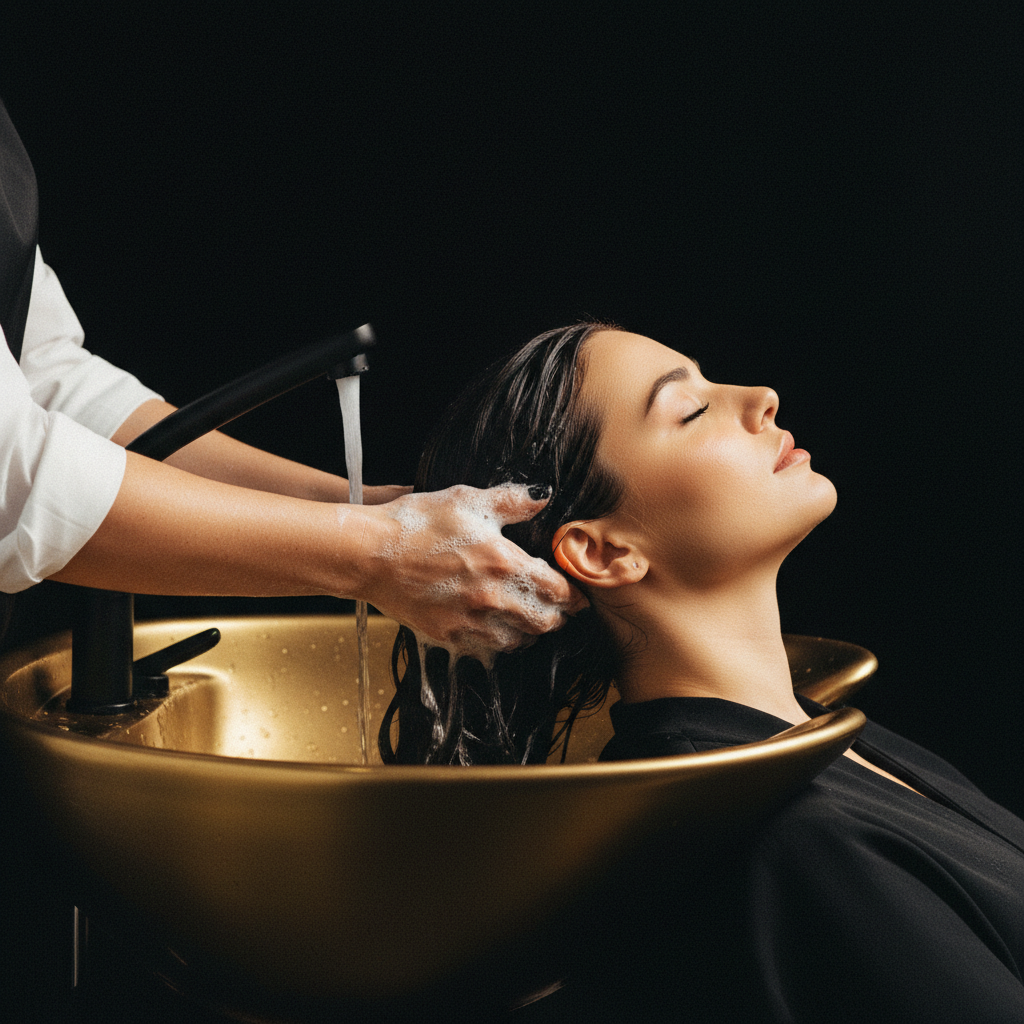
Quick answer: Learning how to wash your hair properly involves understanding your hair type, choosing suitable products, and applying gentle, effective techniques to cleanse both your scalp and hair fibres. This process aims to remove dirt, excess oil, and product build-up without stripping essential moisture or causing damage. However, "properly" can vary significantly based on individual needs and environmental factors.
Key takeaways
- Scalp health first: Effective hair washing primarily focuses on cleansing the scalp, as this is where oil and product build-up accumulate. The hair fibres benefit from the run-off.
- Match products to your hair: Select shampoos and conditioners specifically formulated for your hair type and concerns (e.g., oily, dry, fine, colour-treated, curly).
- Gentle technique is key: Use the pads of your fingertips to massage the scalp, and avoid aggressive scrubbing or hot water to minimise friction and damage.
- Rinse thoroughly: Insufficient rinsing can leave residue, leading to dullness or irritation. Rinse until the hair feels clean and free of product.
- Frequency is personal: The ideal washing frequency depends on individual scalp oil production, hair type, lifestyle, and environmental factors, not a universal rule.
How to Wash Your Hair Properly: what the evidence shows
Washing your hair is more than just a routine; it's a fundamental step in maintaining hair and scalp health. The primary goal of washing is to remove accumulated sebum (natural oils), dead skin cells, environmental pollutants, and styling product residue from the scalp and hair fibres. When carried out correctly, this process can prevent scalp issues, reduce fibre damage, and improve the overall appearance of your hair. Improper washing can lead to dryness, irritation, breakage, or dullness.
The role of shampoo and conditioner
Shampoos are designed to cleanse. They contain surfactants, which are molecules with a water-loving (hydrophilic) head and an oil-loving (lipophilic) tail. The lipophilic tail attaches to oil, dirt, and debris, while the hydrophilic head allows these substances to be rinsed away with water. The effectiveness of a shampoo depends on the type and concentration of surfactants, which also influence lather and gentleness. For example, some shampoos are formulated to be more clarifying, while others are ultra-mild for sensitive scalps or frequent washing. You can learn more in "Choosing the Right Shampoo: A Comprehensive Guide to Hair Cleansing".
Conditioners, on the other hand, aim to replace lost moisture, smooth the hair cuticle, reduce static, and improve manageability. They typically contain cationic (positively charged) ingredients that bind to the slightly negatively charged hair surface, forming a protective film. This film helps to detangle hair, reduce friction, and impart shine. "The Science of Conditioners: How Hair Care Formulations Work" offers a deeper dive into this topic.
Step-by-step: How to wash your hair properly
For optimal results and to minimise damage, consider these steps:
- Pre-wash detangling: Before wetting your hair, especially if it's long, thick, or prone to tangles, gently detangle it using a wide-tooth comb or a detangling brush. Start from the ends and work your way up to the roots. This prevents knots from tightening when wet, which can lead to breakage during washing. For very curly or coily hair, light detangling with a conditioner applied to dry hair before shampooing can be beneficial, as detailed in "How to Detangle Afro Hair Without Breakage: An Evidence-Based Guide".
- Wet thoroughly with lukewarm water: Ensure your hair is completely saturated before applying shampoo. Lukewarm water is best, as very hot water can strip the scalp of its natural oils, leading to dryness or increased oil production, and can open the hair cuticle excessively, making it more vulnerable to damage and colour fading.
- Apply shampoo to the scalp: Dispense a small amount of shampoo (the size of a 20p coin for short to medium hair, more for longer or thicker hair) into your palm and emulsify it slightly. Focus the shampoo primarily on your scalp, where oil, sweat, and product residue accumulate. There's no need to apply shampoo directly to the lengths of your hair; the lather will naturally cleanse them as you rinse.
- Massage the scalp gently: Using the pads of your fingertips (never your fingernails), gently massage your scalp in small, circular motions for at least 1 to 2 minutes. This action helps to lift dirt and stimulate blood flow to the hair follicles. Research suggests that regular scalp massage can positively influence hair thickness and tensile strength over time, likely due to increased blood flow to the dermal papilla. A study published in the Journal of Physical Therapy Science in 2016 reported increased hair thickness after 24 weeks of daily scalp massage.
- Rinse shampoo completely: Rinse your hair thoroughly with lukewarm water until all traces of shampoo are gone. Any residue can leave hair feeling heavy, dull, or even irritate the scalp. Continue rinsing until the hair feels clean and "squeaky" to the touch.
- Apply conditioner to mid-lengths and ends: After gently squeezing out excess water from your hair, apply conditioner from the mid-lengths to the ends. Avoid applying conditioner directly to the scalp unless it's a specific scalp treatment, as it can weigh down fine hair or contribute to oiliness. For "Fine Hair: A Complete Guide to Understanding and Care", this is particularly important.
- Detangle with conditioner (if needed): While the conditioner is in your hair, this can be an ideal time for further detangling using a wide-tooth comb or your fingers, as the conditioner provides "slip" to minimise breakage. Leave the conditioner on for the duration recommended by the manufacturer (typically 2 to 5 minutes) to allow the ingredients to work effectively.
- Rinse conditioner with cool water: Rinse thoroughly with cool or lukewarm water. A final rinse with cooler water can help to close the hair cuticles, which can enhance shine and reduce frizz by smoothing the outer layer of the hair shaft.
Post-wash care: drying your hair
How you dry your hair after washing is crucial for preventing damage.
- Towel drying: Gently blot or squeeze excess water from your hair with a soft microfibre towel. Avoid vigorous rubbing, which can rough up the hair cuticle, leading to frizz and breakage. Microfibre towels absorb water more efficiently and cause less friction than traditional cotton towels.
- Air drying: This is the gentlest method. If time allows, let your hair air dry completely or mostly before styling.
- Heat drying: If using a blow dryer, always apply a heat protectant spray beforehand. Use the lowest effective heat setting and keep the dryer moving constantly to prevent concentrating heat in one area. Aim to dry your hair to about 80% dry, then let it air dry the rest of the way or style as desired. For detailed guidance, see "Heat Styling Safety Best Practices".
Frequency of washing: a personalised approach
There isn't a universal rule for how often to wash your hair; it depends heavily on individual factors. The main indicator for washing is usually the sensation of an oily or dirty scalp.
Factors influencing washing frequency:
- Hair type and texture: Oily hair types may require more frequent washing (every 1 to 2 days) to manage sebum, while dry, thick, coarse, or coily hair types (such as those discussed in "How to Care for Afro Hair: An Evidence-Based Guide") often benefit from less frequent washing (every 3 to 7 days or even bi-weekly) to retain moisture. Fine hair can also appear oily quickly.
- Scalp oil production (sebum): Individual sebaceous gland activity varies. High sebum production necessitates more frequent washing to prevent greasiness and potential scalp issues. "Sebum Regulation: Understanding and Managing Scalp Oiliness" explains this in more detail.
- Lifestyle: Active individuals who sweat frequently, or those exposed to pollutants or dirt, may need to wash more often.
- Product use: Regular use of styling products can lead to build-up, requiring more frequent cleansing.
- Environmental factors: Humidity, pollution, and climate can all influence how quickly hair feels dirty.
When the cause may be something else
If you consistently experience scalp irritation, excessive oiliness or dryness, or unexplained hair changes despite following a proper washing routine, the issue might stem from other factors.
- Scalp conditions: Conditions like seborrhoeic dermatitis (dandruff), psoriasis, or eczema require specific treatments beyond regular washing. For persistent flakes, refer to "Dandruff: Causes and Treatments Explained".
- Hard water: Water with high mineral content can leave residue on hair, making it feel dry, dull, or difficult to manage. This can necessitate clarifying washes or shower filters. See "Hard Water and Hair Damage: Understanding the Impact on Your Hair" for more information.
- Diet and hormones: Nutritional deficiencies or hormonal imbalances can affect scalp health and hair quality, impacting oil production or hair strength.
- Medication side effects: Certain medications can alter hair texture or scalp conditions.
Watermans and washing your hair properly
Watermans haircare products are formulated to support healthy hair growth and maintain optimal scalp conditions, complementing your proper washing routine. Our shampoos, like Watermans Grow Me® Shampoo, are designed to cleanse effectively without stripping essential moisture, using ingredients such as hydrolysed lupin protein and rosemary extract, which are recognised for their benefits to hair and scalp health. Paired with Watermans Grow Me® Conditioner, these products work together to detangle, moisturise, and leave hair feeling stronger and looking fuller. For those seeking enhanced scalp care, our range also includes formulations that support a balanced scalp environment, crucial for hair vitality.
Frequently asked questions about How to Wash Your Hair Properly
Is it better to wash hair with hot or cold water?
Lukewarm water is generally best for washing hair. Hot water can strip the scalp of natural oils and open the hair cuticle too much, potentially leading to dryness and frizz, and can also fade colour-treated hair more quickly. Cold water helps close the hair cuticle, which can add shine and reduce frizz, so a final rinse with cool water can be beneficial, but it's not ideal for the entire washing process.
How much shampoo should I use?
The amount of shampoo needed varies by hair length, thickness, and oiliness. A good guideline is a 20p coin-sized amount for short to medium hair. For longer or thicker hair, you might need slightly more, but always start with less. The focus should be on cleansing the scalp effectively, so ensure the shampoo is applied there, rather than aiming for excessive lather throughout the hair lengths.
How often should I clarify my hair?
Clarifying shampoos are designed to remove heavy build-up from styling products, hard water minerals, and excess sebum. The frequency depends on your lifestyle and hair needs, but generally once every 2 to 4 weeks is sufficient for most people. If you use a lot of styling products, live in a hard water area, or have an oily scalp, you might clarify more often. Always follow up with a good conditioner. See "How to Do a Clarifying Wash: A Guide to Deep Hair Cleansing" for more.
Can washing my hair every day cause hair loss?
Washing your hair every day does not inherently cause hair loss (alopecia) or increased hair shedding for most people, provided you are using gentle products and techniques. What you perceive as increased "hair loss" during daily washing is often normal hair shedding that has accumulated and is simply being removed during the wash. Aggressive scrubbing, very hot water, or harsh shampoos, however, can lead to hair breakage or scalp irritation, which might mimic thinning.
Why does my hair still feel oily after washing it properly?
If your hair still feels oily after washing, several factors could be at play. You might not be rinsing thoroughly enough, leaving shampoo or conditioner residue behind. Your shampoo might not be strong enough for your scalp's oil production, or you could be over-stimulating oil glands with overly hot water or vigorous scrubbing. It's also possible that your scalp is overcompensating for being stripped of its natural oils, producing more sebum. Consider a clarifying wash or re-evaluating your shampoo choice. More information can be found in "Oily Scalp Care: Understanding and Managing Excess Sebum".
Understanding how to wash your hair properly
Mastering how to wash your hair properly is a cornerstone of effective hair care. It goes beyond simply applying shampoo and rinsing, encompassing a mindful approach to product selection, technique, and post-wash care. By understanding your hair and scalp's unique needs and adhering to evidence-based practices, you can protect your hair from damage, maintain a healthy scalp environment, and enhance its natural beauty. This foundational knowledge empowers you to make informed decisions that contribute to your overall hair health journey.
Sources and references
- American Academy of Dermatology Association, "Hair Care: How to Wash Hair", aad.org
- Draelos, Z. D. (2010). Hair Cosmetics: An Overview. Journal of Cosmetic Dermatology, 9(2), 164-172.
- Gavazzoni Dias, M. F. (2015). Hair Cosmetics: An Overview. International Journal of Trichology, 7(1), 2-15.
- Koyama, T., et al. (2016). Standardized Scalp Massage Results in Increased Hair Thickness by Inducing Stretching Forces to Dermal Papilla Cells in the Human Skin. Journal of Physical Therapy Science, 28(9), 2736-2739. pubmed.gov
- NHS, "Hair loss", nhs.uk
- The Cosmetic, Toiletry and Perfumery Association (CTPA), "Hair Washing Advice", ctpa.org.uk
Find these ingredients in Watermans products
- Rosemary Extract: you will find this ingredient in our Hair Growth Shampoo.