How to Protect Wet Hair: Evidence-Based Fibre Protection
10 min read ·
Discover how to protect wet hair from breakage and friction. Learn the science of hydrogen bonds, safe detangling, and proper drying to shield your strands.

Quick answer: Learning how to protect wet hair requires reducing mechanical tension, friction, and extreme heat while your hair fibre is saturated. When hair absorbs water, hydrogen bonds temporarily break, swelling the cortex and leaving the cuticle vulnerable to snapping and chipping. To shield delicate strands, gently squeeze out moisture using a microfibre towel, detangle with a wide-tooth comb starting from the ends, and apply protective leave-in slip before drying. However, topical care cannot repair severed disulphide bonds once deep breakage occurs.
Key takeaways
- Wet hair absorbs up to 30% of its dry weight in water, which temporarily weakens hydrogen bonds and halves its tensile strength.
- Aggressive towel rubbing lifts and chips the protective cuticle scales, resulting in permanent surface roughness and frizz.
- Hair fibres can stretch up to 30 to 50% when wet before breaking, compared to roughly 15 to 20% when dry, making them prone to irreversible plastic deformation.
- Sleeping on saturated hair induces nocturnal friction, hygral fatigue, and microbial overgrowth on the scalp.
- A wide-tooth comb or flexible detangling brush paired with a conditioning slip provides the safest mechanical handling.
How to Protect Wet Hair: what the evidence shows
Understanding how to protect wet hair begins with examining hair biophysics. When dry, keratin proteins inside the hair shaft form a resilient, rigid matrix held together by permanent disulphide bonds, ionic salt bridges, and weak hydrogen bonds. Water disrupts these hydrogen bonds completely. Saturated hair swells in diameter by roughly 15 to 16%, and this swelling lifts the protective outer cuticle layers away from the shaft.
Published biomechanical research in the Journal of Cosmetic Science shows that while dry hair requires substantial force to rupture, wet hair loses roughly 30 to 50% of its initial elastic modulus. In simple terms, wet hair stretches much more easily under low tension, but it deforms permanently at lower thresholds. Pulling a stiff bristle brush through saturated tangles does not simply slide knots out. It stretches the cortex past its elastic recovery point, leading to shredded fibre ends, mid-shaft fractures, and long-term cuticle loss.
Proper protection revolves around minimising three physical forces: excessive stretching (tensile stress), surface scraping (friction), and prolonged water saturation (hygral stress).
The biological mechanism: why water changes hair fibre strength
Hair fibre consists of three key architectural zones: the protective outer cuticle, the heavy keratin cortex, and the central medulla. The cuticle is made of overlapping shingles coated in a thin layer of 18-methyleicosanoic acid (18-MEA), a natural lipid that repels water.
When hair undergoes repeated washing or chemical processing, this protective lipid barrier wears away, allowing water to enter the cortex freely. Once water penetrates:
- Hydrogen bond dissociation: Water molecules displace the hydrogen bonds linking neighbouring polypeptide chains in the keratin matrix. This transforms the cortex from a firm structure into an elastic, deformable gel.
- Radial swelling: The hair shaft expands outwards. Because the cuticle scales are anchored to the cortex, this swelling forces the cuticle shingles to lift upward at their edges.
- Frictional increase: With raised cuticle edges, neighbouring strands catch against each other. The coefficient of friction between wet fibres is significantly higher than between dry fibres, meaning any comb or towel meets far greater resistance.
If wet hair is pulled repeatedly, the cortex undergoes plastic deformation. It stretches out, thins, and snaps, leaving frayed "brush ends" that split further up the shaft over time.
Signs of wet hair damage to watch for
Physical damage that occurs while hair is wet often goes unnoticed until the hair dries. Knowing what to look for helps you identify whether your current wash routine is causing structural breakage:
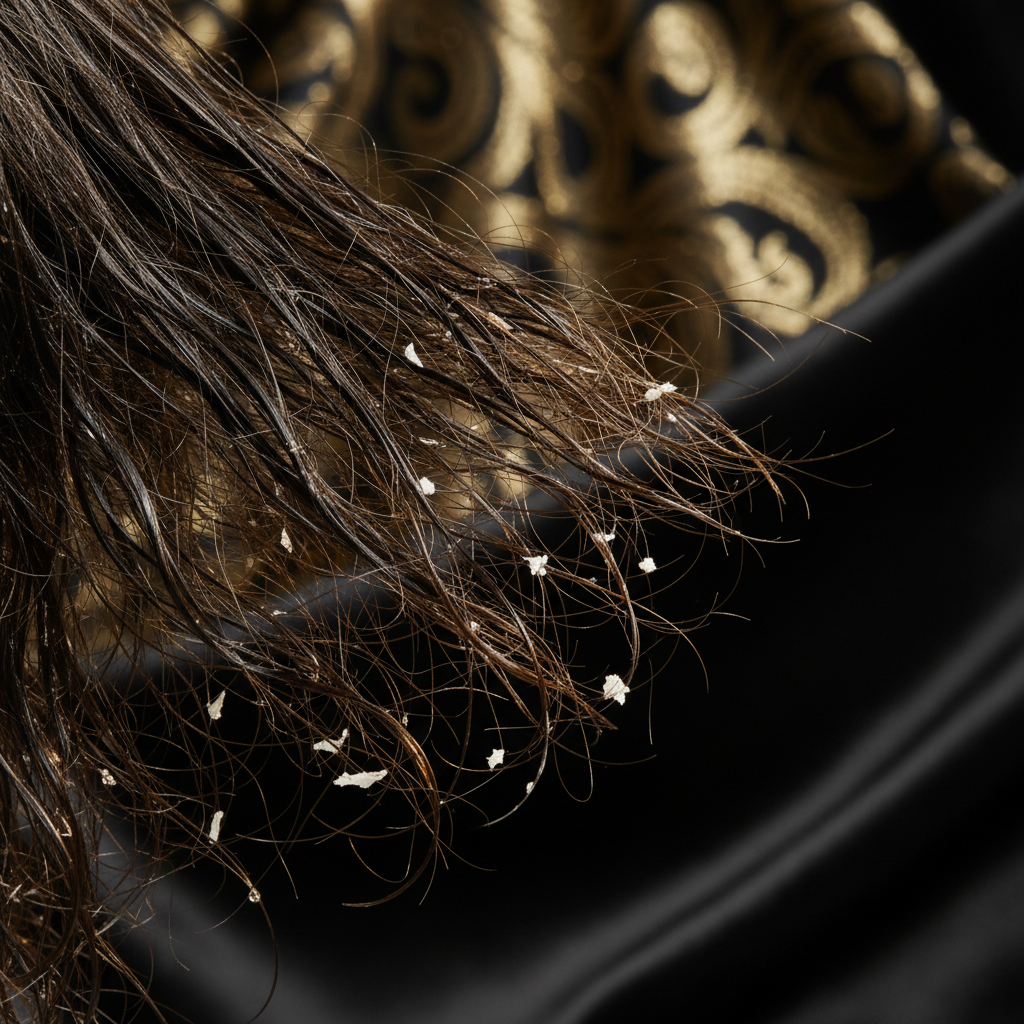
- Elastic snapping sounds: A faint popping sound when you comb or brush out your hair after a shower indicates fibres reaching their ultimate tensile breaking point.
- Excess short fragments in the sink: If you notice hair fragments measuring 1 to 5 cm without a white bulb at the root, you are experiencing mechanical breakage rather than natural hair shedding.
- Velcro-like knotting: Hair ends that cling together and create immediate re-tangling during drying indicate shredded cuticle shingles that hook onto adjacent strands.
- A gummy, mushy texture: Hair that feels excessively spongy, stretchy, or limp while thoroughly wet has suffered severe internal cortical breakdown, often exacerbated by chemical bleaching and poor wet-handling practices.
Practical steps: how to protect wet hair every day
Shielding saturated hair requires changes to mechanical handling, drying methods, and product application.
1. Remove excess water without friction
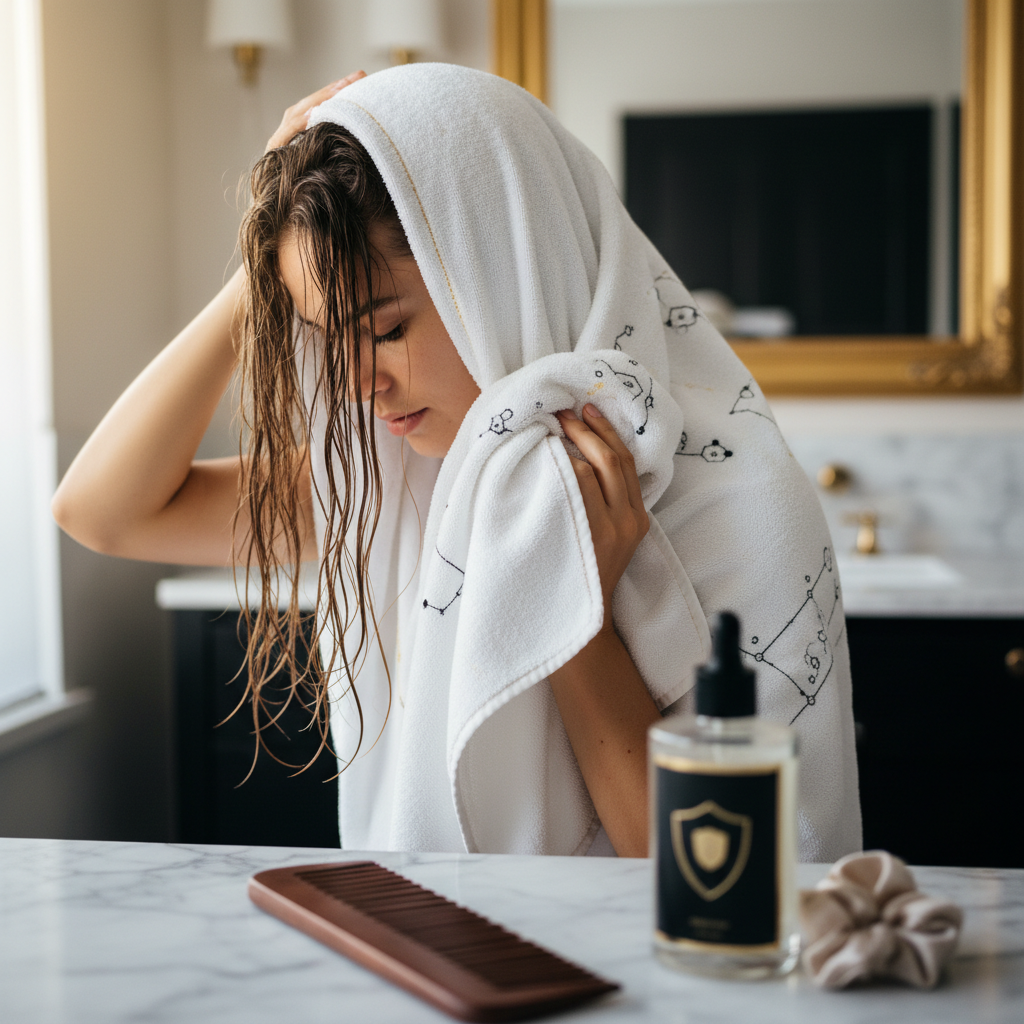
Ditch standard terrycloth bath towels. The looped cotton threads catch raised cuticle scales like tiny hooks. Instead, wrap hair in a smooth microfibre towel or a clean cotton T-shirt. Gently squeeze the fabric against your hair in sections to press water out. Never rub, twist violently, or wring your hair like a washcloth.
2. Apply a protective barrier before styling
Conditioners and leave-in products deposit cationic surfactants, silicones, and fatty alcohols onto the fibre. These ingredients coat lifted cuticles, reducing surface friction by up to 60%. Always apply your leave-in conditioner, detangling spray, or lightweight oil while hair is damp before introducing any comb or tool.
3. Detangle strictly from ends to roots
Always use a wide-tooth seamless comb or a flexible detangling brush designed specifically for wet hair. Separate hair into manageable sections. Start gently at the very ends, removing lower knots first, and work your way up to the roots in gradual stages. This prevents small knots from compounding into dense, immovable tangles further down the shaft.
4. Manage heat safely
Never use high-heat flat irons or curling wands on wet or damp hair. When liquid water trapped inside the cortex is exposed to temperatures exceeding 100 degrees Celsius, it turns to steam almost instantly. This rapid expansion creates permanent structural voids known clinically as bubble hair, destroying the fibre integrity. If using a blow dryer, dry on low to medium heat, keep the nozzle at least 15 cm away from the scalp, and use continuous motion.
5. Never sleep on wet hair
Leaving hair wet for extended hours under the weight of your head creates prolonged hygral fatigue, where the cortex swells and contracts repeatedly. The nocturnal friction against cotton pillowcases shreds lifted cuticles. Furthermore, the warm, dark, damp microclimate on your pillow promotes the overgrowth of Malassezia yeasts, triggering dandruff, seborrhoeic dermatitis, and scalp irritation.
| Method / Action | Impact on Wet Cuticle | Risk Level for Breakage | Best Practice |
|---|---|---|---|
| Vigorous Terrycloth Rubbing | High mechanical friction; chips cuticle edges | Very High | Replace with microfibre towel pressing |
| Fine-Tooth Plastic Comb | Concentrates tensile pull on single fibres | Very High | Switch to wide-tooth, seamless combs |
| Direct High Blow-Drying | Rapid thermal moisture loss, cuticle blistering | Moderate to High | Use medium heat with a directional nozzle |
| Leave-In Slip Application | Temporarily smooths cuticle; lowers friction | Very Low | Apply evenly to damp mid-lengths and ends |
| Sleeping on Damp Strands | Extended hygral fatigue; pillowcase abrasion | High | Dry hair at least 85 to 90% before bed |
What the evidence does not show
There are several persistent myths regarding hair washing and drying that controlled scientific trials do not support:
- Myth: Air-drying is always healthier than blow-drying. An often-cited 2011 study published in the Annals of Dermatology demonstrated that leaving hair wet to air-dry naturally for hours causes prolonged swelling of the cell membrane complex (CMC). Controlled, low-temperature blow-drying at a distance of 15 cm caused less internal membrane damage than prolonged air-drying, despite minor surface cuticle effects.
- Myth: Cold water rinses close the cuticle completely. Cuticle scales do not contain nerve endings or muscles and cannot open or close voluntarily like pores. While cool water can help maintain surface shine by preventing thermal expansion, it cannot counteract the mechanical swelling driven by water absorption.
- Myth: Natural oils fully waterproof hair instantly. Applying pure plant oils before washing slows water ingress slightly, but it does not make hair immune to hydrogen bond disruption or cuticle lifting once submerged.
When breakage indicates a deeper issue
If your hair snaps relentlessly despite gentle wet handling, the underlying cause may lie elsewhere:
- Chemical overprocessing: High-volume bleaching, chemical relaxers, or repeated permanent waves destroy the disulphide backbone. Once compromised, even the gentlest touch can cause breakage.
- Nutritional deficiencies: Chronic shortages of dietary protein, iron (ferritin), zinc, or essential fatty acids disrupt the anagen (growth) phase, resulting in fine, structurally weak fibres produced by the follicle.
- Systemic health conditions: Thyroid disorders (hypothyroidism and hyperthyroidism) alter keratin production, creating brittle shafts prone to rapid degradation.
If you notice sudden diffuse thinning, bald patches, scalp redness, or intense shedding where hairs show intact white bulbs at the base, speak to a GP, dermatologist, or qualified trichologist. These symptoms indicate follicular shedding or alopecia, which require medical assessment rather than simple cosmetic adjustments.
Supporting your wash routine with Watermans
When addressing overall hair vitality, product formulation makes a measurable difference to how strands respond during and after washing. Watermans incorporates nutrient-dense, naturally derived ingredients into everyday routines. Watermans GrowMe Shampoo and ConditionMe Conditioner deliver biotin, rosemary extract, caffeine, and hydrolysed lupin protein to support a balanced scalp environment and coat each hair shaft. Using ConditionMe on saturated strands provides the slip and emollient barrier necessary to detangle safely, guarding the delicate cuticle layer against mechanical stress while hair is at its most vulnerable.
Frequently asked questions about How to Protect Wet Hair
Can I brush my hair while it is wet?
You can brush wet hair only if you use a tool specifically engineered for it, such as a brush with highly flexible bristles or a wide-tooth comb. Standard paddle or boar bristle brushes create too much drag. Always apply a detangling conditioner or leave-in spray first to provide slip, and work slowly from the ends upward to avoid overstretching the fibres.
Why is learning how to protect wet hair so important for fine hair?
Fine hair has a smaller diameter and often lacks a central medulla, meaning it contains fewer keratin chains in its cortex. When water disrupts its internal hydrogen bonds, fine hair loses its structural stiffness quickly. Without careful handling, fine hair reaches its plastic deformation threshold under minimal tension, leading to widespread split ends and snap-breakage.
Is it better to comb hair wet or dry?
It depends on your hair type. Straight and wavy hair is strongest when dry, so detangling before washing or after hair is fully dry usually results in less breakage. Conversely, tightly curled, coily, and afro-textured hair should never be combed dry, as this causes severe friction and breaks curl clumps. Curly textures must be detangled while wet and saturated with conditioner.
Does wrapping hair in a turban cause breakage?
Wrapping hair tightly in a heavy towel creates downward traction on the frontal hairline and twists delicate, saturated shafts. If you use a hair turban, choose one made of lightweight microfibre or bamboo, and secure it loosely without twisting or wringing the hair tightly inside it.
Concluding thoughts on How to Protect Wet Hair
Mastering how to protect wet hair comes down to respecting the temporary physical vulnerability caused by water absorption. By replacing rough towel friction with gentle blotting, keeping high-heat styling tools away from damp strands, and ensuring adequate slip before detangling, you preserve your hair's outer cuticle defence. Consistent, gentle habits during and immediately after washing prevent preventable mechanical breakage, keeping your hair fibre resilient, smooth, and visibly healthy.
Sources and references
- Annals of Dermatology: Hair Shaft Damage from Heat and Drying Practices, 2011.
- Journal of Cosmetic Science: Tensile properties of human hair in wet and dry states, Robbins, C. R., 2002.
- International Journal of Trichology: Hair Cosmetics: An Overview, Gavazzoni Dias, M. F., 2015.
- British Association of Dermatologists: Hair breakage and structural hair shaft disorders, Clinical Guidelines.
Find these ingredients in Watermans products
- Biotin: you will find this ingredient in our Hair Growth Shampoo.
- Zinc: you will find this ingredient in our Hair Vitamins.