How Sebum Oxidation Affects the Scalp: The Complete Guide
9 min read ·
Discover how sebum oxidation affects the scalp, causing irritation, flaking, and odour, and explore evidence-based strategies to restore long-term barrier health.
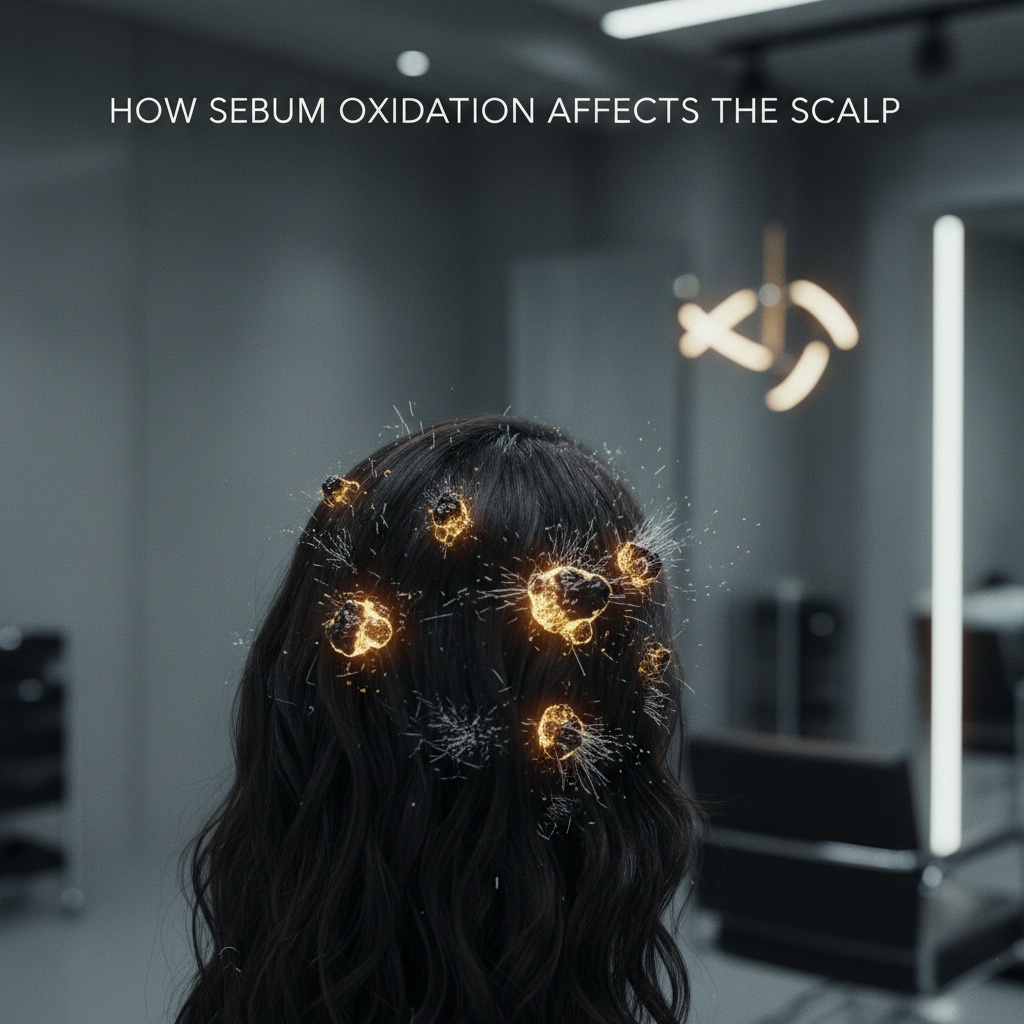
Quick answer: Understanding how sebum oxidation affects the scalp reveals why unwashed hair develops irritation, odour, and flaking. Sebum is naturally protective, but exposure to ultraviolet radiation, atmospheric pollution, and resident microbes degrades its squalene and unsaturated fatty acids into rancid lipid peroxides. These by-products trigger subclinical micro-inflammation, disrupt the epidermal skin barrier, and worsen conditions like seborrhoeic dermatitis. However, sebum oxidation does not directly cause genetic pattern baldness, though the resulting inflammation can compound chronic shedding.
Key takeaways
- Natural scalp sebum contains high levels of squalene, a lipid unusually vulnerable to oxidative breakdown from sunlight and airborne pollutants.
- Oxidised lipids, particularly squalene monohydroperoxide, trigger inflammatory cytokines that compromise the epidermal barrier and cause scalp itching.
- Malassezia yeasts thrive in lipid-rich environments, releasing lipase enzymes that break triglycerides down into irritating free fatty acids.
- Oxidation creates volatile short-chain aldehydes and ketones, which produce the characteristic stale, sour odour of an unwashed scalp.
- Regular, balanced cleansing paired with topical antioxidants mitigates lipid peroxidation without drying the stratum corneum.
How Sebum Oxidation Affects the Scalp: what the evidence shows
Understanding how sebum oxidation affects the scalp starts with the unique chemistry of human sebum. Sebaceous glands produce a lipid mixture consisting of approximately 57% triglycerides and free fatty acids, 26% wax esters, 12% squalene, and around 1% to 2% cholesterol. Squalene is a polyunsaturated hydrocarbon with six double bonds. Because of these double bonds, squalene acts as an environmental sponge, readily sacrificing itself to absorb oxidative stress from ultraviolet (UV) rays, ozone, and particulate matter.
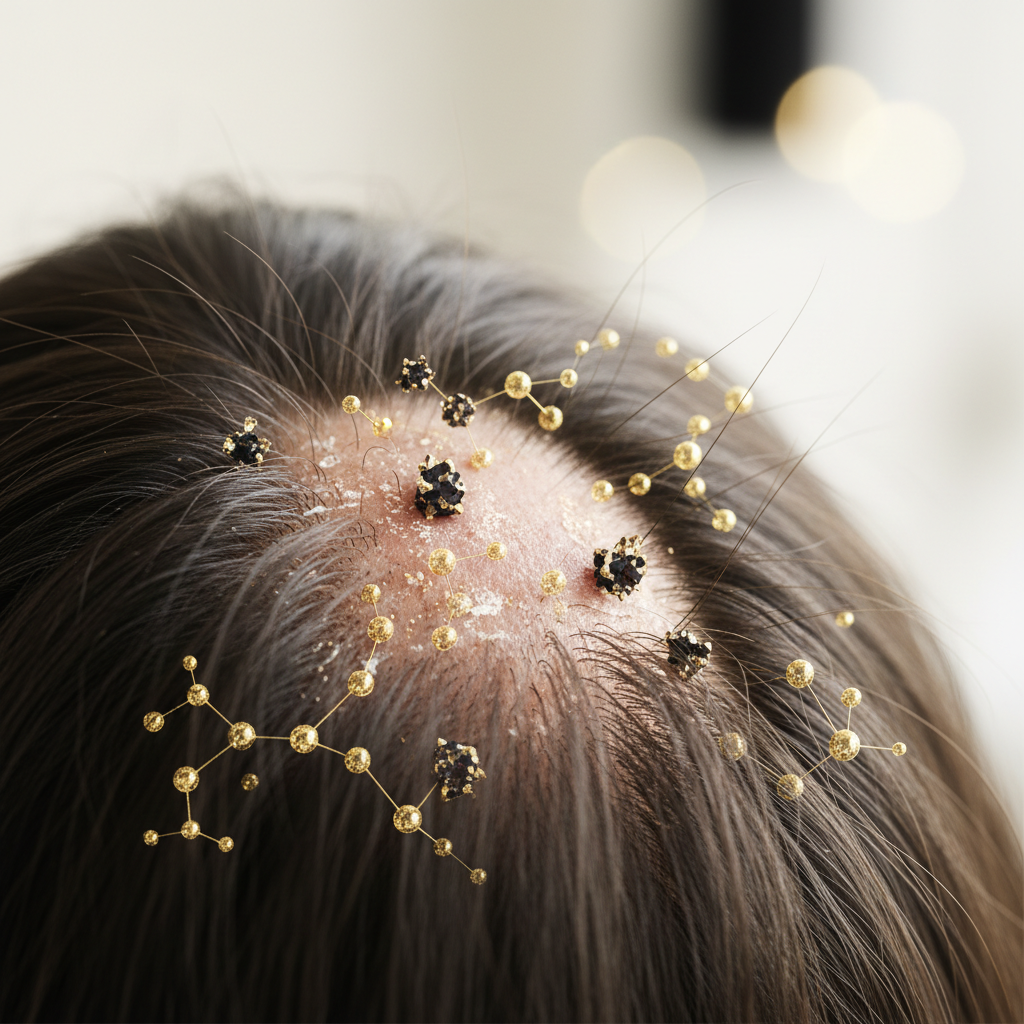
When squalene and unsaturated fatty acids react with reactive oxygen species (ROS), they transform into lipid peroxides, most notably squalene monohydroperoxide (Sq-OOH). Research published in dermatological literature demonstrates that Sq-OOH is not a passive residue. It is a potent biological irritant. When Sq-OOH accumulates on the scalp surface, it penetrates the stratum corneum, the skin's outermost barrier.
Once inside the barrier, oxidised lipids stimulate keratinocytes to release inflammatory cytokines, such as interleukin-1 alpha (IL-1α) and interleukin-6 (IL-6). This subclinical micro-inflammation manifests as burning sensations, persistent pruritus (itching), erythema (redness), and impaired barrier function. The scalp skin loses water faster through elevated transepidermal water loss (TEWL), resulting in a tight, uncomfortable sensation even while an oily film covers the surface.
The biochemical mechanism: from fresh sebum to scalp irritation
The pathway from fresh sebum to oxidative distress involves three distinct stages: secretion, microbial digestion, and environmental peroxidation.
Fresh Sebum Secretion
 │
 ├─► Malassezia Lipases ──► Oleic & Free Fatty Acids ──► Skin Barrier Disruption
 │
 └─► UV / Ozone Exposure ─► Squalene Peroxidation ───► Cytokine Release & Itch
- Microbial lipolysis: The human scalp hosts billions of micro-organisms, predominantly Malassezia yeasts (Malassezia globosa and Malassezia restricta). These yeasts lack the ability to synthesise their own fatty acids. They consume sebum triglycerides, using lipase enzymes to split them into glycerol and free fatty acids. They consume the saturated fatty acids they need and leave behind unsaturated free fatty acids, primarily oleic acid.
- Lipid peroxidation: Simultaneously, airborne pollutants (such as nitrogen dioxide and ozone) and solar radiation strike the scalp. Squalene oxidises rapidly, forming squalene hydroperoxides. The left-behind unsaturated fatty acids also oxidise into cytotoxic lipid radicals.
- Barrier damage and hyperkeratinisation: These degraded lipid compounds disrupt the cellular cohesion of the stratum corneum. In response to the persistent low-grade chemical irritation, the scalp accelerates skin cell turnover. Immature keratinocytes clump together and shed prematurely, creating visible greasy flakes (dandruff and seborrhoeic dermatitis).
- Malodour generation: Fresh sebum is largely odourless. The stale, sour smell associated with greasy hair arises when oxidised squalene and unsaturated fatty acids degrade into volatile secondary products, including short-chain aldehydes (such as nonenal and hexanal) and low-molecular-weight ketones.
What the evidence does not show
It is vital to separate verified dermatological impacts from cosmetic mythology.
- Sebum oxidation does not cause androgenetic alopecia: Genetic hair loss (pattern baldness) is driven primarily by dihydrotestosterone (DHT) binding to androgen receptors in genetically susceptible hair follicles. While oxidised sebum creates perifollicular micro-inflammation that can exacerbate shedding or shorten the anagen (growth) phase, it does not rewrite follicular genetics.
- Oxidation cannot "clog" follicles permanently: Sebum oxidises on the surface and within the infundibulum (the upper part of the hair canal). It forms waxy plugs, but it does not physically crush or suffocate a follicle into permanent death.
- Extreme cleansing does not cure oxidation: Stripping every trace of oil with aggressive, high-pH detergents causes rebound dryness, increases skin permeability, and prompts sebaceous glands to maintain high output.
Signs of oxidised sebum on your scalp
Recognising lipid oxidation early helps you distinguish between basic surface oil and inflammatory sebum degradation.
| Diagnostic Marker | Fresh, Healthy Sebum | Oxidised Scalp Sebum |
|---|---|---|
| Aroma | Neutral to faintly warm | Stale, sour, metallic, or pungent |
| Scalp sensation | Comfortable, supple, pliable | Itchy, stinging, tender to the touch |
| Visible presentation | Light sheen along the roots | Yellowish film, greasy clumping, erythema |
| Flake consistency | None, or occasional microscopic dust | Sticky, yellowish, adhesive scales |
| Barrier status | Balanced moisture, low TEWL | Dehydrated skin beneath an oily layer |
| Follicular visual | Clear follicular openings | Keratotic plugs, perifollicular redness |
How to manage and prevent sebum oxidation
Managing lipid oxidation requires a strategy that cleanses degraded fats without damaging the underlying skin barrier.
1. Consistent, pH-appropriate cleansing
Wash your hair frequently enough to prevent sebum from residing on the scalp long enough to undergo advanced peroxidation. For oily or active individuals, this often means washing every 24 to 48 hours. Use a shampoo formulated around pH 5.0 to 5.5, which matches the scalp's natural acid mantle. Acidic formulations keep the cuticle flat and inhibit excess microbial proliferation without degrading protective skin ceramides.
2. Incorporate targeted active ingredients
Look for ingredients that address both the microbial and chemical aspects of oxidation:
- Salicylic acid (0.5% to 2%): A lipid-soluble beta-hydroxy acid that penetrates into the sebum within the infundibulum, dissolving hardened oxidised plugs.
- Niacinamide (Vitamin B3): Helps regulate sebum production rates and reinforces the stratum corneum barrier against inflammatory oxidative damage.
- Ketoconazole or Piroctone Olamine: Antifungal agents that suppress Malassezia populations, reducing the cleavage of triglycerides into irritating free fatty acids.
- Antioxidants (Tocopherol, Green Tea Extract): Topical antioxidants neutralise reactive oxygen species before squalene can degrade into squalene monohydroperoxide.
3. Protect the scalp from solar radiation
Because UV radiation is the primary catalyst for squalene peroxidation, wear hats during peak sun hours or apply broad-spectrum scalp and hair sun protection mists when exposed to intense UV rays.
Supporting scalp balance with Watermans
When managing an unbalanced scalp environment, product formulation matters. Watermans Grow Me Shampoo and Condition Me Conditioner are designed to support a balanced, healthy-looking scalp environment without resorting to aggressive stripping agents.
Formulated with biotin, rosemary extract, niacinamide, and caffeine, Watermans products help cleanse surface build-up and environmental residue, leaving the scalp refreshed and the hair feeling stronger. By helping to lift away degraded lipids and nourish the surface, they create an optimal cosmetic foundation for thicker-looking, resilient hair.
When the cause may be something else
If you experience stubborn scalp issues, oxidised sebum may only be part of the picture. Other conditions share similar symptoms:
- Contact dermatitis: An allergic reaction to hair dyes, fragrances, or preservatives produces intense itching and weeping, easily mistaken for severe seborrhoeic flaking.
- Scalp psoriasis: Produces thick, silvery, well-demarcated plaques rather than the greasy, yellowish scales of lipid oxidation.
- Folliculitis decalvans or Lichen planopilaris: Scarring alopecias that present with follicular pustules, severe tenderness, and progressive, irreversible patch hair loss.
When to get professional advice
Consult a GP, dermatologist, or qualified trichologist if:
- Your scalp presents with crusting, oozing, or persistent bleeding.
- Flaking and intense itching fail to improve after two to three weeks of using targeted anti-dandruff and clarifying regimens.
- You notice distinct patches of baldness, sudden widening of the parting, or severe hair shedding accompanied by scalp pain.
- Over-the-counter soothing products cause immediate burning or stinging, indicating a severely compromised epidermal barrier.
Frequently asked questions about How Sebum Oxidation Affects the Scalp
How Sebum Oxidation Affects the Scalp during exercise?
During intense exercise, sweat mixes with surface sebum, creating an emulsion that spreads lipids across the scalp. Increased body heat accelerates chemical oxidation reactions. If sweat and sebum sit on the skin post-workout, ambient air and bacteria quickly oxidise squalene, producing itching and odour. Rinsing or washing soon after heavy sweating minimises this risk.
Does oxidised sebum make hair fall out directly?
No, oxidised sebum does not directly detach the hair bulb or alter follicular genetics. However, the squalene hydroperoxides within oxidised sebum trigger inflammation and itching. Chronic scratching causes mechanical trauma that snaps hair fibres or dislodges telogen-phase hairs prematurely. The underlying micro-inflammation can also impair the follicle's immediate micro-environment, driving reactive shedding.
Can diet change how fast scalp sebum oxidises?
Diet affects the fatty acid profile of your sebum. Diets exceptionally high in refined carbohydrates and saturated fats can alter sebum volume and composition via insulin-mediated signalling. Conversely, diets rich in dietary antioxidants, such as vitamin E, polyphenols, and omega-3 fatty acids, help systemic antioxidant reserves, potentially offering modest cellular protection against lipid degradation.
Why does oxidised sebum smell bad?
Fresh sebum has minimal odour. When squalene and unsaturated fatty acids encounter oxygen and scalp microflora, they undergo oxidative cleavage. This chemical breakdown yields volatile organic compounds, specifically short-chain aldehydes (like nonenal) and ketones. These airborne molecules produce the stale, greasy, or sour odour associated with an unwashed scalp.
Summary of scalp lipid health
Understanding how sebum oxidation affects the scalp transforms how we approach daily hair hygiene. Rather than viewing natural oils merely as aesthetic inconveniences, science shows that degraded, oxidised lipids represent an active biochemical challenge to the epidermal barrier. By balancing the scalp micro-environment with regular cleansing, protecting the skin from oxidative catalysts like UV light, and using targeted topical antioxidants, you maintain a healthy barrier, eliminate odour, and support the foundation for resilient, vibrant hair.
Sources and references
- Saint-Léger, D., et al. (1986). "Role of squalene peroxides in the pathogenesis of acne and seborrheic dermatitis." British Journal of Dermatology, 114(5), 535-542.
- De Lacharrière, O., et al. (2007). "Sebum and scalp conditions: An overview of physiological roles and degradation products." Journal of Investigative Dermatology, 127(4), 856-863.
- Bickers, D. R., & Athar, M. (2006). "Oxidative Stress in the Pathogenesis of Skin Disease." Journal of Investigative Dermatology, 126(12), 2565-2575.
- Ro, B. I., & Dawson, T. L. (2005). "The role of sebaceous metabolism in the pathogenesis of dandruff and seborrheic dermatitis." Journal of Clinical and Investigative Dermatology, 10(6), 194-197.
- NHS. (2023). "Dandruff and seborrhoeic dermatitis: diagnosis and management." NHS Clinical Knowledge Summaries.
Find these ingredients in Watermans products
- Vitamin E: you will find this ingredient in our Hair Vitamins.
- Oleic Acid: you will find this ingredient in our Camellia & Black Castor Hair & Body Oil.
- Niacinamide: you will find this ingredient in our Hair Mask.