How Keratin Treatments Affect Hair Structure: Chemistry and Care
9 min read ·
Discover how keratin treatments affect hair structure, alter cuticular bonds, and impact tensile strength, alongside essential tips to avoid fibre breakage.
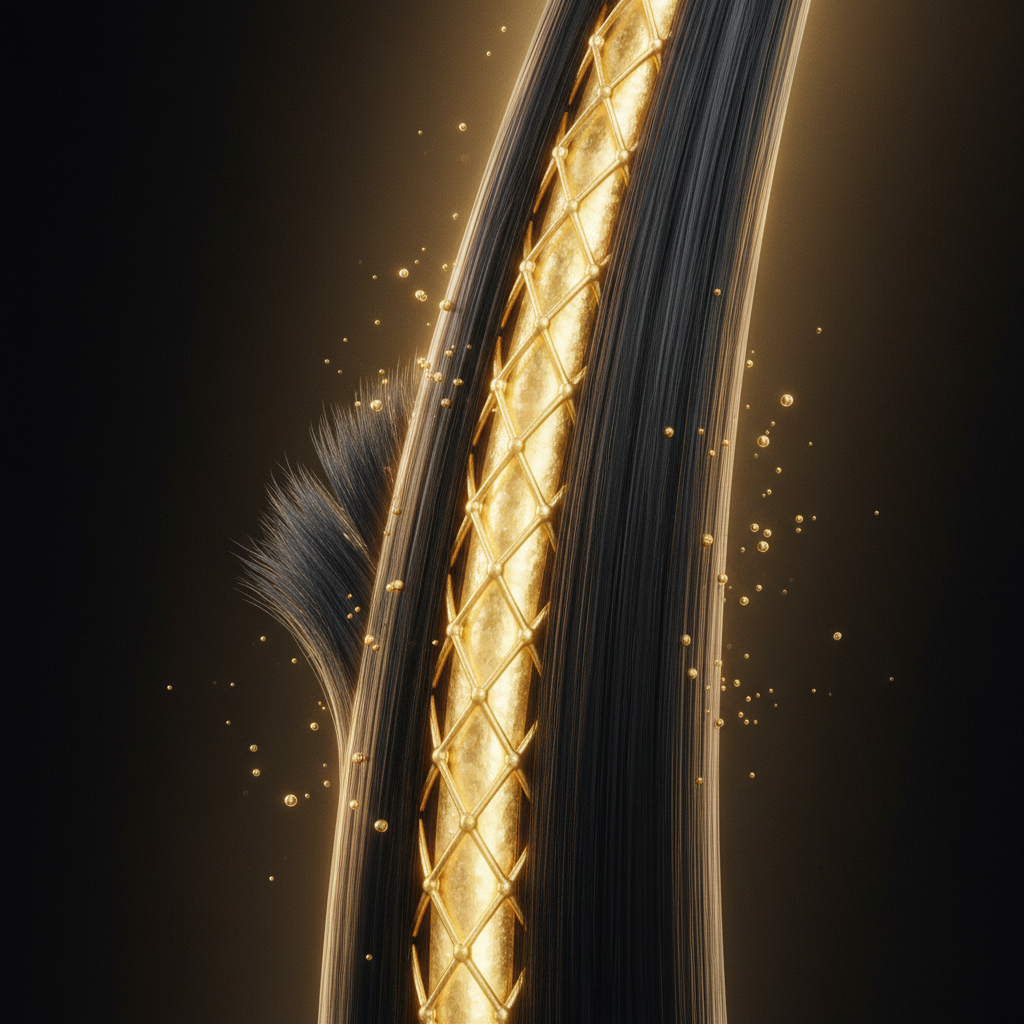
Quick answer: Understanding how keratin treatments affect hair structure reveals that these salon services do not permanently rebuild natural hair protein. Instead, they deposit hydrolysed keratin and conditioning polymers into the cuticle and cortex, which are then cross-linked around the fibre using high heat (often 200°C to 230°C) and aldehyde or glyoxylic acid chemistry. While this creates a smooth, hydrophobic protective shell, the chemical process and intense thermal styling can weaken internal disulfide bonds, making hair prone to fibre breakage if overused.
Key takeaways
- Keratin treatments do not replace the natural keratin lattice; they coat and cross-link synthetic or hydrolysed proteins onto and within the cuticle.
- The straightening effect relies on active cross-linkers (such as methylene glycol or glyoxylic acid) paired with high-temperature flat irons.
- The external film temporarily seals the cuticle, reducing porosity, blocking ambient humidity, and dramatically lowering frizz.
- Repeated exposure to high thermal styling can denature cortical proteins, leading to mechanical weakness and fibre breakage along the shaft.
- Keratin treatments alter the hair fibre externally and internally, but they do not cause medical hair loss or follicular shedding when applied correctly off the scalp.
How Keratin Treatments Affect Hair Structure: what the evidence shows
Scientific evaluation of how keratin treatments affect hair structure shows a two-part transformation involving chemical cross-linking and physical lamination. Hair is naturally composed of roughly 85% to 90% keratin, a fibrous protein rich in the amino acid cystine. Cystine forms covalent disulfide bonds that dictate whether a strand is straight, wavy, or coily.
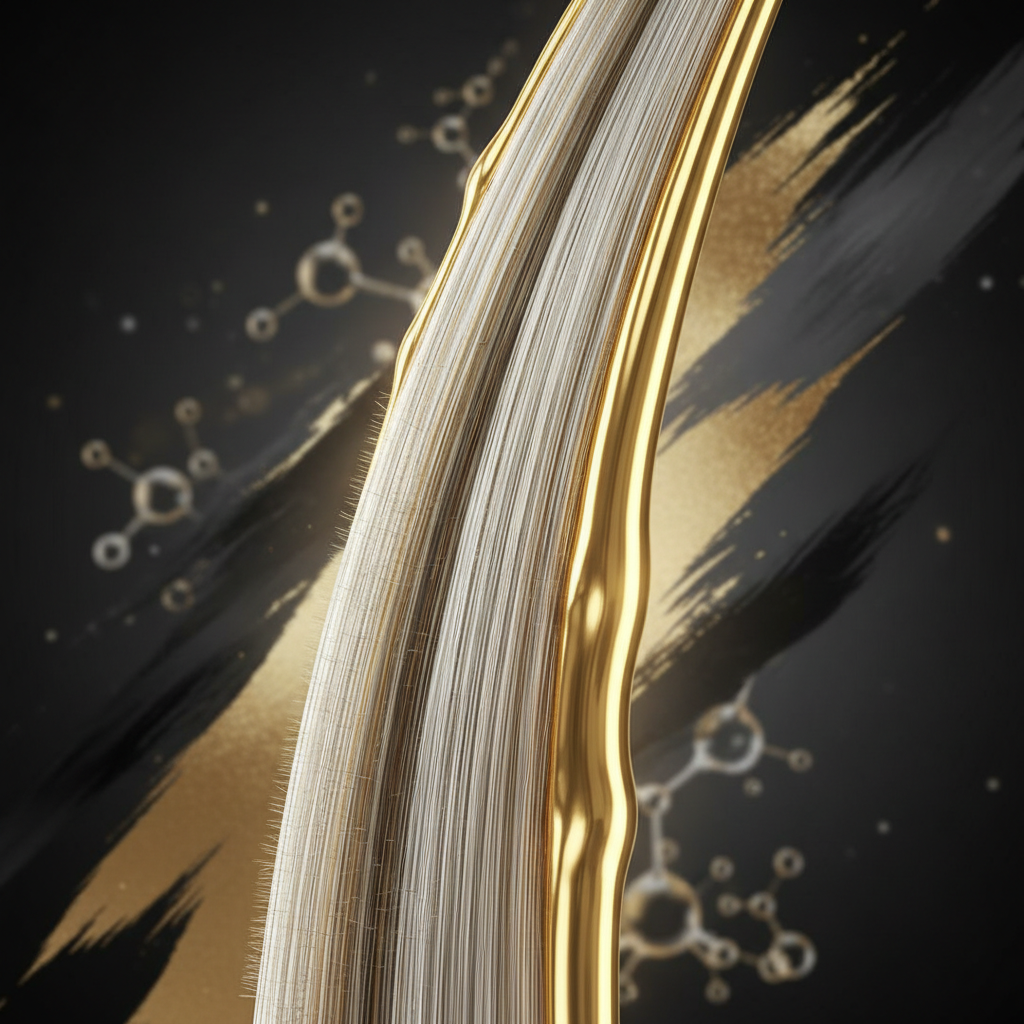
Traditional relaxers break these disulfide bonds permanently using high-pH alkaline chemicals like sodium hydroxide (pH 12 to 14). In contrast, modern semi-permanent smoothing systems work at an acidic pH (typically 1.5 to 2.5). They introduce hydrolysed keratin peptides, which are smaller protein fragments, alongside an active cross-linking agent.
When a flat iron heated to 200°C to 230°C is passed over the treated hair, several structural shifts happen:
- Cuticle compaction: The acidic solution and iron pressure force raised cuticle scales flat against the hair shaft.
- Polymer film deposition: The hydrolysed proteins and conditioning silicones form a hydrophobic shield over the epicuticle.
- Methylene or imine cross-linking: Active aldehydes (derived from formaldehyde or methylene glycol) or organic acids (like glyoxylic acid) react with the free amino groups (such as lysine) in the hair protein. This forms artificial bridges that hold the hair in a straightened, stretched conformation.
This process modifies the mechanical properties of the fibre. While the cross-linked outer layer temporarily boosts tensile strength and specular reflection (giving intense shine), research published in dermatology and cosmetic science journals indicates that internal keratin structures often suffer thermal damage.
The molecular mechanism inside the cuticle and cortex
To grasp how the hair shaft reacts, it helps to examine the three distinct layers of the hair fibre: the cuticle, the cortex, and the medulla.
+-------------------------------------------------------------+
| EPICUTICLE & CUTICLE |
| - Keratin treatment deposits a hydrophobic cross-linked |
| film over the imbricated scales. |
| - Surface friction decreases; cuticle scales lie flat. |
+-------------------------------------------------------------+
 |
 v
+-------------------------------------------------------------+
| CORTEX |
| - Acidic cross-linkers penetrate the outer cortical cells. |
| - High heat (200°C-230°C) disrupts hydrogen bonds and |
| partially denatures alpha-helix keratin bundles. |
| - Artificial bridges lock the fibre into an extended shape. |
+-------------------------------------------------------------+
 |
 v
+-------------------------------------------------------------+
| MEDULLA |
| - Mostly unaffected by topical cosmetic smoothing agents. |
+-------------------------------------------------------------+
When the cross-linking agent enters the cortex, it does not rebuild broken disulfide bonds. Instead, it creates supplementary inter-protein and intra-protein cross-links. At the same time, the extreme heat required to activate the formula temporarily softens the alpha-keratin helical structures in the cortex, allowing them to stretch and re-set in a straighter alignment.
Over 8 to 16 weeks, regular shampooing with surfactants gradually leaches this polymerised film from the hair. As the coating degrades, water can once again penetrate the cortex, returning the fibre to its natural curl pattern. However, the internal structural integrity is rarely identical to its pre-treated state due to heat-induced protein loss.
What the evidence does not show
There are several persistent misconceptions regarding keratin smoothing services:
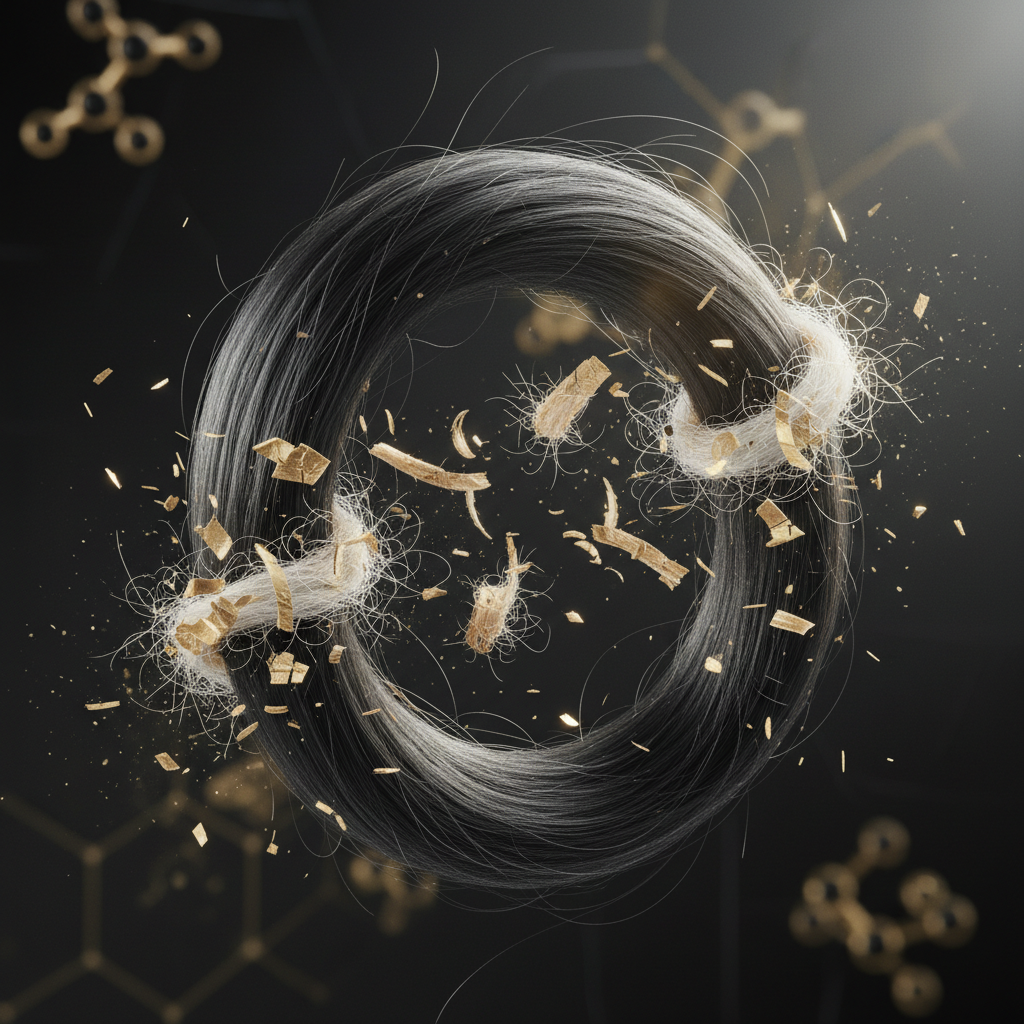
- They do not "nourish" or biologically repair hair: The hair shaft is non-living biological tissue. While marketing often frames keratin as a regenerative vitamin for hair, the treatment simply glues a protective layer around compromised strands. It cannot restore cleaved disulfide bonds.
- They do not treat hair loss or alter follicular growth: These products are strictly cosmetic shaft treatments. They have no impact on the dermal papilla, follicle cycling, or conditions like androgenetic alopecia or telogen effluvium.
- Formaldehyde-free does not mean heat-damage free: Many salon clients assume that glyoxylic acid formulas are completely harmless. While they avoid releasing free formaldehyde gas into the salon air, they still demand multiple passes of a 230°C flat iron. That thermal load can degrade keratin whether aldehydes are present or not.
Comparing hair alteration methods
To see where keratin treatments fit compared to other salon procedures, look at how different services interact with the fibre:
| Treatment Type | Primary Mechanism | pH Level | Effect on Disulfide Bonds | Longevity | Primary Risk |
|---|---|---|---|---|---|
| Keratin Smoothing | Acidic cross-linking & surface polymer film | 1.5 - 2.5 | Minimal breakage; supplementary cross-links formed | 2 to 4 months | Thermal protein denaturation & fibre breakage |
| Alkaline Relaxer | Cleaves cystine to form lanthionine | 12.0 - 14.0 | Permanently breaks up to 35% of disulfide bonds | Permanent (until regrowth) | Chemical shaft dissolution & scalp irritation |
| Japanese Thermal Reconditioning | Ammonium thioglycolate reduction + heat | 8.5 - 9.5 | Breaks disulfide bonds, restructures with heat | Permanent (until regrowth) | Severe brittleness if over-processed |
| Deep Conditioning Mask | Temporary adsorption of cationic lipids | 4.0 - 5.5 | None; coats the exterior cuticle temporarily | 1 to 3 washes | Product build-up |
Signs of structural distress after a treatment
While a freshly treated strand feels silky, watch for specific signs of hair fibre stress over the following weeks:
- Mid-shaft snapping: If hair breaks mid-strand when gently brushed, heat fatigue has compromised the cortex. This is mechanical breakage, not follicular shedding.
- Increased porosity once washed: After the outer coating wears off, the hair may feel unusually dry, sponge-like, or coarse when wet.
- Loss of natural curl elasticity: If you try to revert to your natural curls, you may notice limp, heat-stretched sections that refuse to bounce back.
- Split ends (trichoptilosis): Excessive flat iron passes can split the distal ends of the hair fibre.
When the cause may be something else
If you are noticing increased hair fall rather than snapped fibres, look beyond your smoothing service. You should clearly distinguish between hair breakage (snapping along the shaft) and hair shedding (the entire bulb leaving the follicle).
If full-length hairs with white bulbs at the base are accumulating on your pillow or in the shower drain, this points to telogen effluvium, hormonal imbalances, nutritional deficiencies (such as ferritin or vitamin D shortages), or thyroid disorders. Keratin treatments applied properly do not touch the scalp and do not cause shedding from the follicle. If you experience scalp burning, redness, or patches of sudden loss, consult a dermatologist or registered trichologist immediately.
Maintaining hair fibre integrity
If you choose to receive a smoothing service, you can take deliberate steps to safeguard your hair structure:
- Ask your stylist to calibrate heat: Fine, bleached, or previously highlighted hair should never encounter a flat iron set to 230°C. Request that the temperature be kept at or below 180°C to 190°C.
- Wash with balanced, gentle surfactants: Traditional high-sulfate clarifying shampoos strip the protective keratin polymer rapidly. Opt for gentle, sulfate-free cleansers that maintain an acidic pH (between 4.5 and 5.5) to keep the cuticle closed.
- Incorporate structural conditioning: Since high-heat treatments dry out the cortex, use deep-conditioning treatments rich in hydrolysed vegetable proteins, ceramides, and fatty acids every two weeks to preserve suppleness.
- Extend time between treatments: Allow the treatment to wash out naturally over 3 to 4 months. Re-applying cross-linking agents and intense heat too frequently causes cumulative cortical damage.
Supporting hair vitality with Watermans
When managing hair that has been altered by thermal styling or smoothing services, your daily routine matters. Watermans offers specialised haircare designed to support hair strength and promote a fuller-looking appearance without disrupting the cosmetic results of salon services.
Watermans GrowMe Shampoo delivers a nourishing blend of biotin, rosemary extract, caffeine, niacinamide, and argan oil. Formulated to be gentle on the scalp, it cleanses without the harsh stripping agents that prematurely dissolve smoothing treatments. Pairing it with Watermans ConditionMe Conditioner helps restore surface slip, replenish lost moisture, and reinforce fragile, heat-stressed ends. This combination helps reduce cosmetic breakage, leaving treated strands looking glossy, resilient, and visibly healthy.
Frequently asked questions about How Keratin Treatments Affect Hair Structure
Does a keratin treatment permanently change your hair structure?
No, a keratin treatment does not permanently change your internal genetic hair structure. Unlike chemical relaxers, it does not permanently restructure disulfide bonds. Instead, it coats the shaft with cross-linked hydrolysed proteins that gradually wash out over 8 to 16 weeks. However, the extreme heat applied during the process can cause permanent thermal alteration to the cortex, leaving previously treated sections with altered elasticity once the coating disappears.
How Keratin Treatments Affect Hair Structure when hair is already bleached?
Bleached hair already has higher porosity and a depleted protein matrix due to alkaline oxidation. Examining how keratin treatments affect hair structure on bleached strands reveals a heightened risk of fibre failure. The intense flat-iron heat needed to cross-link the product can melt fragile, porous cuticles and break cortical proteins, leading to widespread snapping along the shaft unless lower heat settings are used.
Can keratin treatments cause genuine hair loss?
Keratin treatments do not cause follicular hair loss or alopecia when applied correctly off the scalp. They affect only the physical hair shaft. However, aggressive tension and excessive flat-ironing can cause extensive hair breakage near the root, which is frequently mistaken for hair loss. If chemical solution touches the scalp, it may trigger contact dermatitis, which requires medical attention.
What is the difference between formaldehyde and glyoxylic acid formulas?
Formaldehyde-based (or methylene glycol) treatments form short methylene bridges between protein chains, creating very straight results with high heat resistance. Glyoxylic acid formulas use dicarboxylic acid chemistry to create temporary semi-permanent cross-links via imine bonds. Glyoxylic acid produces a softer, less aggressive straightening effect, but still requires high flat-iron temperatures to alter the fibre shape.
Summary
Gaining clarity on how keratin treatments affect hair structure allows you to weigh the visual benefits of glassy, frizz-free strands against the mechanical demands placed on the hair shaft. While the treatment creates an impressive moisture-resistant shield over the cuticle, the required thermal processing takes a toll on natural cortical proteins. By spacing treatments sensibly, maintaining heat discipline in the salon, and using restorative, sulfate-free maintenance products, you can enjoy smoother hair while protecting its underlying structural strength.
Sources and references
- American Academy of Dermatology (AAD). "Cosmetic treatments and hair breakage prevention." 2022.
- Gavazzoni Dias, M. F. "Hair cosmetics: an overview." International Journal of Trichology, 2015.
- Robbins, C. R. Chemical and Physical Behavior of Human Hair. 5th ed., Springer, 2012.
- US Food and Drug Administration (FDA). "Hair Smoothing Products Containing Formaldehyde: Safety Concerns." 2023.
Find these ingredients in Watermans products
- Biotin: you will find this ingredient in our Hair Growth Shampoo.
- Vitamin D: you will find this ingredient in our Hair Vitamins.