How Hair Conditioner Works: The Science Behind Smooth, Resilient Hair
8 min read ·
Discover how hair conditioner works using surface chemistry and electrostatic charges to smooth cuticles, eliminate static, and dramatically reduce hair breakage.
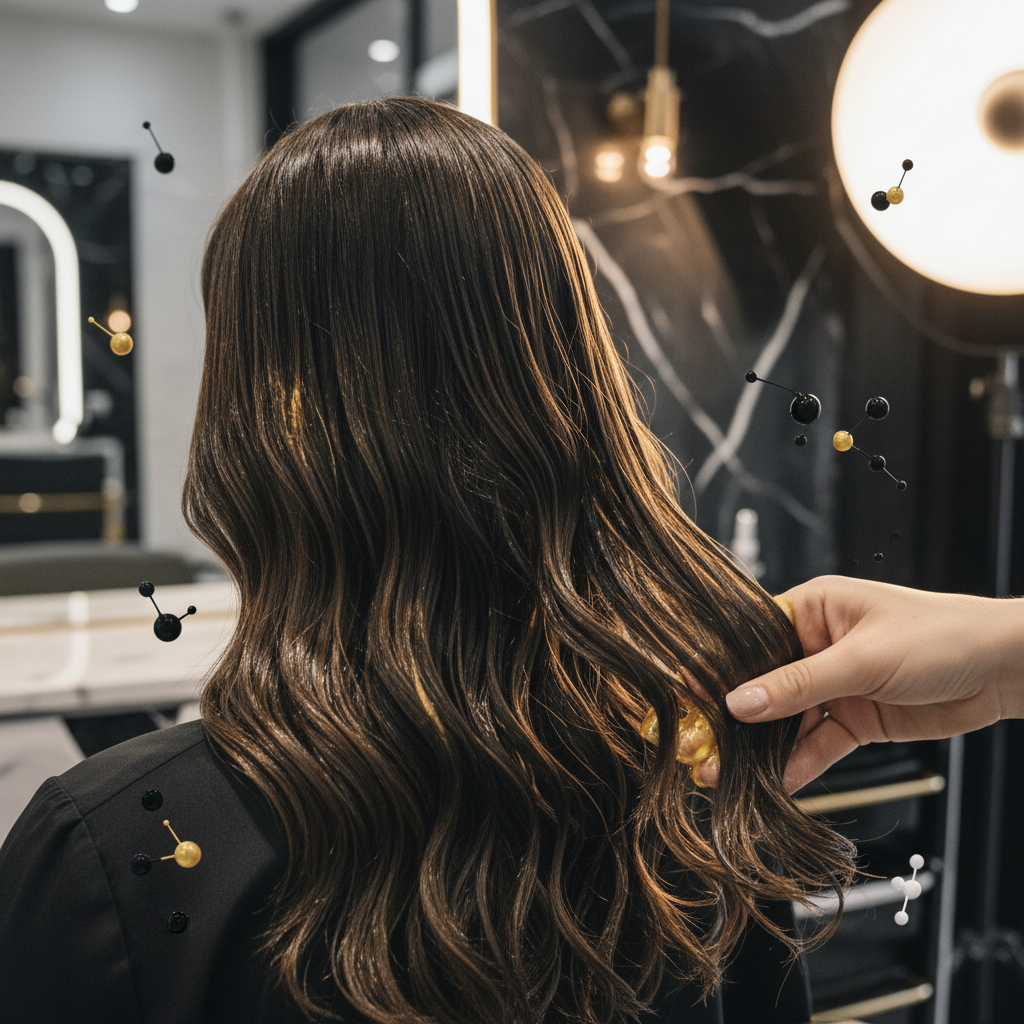
Quick answer: Understanding how hair conditioner works comes down to surface chemistry and electrostatic charges. Shampoo washes away dirt and natural sebum, leaving the hair fibre with a negative electrical charge and ruffled cuticles. Conditioners deposit positively charged cationic surfactants, fatty alcohols, and silicones onto the keratin shaft. This neutralises static, smooths raised cuticle scales, and dramatically reduces wet combing friction. However, conditioner is a cosmetic resurfacing treatment: it cannot permanently repair structural damage inside the cortex or reverse split ends.
Key takeaways
- Hair carries a natural negative electrical charge (the isoelectric point sits around pH 3.67), which increases when washed with water and anionic shampoos.
- Conditioners use positively charged (cationic) molecules that bind electrostatically to negatively charged damaged sites along the fibre.
- Cuticle smoothing lowers the coefficient of friction, reducing mechanical snapping and breakage during detangling by up to 50 percent.
- Fatty alcohols and emollients seal moisture temporarily, preventing rapid water absorption and swelling in humid environments.
- Conditioner works strictly on the hair shaft; it does not affect follicle biological activity or stop genetic hair thinning.
How hair conditioner works: what the evidence shows
The science behind how hair conditioner works relies on the simple rule that opposite electrical charges attract. Hair keratin is composed of amino acids. At everyday wash water pH levels (typically 6.0 to 8.0), hair sits well above its isoelectric point of roughly pH 3.67. This gives the surface of the hair shaft a net negative electrical charge. When hair is bleached, heat-damaged, or weathered, cysteic acid groups form, increasing this negative charge significantly.
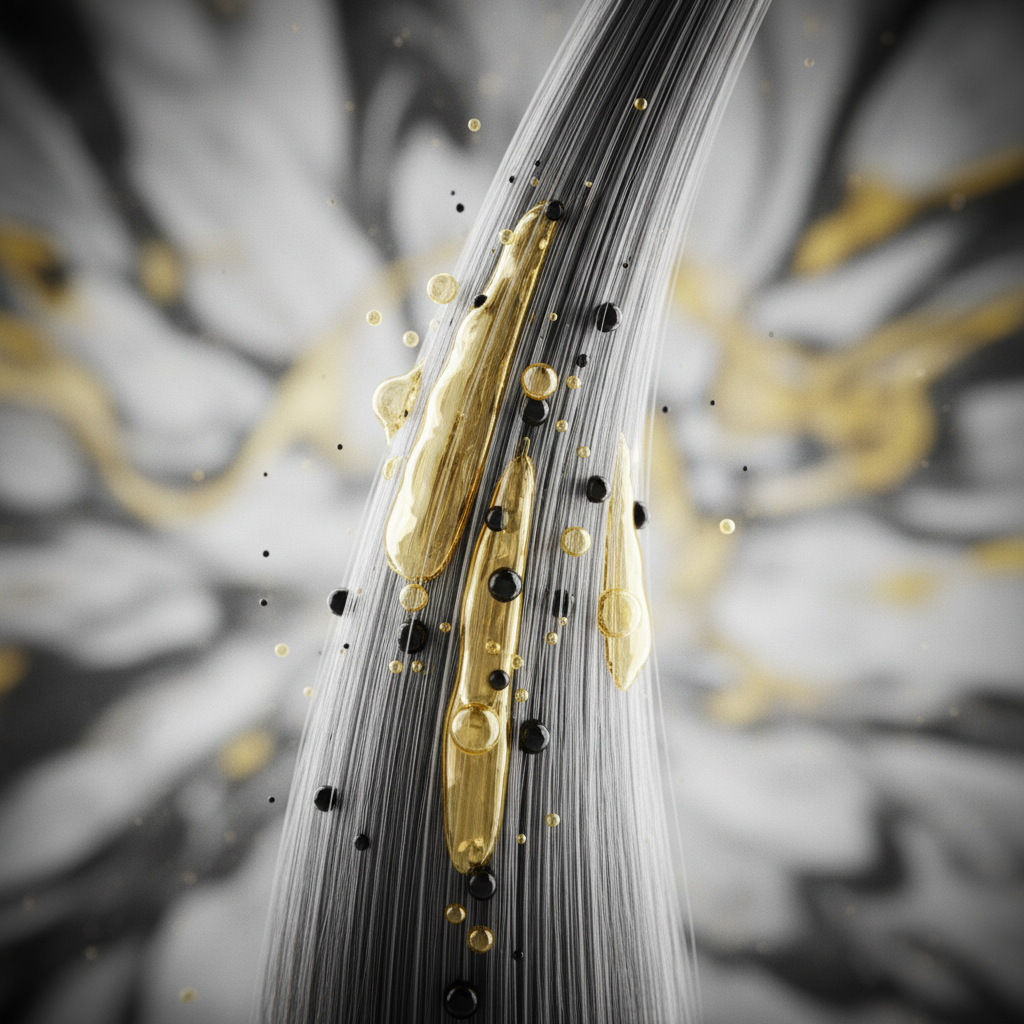
Shampooing removes sebum and environmental grime, but it also strips away 18-methyleicosanoic acid (18-MEA), the protective lipid layer naturally bound to the cuticle. This leaves cuticle scales flared, coarse, and prone to friction.
Hair conditioners are formulated at an acidic pH, usually between 3.5 and 5.0. They contain cationic surfactants (such as cetrimonium chloride or behentrimonium methosulfate). Because these molecules carry a strong positive charge, they adhere strongly to the negatively charged keratin surface. They form a thin, lubricating film that lays the cuticle tiles flat.
Once the cuticle is flattened:
- Inter-fibre friction drops sharply, making combing effortless.
- Light reflects evenly off the uniform surface, creating visible shine.
- Static flyaways vanish because free negative charges are neutralised.
The core mechanisms and key ingredients
Conditioner formulas rely on four distinct functional ingredient groups to alter the tactile and mechanical properties of the hair shaft.
1. Cationic surfactants and quaternary ammonium compounds
Ingredients like behentrimonium chloride and cetrimonium methosulfate act as the primary detanglers. Their hydrophobic (water-repelling) tails stick outward from the hair fibre, while their positively charged heads lock onto the negatively charged sites. This hydrophobic shield mimics the missing 18-MEA lipid layer.
2. Fatty alcohols
Cetyl, stearyl, and cetearyl alcohols are non-drying, wax-like compounds. They provide slip and give conditioners their thick, creamy consistency. They fill microscopic gaps between lifted cuticle scales, creating a smoother texture and helping hair retain flexibility.
3. Silicones and natural oils
Dimethicone, amodimethicone, and plant-derived oils (like argan or jojoba) form an occlusive or semi-occlusive layer over the fibre. Amodimethicone is particularly effective: it contains amine functional groups that carry positive charges, meaning it targets damaged, high-porosity areas selectively without excessive build-up on healthy sections.
4. Hydrolysed proteins and humectants
Low-molecular-weight hydrolysed wheat, soy, or keratin proteins (typically below 1,000 Daltons) can penetrate slightly beneath the cuticle into the outer cortex. They temporarily attract and bind water, improving fibre elasticity and resistance to mechanical stress.
| Ingredient category | Primary examples | Main function | Longevity on hair fibre |
|---|---|---|---|
| Cationic surfactants | Behentrimonium chloride, Cetrimonium bromide | Neutralise static, lower combing friction | 1 to 2 washes |
| Fatty alcohols | Cetyl alcohol, Stearyl alcohol, Cetearyl alcohol | Emollience, slip, cuticle cushioning | 1 wash |
| Silicones | Dimethicone, Amodimethicone | Gloss, humidity barrier, heat shielding | 1 to 3 washes |
| Hydrolysed proteins | Hydrolysed keratin, Hydrolysed silk | Modest cortex penetration, temporary tensile strength | 2 to 4 washes |
| Humectants | Glycerin, Panthenol (Pro-Vitamin B5) | Moisture attraction, pliability | 1 wash (rinses away easily) |
What the evidence does not show
There are several persistent myths about cosmetic hair treatments. Knowing what conditioner cannot do is just as important as knowing how hair conditioner works.
Conditioner does not repair broken bonds permanently
Hair is non-living tissue. Once the disulphide bonds inside the hair cortex snap due to bleaching, perming, or severe heat styling, a standard conditioner cannot re-link them. Conditioners glue cuticle scales down temporarily and fill microscopic cracks, but they wash away. They do not regenerate virgin hair.
Conditioner does not stop hair shedding
Hair shedding happens inside the scalp follicle, governed by genetics, hormonal changes, nutritional factors, and the natural biological hair growth cycle. Conditioner affects only the extruded, dead fibre. Applying heavy conditioners directly to the scalp will not resolve telogen effluvium or androgenetic alopecia, and may occasionally clog follicles if not rinsed thoroughly.
Conditioner cannot permanently seal split ends
While specialized polymers can glue split ends together until the next wash, no cosmetic product can fuse split hair fibres back into one permanent unit. The only lasting fix for trichoptilosis (split ends) is a mechanical trim.
Signs your hair needs conditioning versus structural intervention
It is essential to distinguish between surface roughness and deep structural failure:
- Surface dryness and friction: Hair feels rough, tangles easily when wet, and creates static flyaways. This responds well to regular rinse-out conditioners.
- High porosity and dullness: Hair absorbs water instantly, takes hours to dry, and looks matte. This requires rich conditioning masks with cationic polymers and oils to reduce porosity.
- True mechanical breakage: Short hair fragments snap off without a white root bulb when brushed. Conditioners lower detangling friction to stop snapping, but cannot rebuild internally shattered fibres.
- Excessive shedding: Full-length strands shedding with a small white bulb at the root indicate natural follicle cycling or systemic shedding, which conditioner neither causes nor cures.
Maximising the performance of your conditioner
To get the best performance out of your conditioner, technique matters as much as the formulation:
- Squeeze out excess water first: Saturated hair cannot absorb conditioning agents. Water creates a barrier that dilutes the active ingredients and causes them to slide down the drain. Gently press water out before applying.
- Focus mid-lengths to ends: The hair closest to the scalp is newly grown and naturally coated in sebum. The ends are older, weathered, and carry the highest negative charge, needing the most conditioning deposition.
- Use a wide-tooth comb: Distributing conditioner mechanically ensures every strand receives an even coating of cationic surfactants, reducing friction points during rinsing.
- Mind the rinse temperature: Lukewarm water is ideal. Scalding hot water can strip away the newly deposited lipid-like film, while freezing cold water does not miraculously close cuticles, despite popular salon myths.
Supporting hair condition: the Watermans approach
For individuals looking to protect their hair fibre from mechanical stress while maintaining scalp health, Watermans offers targeted formulations designed around physiological balance. Watermans Condition Me conditioner blends cholesterol, niacinamide, and hydrolysed lupin protein to deposit lightweight moisture directly where cuticles are frayed.
By avoiding heavy, occlusive build-up that can weigh down fine strands, it smooths the cuticle layer to cut combing breakage, helping you keep the length you grow without compromising volume.
Frequently asked questions about How Hair Conditioner Works
Does leaving conditioner on longer make it work better?
Standard rinse-out conditioners deposit the vast majority of their cationic surfactants and silicones within one to three minutes. Leaving a regular conditioner on for thirty minutes rarely adds extra benefit because the electrostatic bonding sites on the hair fibre saturate quickly. Deep conditioning treatments designed with slow-penetrating hydrolysed proteins are the exception, benefiting from ten to twenty minutes under gentle heat.
How hair conditioner works compared to a hair mask?
The fundamental science of how hair conditioner works matches that of a hair mask, but masks contain higher concentrations of fatty alcohols, heavy emollients, and conditioning polymers. While daily conditioners are formulated for light deposition to prevent weighing hair down, masks use higher viscosities and lower water content to deliver intense lipid replenishment to severely weathered fibres.
Can conditioner cause hair loss or thinning?
No. Conditioner does not cause follicular hair loss. If you notice loose hairs coming out in your hands while conditioning in the shower, those fibres had already detached from their follicles days earlier during the telogen (resting) phase. The slick, low-friction environment created by the conditioner simply allows detached hairs to slide out freely rather than remaining trapped in your hair.
Why does hair feel greasy if conditioner touches the scalp?
Your scalp produces its own conditioning agent: sebum. Because conditioners contain cationic surfactants and fatty alcohols engineered to cling to keratin, applying them directly to the scalp adds heavy lipids to skin that already produces oil. This coats the base of the hair fibre, causing roots to appear limp and greasy within hours.
Maintaining realistic expectations
Understanding how hair conditioner works allows you to tailor your routine to what cosmetic science can genuinely achieve. Conditioners are masterworks of surface chemistry, designed to neutralise static, smooth ruffled cuticles, and safeguard fragile hair strands against the daily friction of styling and brushing. While they cannot re-grow hair from the follicle or permanently repair structural splits, using the right conditioner consistently keeps the hair shaft supple, resilient, and manageable.
Sources and references
- American Academy of Dermatology Association. "Dermatologists' alternative hair care tips." aad.org.
- Robbins, C. R. (2012). Chemical and Physical Behavior of Human Hair. 5th ed. Springer-Verlag.
- Gavazzoni Dias, M. F. (2015). "Hair cosmetics: An overview." International Journal of Trichology, 7(1), 2-15.
- Evans, T., & Wickett, R. R. (2012). Practical Modern Hair Science. Allured Business Media.
- Cruz, C. F., et al. (2016). "Human hair: A review on structure and conditioning mechanisms." Cosmetics, 3(3), 26.
Find these ingredients in Watermans products
- Panthenol (Provitamin B5): you will find this ingredient in our Heat Protection Spray.