How to Cleanse Hair Correctly: The Definitive Scalp and Strand Guide
9 min read ·
Learn how to cleanse hair correctly with evidence-based techniques that protect the scalp barrier and prevent hair breakage from rough friction.
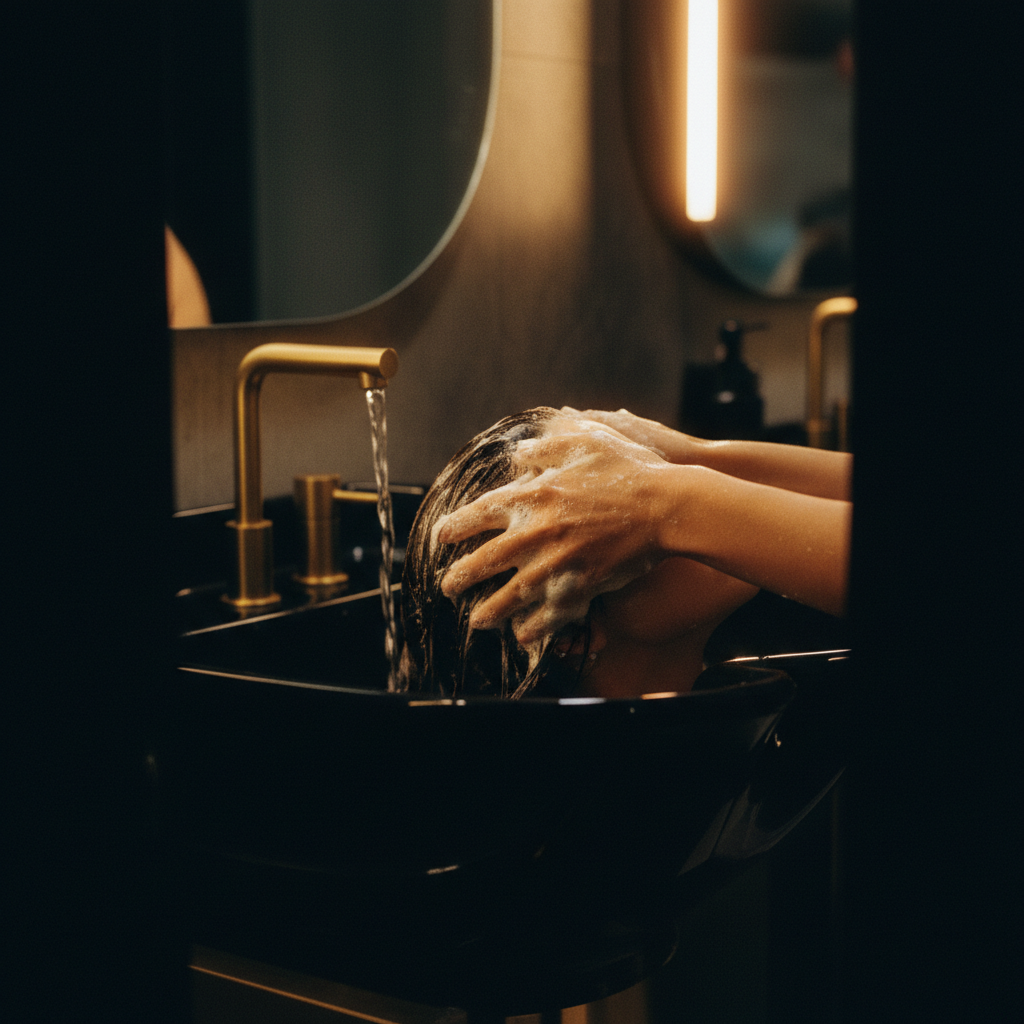
Quick answer: Learning how to cleanse hair correctly requires focusing surfactants directly on the scalp rather than the mid-lengths and ends. Use lukewarm water, dilute shampoo between wet palms, and massage the skin using the pads of your fingers for 60 to 180 seconds. Cleansing removes excess sebum, environmental grime, and cosmetic buildup while preserving the hair fibre cuticle. The main limitation is that over-cleansing or aggressive scrubbing strips essential surface lipids, causing mechanical friction and hair breakage rather than treating root health.
Key takeaways
- Cleansing is primarily a dermatological treatment for the scalp skin, not an abrasive scrub for hair strands.
- Scalp sebum production dictates cleansing frequency; hair fibre texture dictates conditioner and moisture needs.
- Lukewarm water (roughly 37°C to 39°C) dissolves sebum effectively without swelling the cuticle as excessively as hot water.
- Piling long hair onto the crown to lather causes cuticle friction, tangling, and unnecessary hair breakage.
- The hair shaft only requires the gentle runoff of suds during rinsing, unless heavy styling waxes or silicones are present.
How to cleanse hair correctly: what the evidence shows
Understanding how to cleanse hair correctly begins with the biological distinction between living scalp tissue and the non-living keratin shaft. The scalp contains roughly 100,000 hair follicles, each accompanied by a sebaceous gland that secretes sebum. Sebum is a complex mixture of triglycerides, wax esters, squalene, and free fatty acids. While sebum naturally lubricates the emerging hair fibre, an unwashed scalp allows it to oxidise, trapping airborne particulates, sweat salts, and shed dead corneocytes.
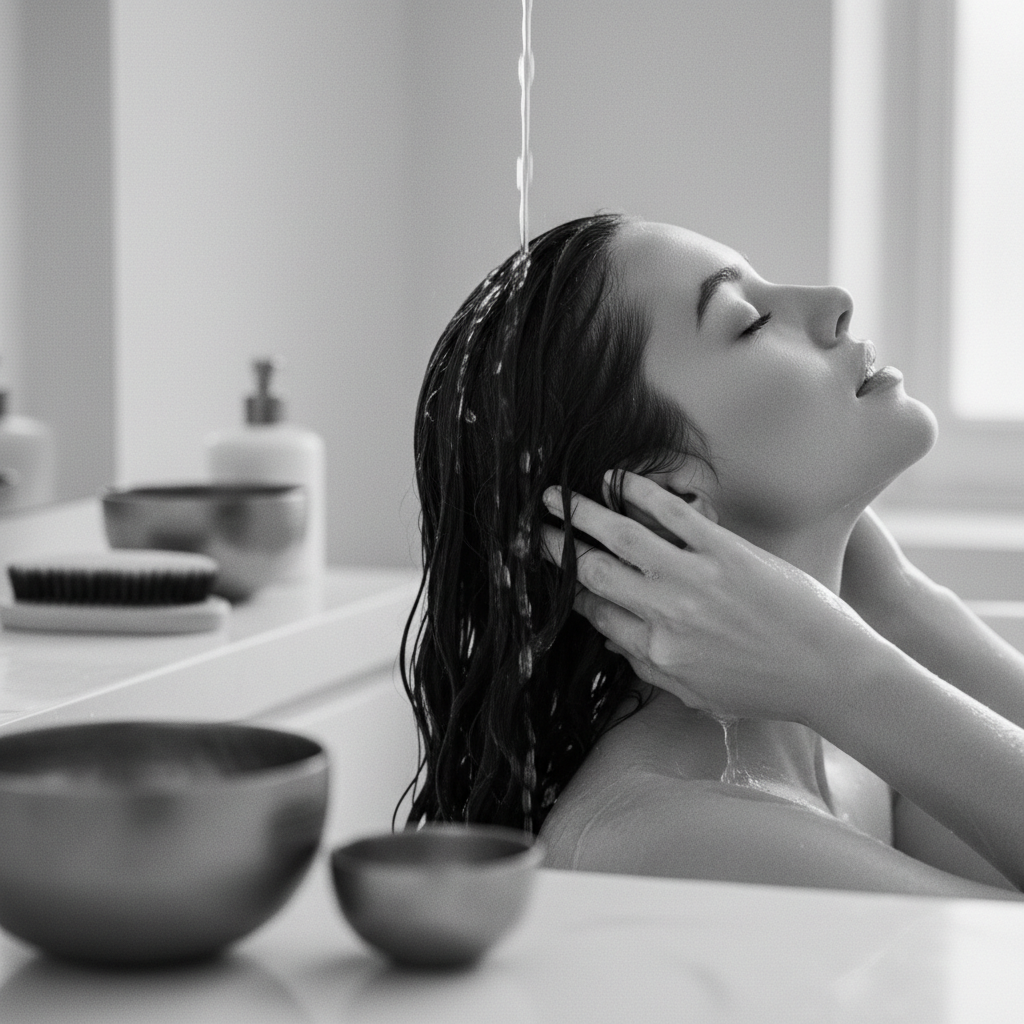
Cosmetic dermatology research confirms that surfactants in shampoos work via amphiphilic molecules. The hydrophobic tail binds to non-polar sebum and styling resins, while the hydrophilic head binds to water molecules. When you rinse, the micellar structures detach from the skin and hair, carrying away debris.
Clinical investigations published in the International Journal of Trichology demonstrate that failing to remove oxidised sebum can lead to micro-inflammation and exacerbate conditions like seborrhoeic dermatitis. However, washing hair too aggressively strips the epicuticle, a fragile 18-methyleicosanoic acid (18-MEA) lipid monolayer covering each hair fibre. When this protective layer is depleted, the cuticle scales lift, increasing friction and making strands vulnerable to breakage.
The biophysical mechanism of scalp cleansing
Cleansing is a controlled chemical and mechanical process governed by surface tension, water temperature, and physical shear stress.
When water contacts the hair fibre, the shaft swells. The cross-sectional swelling of human hair in water ranges between 14% and 16%. In this swollen state, the protein structure weakens temporarily because water molecules disrupt temporary hydrogen bonds within the cortex. As a result, wet hair has a lower tensile strength and is far more susceptible to mechanical damage than dry hair.
Hot water above 40°C increases this swelling and extracts surface lipids too rapidly, leaving the cuticle ragged. Conversely, cold water below 30°C fails to melt the solid components of human sebum, which has a melting point near body temperature (roughly 32°C to 37°C). Lukewarm water hits the thermodynamic sweet spot, melting sebum without compounding structural swelling.
During manual lathering, physical pressure must be kept on the scalp tissue. Using the pads of your fingers stimulates local cutaneous circulation without causing the mechanical abrasion that fingernails inflict. Dragging the shampoo vigorously down the lengths generates high cuticle-on-cuticle friction, stripping the outer scale edges and causing split ends.
| Scalp / Hair Characteristic | Ideal Cleansing Frequency | Cleansing Technique Focus | Common Pitfall |
|---|---|---|---|
| Oily Scalp, Fine Strands | Daily to every 2 days | Light surfactant formula, focused entirely on the roots with a 2-minute emulsification. | Skipping wash days out of fear, leading to follicular occlusion and itching. |
| Balanced Scalp, Medium Hair | Every 2 to 3 days | Standard single or double cleanse depending on styling product use; rinse thoroughly. | Scrubbing mid-lengths directly instead of letting rinse runoff clean them. |
| Dry Scalp, Coarse / Curly Hair | Every 4 to 7 days | Gentle, conditioning cleanser; thorough water saturation before applying product. | Using scalding hot water, which strips minimal natural sebum and causes scalp dehydration. |
| Heavy Styling Product User | Every 2 to 3 days | Double cleanse: first wash breaks surface polymers, second wash purifies the scalp skin. | Using aggressive friction rather than letting surfactant contact time dissolve waxes. |
Practical steps: what you can do
A structured washing technique protects the structural integrity of the hair fibre while thoroughly purifying the scalp.
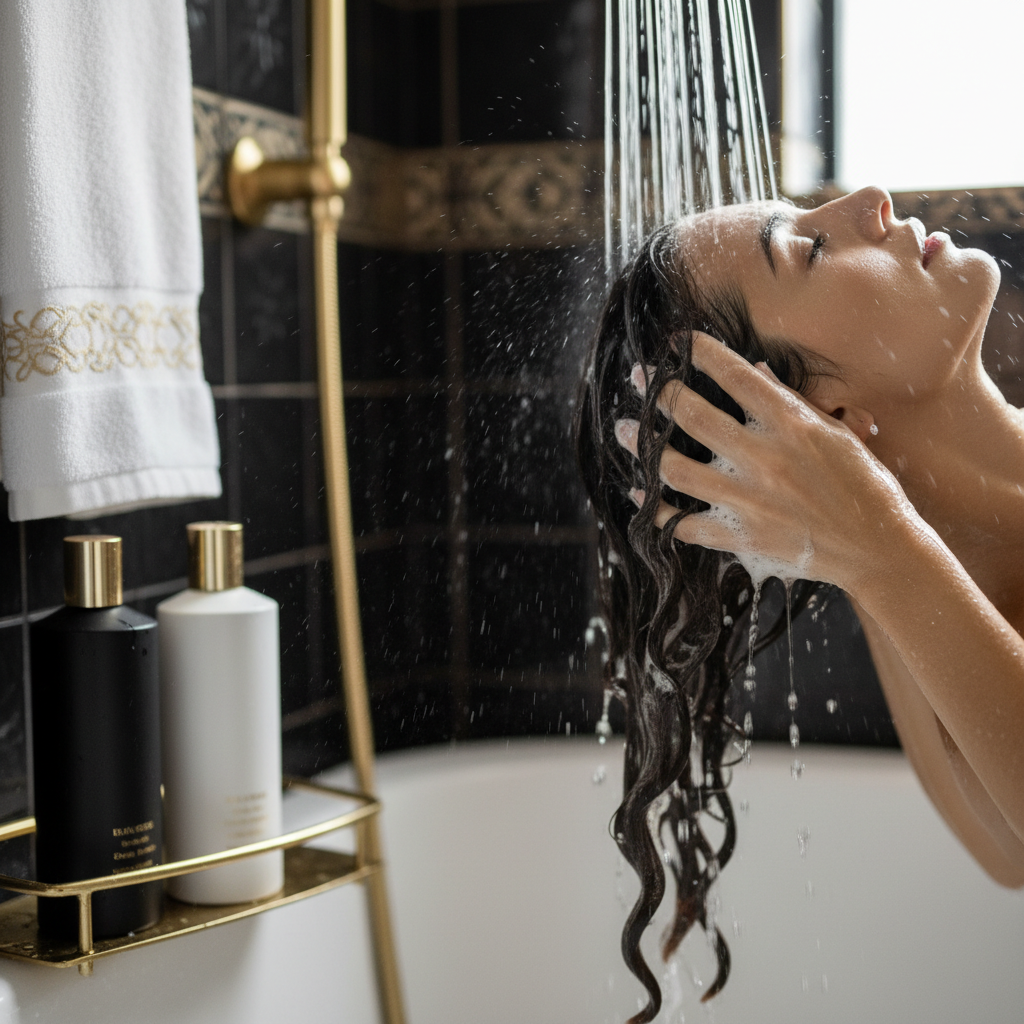
- Pre-wash detangling: Gently brush your hair with a wide-tooth comb or flexible bristle brush before stepping into the shower. Detangling dry hair prevents severe knotting when the fibres swell in water.
- Complete water saturation: Run lukewarm water through your hair for at least 60 seconds. Hair must be fully saturated so surfactants can spread evenly without concentrated spotting.
- Emulsify in hands first: Never pour shampoo directly onto the crown. Dispense a coin-sized amount (about 5 to 10 ml) into wet palms, rub them together to create a light foam, and distribute it evenly across the front, sides, crown, and nape.
- Target the scalp skin: Place the pads of your fingers directly onto your scalp. Work in small circular motions, applying gentle pressure to shift the scalp skin over the skull rather than scratching the surface. Spend 60 to 120 seconds on this step.
- Let lather travel: Do not gather your lengths onto the top of your head to scrub them like fabric. Allow the suds to run down the shaft during rinsing. This passive cleansing removes daily dust without mechanical wear.
- Rinse with high water volume: Incomplete rinsing leaves surfactant residues on the scalp, which crystallise and cause contact irritation, flaking, and dullness. Rinse for at least double the time spent lathering.
- Condition the fibre: Apply conditioner exclusively from the mid-lengths to the ends. Conditioning agents contain cationic surfactants that neutralise negative electrostatic charges and smooth the cuticle, but they can weigh down root volume if applied to the scalp.
What the evidence does not show
There is no scientific evidence supporting the popular claim that "training" your scalp allows it to stop producing oil. Sebaceous gland activity is governed primarily by internal endocrine signals, particularly circulating androgens such as dihydrotestosterone (DHT), not by surface washing frequency. Extending the time between washes when you have an oily scalp simply leaves oxidised lipids and yeast populations to multiply on the skin.
Furthermore, evidence does not show that hair shedding in the shower is caused by the physical act of washing itself. Humans naturally shed 50 to 100 hairs daily as follicles enter the telogen phase. These hairs often detach from the base but remain held in place by surrounding strands. When you wash and massage the scalp, these already-shed hairs are released simultaneously. This is normal hair shedding, not hair breakage or cosmetic hair loss.
When the cause of scalp issues may be something else
If proper cleansing does not resolve persistent itchiness, burning, or flaking, the issue is unlikely to be simple surface dirt.
- Seborrhoeic Dermatitis: An inflammatory skin condition linked to overgrowth of Malassezia yeasts. It causes greasy, yellowish scales and redness. It requires medicated shampoos containing active antifungal agents such as ketoconazole, zinc pyrithione, or piroctone olamine.
- Scalp Psoriasis: An autoimmune condition characterised by well-demarcated, thick, silvery plaques. Regular cosmetic cleansing cannot resolve psoriasis and requires targeted medical therapies.
- Folliculitis: Bacterial or fungal infection of the hair follicles that presents as small, tender red bumps or pustules. Aggressive scrubbing can spread the infection across the scalp.
- Allergic Contact Dermatitis: An immune reaction to fragrances, preservatives (like methylisothiazolinone), or surfactant blends in haircare formulas, resulting in burning and generalised erythema.
When to seek professional advice
Consult a GP, dermatologist, or qualified trichologist if you notice distinct changes in your scalp health. Specific red flags include persistent pain, visible pustules, bleeding, circular patches of sudden hair loss, or scaling that does not respond to over-the-counter anti-dandruff solutions within three weeks.
If you observe hair thinning where the scalp becomes increasingly visible, or if your ponytail diameter decreases significantly, seek clinical evaluation. A professional can differentiate between telogen effluvium (diffuse hair shedding), androgenetic alopecia (pattern hair loss), and hair breakage caused by physical styling habits.
Supporting the scalp with Watermans
Once you understand the mechanics of proper hair cleansing, selecting a formulation that supports the scalp microenvironment is essential. Watermans focuses on scalp-first formulations that clean effectively without disrupting the delicate balance of the skin.
Watermans GrowMe Shampoo is formulated to remove excess sebum and cosmetic buildup while infusing the scalp with active ingredients such as caffeine, biotin, rosemary extract, argan oil, and allantoin. Rather than using harsh industrial detergents that strip the epicuticle, it delivers an invigorating cleanse designed to foster an ideal environment for thicker, stronger-looking hair.
To use it effectively within the proper cleansing protocol, massage a small amount into a fully saturated scalp using your fingertips. Leave the formulation on the scalp for 2 to 3 minutes to allow the natural botanicals and active compounds to interact with the follicular openings before thoroughly rinsing.
Frequently asked questions about how to cleanse hair correctly
How to cleanse hair correctly if you have fine, greasy hair?
Cleanse fine, oily hair every 1 to 2 days using a lightweight, clarifying shampoo. Focus entirely on the scalp, working the lather through the roots for two full minutes before rinsing. Apply a lightweight conditioner only to the bottom two inches of hair to prevent the root area from being weighed down by conditioning polymers.
Should you double wash your hair every time?
A double cleanse is useful if you wash your hair infrequently (every 4 to 7 days), use heavy silicone styling products, or have exercised heavily. The first wash breaks down hydrophobic oils and surface resins; the second wash cleanses the scalp skin directly. If you wash daily, a single, thorough cleanse is generally sufficient.
Is it better to wash hair with hot or cold water?
Lukewarm water is optimal. Hot water over-strips sebum and swells the hair fibre cuticle, leaving it susceptible to frizz and friction. Cold water fails to melt hardened sebum waxes and oils effectively. Use lukewarm water throughout the wash, finishing with a temperate rinse if desired.
Does proper hair cleansing reduce hair loss?
Proper cleansing supports general scalp hygiene, which reduces inflammation that can exacerbate hair shedding. However, cleansing alone cannot cure or treat genetic hair loss (androgenetic alopecia) or autoimmune conditions like alopecia areata. It protects against hair breakage caused by poor fibre condition and prevents follicular irritation.
Summary
Knowing how to cleanse hair correctly is one of the most effective ways to preserve the long-term condition of your hair. By treating the scalp as living skin and the hair lengths as delicate textiles, you avoid the twin pitfalls of under-washing (follicular congestion and inflammation) and over-scrubbing (friction-induced hair breakage). Use lukewarm water, apply product intentionally with your fingertips, and always handle wet strands with care to maintain a healthy scalp and resilient hair.
Sources and references
- International Journal of Trichology, "Shampoo and Conditioners: What a Dermatologist Should Know?", 2015.
- Skin Appendage Disorders, "The Scalp Microbiome and Its Relationship with Dandruff and Seborrheic Dermatitis", 2018.
- Journal of Cosmetic Science, "A study of the mechanical properties of human hair after chemical treatments", 2007.
- British Association of Dermatologists (BAD), "Seborrhoeic Dermatitis Patient Information Leaflet", 2020.
- National Institute for Health and Care Excellence (NICE), "Alopecia: Summary of assessment and management", 2021.
Find these ingredients in Watermans products
- Zinc: you will find this ingredient in our Hair Vitamins.