Heat Protection for Hair: An Evidence-Based Guide
11 min read ·
Heat Protection for Hair is essential to minimise damage from styling tools, creating a barrier that reduces thermal stress and helps maintain hair health.
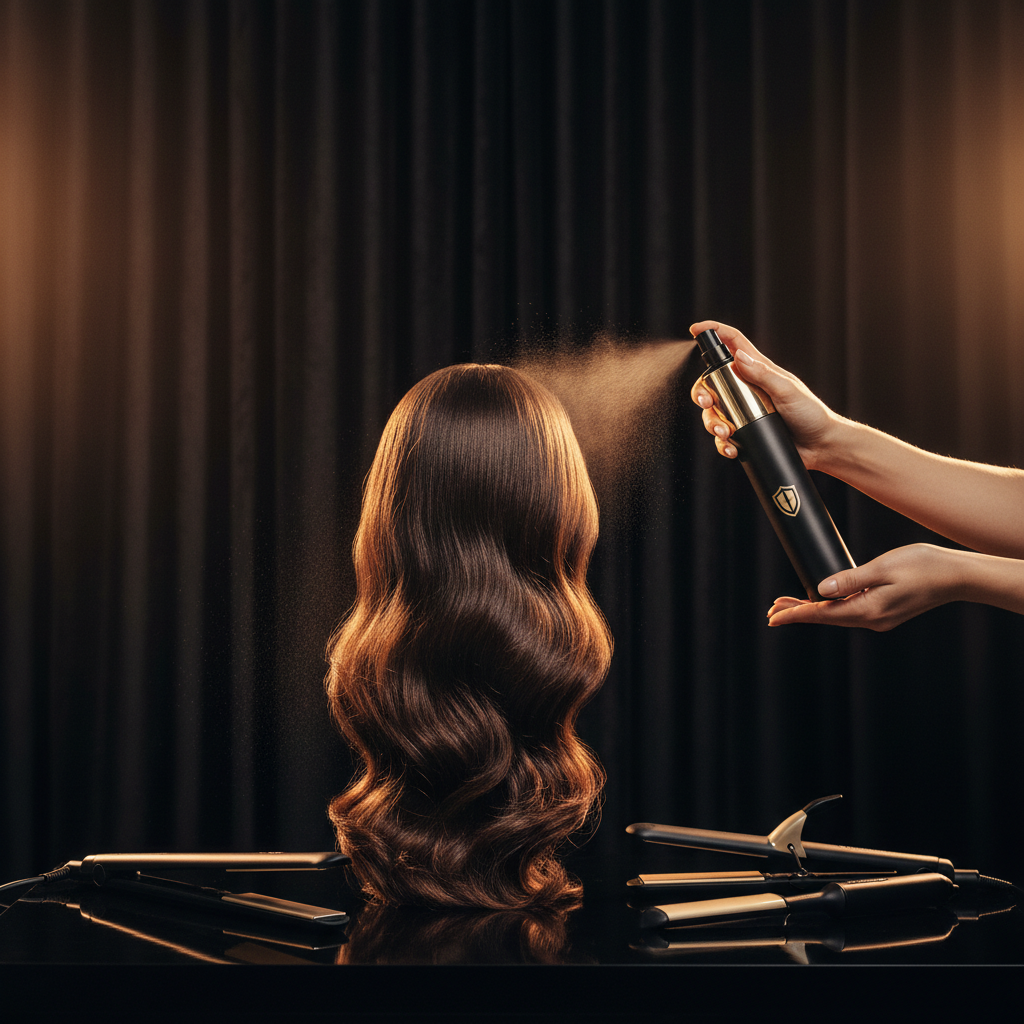
Quick answer: Heat Protection for Hair refers to the use of specific products and practices designed to minimise thermal damage caused by heat styling tools like blow dryers, flat irons, and curling wands. These products work by creating a protective barrier on the hair shaft, slowing down heat transfer, and helping to retain moisture. However, no product can completely eliminate damage from excessively high temperatures or improper use, making careful styling practices crucial for overall hair health.
Key takeaways
- Heat styling tools can reach temperatures that significantly damage hair proteins and moisture content.
- Heat protection products form a barrier, reducing heat transfer and helping hair retain moisture.
- Key ingredients in these products include silicones, hydrolysed proteins, and humectants.
- Effective Heat Protection for Hair also involves using lower temperatures, quick passes, and air drying when possible.
- Signs of heat damage include dryness, brittleness, split ends, and reduced shine.
- For persistent hair damage or shedding concerns, consult a trichologist or dermatologist.
Heat Protection for Hair: what the evidence shows
Heat Protection for Hair is a critical strategy for preserving the integrity of hair fibres exposed to thermal styling tools. Hair, primarily composed of keratin proteins, undergoes structural changes when subjected to high temperatures. Research indicates that heat styling, especially at temperatures exceeding 150°C (302°F), can lead to the denaturation of keratin, a process where the protein's natural structure is altered and weakened. This can cause a significant reduction in hair's tensile strength and elasticity, making it more prone to breakage. (Robbins, 2012; Wolfram, 2003)
High heat also rapidly evaporates the water content naturally present in the hair shaft, leading to dehydration. The cuticle, the outermost protective layer of the hair, can lift, crack, or even break away, leaving the inner cortex exposed and vulnerable. This physical damage results in rough texture, frizz, and a dull appearance. For colour-treated hair, heat can accelerate the degradation of dye molecules, leading to premature fading. (American Academy of Dermatology Association, 2023)
Heat protection products are formulated to mitigate these effects. They typically contain polymers that act as thermal insulators, slowing down the rate at which heat penetrates the hair shaft. Ingredients like silicones form a smooth film on the hair surface, which not only reduces friction during styling but also contributes to heat distribution, preventing localised hot spots. Humectants and emollients often included in these formulations help to lock in moisture, counteracting the dehydrating effects of heat. While these products can significantly reduce damage, they do not render hair impervious to heat. The degree of protection is influenced by the product's formulation, application technique, and the temperature and duration of heat exposure. (Cosmetic Ingredient Review, 2013; Gavazzoni Dias, 2015)
How heat protection products work
Heat protection products function by creating a physical and chemical barrier between your hair and the heat source, reducing the severity of thermal stress. They typically employ a combination of mechanisms:
- Thermal Insulation: Polymers, often synthetic or natural, form a thin film around the hair shaft. This film acts as an insulator, slowing the transfer of heat from styling tools to the hair's internal structure. This reduces the peak temperature the hair experiences, thus lessening protein denaturation.
- Moisture Retention: Ingredients like humectants (e.g., glycerin, panthenol) attract and hold water within the hair, while emollients (e.g., certain oils, fatty alcohols) help to seal the cuticle and prevent rapid moisture loss. Maintaining adequate hydration is crucial, as dehydrated hair is more susceptible to damage.
- Surface Smoothing and Friction Reduction: Silicones (e.g., dimethicone, cyclopentasiloxane) are common film-forming agents. They smooth the cuticle layer, reducing friction during brushing and styling. This minimises mechanical damage that can occur alongside heat damage. A smoother surface also reflects light better, contributing to shine.
- Temporary Reinforcement: Some products contain hydrolysed proteins (e.g., hydrolysed wheat protein, keratin) or amino acids. These smaller protein fragments can temporarily deposit into damaged areas of the cuticle, offering a temporary strengthening effect and improving hair's elasticity, making it less prone to breakage. However, these do not "repair" denatured keratin on a molecular level.
What to look for in heat protection products
When choosing a heat protection product, understanding key ingredient types can help you make an informed decision:
| Ingredient Category | Examples | Function in Heat Protection |
|---|---|---|
| Film-Forming Polymers | PVP/VA Copolymer, Polyquaternium-6 | Create a flexible film on the hair surface, providing thermal insulation and frizz control. |
| Silicones | Dimethicone, Cyclopentasiloxane, Amodimethicone | Form a protective, lubricious barrier, reduce friction, enhance shine, and help distribute heat evenly. Some are volatile and evaporate without residue. |
| Hydrolysed Proteins | Hydrolysed Wheat Protein, Hydrolysed Keratin, Hydrolysed Soy Protein | Temporarily reinforce hair structure, improve elasticity, and reduce breakage. |
| Humectants | Glycerin, Panthenol (Provitamin B5), Propylene Glycol | Attract and retain moisture, preventing dehydration during heat styling. |
| Emollients/Oils | Argan Oil, Shea Butter, Coconut Oil | Condition and soften hair, seal moisture, and provide a degree of natural heat resistance due to their higher smoke points (though protection is primary via other ingredients). |
Silicones are particularly effective due to their ability to form a uniform, lightweight film. Concerns about silicones weighing hair down often relate to older, heavier formulations. Modern, volatile silicones are designed to evaporate or be easily rinsed out, offering benefits without significant build-up. (Cosmetic Ingredient Review, 2013)
How to effectively use Heat Protection for Hair
Maximising the benefits of Heat Protection for Hair involves both selecting the right product and applying it correctly, alongside mindful styling practices:
- Choose the right product for your hair type: Lighter sprays or serums are generally better for fine or oily hair, while creams or lotions might suit thicker, coarser, or drier hair. Your choice should also align with your styling tool; a lightweight spray might be ideal for blow-drying, while a slightly richer formula could be beneficial before using a flat iron.
- Apply to damp, towel-dried hair: Most heat protection sprays and creams are designed for application to damp hair before blow-drying. This allows for even distribution and absorption before the primary heat source is applied. Ensure your hair is towel-dried to remove excess water, preventing the product from becoming too diluted.
- Ensure even distribution: Spray or apply the product section by section, ensuring uniform coverage from roots to ends. Using a wide-tooth comb can help distribute the product thoroughly. Uneven application means uneven protection.
- Do not over-apply: Using too much product can leave hair feeling heavy, greasy, or stiff. Follow the manufacturer's guidelines. A light, even mist is usually sufficient.
- Dry completely before using direct heat: If you are planning to use a flat iron or curling wand after blow-drying, ensure your hair is 100% dry. Applying direct heat tools to damp hair can cause "flash drying" or "boiling" of water within the hair shaft, leading to severe damage. Some people opt for a second, lighter application of heat protectant specifically designed for dry hair before direct heat styling.
- Adjust tool temperatures: Even with protection, lower temperatures are always preferable. Fine, damaged, or chemically treated hair requires lower heat settings (e.g., 120-150°C / 250-300°F), while thicker, coarser, or natural hair may tolerate slightly higher temperatures (e.g., 150-180°C / 300-350°F). Avoid exceeding 200°C (400°F) if possible. (NICE, 2022)
- Limit contact time: When using flat irons or curling wands, move the tool smoothly and quickly through each section of hair. Avoid holding the tool in one spot for too long, as prolonged exposure concentrates heat and increases damage risk. (American Academy of Dermatology Association, 2023)
For more in-depth guidance on safe heat styling, refer to our related article, "Heat Styling Safety Best Practices".
When hair damage may be something else
While heat styling is a significant contributor to hair damage, it's important to distinguish it from other issues. Breakage, where the hair fibre snaps along the shaft, is often a sign of physical damage (which heat contributes to). However, hair loss (follicular) or hair shedding (hair leaving the follicle, e.g., telogen effluvium) are entirely different conditions with varied causes. These are not directly caused by heat styling and require different approaches.
- Hair Shedding: Conditions like telogen effluvium, often triggered by stress, illness, or hormonal changes, cause a temporary increase in hair shedding from the scalp. This is distinct from breakage of the hair shaft. (British Association of Dermatologists, 2023)
- Hair Loss: Conditions such as androgenetic alopecia (pattern baldness) or alopecia areata are genetic or autoimmune conditions affecting the hair follicles themselves, leading to reduced hair growth or patchiness. Heat styling does not cause these types of hair loss.
If you are experiencing significant hair shedding from the root, noticeable thinning of the scalp, or patchiness, consult a medical professional rather than attributing it solely to heat damage. Our article "Hair Damage: Causes, Signs, and Solutions" offers more details on differentiating types of hair concerns.
When to seek professional advice
If you observe persistent or severe hair breakage despite consistent Heat Protection for Hair practices, or if you notice unusual hair shedding from the scalp, excessive thinning, or new bald patches, it is advisable to seek professional medical advice. A trichologist (a specialist in hair and scalp conditions) or a dermatologist can accurately diagnose the underlying cause of your concerns and recommend appropriate treatments. They can help rule out medical conditions, nutritional deficiencies, or hormonal imbalances that may be contributing to hair problems.
Watermans for healthy hair
At Watermans, we understand the challenges of maintaining healthy hair, especially when incorporating heat styling into your routine. Our formulations are developed with ingredients chosen to support hair strength and vitality. For example, some Watermans products include hydrolysed wheat protein, which can help strengthen hair fibres and reduce the appearance of breakage. Our commitment is to provide products that complement a holistic approach to hair care, including thoughtful heat protection practices, to help your hair look and feel its best.
Frequently asked questions about Heat Protection for Hair
Can I skip heat protection if I use low heat?
While using lower heat settings is always recommended, skipping Heat Protection for Hair entirely is not advisable. Even at lower temperatures, repeated exposure can still cause cumulative damage over time. Heat protectants provide an extra layer of defence, helping to minimise moisture loss and protect the keratin structure. It's best to use both low heat and a suitable protection product for optimal hair health.
How often should I use heat protection?
You should use a heat protection product every time you apply heat to your hair. This includes blow-drying, flat ironing, curling, or any other thermal styling method. Consistent application ensures continuous protection against the damaging effects of heat. Consider your hair type and styling frequency when choosing a product to integrate into your regular routine.
Do natural oils provide enough Heat Protection for Hair?
Some natural oils, like argan oil or coconut oil, have higher smoke points than others, offering a very modest degree of thermal protection. However, they generally do not provide the comprehensive Heat Protection for Hair offered by specially formulated products. Dedicated heat protectants contain specific polymers and ingredients designed to insulate hair and prevent protein denaturation more effectively than natural oils alone. While oils are excellent for conditioning, they shouldn't be solely relied upon for heat protection.
Does heat protection prevent colour fading?
Yes, heat protection can help reduce colour fading, but it won't prevent it entirely. High temperatures accelerate the degradation of artificial colour molecules within the hair shaft. By creating a barrier and reducing the overall heat impact, heat protection products can slow down this process, helping your colour last longer. For best results with colour-treated hair, combine heat protection with lower styling temperatures and colour-safe haircare products.
Can heat protection products repair damaged hair?
No, heat protection products cannot repair hair that is already damaged. Once the keratin proteins in your hair have been denatured by heat, this damage is irreversible. What heat protectants do is prevent further damage by safeguarding healthy hair and mitigating the impact of heat on existing, but not yet severely damaged, hair. They can improve the appearance and feel of damaged hair temporarily but not fundamentally restore its structure.
Is there a difference between heat protectants for blow-drying and flat ironing?
Yes, there can be. Products formulated for blow-drying are often lighter sprays designed to be applied to damp hair and distribute evenly as you dry. Heat protectants for flat ironing or curling wands are sometimes richer or more concentrated, designed for application to completely dry hair, and may offer higher heat resistance for direct contact styling. Always check product instructions for specific usage guidance.
Supporting your hair health with Heat Protection for Hair
Incorporating effective Heat Protection for Hair into your routine is a foundational step in maintaining healthy, resilient hair, especially if you regularly use thermal styling tools. By understanding how heat impacts hair and choosing appropriate products and techniques, you can significantly reduce damage. While these measures are highly effective in preventing breakage and preserving hair's condition, remember they are part of a broader haircare strategy. If you experience hair loss or shedding, or persistent damage, consulting a specialist is always the best course of action.
Sources and references
- American Academy of Dermatology Association. (2023). Hair care: How to keep your hair healthy. AAD.
- British Association of Dermatologists. (2023). Hair Loss. BAD.
- Cosmetic Ingredient Review. (2013). Safety Assessment of Cyclomethicone, Dimethicone, Dimethiconol, and Polydimethylsiloxane Crosslinked Polymers as Used in Cosmetics. CIR.
- Gavazzoni Dias, M. F. R. (2015). Hair Cosmetics: An Overview. International Journal of Trichology, 7(1), 2-15.
- NICE. (2022). Hair loss. National Institute for Health and Care Excellence.
- Robbins, C. R. (2012). Chemical and Physical Behavior of Human Hair. Springer Science & Business Media.
- Wolfram, L. J. (2003). Hair. Ullmann's Encyclopedia of Industrial Chemistry.
Find these ingredients in Watermans products
- Argan Oil: you will find this ingredient in our Hair Growth Shampoo.
- Shea Butter: you will find this ingredient in our Curly Hair Conditioner.