Hair Washing: A Guide to Cleanliness and Scalp Health
11 min read ·
Understanding effective Hair Washing techniques and product choices is crucial for maintaining scalp health and hair appearance, though individual needs vary significantly.
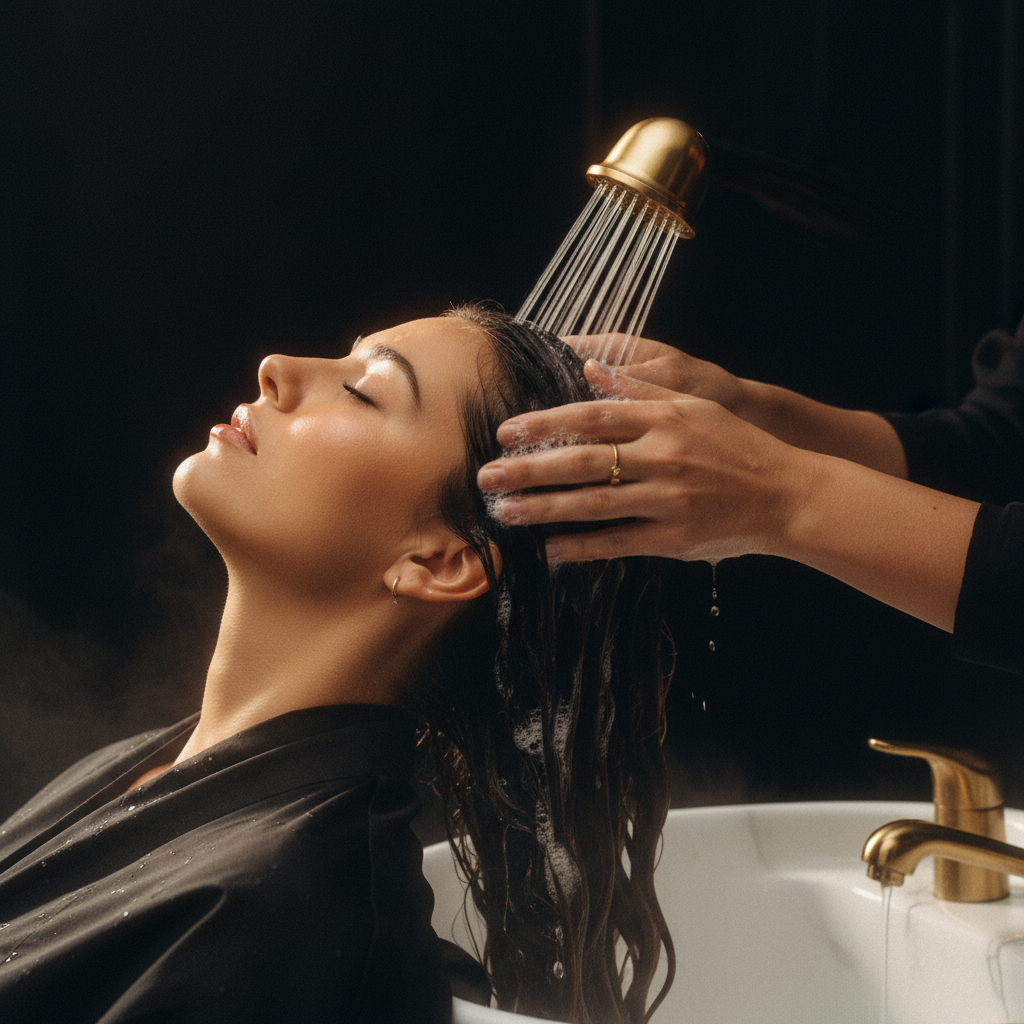
Quick answer: Hair washing is the process of cleansing the hair and scalp to remove sebum, product residue, environmental pollutants, and dead skin cells. Proper Hair Washing helps maintain scalp hygiene, reduce oiliness, and improve hair appearance, but the optimal frequency and method depend on individual hair type, lifestyle, and scalp condition. It is a cosmetic practice, not a medical treatment for hair loss conditions like alopecia.
Key takeaways
- Purpose of Hair Washing: It primarily removes natural oils (sebum), product build-up, and environmental debris from the scalp and hair fibre.
- Shampoo Function: Shampoos use surfactants to emulsify oils and dirt, allowing them to be rinsed away with water.
- Individual Needs: The ideal frequency for Hair Washing varies widely, influenced by hair type, scalp oil production, activity levels, and styling product use.
- Technique Matters: Focusing shampoo application on the scalp and rinsing thoroughly helps prevent residue build-up and maintains scalp health.
- pH Balance: Shampoos with a pH between 4.5 and 6.5 are generally recommended to align with the hair's natural acidity, helping to keep the cuticle smooth.
- Conditioner's Role: Conditioner helps restore moisture, detangle, and smooth the hair cuticle after cleansing.
Hair Washing: what the evidence shows
Hair washing is a fundamental part of hair care, primarily designed to clean the scalp and hair shaft. The process involves using water and a cleansing agent, typically shampoo, to remove accumulated sebum, dead skin cells, environmental dust, dirt, sweat, and styling product residue. This regular cleansing is crucial for maintaining scalp hygiene and the cosmetic appearance of the hair. While often seen as a simple routine, the science behind effective Hair Washing involves understanding hair biology and product chemistry.
The Mechanism of Cleansing
The scalp naturally produces sebum, an oily substance from the sebaceous glands that lubricates the skin and hair. While beneficial in moderation, excess sebum can make hair appear greasy, attract environmental pollutants, and create an environment conducive to microbial growth. Shampoos are formulated with surfactants, which are special molecules that have both water-attracting (hydrophilic) and oil-attracting (lipophilic) properties.
When shampoo is applied to wet hair, the lipophilic tails of the surfactants attach to the oily residues and dirt on the hair and scalp. As water is introduced, the hydrophilic heads allow these oil-and-dirt particles to be suspended in the water, forming micelles. These micelles are then easily rinsed away, leaving the hair and scalp clean. Different types of surfactants vary in their cleansing strength and foaming ability, which impacts the overall shampoo experience and suitability for various hair types.
The Importance of pH
The natural pH of the hair and scalp is slightly acidic, typically ranging from 4.5 to 5.5. This acidity helps to keep the hair's cuticle, the outermost protective layer, tightly closed and smooth. Many shampoos are formulated to have a pH within the range of 4.5 to 6.5. This helps to prevent the cuticle from opening excessively, which can lead to increased friction, frizz, and potential damage. Maintaining an appropriate pH during Hair Washing can contribute to smoother, shinier, and less tangled hair. When the hair cuticle is properly sealed, it reflects light more effectively and retains moisture better. (For more information, see The pH Scale and Hair).
How Often Should You Wash Your Hair?
There is no universal recommendation for how often to wash hair; it depends on a combination of individual factors. Controlled research suggests that Hair Washing frequency should be tailored to individual needs rather than a rigid schedule. Key factors include:
- Scalp Oil Production: Individuals with naturally oily scalps (influenced by genetics and hormones) may need to wash more frequently, perhaps daily or every other day, to manage excess sebum. (See Oily Scalp Care: Understanding and Managing Excess Sebum).
- Hair Type and Texture: Fine, straight hair often appears greasy more quickly than coarse, curly, or coily hair because sebum can travel down the hair shaft more easily. Thicker, curly, or coily hair types may benefit from less frequent washing to preserve natural moisture and prevent dryness. (See Caring for Curly Hair and Caring for Afro Hair).
- Lifestyle: People with active lifestyles who sweat frequently, or those exposed to pollutants, dust, or smoke, may need to wash their hair more often. Regular swimmers may also need to wash more frequently to remove chlorine or other chemicals.
- Product Use: Heavy use of styling products can lead to build-up on the scalp and hair, necessitating more frequent washing.
- Scalp Conditions: Certain scalp conditions, such as dandruff or seborrheic dermatitis, may require specific washing frequencies or medicated shampoos as recommended by a healthcare professional. (See Dandruff: Causes and Treatments Explained).
Some studies report that washing every 2 to 3 days is common for many individuals, but this is an average and not a strict rule. Washing too frequently with harsh shampoos can strip natural oils, leading to a dry scalp or compensatory overproduction of sebum, while washing too infrequently can lead to build-up and potential scalp irritation. The best approach is to observe your hair and scalp and adjust your routine accordingly.
The Hair Washing Process: A Step-by-Step Guide
Following a proper Hair Washing technique helps maximise cleansing effectiveness and minimise potential damage.
- Wet Hair Thoroughly: Begin by saturating your hair with lukewarm water. Water that is too hot can strip natural oils and potentially irritate the scalp, while cold water may not effectively dissolve and rinse away products. Ensure all hair strands are fully wet before applying shampoo.
- Apply Shampoo to Scalp: Dispense a small amount of shampoo into your palm. The quantity depends on hair length and thickness, but typically a coin-sized amount is sufficient. Gently massage the shampoo into your scalp using the pads of your fingertips. The primary focus should be on cleansing the scalp, as this is where sebum, dead skin cells, and product build-up accumulate. The lather generated will naturally cleanse the hair strands as it rinses down.
- Rinse Thoroughly: This is a critical step. Rinse your hair and scalp completely with water until all traces of shampoo are gone and the water runs clear. Residual shampoo can leave hair feeling dull, attract dirt, and potentially irritate the scalp. Ensure no suds remain on the scalp or along the hair shaft.
- Condition Hair (Optional but Recommended): After rinsing the shampoo, apply a conditioner, focusing primarily on the mid-lengths and ends of your hair. Avoid applying large amounts directly to the scalp, especially if you have an oily scalp. Leave the conditioner on for the recommended time, usually 1 to 5 minutes, to allow it to penetrate the hair shaft and smooth the cuticles. (For more details, see The Science of Conditioners: How Hair Care Formulations Work).
- Rinse Conditioner: Rinse the conditioner thoroughly with cool or lukewarm water until the hair feels smooth and free of residue. Cool water can help to close the hair cuticles, enhancing shine.
Shampoos: Understanding Their Ingredients
Shampoos are complex formulations designed to cleanse effectively while often providing additional benefits. Here's a breakdown of common ingredients:
| Ingredient Category | Primary Function | Examples | Notes |
|---|---|---|---|
| Surfactants | Cleansing, foaming | Sodium Laureth Sulfate, Cocamidopropyl Betaine, Decyl Glucoside | Anionic surfactants are strong cleansers; amphoteric and non-ionic are milder. (See The Benefits of Sulfate-Free Hair Products) |
| Conditioning Agents | Smoothing, detangling, reducing static | Silicones (e.g., Dimethicone), Polyquaterniums (e.g., Polyquaternium-10) | Improve manageability and feel. |
| Thickening Agents | Adjusting product consistency | Sodium Chloride (salt), Carbomers | Creates desirable texture. |
| Preservatives | Preventing microbial growth | Phenoxyethanol, Parabens (less common now) | Ensures product safety and shelf-life. |
| pH Adjusters | Maintaining optimal pH | Citric Acid, Sodium Hydroxide | Essential for hair health, typically 4.5-6.5. |
| Moisturisers/Emollients | Hydrating, softening | Glycerin, Panthenol, various botanical oils | Can reduce dryness, especially in conditioners. |
| Fragrances | Scent | Perfume, essential oils | For consumer appeal; can be irritants for some. |
What the evidence does not show
There is currently insufficient evidence to conclude that Hair Washing directly causes or prevents common forms of hair loss, such as androgenetic alopecia. While some individuals notice more hair shedding during washing, this is typically due to the removal of hairs already in the telogen (resting) phase, which would have fallen out naturally. The act of washing itself does not cause healthy hairs to detach from the follicle prematurely. Similarly, claims that specific Hair Washing techniques or products can cure alopecia lack scientific backing.
Evidence is also mixed or limited regarding whether very frequent or infrequent Hair Washing directly leads to significant hair damage or breakage in otherwise healthy hair, provided appropriate products and gentle techniques are used. Hair breakage is more often linked to mechanical stress (e.g., harsh brushing, heat styling) or chemical treatments, not the act of washing itself.
When the cause may be something else
If you are experiencing significant hair shedding, excessive scalp itchiness, persistent flaking, or unusual scalp discomfort that does not resolve with adjustments to your Hair Washing routine, the cause may be a underlying condition. These symptoms are not typically caused by Hair Washing itself.
- Hair Shedding (Telogen Effluvium): If you notice a sudden increase in hair shedding, it is often related to a physiological stressor (e.g., illness, surgery, significant emotional stress, hormonal changes) that triggers a large number of hairs to enter the resting phase simultaneously. This is different from hair breakage or permanent hair loss.
- Scalp Conditions: Persistent dandruff, seborrheic dermatitis, psoriasis, or fungal infections can cause scalp irritation, itching, redness, and flaking. These conditions require specific treatments that go beyond standard Hair Washing.
- Hair Breakage: If your hair is snapping off along the shaft, it is more likely due to damage from heat styling, chemical treatments (e.g., colouring, perming), harsh brushing, or extreme dryness, rather than the act of washing itself. (See Hair Damage: Causes, Signs, and Solutions).
When to get professional advice
If you have concerns about excessive hair shedding, noticeable hair loss (thinning or bald patches), persistent or severe scalp irritation, intense itching, or unexplained scalp lesions, it is advisable to consult a dermatologist or trichologist. These professionals can diagnose underlying conditions and recommend appropriate medical treatments or specialised care. They can distinguish between normal hair shedding, temporary effluvium, and more serious forms of alopecia, providing evidence-based guidance that goes beyond cosmetic Hair Washing practices.
Frequently asked questions about Hair Washing
Does Hair Washing cause hair loss?
No, the act of Hair Washing itself does not cause hair loss. It primarily removes hairs that are already in the telogen (resting) phase and would have fallen out naturally. It's normal to see some hair in the shower drain. Excessive shedding or hair loss is usually due to underlying factors like genetics, hormones, stress, or medical conditions, not the washing process.
Is it better to wash hair with hot or cold water?
Lukewarm water is generally recommended for Hair Washing. Hot water can strip beneficial natural oils and may irritate the scalp, while cold water might not effectively dissolve and rinse away oils and product build-up. A final rinse with cool water can help close the hair cuticles, enhancing shine, but washing with cold water throughout isn't necessary for cleansing.
How much shampoo should I use?
The amount of shampoo needed depends on your hair length, thickness, and how much product build-up you have. A coin-sized amount (dime to quarter-sized) is a good starting point for most. Focus the shampoo on the scalp, where oil and debris accumulate, rather than on the hair strands themselves. Over-shampooing won't make hair cleaner and can lead to excessive stripping of natural oils.
Can I wash my hair every day?
Yes, you can wash your hair every day if your hair and scalp tolerate it well and it aligns with your lifestyle. Individuals with oily scalps or those who exercise frequently may benefit from daily washing. The key is to use a gentle, appropriate shampoo and conditioner, and to observe how your hair and scalp respond. There's no evidence that daily Hair Washing inherently damages hair.
What are sulfates in shampoo, and are they bad for hair?
Sulfates are a type of surfactant commonly found in shampoos (e.g., Sodium Laureth Sulfate, Sodium Lauryl Sulfate). They are effective at creating lather and removing oil and dirt. While generally safe, some individuals with sensitive scalps, dry hair, or colour-treated hair might find them too stripping, leading to dryness or colour fading. Sulfate-free shampoos offer a milder alternative. (See Sulfate-Free Shampoo Benefits).
Watermans and Hair Washing
Watermans hair care products are designed to support healthy hair and scalp as part of an effective Hair Washing routine. Our shampoos and conditioners are formulated to cleanse gently while delivering beneficial ingredients. For instance, Watermans Grow Me Shampoo is designed to provide thorough cleansing without harsh stripping, aiming to leave the scalp clean and hair feeling nourished. Following up with Watermans Condition Me Conditioner can help to moisturise and detangle, contributing to reduced breakage during styling after Hair Washing. These products are developed to be incorporated into your regular Hair Washing regimen, supporting the overall cosmetic health and appearance of your hair.
Sources and references
- American Academy of Dermatology Association, "Hair care: How to wash your hair", aad.org, 2023.
- Draelos, Z. D. (2010). Hair Cosmetics. Clinics in Dermatology, 28(3), 329-333.
- Gavazzoni Dias, M. F. (2015). Hair Cosmetics: An Overview. International Journal of Trichology, 7(1), 2-15.
- National Health Service (NHS), "Hair loss", nhs.uk, 2023.
- PubMed Central, U.S. National Institutes of Health, numerous peer-reviewed studies on surfactants, hair damage, and scalp conditions. Accessed 2023.
- Schueller, R., & Romanowski, P. (2017). Conditioning Agents for Hair and Skin. CRC Press. (Chapter on Shampoo Chemistry).
- Willey, A., et al. (2000). The effect of pH on the tensile properties of human hair. Journal of Cosmetic Science, 51(3), 139-152. (Note: Specific study details vary; general principles regarding pH and hair are widely accepted in cosmetic science.)
Find these ingredients in Watermans products
- Panthenol (Provitamin B5): you will find this ingredient in our Heat Protection Spray.