Hair Styling Tools: An Evidence-Based Guide to Hair Health
11 min read ·
Understanding Hair Styling Tools and their proper use is key to achieving desired looks while safeguarding hair health.
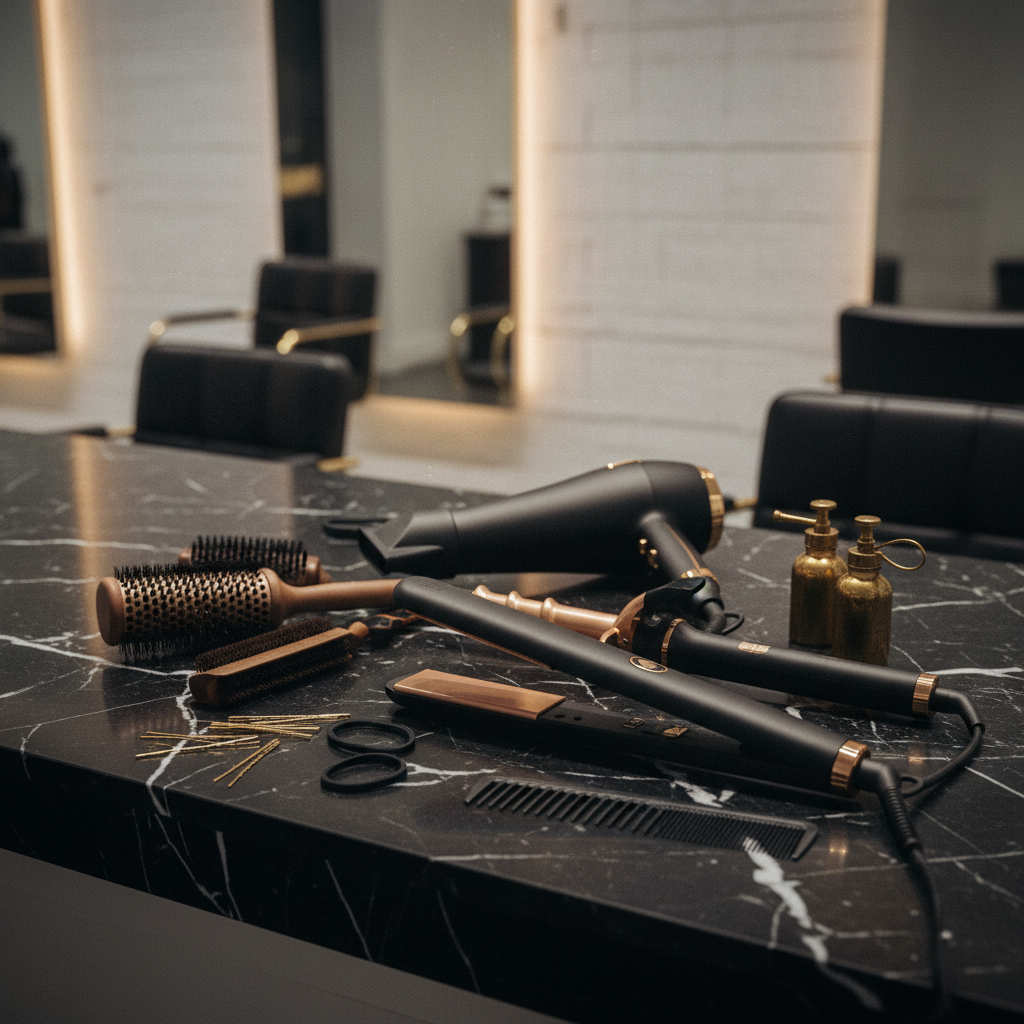
Quick answer: Hair Styling Tools encompass a broad range of devices, from simple combs and brushes to electrical appliances like hairdryers, straighteners, and curling irons, all designed to manipulate hair into specific forms, textures, or styles. While these tools are invaluable for achieving various looks, their effectiveness and impact on hair health depend heavily on appropriate use, including temperature control, protective products, and technique. Improper or excessive use of Hair Styling Tools, especially those relying on heat, can lead to significant hair damage over time.
Key takeaways
- Mechanical Hair Styling Tools like brushes and combs aid in detangling, smoothing, and product distribution, with design variations impacting efficacy and potential for breakage.
- Heat styling tools, such as hairdryers, straighteners, and curling irons, modify hair's shape by temporarily altering hydrogen bonds, but require careful temperature management.
- Excessive heat exposure can lead to cuticle damage, protein denaturation, and moisture loss, increasing the risk of breakage and dullness.
- Using heat protectants creates a barrier, helping to minimise direct heat transfer and maintain hair's structural integrity.
- Regular, gentle hair care practices, combined with mindful use of Hair Styling Tools, are crucial for preserving overall hair health and minimising damage.
- For persistent hair damage or scalp concerns potentially linked to styling practices, professional dermatological advice is recommended.
Hair Styling Tools: what the evidence shows
Hair Styling Tools are instruments designed to temporarily change the physical structure and appearance of hair. These tools range from basic mechanical devices like brushes and combs to complex electrical appliances that use heat to reshape the hair fibre. The way these tools interact with hair can influence its condition, strength, and appearance. Understanding their mechanisms and potential impact is vital for maintaining hair health.
Mechanical Styling Tools: Brushes and Combs
Brushes and combs are fundamental Hair Styling Tools used for detangling, distributing products, smoothing, and shaping hair. Their effectiveness and potential for damage depend on their design, material, and how they are used.
- Combs: Typically feature rows of teeth and are made from various materials including plastic, carbon fibre, or wood. Wide-tooth combs are generally recommended for detangling wet or fragile hair, as the wider spacing between teeth reduces friction and minimises the risk of breakage. Fine-tooth combs are more suitable for precise sectioning and creating smooth finishes, but should be used with care to avoid snagging, especially on dry or tangled hair.
- Brushes: Come in many forms, including paddle, round, vent, and teasing brushes, often with bristles made from nylon, boar, or a combination. Paddle brushes are effective for smoothing and detangling larger sections of hair. Round brushes are used to create volume and curls during blow-drying. The type of bristle also matters: boar bristles can distribute natural oils (sebum) along the hair shaft, potentially adding shine, while nylon bristles are often more effective for detangling thicker hair.
Evidence suggests that improper brushing and combing, particularly on wet hair, can contribute to hair breakage. The hair fibre is more elastic and vulnerable when wet, as water swells the cortex and weakens hydrogen bonds. Using a wide-tooth comb or a brush designed for wet hair can help mitigate this risk. Gentle technique, starting from the ends and working upwards, is also crucial.
Thermal Styling Tools: How Heat Reshapes Hair
Thermal Hair Styling Tools, such as hairdryers, straighteners (flat irons), and curling irons, use heat to temporarily alter the hair's structure. The primary mechanism involves breaking and reforming hydrogen bonds within the hair's keratin proteins. Hair naturally contains moisture, and these hydrogen bonds are influenced by water. When heat is applied, water evaporates, allowing the keratin proteins to temporarily shift into a new configuration. As the hair cools, these new hydrogen bonds stabilise, holding the hair in its desired shape until it is re-exposed to moisture (e.g., humidity or washing).
This process is effective for styling, but it also carries risks:
- Hairdryers: These tools use heated airflow to dry hair and facilitate styling. Excessive heat or prolonged exposure can dehydrate the hair shaft, leading to a dull appearance and increased susceptibility to breakage. Holding the dryer too close to the hair or using high heat settings for extended periods can be damaging. For optimal use, maintain a distance of at least 15 centimetres (6 inches) from the hair and use a medium heat setting.
- Straighteners and Curling Irons: These tools apply direct, conductive heat to the hair fibre. Temperatures can reach upwards of 230°C (450°F). While effective for creating sleek or curly styles, such high temperatures can cause significant damage. Research indicates that prolonged exposure to temperatures above 180°C (356°F) can lead to changes in hair protein structure, cuticle lifting, and lipid loss, making hair more porous and prone to breakage. One study published in the Journal of Cosmetic Science highlighted that repeated use of flat irons at high temperatures can degrade the hair's protein content and reduce its tensile strength.
The Science of Heat Damage
Heat damage primarily affects the hair's outer layer, the cuticle, and its inner cortex. The cuticle, composed of overlapping scales, can lift and crack under high heat, exposing the cortex. This leads to moisture loss, increased friction, and a rougher texture. Inside the cortex, the keratin proteins can undergo denaturation, losing their natural, organised structure. This weakens the hair, making it less elastic and more prone to snapping. The lipids (natural fats) in the hair can also be degraded, further compromising the hair's protective barrier and leading to dullness.
What the evidence does not show
While the damaging effects of excessive heat from Hair Styling Tools are well-documented, controlled research has not found that occasional, mindful use with appropriate protection causes permanent alopecia or irreversible hair loss from the follicle. Damage from styling tools primarily affects the hair fibre itself, leading to breakage rather than an impact on the hair root. Claims that specific styling tools inherently cause or treat hair loss are generally unsupported by scientific evidence. However, chronic tension from tight hairstyles (e.g., braids, ponytails created using styling tools) can contribute to traction alopecia over time.
Signs of Damage from Hair Styling Tools
Recognising the signs of damage is the first step towards intervention. Look for:
- Split ends: The ends of the hair fibre fray and split due to cuticle damage.
- Breakage: Hair snaps off at various lengths, often presenting as shorter, uneven strands.
- Dryness and dullness: Hair loses its natural sheen and feels rough or brittle.
- Frizz: Damaged cuticles lift, allowing moisture to penetrate unevenly, leading to a frizzy appearance.
- Reduced elasticity: Hair feels less supple and may not return to its original shape after stretching.
- Difficulty styling: Hair becomes harder to manage and hold a style, requiring more heat or product.
What you can do: Minimising Damage from Hair Styling Tools
Incorporating protective practices can significantly reduce the potential for damage when using Hair Styling Tools.
- Use heat protectants: These products form a barrier on the hair surface, distributing heat more evenly and reducing direct thermal assault. Many contain silicones, hydrolysed proteins, or other polymers that coat the cuticle, offering some protection. Apply them generously before using any heat tools. For further reading, see Hair Strengthening: An Evidence-Based Guide to Building Hair Resilience.
- Moderate heat settings: Opt for the lowest effective temperature setting on your thermal tools. Fine or chemically treated hair generally requires lower temperatures (around 150-180°C), while thicker, coarser hair may tolerate slightly higher settings (up to 200°C), but rarely requires the maximum temperature.
- Limit exposure time: Do not hold flat irons or curling irons on one section of hair for too long. Pass through each section quickly and efficiently.
- Dry hair gently: When blow-drying, rough-dry hair with a towel gently first to remove excess water. Use a medium heat setting and keep the hairdryer moving. For sensitive hair, air-drying until 70-80% dry before blow-drying can further minimise heat exposure.
- Invest in quality tools: Ceramic, tourmaline, or titanium plates on straighteners and curling irons can offer more even heat distribution, potentially reducing hot spots that cause damage. Consider tools with adjustable temperature settings.
- Regular trims: Trimming split ends regularly prevents them from travelling further up the hair shaft.
- Deep conditioning treatments: Weekly or bi-weekly conditioning masks can replenish moisture and nutrients, helping to repair and fortify hair. See The Science of Conditioners: How Hair Care Formulations Work for more information.
- Avoid over-brushing: Brush hair only as needed and always detangle gently, especially when wet, using appropriate tools like a wide-tooth comb.
When the cause may be something else
While improper use of Hair Styling Tools can certainly damage the hair fibre, other factors can also contribute to hair health issues. These include:
- Chemical treatments: Perms, relaxers, and colouring can significantly alter hair's structure, making it more vulnerable to damage. See Chemical Hair Treatments: What They Are and How They Affect Hair.
- Environmental factors: Exposure to UV radiation, pollution, or harsh weather can degrade hair proteins.
- Nutritional deficiencies: Lack of essential vitamins and minerals can impact hair growth and strength. See Vitamins for Hair: Understanding Their Role in Hair Health.
- Medical conditions: Certain health issues, hormonal imbalances, or medications can affect hair quality and contribute to shedding or thinning.
- Genetics: Individual hair type, thickness, and strength are often genetically determined.
When to get professional advice
If you are experiencing persistent or severe hair breakage, significant hair shedding, scalp irritation, or if you suspect an underlying medical condition is affecting your hair, it's advisable to consult a dermatologist or trichologist. They can provide an accurate diagnosis and recommend appropriate treatments or lifestyle adjustments beyond simply managing the use of Hair Styling Tools.
Frequently asked questions about Hair Styling Tools
Do Hair Styling Tools cause hair loss?
Hair Styling Tools, particularly those involving heat, primarily cause damage to the hair fibre, leading to breakage. This is different from true hair loss, which originates from the hair follicle. While extreme heat or harsh mechanical styling can cause hair to snap off, it doesn't typically impact the follicle's ability to produce new hair. However, tight styles maintained with tools can sometimes contribute to traction alopecia over time.
What is the ideal temperature for heat styling?
The ideal temperature for heat styling varies based on hair type and condition. Generally, finer, thinner, or chemically treated hair should use lower settings, typically between 150°C to 180°C (300°F to 350°F). Thicker, coarser, or natural hair might tolerate temperatures up to 200°C (390°F). Using the lowest effective temperature is always recommended to minimise heat damage and preserve hair integrity.
How often can I use heat Hair Styling Tools?
There's no universal answer, as it depends on your hair's condition and how well you protect it. For optimal hair health, it's best to limit heat styling to once or twice a week. Daily heat styling, even with protectants, can accumulate damage over time, leading to dryness and breakage. Allow your hair to air dry when possible and explore heat-free styling options to give your hair a break.
What's the difference between ceramic and titanium styling tools?
Ceramic and titanium are common materials for the plates or barrels of heat Hair Styling Tools. Ceramic heats up evenly and emits far-infrared heat, which penetrates the hair shaft gently, making it suitable for most hair types, especially fine or damaged hair. Titanium heats up faster and reaches higher temperatures, offering a more intense heat transfer, ideal for thick, coarse, or hard-to-style hair, but requires more careful use to avoid damage.
Can heat protectants really prevent all damage from Hair Styling Tools?
Heat protectants can significantly reduce the extent of heat damage by forming a protective barrier and helping to distribute heat more evenly. However, no product can completely prevent all damage, especially if very high temperatures are used frequently or for prolonged periods. They are a crucial line of defence, but mindful application, sensible temperature settings, and limiting exposure remain essential for hair health when using Hair Styling Tools.
Conclusion
Hair Styling Tools are indispensable for creating a vast array of hairstyles, offering flexibility and creative expression. From the simple act of detangling with a comb to sophisticated thermal treatments, these tools play a significant role in our daily routines. However, their use requires an informed approach. Understanding the science behind how Hair Styling Tools interact with hair, particularly the potential for heat damage and mechanical stress, empowers individuals to make choices that protect hair health while achieving desired aesthetic outcomes. By adopting best practices, such as using heat protectants, moderating temperatures, and gentle handling, you can enjoy the benefits of Hair Styling Tools without compromising the long-term vitality of your hair.
Watermans: Supporting Healthy Hair
Watermans hair care products are formulated to support healthy-looking hair and scalp, which is especially important when using Hair Styling Tools. Products like Watermans Grow Me Shampoo and Condition Me Conditioner are designed to nourish the hair and scalp, contributing to the appearance of stronger, fuller, and healthier hair. The Watermans Masque Me Hair Mask offers intensive conditioning, helping to moisturise and improve the feel of damaged hair, making it more resilient to external stressors, including the effects of styling. Incorporating these products into your routine can help maintain the condition of your hair, supporting its appearance and feel even with regular styling.
Sources and references
- American Academy of Dermatology Association. "Hair Care: How to Prevent Damage." aad.org. Available at: https://www.aad.org/public/everyday-care/hair-care-basics/care/prevent-damage
- Gavazzoni Dias, Maria Fernanda Reis. "Hair Cosmetics: An Overview." International Journal of Trichology, vol. 7, no. 1, 2015, pp. 2 to 15. PubMed. DOI: 10.4103/0974-7753.153927
- Lee, J. H., et al. "Hair shaft damage from heat and chemical treatment." Journal of Cosmetic Science, vol. 59, no. 5, 2008, pp. 367-377.
- National Health Service (NHS). "Hair loss." nhs.uk. Available at: https://www.nhs.uk/conditions/hair-loss/
- Robbins, Clarence R. Chemical and Physical Behavior of Human Hair. 5th ed., Springer, 2012.
- The Institute of Trichologists. "Hair Breakage." trichologists.org.uk. Available at: https://www.trichologists.org.uk/what-is-trichology/hair-breakage