Hair Maintenance: A Comprehensive Guide
4 min read ·
Effective hair maintenance involves understanding hair structure, practicing proper cleansing and conditioning, managing styling, and adopting protective habits to preserve health and appearance.
Understanding Hair Structure
To properly maintain hair, it is essential to understand its basic structure. Hair is primarily composed of keratin, a fibrous protein. Each strand consists of three main layers:
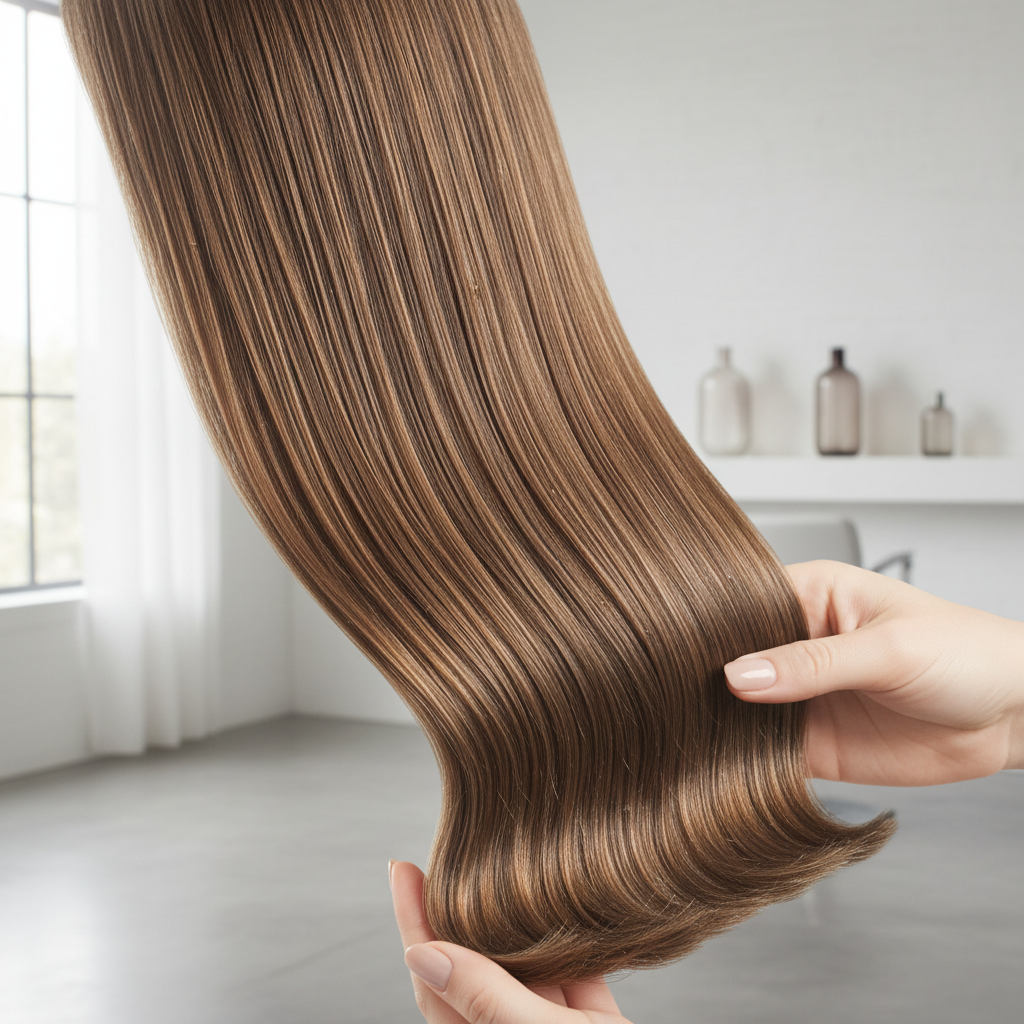
- Cuticle: The outermost layer, made of overlapping, scale-like cells. A healthy cuticle lies flat, reflecting light and making hair appear shiny and smooth. Damage can cause scales to lift, leading to dullness, frizz, and tangling.
- Cortex: The middle and thickest layer, containing the majority of the hair's pigment (melanin) and responsible for its strength and elasticity. Changes here affect hair's texture and resilience.
- Medulla: The innermost core, present in some hair types but not all. Its function is not fully understood, but it is believed to play a role in regulating hair temperature.
Hair grows from follicles beneath the scalp. The health of the follicle and scalp directly impacts the quality of the hair shaft that emerges.
Cleansing and Conditioning
Regular cleansing removes dirt, oil, product buildup, and environmental pollutants from the hair and scalp. Conditioning replenishes moisture and helps to smooth the cuticle.
Shampooing
frequency depends on hair type, lifestyle, and scalp condition. Oily hair may require daily washing, while dry or coily hair might benefit from less frequent cleansing, perhaps once or twice a week. Over-washing can strip natural oils, leading to dryness, while under-washing can result in buildup and scalp issues.
When selecting a shampoo, consider its pH level. Hair has a natural pH of approximately 4.5 to 5.5, which is acidic. Products with a similar pH help maintain cuticle integrity. Sulfates are common cleansing agents that create lather; while effective, some individuals find them too stripping, especially those with dry or colour-treated hair.
Conditioning
Conditioners typically follow shampooing and are designed to close the cuticle, detangle, reduce static, and improve shine. They often contain silicones, oils, and humectants (ingredients that attract moisture). Leave-in conditioners provide continuous hydration and protection without being rinsed out.
Deep conditioners or hair masks offer more intensive treatments, delivering concentrated ingredients to address specific concerns like damage, dryness, or lack of protein. These are usually applied once a week or bi-weekly.
Detangling and Brushing
Proper detangling prevents breakage and preserves hair strength. Always detangle gently, working from the ends upwards to the roots. Use a wide-tooth comb or a dedicated detangling brush on damp hair, ideally with a conditioner or detangling spray to provide slip.
Brushing dry hair helps distribute natural oils from the scalp to the ends, promoting shine and health. Use a brush with soft bristles, such as boar bristles, which are effective at oil distribution without causing excessive friction.
Heat Styling and Protection
Heat styling tools, such as blow dryers, flat irons, and curling irons, can reach temperatures that denature hair proteins and evaporate internal moisture, leading to breakage and damage. Consistent use at high temperatures can permanently alter hair structure.
To minimise damage:
- Lower Temperature Settings: Use the lowest effective heat setting for your hair type.
- Heat Protection Spray: Always apply a heat protectant product before using heat tools. These products create a barrier that slows heat conduction, distributes heat more evenly, and often contain silicones or polymers that reduce friction.
- Minimize Frequency: Limit heat styling to reduce cumulative damage.
Chemical Treatments
Chemical treatments, including colouring, perming, and straightening, alter the hair's internal bonds. While they can dramatically change hair appearance, they inherently cause some degree of damage.
Considerations for chemically treated hair:
- Professional Application: Always seek professional stylists for chemical services to ensure correct product application and processing times.
- Post-Treatment Care: Use products specifically formulated for chemically treated hair, as these often contain ingredients to help repair bonds, replenish moisture, and lock in colour.
- Regular Conditioning: Deep conditioning treatments are crucial to restore moisture and protein after chemical services.
Nutritional and Lifestyle Factors
Hair health is also influenced by internal factors.
Diet
A balanced diet rich in proteins, vitamins (especially A, C, D, E, biotin, and B vitamins), and minerals (iron, zinc) supports healthy hair growth and strength. These nutrients are essential for keratin production and follicle function. Hydration is also key; drinking adequate water supports overall body health, including hair.
Stress and Sleep
Chronic stress can impact hair growth cycles. Adequate sleep allows the body to repair and regenerate, which extends to hair follicles. Managing stress through relaxation techniques and ensuring sufficient rest contributes to overall hair vitality.
Protective Habits
Adopting protective habits can significantly reduce daily wear and tear on hair.
- Gentle Handling: Avoid aggressive brushing, towel-drying (opt for blotting with a microfiber towel or cotton t-shirt), and tight hairstyles that pull at the roots.
- Silk or Satin Pillowcases: These materials create less friction than cotton, reducing tangles and breakage overnight.
- Sun Protection: Just like skin, hair can be damaged by UV radiation. Wear hats or use hair products with UV filters when exposed to prolonged sun.
- Regular Trims: Trimming hair every 6-12 weeks removes split ends, which can travel up the hair shaft and cause further damage if left unchecked. This maintains a tidy appearance and promotes overall hair health.
By integrating these maintenance practices, hair can remain strong, healthy, and vibrant, reflecting overall well-being.
Find these ingredients in Watermans products
- Biotin, you will find this ingredient in our Hair Growth Shampoo.
- Zinc, you will find this ingredient in our Hair Vitamins.