Hair Structure and Growth: An Evidence-Based Guide
12 min read ·
Understanding Hair Structure and Growth is key to maintaining healthy hair, encompassing the hair follicle's active role and the hair shaft's protective layers, though individual responses to care vary significantly.
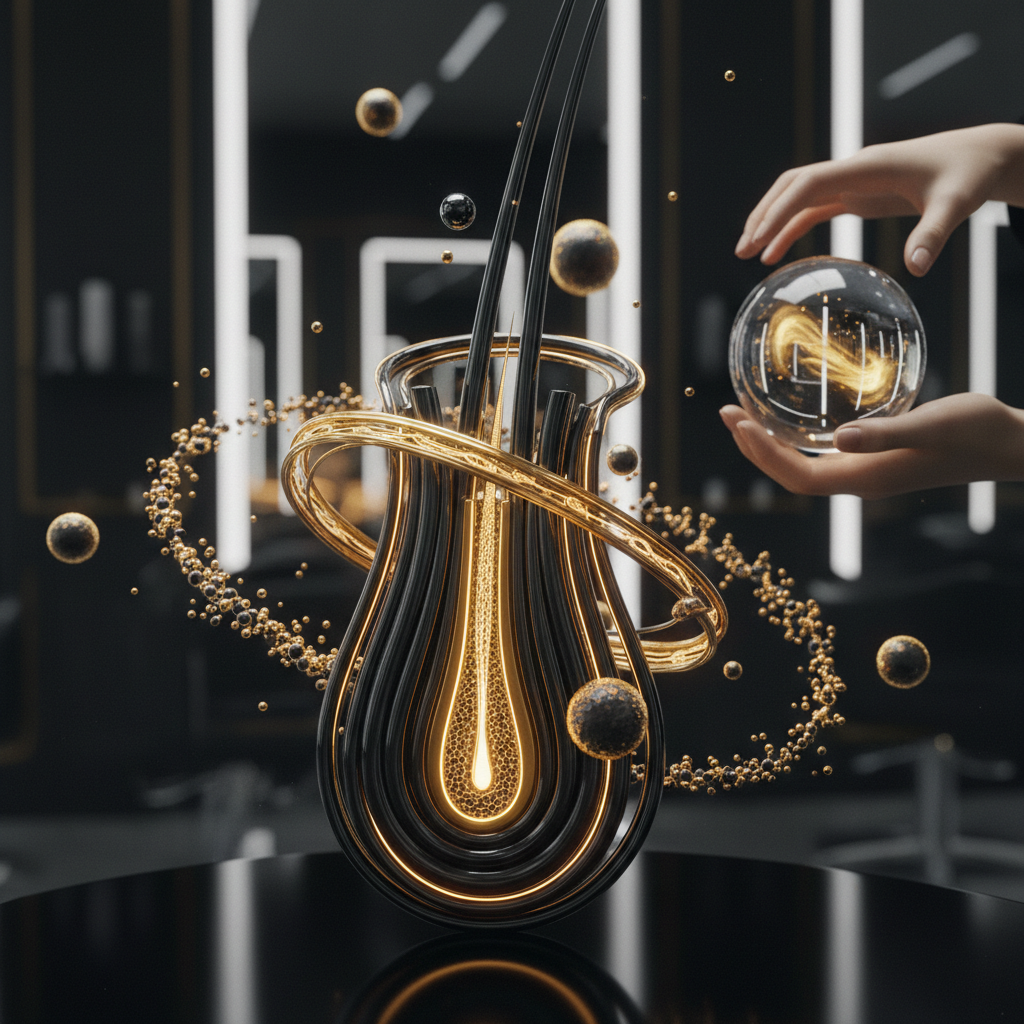
Quick answer: Hair Structure and Growth refers to the biological makeup of the hair strand and follicle, alongside the cyclical process by which hair is produced and renewed. Understanding these fundamental aspects, from the protective outer cuticle to the actively growing cells within the follicle, is crucial for maintaining hair health. However, individual variations in genetics, lifestyle, and environment mean that outcomes of hair care practices can differ greatly. This article explains the science behind hair structure and growth, helping you make informed decisions for your hair health.
Key takeaways
- Hair is primarily made of keratin protein, with the visible shaft being biologically inert and the follicle responsible for growth.
- The hair follicle, embedded in the skin, is a complex mini-organ containing the dermal papilla and hair matrix crucial for new hair production.
- The hair shaft consists of three layers: the protective cuticle, the strength-giving cortex, and the innermost medulla (present in some hair types).
- Hair growth follows a cyclical pattern of anagen (growth), catagen (transition), and telogen (resting/shedding) phases, with individual follicles operating independently.
- Numerous factors, including genetics, nutrition, hormones, stress, age, and scalp health, profoundly influence Hair Structure and Growth.
- Healthy hair care practices, such as gentle cleansing and protection from damage, support optimal hair health and minimise breakage.
Hair Structure and Growth: What the evidence shows
Understanding Hair Structure and Growth begins with recognising hair as a complex biological system, not merely a cosmetic accessory. Hair is a protein filament that grows from follicles found in the dermis, or skin. Its primary component is keratin, a tough, fibrous protein that also forms nails and the outermost layer of skin. While the visible part of the hair, the shaft, is non-living, the hair follicle beneath the skin surface is a dynamic structure where all the biological activity of hair production occurs. This continuous cycle of growth, regression, and rest is fundamental to maintaining a healthy head of hair, with each follicle typically operating independently to ensure consistent coverage.
The Hair Follicle: The Living Foundation
The hair follicle is a sophisticated mini-organ responsible for producing and regulating hair growth. It is a tube-like invagination of the epidermis (outer skin layer) that extends deep into the dermis. This structure is richly supplied with blood vessels and nerves, highlighting its active biological role. Key components within the follicle include:
- Dermal Papilla: Located at the base of the follicle, the dermal papilla is a cluster of specialised cells containing capillaries that deliver essential nutrients and oxygen. It plays a critical signalling role in regulating hair growth and the hair cycle.
- Hair Matrix: Surrounding the dermal papilla, the hair matrix contains rapidly dividing cells. These cells constantly produce new hair protein, pushing it upwards to form the hair shaft. As these cells move away from the papilla, they undergo a process called keratinisation, hardening and losing their nucleus to become the dead, structural material of the hair shaft.
- Sebaceous Gland: Attached to the follicle, this gland secretes sebum, an oily substance that lubricates the hair shaft and scalp. Sebum helps maintain the hair's flexibility, provides a protective barrier against moisture loss, and contributes to the scalp's microbiome balance. (For more information, see Sebum Regulation: Understanding and Managing Scalp Oiliness).
- Arrector Pili Muscle: A small smooth muscle that connects the follicle to the connective tissue of the dermis. Its contraction causes the hair to stand upright, commonly known as 'goosebumps', and aids in the secretion of sebum from the sebaceous gland.
The Hair Shaft: The Visible Structure
The hair shaft is the visible portion of the hair that extends beyond the scalp. Although biologically inert, its structural integrity is vital for appearance and protection. It comprises three distinct layers:
- Cuticle: The outermost layer, composed of multiple layers of flat, overlapping cells, much like scales on a fish. The cuticle's primary function is to protect the inner cortex from damage. When healthy, these cells lie flat, giving hair a smooth, shiny appearance and making it feel soft. Damage to the cuticle, often from chemical treatments, heat, or harsh styling, can lift these scales, leading to rough texture, dullness, frizz, and increased vulnerability to breakage. (Understanding Hair Porosity: How Your Hair Absorbs and Retains Moisture delves into how the cuticle impacts hair absorption).
- Cortex: The thickest layer of the hair shaft, located beneath the cuticle. The cortex is rich in keratin fibres, which are twisted into rope-like structures. These fibres provide hair with its strength, elasticity, and resilience. The cortex also contains melanin, the pigment responsible for natural hair colour. The arrangement and quantity of melanin determine whether hair is black, brown, blonde, or red.
- Medulla: The innermost core of the hair shaft, present in some hair types (typically coarser or thicker hair) but absent in others (fine hair). Its exact function is not fully understood, but it is thought to play a role in insulation and provide structural support, though its absence does not appear to significantly compromise hair strength.
The Hair Growth Cycle: A Continuous Renewal Process
Hair growth is a cyclical, not continuous, process, meaning each hair follicle independently moves through distinct phases. This asynchronous nature ensures that only a small percentage of hairs are shedding at any one time, preventing noticeable baldness under normal conditions. The hair growth cycle consists of three main phases:
Anagen Phase (Growth Phase)
This is the active growth period of a hair follicle. During anagen, cells in the hair matrix rapidly divide, producing new hair that pushes the old, club hair up and out of the follicle. The duration of the anagen phase largely determines the maximum length a hair can achieve. For scalp hair, this phase typically lasts between 2 to 7 years, though it varies significantly among individuals and can be influenced by genetics, age, and body location. For example, the anagen phase for body hair is much shorter, explaining why body hairs don't grow as long as scalp hairs.
Catagen Phase (Transition Phase)
Following the anagen phase, the hair follicle enters a brief transitional period known as catagen, lasting approximately 2 to 3 weeks. During this phase, hair growth ceases, the lower part of the follicle shrinks, and the dermal papilla detaches from the hair matrix. The hair strand, now a 'club hair', is prepared for shedding.
Telogen Phase (Resting Phase)
The telogen phase is a resting period for the hair follicle, typically lasting around 3 to 4 months. During this time, the club hair remains in the follicle, but no new growth occurs. At the end of the telogen phase, the old hair is shed naturally, or pushed out by a new anagen hair starting its growth cycle. It is normal to shed between 50 to 100 hairs per day as part of this natural renewal process. Excessive shedding (telogen effluvium) can be a sign of underlying systemic issues.
Exogen Phase (Shedding Phase)
While often considered part of the telogen phase, some experts identify an exogen phase as the active detachment and shedding of the old hair. This is the final stage where the hair physically leaves the follicle, making way for the emergence of a new anagen hair. Understanding the exogen phase helps distinguish normal daily shedding from accelerated hair loss patterns. The interplay of these phases dictates the overall Hair Structure and Growth cycle across the scalp.
Factors Influencing Hair Structure and Growth
Several factors significantly impact the health and growth patterns of hair. Recognising these influences can help individuals make informed choices about hair care and lifestyle.
Genetics
Genetic predisposition plays a fundamental role in determining hair characteristics such as texture, colour, density, and growth rate. It also influences susceptibility to conditions like androgenetic alopecia (pattern baldness), where certain hair follicles are genetically programmed to shrink and produce finer, shorter hairs over time. The length of the anagen phase is also largely genetically determined.
Nutrition
A balanced diet rich in essential nutrients is critical for healthy Hair Structure and Growth. Hair is primarily protein, so adequate protein intake is vital. Deficiencies in vitamins (e.g., D, B-complex, A, C, E) and minerals (e.g., iron, zinc, selenium) can disrupt the hair cycle and lead to thinning or brittle hair. For instance, iron deficiency anaemia is a common cause of increased hair shedding.
Hormones
Hormonal fluctuations or imbalances can have a profound impact on hair. Androgens, a group of hormones, influence hair growth patterns, with higher levels in genetically susceptible individuals contributing to androgenetic alopecia. Thyroid hormones also regulate metabolism and follicular activity, so thyroid disorders can cause hair thinning or loss. Pregnancy, menopause, and certain medical conditions or medications can also alter hormone levels, leading to changes in hair density or texture.
Stress
Chronic physical or emotional stress can disrupt the normal hair growth cycle, pushing a larger proportion of hairs into the telogen (resting/shedding) phase prematurely. This condition, known as telogen effluvium, typically results in increased hair shedding approximately 2 to 3 months after a stressful event. Managing stress through lifestyle changes can help restore the hair cycle.
Age
As individuals age, several changes occur in hair. The anagen phase tends to shorten, leading to less terminal hair growth and a finer hair texture. Hair density generally decreases, and some follicles may cease producing hair altogether. Grey hair also emerges as melanocytes (pigment-producing cells) gradually stop functioning.
Scalp Health
A healthy scalp provides the optimal environment for Hair Structure and Growth. Conditions like dandruff, seborrheic dermatitis, or excessive sebum production can cause inflammation or obstruct follicles, potentially hindering healthy growth. Regular, gentle cleansing, proper moisturisation, and avoiding harsh chemicals can help maintain scalp health. (See Understanding Scalp Health and Oily Scalp: Causes, Management, and When to Seek Help for more details).
Environmental Factors and Hair Care Practices
External factors such as UV radiation, pollution, hard water, and harsh styling practices can damage the hair shaft, leading to breakage and compromising overall hair health. Excessive heat styling, chemical treatments (colouring, perming), and tight hairstyles can weaken the hair fibre and disrupt the cuticle. Choosing appropriate hair care products (e.g., sulfate-free shampoos), gentle handling, and protective styling can mitigate these effects, supporting the natural Hair Structure and Growth process. (Refer to Hair Damage: Causes, Signs, and Solutions for comprehensive information).
Understanding Hair Breakage versus Hair Shedding
It is important to differentiate between hair breakage and hair shedding, as they indicate different underlying issues, though both can lead to a perception of thinning hair.
| Feature | Hair Shedding (Telogen Effluvium, etc.) | Hair Breakage |
|---|---|---|
| Cause | Disruption of hair growth cycle (e.g., stress, hormones, nutrition, medications) | Physical damage to hair shaft (e.g., heat, chemicals, friction, dryness) |
| Appearance | Full hair strands with a small, white bulb (root) at one end | Shorter, fragmented pieces of hair, no bulb, often split ends |
| Where it occurs | From the scalp (follicle) | Along the hair shaft |
| Impact | Reduction in hair density over the entire scalp | Hair appears shorter, uneven, frizzy, or has split ends; overall length retention is difficult |
| Solution | Address underlying physiological cause; support follicle health | Improve hair care practices; moisturise, protect, strengthen hair shaft |
Hair shedding occurs when a full hair strand, complete with its root (a small white bulb), detaches from the follicle. This is a normal part of the telogen phase but can become excessive due to internal factors. Hair breakage, on the other hand, refers to the hair fibre snapping along the shaft, often leaving behind a broken, jagged end or split ends. This is typically a sign of external damage and compromise to the cuticle and cortex, rather than a problem with the hair follicle itself. Never confuse breakage with hair loss or shedding; they are distinct issues requiring different interventions.
Frequently asked questions about Hair Structure and Growth
What are the main components of a hair strand?
A hair strand primarily consists of the hair shaft and the hair follicle. The shaft, the visible part, has three layers: the cuticle (outer protective layer), the cortex (main bulk providing strength and colour), and sometimes the medulla (innermost core). The follicle, embedded in the skin, is the living structure where hair is produced, containing the dermal papilla and hair matrix crucial for Hair Structure and Growth.
How long does hair typically grow in a month?
On average, healthy scalp hair grows about 1 to 1.25 centimetres (approximately 0.5 inches) per month, which equates to about 15 centimetres (6 inches) per year. However, this rate can vary due to genetics, age, overall health, nutrition, and even ethnicity. This growth occurs during the anagen phase of the hair cycle.
Can diet affect hair structure and growth?
Absolutely. A balanced diet rich in protein, essential fatty acids, vitamins (especially A, C, D, E, B-complex) and minerals (iron, zinc, selenium) is crucial for healthy Hair Structure and Growth. Deficiencies can lead to brittle, weak, or thinning hair, and even increased shedding. Ensuring adequate nutrient intake supports the hair follicle's ability to produce strong, healthy hair fibres.
What is the difference between hair loss and hair shedding?
Hair loss typically refers to a decrease in the number of hair follicles producing hair, often resulting in visible thinning or bald patches (e.g., alopecia). Hair shedding is the normal process where old, resting hairs detach from the follicles to make way for new growth, usually 50 to 100 hairs daily. While both reduce hair on the head, shedding is usually temporary and reversible, whereas hair loss can be more persistent and progressive, impacting the overall Hair Structure and Growth cycle.
How can I improve the health of my hair follicles?
Improving hair follicle health involves several strategies: maintaining a healthy, clean scalp (e.g., through regular, gentle washing and scalp exfoliation), ensuring a nutrient-rich diet, managing stress, and protecting your hair and scalp from environmental damage. Gentle massage can also stimulate blood flow to the scalp, potentially benefiting follicles. Avoiding harsh chemicals and excessive heat also reduces stress on the follicles.
Supporting Healthy Hair Structure and Growth with Watermans
Maintaining the intricate balance of Hair Structure and Growth involves both internal health and external care. While genetics and overall health play significant roles, the products you choose for your hair and scalp can provide supportive benefits to the hair fibre and surrounding environment.
Watermans products are formulated to nourish the scalp and hair from the outside. For instance, our range of shampoos and conditioners is designed to cleanse gently while delivering beneficial ingredients that can help maintain the hair's outer cuticle, reducing the likelihood of breakage and supporting a healthy appearance. The aim is to create an optimal environment for existing hair to thrive and to minimise factors that can compromise hair health.
Sources and references
- American Academy of Dermatology Association. (n.d.). Hair loss: Causes, symptoms, and treatment. Retrieved from aad.org
- Mayo Clinic. (n.d.). Hair loss. Retrieved from mayoclinic.org
- National Institutes of Health (NIH). (n.d.). Hair follicle. Retrieved from nih.gov
- Paus, R., & Cotsarelis, G. (1999). The Biology of Hair Follicles. The New England Journal of Medicine, 341(7), 491-497.
- Schneider, M. R., Schmidt-Ullrich, R., & Paus, R. (2009). The hair follicle as a stem cell niche. Developmental Cell, 17(5), 618-631.
- Sinclair, R. (2004). Male pattern androgenetic alopecia. BMJ, 329(7462), 392-393.
- Trueb, R. M. (2003). The impact of oxidative stress on the hair follicle. International Journal of Cosmetic Science, 25(3), 119-122.
Find these ingredients in Watermans products
- Zinc: you will find this ingredient in our Hair Vitamins.