Hair Shedding vs Hair Loss: Understanding the Differences
10 min read ·
Understanding the distinction between hair shedding vs hair loss is crucial for identifying potential hair health concerns.
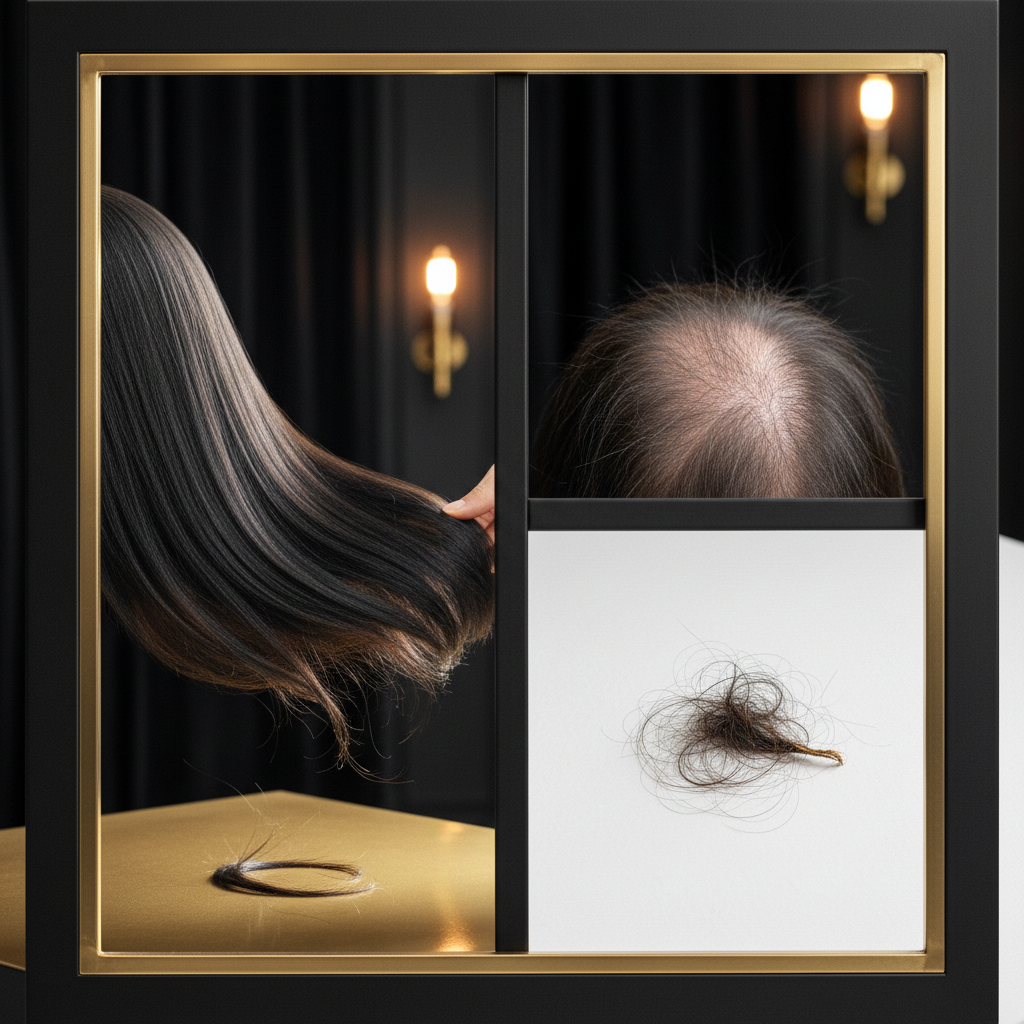
Quick answer: Hair Shedding vs Hair Loss refers to two distinct phenomena: shedding is a normal, temporary part of the hair growth cycle where hair falls out to make way for new growth, while hair loss (alopecia) indicates a reduction in hair density, often due to follicles ceasing to produce hair or producing thinner strands. The main limitation is that significant shedding can sometimes mask the early stages of hair loss, requiring careful observation.
Key takeaways
- Hair shedding is a natural and necessary part of the hair growth cycle, typically involving 50 to 100 hairs daily.
- Hair loss, or alopecia, means follicles are no longer producing hair or are producing significantly miniaturised hair, leading to visible thinning.
- Telogen effluvium is a common form of increased shedding, often temporary and triggered by stress or physiological changes.
- Identifying the pattern and location of hair thinning can help distinguish between shedding and various types of hair loss.
- Breakage refers to the hair fibre snapping along the shaft, not related to the follicle, and is distinct from both shedding and loss.
- Professional advice is recommended if you notice persistent, unexplained, or significant changes in your hair density or shedding patterns.
Hair Shedding vs Hair Loss: what the evidence shows
Understanding the distinction between hair shedding vs hair loss is vital for accurately assessing hair health. Evidence clearly differentiates these two processes based on the hair follicle's activity and the overall density of hair on the scalp.
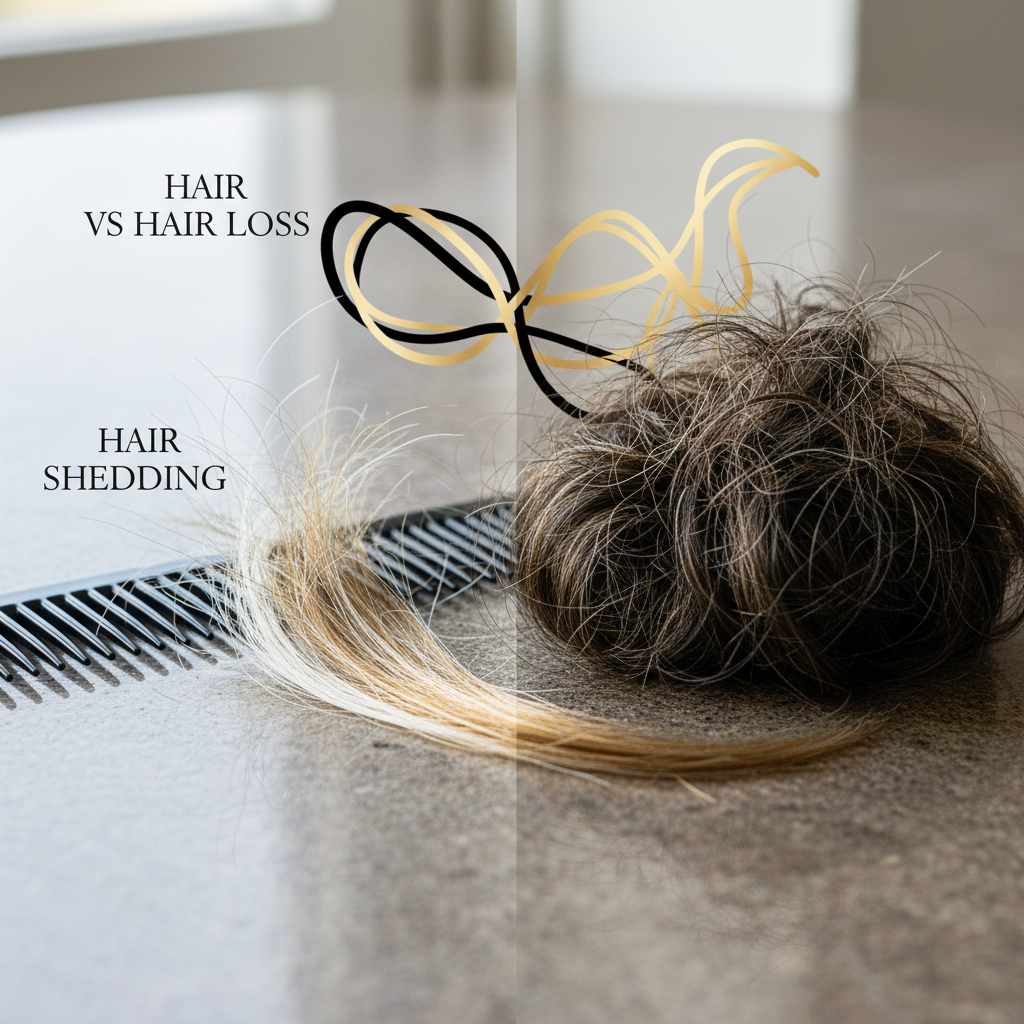
What is Hair Shedding?
Hair shedding is a natural and continuous process, part of the normal hair growth cycle. Each hair follicle goes through three main phases: anagen (growth), catagen (transition), and telogen (resting). During the telogen phase, the hair detaches from the follicle and eventually falls out, making way for a new anagen hair to grow. It is completely normal to shed between 50 to 100 hairs per day. This amount can vary slightly from person to person and is influenced by factors such as hair washing frequency and styling habits. This shedding is simply the scalp's way of refreshing its hair population.
Increased hair shedding, often referred to as telogen effluvium, occurs when a higher percentage of hairs prematurely enter the telogen (resting) phase. This can be triggered by significant physiological stress, such as childbirth, severe illness, rapid weight loss, certain medications, or emotional stress. Typically, this type of shedding begins about 2 to 4 months after the triggering event and is usually temporary, with hair growth returning to normal within 6 to 9 months.
What is Hair Loss (Alopecia)?
Hair loss, clinically termed alopecia, refers to a reduction in hair density on the scalp, which can range from thinning to complete baldness. Unlike shedding, where hair is replaced, hair loss involves a disruption in the follicle's ability to produce healthy hair. This can occur for several reasons:
- Miniaturisation: Follicles produce progressively thinner, shorter, and less pigmented hairs over time, eventually ceasing production altogether. This is characteristic of androgenetic alopecia (pattern baldness).
- Follicle damage: Inflammation or scarring can permanently damage hair follicles, preventing any future hair growth. This is seen in conditions like cicatricial (scarring) alopecias.
- Immune system attack: The body's immune system can mistakenly attack hair follicles, as in alopecia areata, leading to patchy hair loss.
The key difference from shedding is that with hair loss, the lost hairs are either not replaced at all or are replaced by much finer, weaker hairs, leading to a noticeable decrease in overall hair volume and density.
What the evidence does not show
There is currently insufficient evidence to conclude that everyday practices like frequent washing, brushing, or wearing hats directly cause permanent hair loss in healthy individuals. While these actions might dislodge hairs already in the telogen phase (thus contributing to the daily shed count), they do not typically damage the hair follicle itself to the point of causing true alopecia.
Similarly, claims that specific shampoos or topical products can "regrow" hair lost due to permanent follicle damage are generally not supported by robust scientific evidence, unless they contain medically recognised active ingredients (like minoxidil) or are prescribed by a healthcare professional. Cosmetic products can improve the appearance of hair, making it look thicker or feel stronger, but they do not typically alter the physiological function of a damaged follicle.
Signs to look for
Distinguishing between normal shedding, increased shedding, and hair loss involves observing several factors:
- Amount of hair: Normal shedding is typically 50 to 100 hairs per day. If you consistently find significantly more hair on your pillow, in the shower, or in your brush, it might indicate increased shedding (telogen effluvium) or hair loss.
- Pattern of loss: Telogen effluvium usually presents as diffuse thinning across the entire scalp. Pattern hair loss (androgenetic alopecia) shows a characteristic pattern: a receding hairline and thinning at the crown for men, or a widening part and diffuse thinning over the top of the scalp for women. Alopecia areata causes distinct, smooth, round patches of hair loss.
- Hair texture: If new hairs growing back are noticeably finer, weaker, or shorter than your previous hair, this suggests miniaturisation associated with progressive hair loss.
- Scalp visibility: An increasingly visible scalp, especially when your hair is dry, is a strong indicator of reduced hair density, pointing towards hair loss.
What you can do
If you are experiencing increased shedding or suspect hair loss, there are several steps you can take:
- Monitor and document: Keep a diary of when you notice increased shedding or thinning. Take photos every few months to track changes in density or pattern.
- Review lifestyle factors: Consider recent stressors, dietary changes, medications, or illnesses that might be contributing to increased shedding. Ensure a balanced diet rich in essential vitamins and minerals.
- Gentle hair care: Handle your hair gently, avoid excessive heat styling, tight hairstyles, or harsh chemical treatments that can cause breakage or put stress on follicles.
- Scalp health: Maintain a healthy scalp environment. Regular, gentle cleansing can help prevent build-up that might impede healthy hair growth.
When the cause may be something else
Sometimes, what appears to be hair shedding or loss can be related to other conditions:
- Hair breakage: This is not true hair shedding or hair loss. Breakage occurs when the hair shaft snaps due to damage (e.g., from heat styling, chemical processes, rough handling, or extreme dryness). The hair fibre itself is compromised, not the follicle.
- Underlying medical conditions: Thyroid disorders, iron deficiency anaemia, autoimmune diseases, and hormonal imbalances (like PCOS) can all manifest with hair changes. Treating the underlying condition often resolves the hair issue.
- Medication side effects: Certain medications can cause hair shedding or loss as a side effect. Consult your doctor if you suspect a medication is responsible.
When to get professional advice
It's wise to seek professional advice from a GP, dermatologist, or trichologist if:
- You notice sudden or rapid hair loss.
- Your hair loss is patchy or accompanied by scalp itching, pain, or redness.
- You are shedding significantly more than 100 hairs per day for an extended period (more than 6 months).
- You observe new growth is finer or sparse, or your scalp is becoming increasingly visible.
- You are concerned about the extent of your hair shedding vs hair loss and it's affecting your well-being.
A professional can help determine the exact cause, rule out underlying medical conditions, and recommend appropriate management strategies or treatments.
Hair Shedding vs Hair Loss Comparison
| Feature | Hair Shedding (Normal) | Increased Shedding (Telogen Effluvium) | Hair Loss (Alopecia) |
|---|---|---|---|
| Mechanism | Hair naturally enters telogen and falls out | More hairs prematurely enter telogen and fall out | Follicles stop producing hair, or produce miniaturised hair |
| Hairs per day | 50 to 100 | Often 100 to 300+ | Varies; often accompanied by lack of regrowth or miniaturisation |
| Regrowth | New hair replaces shed hair immediately | Hair typically regrows once trigger is removed | Reduced or absent regrowth, or finer hair regrowth |
| Scalp density | Remains consistent | Usually diffuse thinning, often temporary | Visible reduction in density, specific patterns possible |
| Common causes | Normal hair cycle | Stress, illness, childbirth, medication | Genetics, hormones, autoimmune conditions, scarring |
| Duration | Ongoing cycle | Typically 6 to 9 months post-trigger | Can be progressive and permanent without intervention |
Frequently asked questions about Hair Shedding vs Hair Loss
Is it normal to shed a lot of hair when washing?
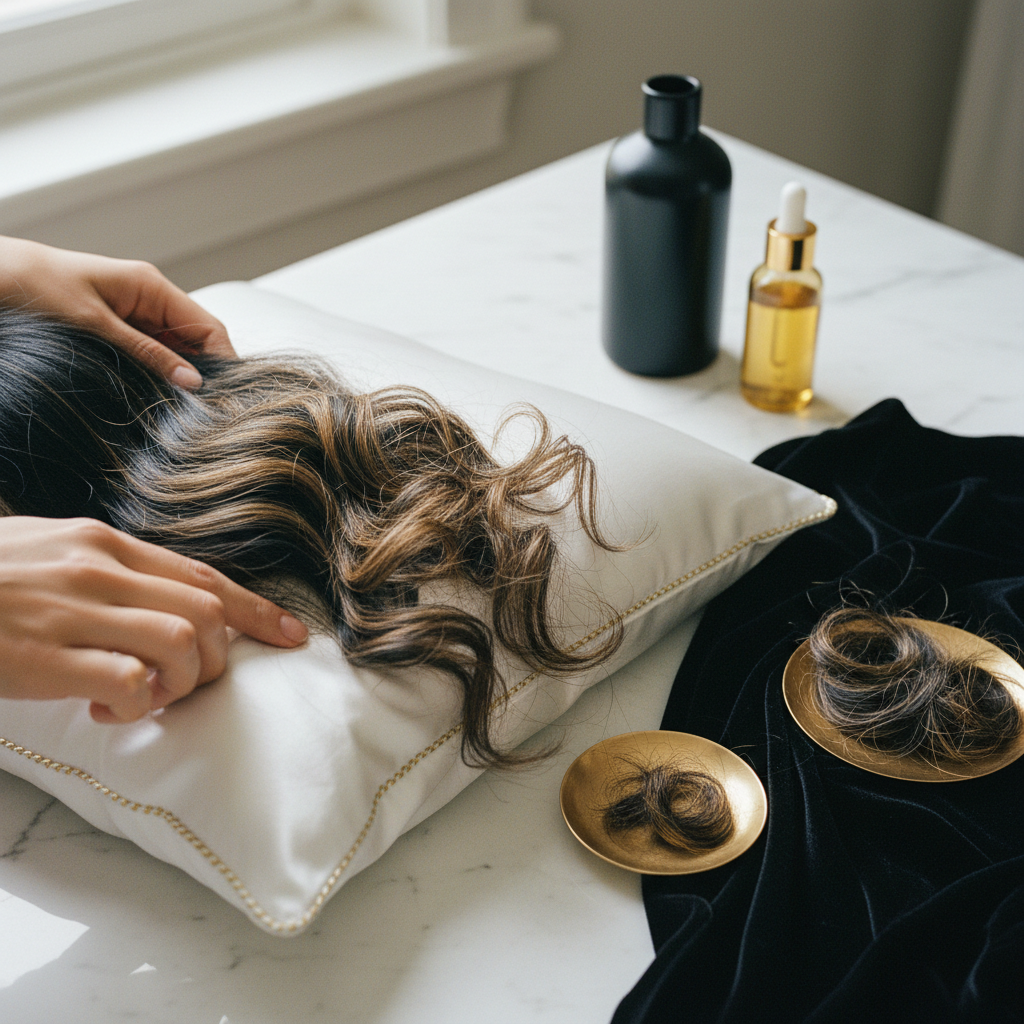
Yes, it's normal to shed more hair on wash days. During washing, hairs that have already detached from the follicle but were held in place by styling products or simply resting among other hairs are dislodged. This can appear alarming, but it often represents the accumulated shedding of several days. If the total amount of hair shed over a week remains within the normal range, it's usually not a cause for concern.
Can stress cause permanent hair loss?
Extreme or prolonged stress can trigger telogen effluvium, which is an increase in hair shedding. This condition is usually temporary, meaning hair growth should normalise once the stress is managed. However, chronic stress can also exacerbate genetic predispositions to hair loss, potentially speeding up conditions like androgenetic alopecia. It's important to address stress for overall health and to support hair vitality.
How can I tell if my hair is breaking or shedding?
To distinguish between breakage and shedding, examine the fallen hairs. Shed hairs from the scalp will typically have a small, white bulb (the root) at one end. Broken hairs, however, will be shorter, lack a bulb, and may have a jagged or split end where they snapped along the shaft. Breakage occurs along the hair fibre, while shedding involves the entire hair shaft detaching from the follicle.
Does dietary deficiency impact hair shedding vs hair loss?
Yes, significant dietary deficiencies can impact both hair shedding and true hair loss. Deficiencies in essential nutrients like iron, zinc, biotin, and certain proteins can disrupt the hair growth cycle, leading to increased shedding (telogen effluvium). Severe, prolonged malnutrition can also impair follicle function, contributing to more persistent thinning. A balanced diet is crucial for healthy hair growth and reducing the risk of nutrient-related hair issues.
Can hair shedding be a sign of a more serious health problem?
While often benign, persistent or excessive hair shedding can sometimes be an indicator of an underlying health issue. Conditions such as thyroid imbalances, autoimmune diseases, chronic infections, or nutritional deficiencies can all manifest with changes in hair shedding. If you experience unusual or prolonged shedding, especially if accompanied by other symptoms, it's important to consult a healthcare professional for diagnosis and appropriate management.
Conclusion
Distinguishing between hair shedding vs hair loss is fundamental to understanding your hair health. While daily shedding is a normal, healthy process, significant changes in the amount of hair shed or the density of your hair can signal an underlying issue. Increased shedding (telogen effluvium) is often temporary, linked to stressors, and typically resolves on its own. True hair loss, or alopecia, involves a reduction in hair density due to issues with the hair follicles themselves, often requiring a different approach. Observing your hair and seeking professional advice for persistent concerns ensures you get the right support for maintaining a healthy scalp and hair.
Supporting healthy hair with Watermans
Watermans products are formulated with beneficial ingredients designed to support a healthy scalp environment and promote the appearance of thicker, fuller, and stronger-feeling hair. Our range includes shampoos, conditioners, and elixirs that aim to nourish the hair from root to tip, helping to reduce the look of breakage and improve overall hair condition. They are developed to complement your hair care routine, especially if you are experiencing general thinning or looking to maintain optimum hair vitality.
Sources and references
- American Academy of Dermatology Association, "Hair Loss: Diagnosis and Treatment", Year Accessed (e.g., 2023), aad.org
- British Association of Dermatologists, "Hair loss (alopecia)", Year Accessed (e.g., 2023), bad.org.uk
- NHS, "Hair loss", Year Accessed (e.g., 2023), nhs.uk
- National Institutes of Health (NIH), National Institute of Arthritis and Musculoskeletal and Skin Diseases (NIAMS), "Hair Loss", Year Accessed (e.g., 2023), niams.nih.gov
- PubMed Central, Journal articles on "telogen effluvium" and "androgenetic alopecia" (specific article details not provided as they vary), pubmed.ncbi.nlm.nih.gov
Find these ingredients in Watermans products
- Biotin: you will find this ingredient in our Hair Growth Shampoo.
- Zinc: you will find this ingredient in our Hair Vitamins.