Hair Protective Styling: An Overview
5 min read ·
Protective styling minimizes manipulation and exposure to environmental stressors, promoting hair health and length retention.
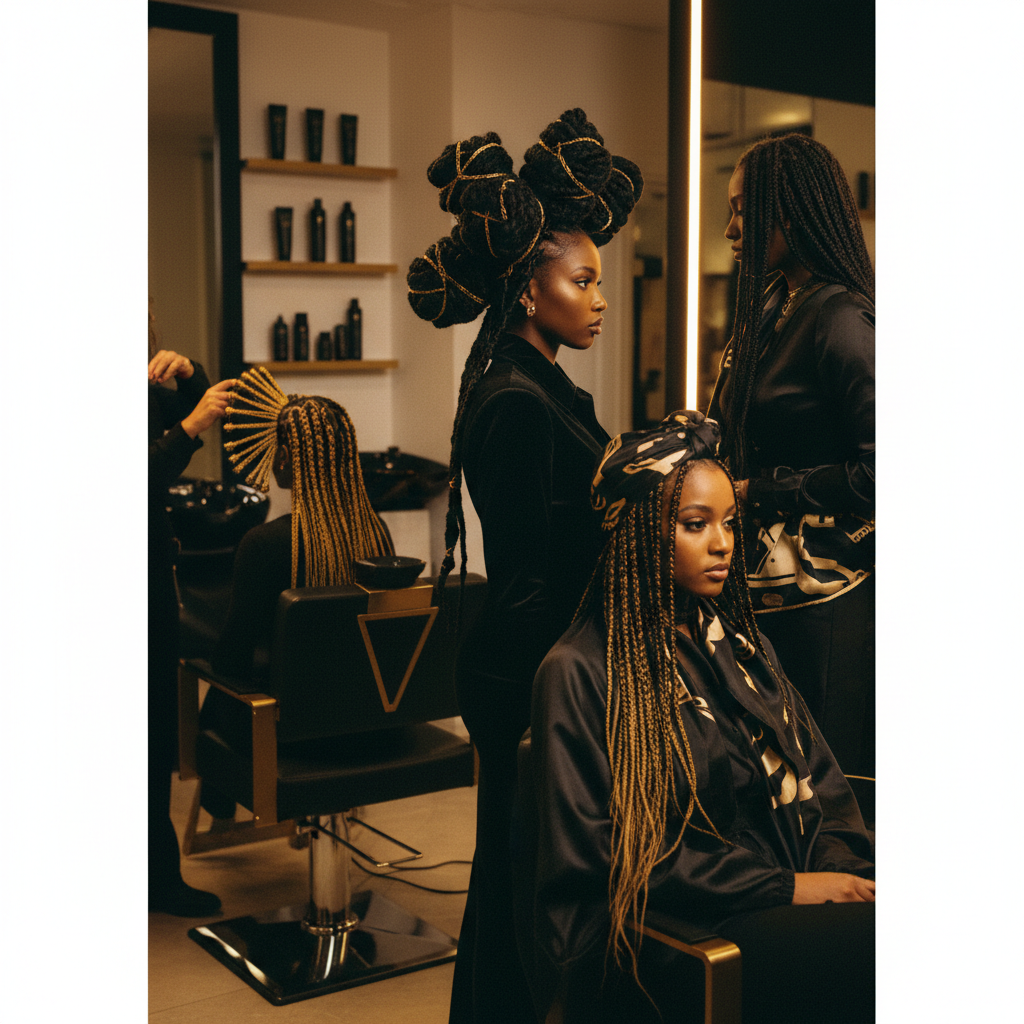
Understanding Protective Styling
Protective styling refers to any hairstyle that tucks away the ends of the hair, minimizing manipulation, reducing exposure to environmental damage, and promoting length retention. The ends of the hair are the oldest and most fragile parts, making them most susceptible to breakage. By incorporating protective styles, individuals can safeguard their hair from daily wear and tear, chemical treatments, and harsh weather conditions.
Benefits of Protective Styling
- Reduced Breakage: The primary benefit is the significant reduction in hair breakage. By limiting styling, brushing, and environmental exposure, the hair strands are less likely to snap or split.
- Length Retention: With decreased breakage, hair can retain more of its length, leading to the appearance of faster growth. It's important to note that protective styling doesn't increase the rate of hair growth, but rather helps to preserve the hair that has grown.
- Moisture Retention: Many protective styles, especially those that involve braiding or twisting, help to seal in moisture, particularly when combined with moisturising products.
- Reduced Manipulation: Less daily styling means less pulling, tugging, and heat application, all of which can contribute to damage.
- Versatility: A wide range of styles fall under the umbrella of protective styling, offering diverse aesthetic options.
Types of Protective Styles
Protective styles vary greatly in complexity, duration, and the level of protection they offer. They can be broadly categorized into styles that are temporary (often done at home and removed within a week or two) and those that are more long-term (installed by a professional and worn for several weeks).
Temporary Protective Styles
These styles are typically created with one's own hair and are designed for shorter wear times.
- Braids (e.g., French braids, Dutch braids): These classic styles keep hair neatly contained and can be adapted for various lengths and textures.
- Twists (e.g., two-strand twists, flat twists): Similar to braids, twists offer a gentle way to secure hair, often resulting in natural-looking waves when unraveled.
- Buns and Updos: Simple buns, chignons, and intricate updos keep the hair off the shoulders and neck, shielding the ends.
- Wigs and Headwraps: These accessories offer external protection, completely covering the hair from environmental elements. Wigs can also be a standalone protective style, if hair is neatly braided underneath and cared for.
Long-Term Protective Styles
These styles often involve extensions and are intended for longer wear, usually requiring professional installation and removal.
- Box Braids: Individual braids created with added hair extensions. They are versatile but can place tension on the scalp if too tight or heavy.
- Cornrows: Braids that lie flat against the scalp, often done with extensions. They provide a strong foundation for weaves or can be worn as a style themselves.
- Faux Locs/Goddess Locs: Created by wrapping hair around one's natural hair, mimicking the appearance of dreadlocks. These can be heavy and require careful installation.
- Wig Units/Sealed Weaves: While wigs and weaves can be long-term, the hair underneath must be properly cared for, moisturized, and allowed to breathe. A 'sealed weave' refers to a full head weave where no natural hair is left out.
Best Practices for Protective Styling
To reap the full benefits of protective styling and avoid potential damage, several key practices must be observed.
Preparation and Installation
- Cleanse and Condition: Always start with freshly cleansed and deep-conditioned hair. Ensure hair is fully dry before styling, especially when using extensions, to prevent mildew.
- Moisturize: Apply a leave-in conditioner or hair oil to moisturise the hair before styling. This provides a barrier and helps to lock in hydration.
- Avoid Excessive Tension: The most critical factor. Styles that pull too tightly on the scalp can lead to traction alopecia, a form of hair loss. Ensure braids, twists, or ponytails are not painful or causing headaches.
- Choose Appropriate Size and Weight: For styles with extensions, choose a size and weight that your natural hair can support without excessive strain.
Maintenance During Wear
- Scalp Care: Keep the scalp clean and moisturized. Regular gentle cleaning with a diluted astringent or specialized scalp cleanser can prevent product buildup and itching.
- Moisturize Regularly: Even in a protective style, hair can become dry. Use a light spray moisturiser or hair oil to rehydrate your hair and scalp every few days.
- Nighttime Protection: Wear a satin or silk scarf or bonnet to bed to reduce friction, prevent frizz, and maintain moisture.
- Limit Duration: Avoid leaving protective styles in for too long. Generally, 4 to 8 weeks is a maximum for most long-term styles, depending on the style and hair type. Leaving them in longer can lead to matting, tangling, and excessive shedding upon removal.
Removal and Post-Styling Care
- Gentle Removal: Take down styles slowly and carefully. Do not tug or rip through knots.
- Detangle Carefully: Before washing, gently detangle hair section by section using a wide-tooth comb or your fingers, preferably with a detangling conditioner. Expect some shedding; healthy hair sheds 50 to 100 hairs per day, and these shed hairs accumulate in protective styles.
- Deep Condition: After removing a protective style, hair benefits greatly from a deep conditioning treatment to replenish moisture and strengthen strands.
- Rest Periods: Allow your hair to breathe and rest between protective styles. Give your scalp and hair a break from tension and extensions.
Potential Pitfalls to Avoid
While highly beneficial, protective styling comes with potential drawbacks if not executed correctly.
- Traction Alopecia: Hair loss caused by constant pulling on the hair follicle. This is often irreversible if severe or prolonged.
- Product Buildup: Neglecting scalp care can lead to product and dead skin cell accumulation, causing itching, flaking, and potential fungal issues.
- Matting and Breakage: Leaving styles in too long or not properly detangling can result in severe matting, which can lead to significant breakage during removal.
Adhering to best practices ensures protective styling remains a powerful tool for maintaining hair health and achieving desired length.