Hair Moisturizing
3 min read ·
Hair moisturising focuses on maintaining the water content within the hair shaft, which is crucial for elasticity, strength, and overall hair health.
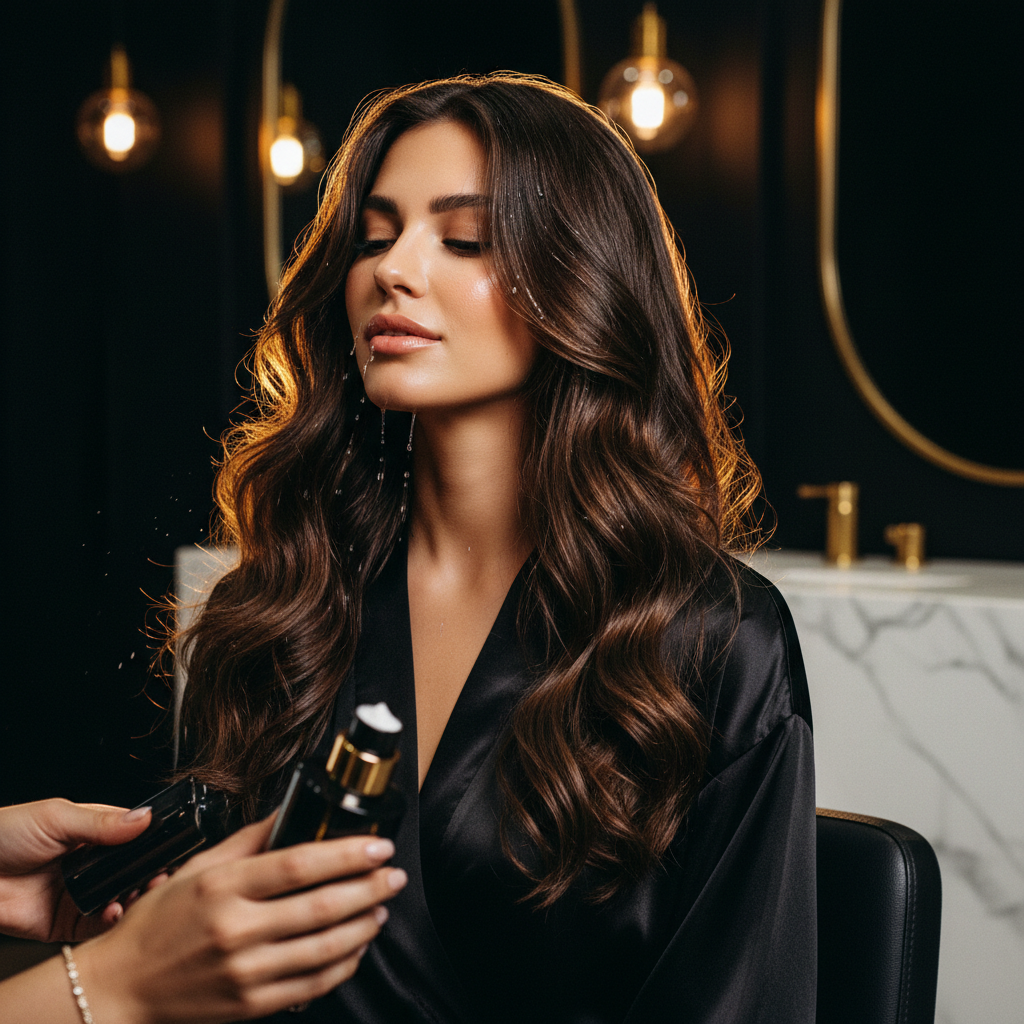
Understanding Hair Moisture
Hair moisture refers to the presence of water within the hair shaft. Unlike hydration, which broadly implies adding water or humectants to hair, true moisturising focuses on retaining this water content. Hair that is adequately moisturized is pliable, less prone to breakage, and exhibits a healthy sheen. Conversely, hair lacking sufficient moisture can become brittle, dull, and susceptible to damage.
The Hair Structure and Moisture Retention
To understand how hair retains moisture, it's essential to briefly consider its structure. The hair shaft is primarily composed of keratin, a fibrous protein. The outermost layer is the cuticle, consisting of overlapping, scale-like cells. A healthy cuticle lies flat, forming a protective barrier that seals in moisture and protects the inner cortex. When the cuticle is raised or damaged, moisture can escape more easily, leading to dryness and vulnerability.
Factors Affecting Hair Moisture
Numerous internal and external factors influence hair's ability to retain moisture:
- Environmental Conditions: Low humidity, dry climates, and exposure to sun and wind can strip hair of its natural moisture.
- Chemical Treatments: Processes like colouring, perming, and relaxing can alter the hair's structure, often leading to a raised cuticle and reduced moisture retention.
- Heat Styling: Frequent use of high heat from tools such as flat irons, curling irons, and blow dryers can deplete moisture and damage the cuticle.
- Mechanical Damage: Aggressive brushing, tight hairstyles, and friction from certain fabrics can cause cuticle damage, making hair more porous and less able to hold moisture.
- Hair Care Practices: Skipping conditioning, using harsh shampoos, or not incorporating moisturising products can contribute to dryness.
- Genetics and Hair Type: Some hair types, particularly curlier textures, have a naturally raised cuticle and a more complex structure, making them inherently more prone to dryness.
- Age: As we age, the hair's natural oil production can decrease, impacting its ability to maintain moisture.
Identifying Dry Hair
Recognizing the signs of dry hair is the first step toward effective moisturising. Common indicators include:
- Lack of Luster: Hair appears dull and lifeless, lacking a natural shine.
- Rough Texture: The hair feels coarse or straw-like to the touch.
- Reduced Elasticity: Hair snaps easily when stretched, rather than returning to its original state.
- Increased Breakage: Visible hair strands breaking off during brushing or styling.
- Frizz: Hair strands stand away from the main body of hair, often indicating a raised cuticle seeking moisture from the environment.
- Split Ends: The ends of the hair shaft split due to damage and lack of moisture.
Moisturizing Strategies
Effective hair moisturising involves a multi-faceted approach, combining gentle care with targeted products.
Gentle Cleansing
Shampoo's primary role is to cleanse the scalp and hair, removing dirt, oil, and product buildup. However, some shampoos can be overly stripping, removing not only impurities but also beneficial natural oils.
- Sulfate-Free Shampoos: Sulfates are common cleansing agents that can be harsh. Sulfate-free formulations generally provide a gentler cleanse, preserving natural moisture.
- Co-washing: For very dry or coily hair, co-washing (conditioning washing) involves using a conditioner in place of shampoo to cleanse and moisturise simultaneously.
Conditioning
Conditioners are crucial for restoring moisture, smoothing the cuticle, and improving detangling.
- Rinse-Out Conditioners: Applied after shampoo, these conditioners provide immediate moisture and detangling benefits. They often contain occlusives and emollients to seal moisture and soften hair.
- Deep Conditioners/Hair Masks: These are more intensive treatments, typically left on for a longer duration (10-30 minutes). They penetrate deeper into the hair shaft, providing sustained moisture and repair. Look for ingredients like fatty alcohols, natural oils, and hydrolyzed proteins.
- Leave-In Conditioners: Applied to damp hair after washing, leave-in conditioners provide continuous moisture, heat protection, and styling benefits without being rinsed out.
Sealing in Moisture
After applying water-based moisturisers, it's beneficial to seal that moisture within the hair shaft, especially for porous hair types. This is often achieved using the