Hair Product Ingredients
2 min read ·
Understanding common hair product ingredients helps consumers identify formulations best suited for their hair type and desired outcomes, from cleansing to styling and treatment.
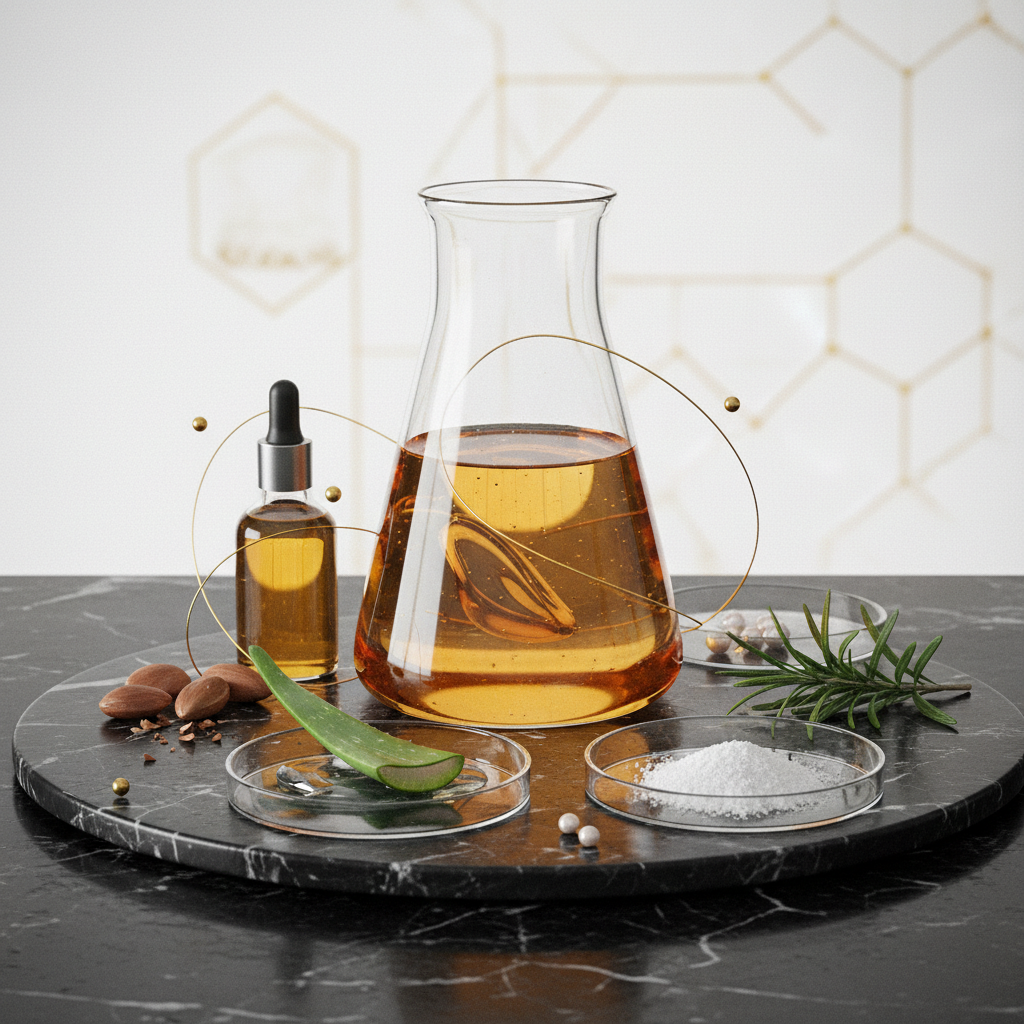
The Role of Ingredients in Hair Formulations
Hair products are complex mixtures designed to cleanse, condition, style, and treat hair. The effectiveness and safety of a product are directly tied to its constituent ingredients and their interactions. Understanding common ingredient categories allows for informed product choices.
Cleansing Agents: Surfactants
Surfactants, short for "surface-active agents," are the primary cleansing ingredients in shampoos. They work by reducing the surface tension of water, allowing it to mix with oils and dirt, which can then be rinsed away. Surfactants have both a hydrophilic (water-attracting) head and a lipophilic (oil-attracting) tail.
Types of Surfactants
- Anionic Surfactants: These are the most common and effective cleansers, creating a rich lather. They carry a negative charge. Examples include Sodium Laureth Sulfate (SLES) and Sodium Lauryl Sulfate (SLS). While effective, they can sometimes be perceived as drying for some hair types.
- Amphoteric Surfactants: These have both positive and negative charges, making them milder than anionic surfactants. They are often used in conjunction with anionic surfactants to reduce irritation and improve lather stability. Examples include Cocamidopropyl Betaine and Cocoamphocarboxyglycinate.
- Non-ionic Surfactants: These do not carry a charge and are generally the mildest. They produce less lather and are often used in co-washes or sulfate-free formulas. Examples include Decyl Glucoside and Laureth-4.
- Cationic Surfactants: These carry a positive charge and are primarily used in conditioners, not shampoos, due to their substantive (adhering) properties to negatively charged hair. An example is Behentrimonium Methosulfate.
Conditioning Agents
Conditioners are designed to improve the feel, appearance, and manageability of hair. They typically work by coating the hair shaft, smoothing the cuticle, and sometimes providing internal structural support.
Key Conditioning Ingredients
- Cationic Surfactants: As mentioned, these adhere to the negatively charged surface of hair, neutralizing static electricity and smoothing the cuticle. Common examples include Cetrimonium Chloride, Behentrimonium Chloride, and Stearamidopropyl Dimethylamine.
- Fatty Alcohols: These are long-chain alcohols that provide emollience and slip without drying the hair. They help thicken formulations and contribute to conditioning. Examples include Cetyl Alcohol, Stearyl Alcohol, and Cetearyl Alcohol.
- Emollients and Humectants:
- Emollients: These ingredients smooth the hair
Where Watermans fits
If you want a routine built around the science above, these are the products from the range that apply here: